The spotted owl, a creature of quiet dignity and ancient forests, has long been a symbol of the Pacific Northwest’s ecological soul. Once abundant in the towering coniferous woodlands of California, Oregon, and Washington, this elusive bird now faces a precarious existence, its survival inextricably tied to the fate of the forests it calls home. Yet, amid the shadows of deforestation and habitat fragmentation, a glimmer of hope emerges—not from the depths of wilderness, but from the deliberate, human-driven act of reforestation. This is not merely a story of trees regrowing; it is a narrative of resilience, of ecosystems healing, and of humanity’s capacity to mend what it once broke.
Ecology & Environmental Science
The Impact of Tawny Owls on Woodland Biodiversity in Europe
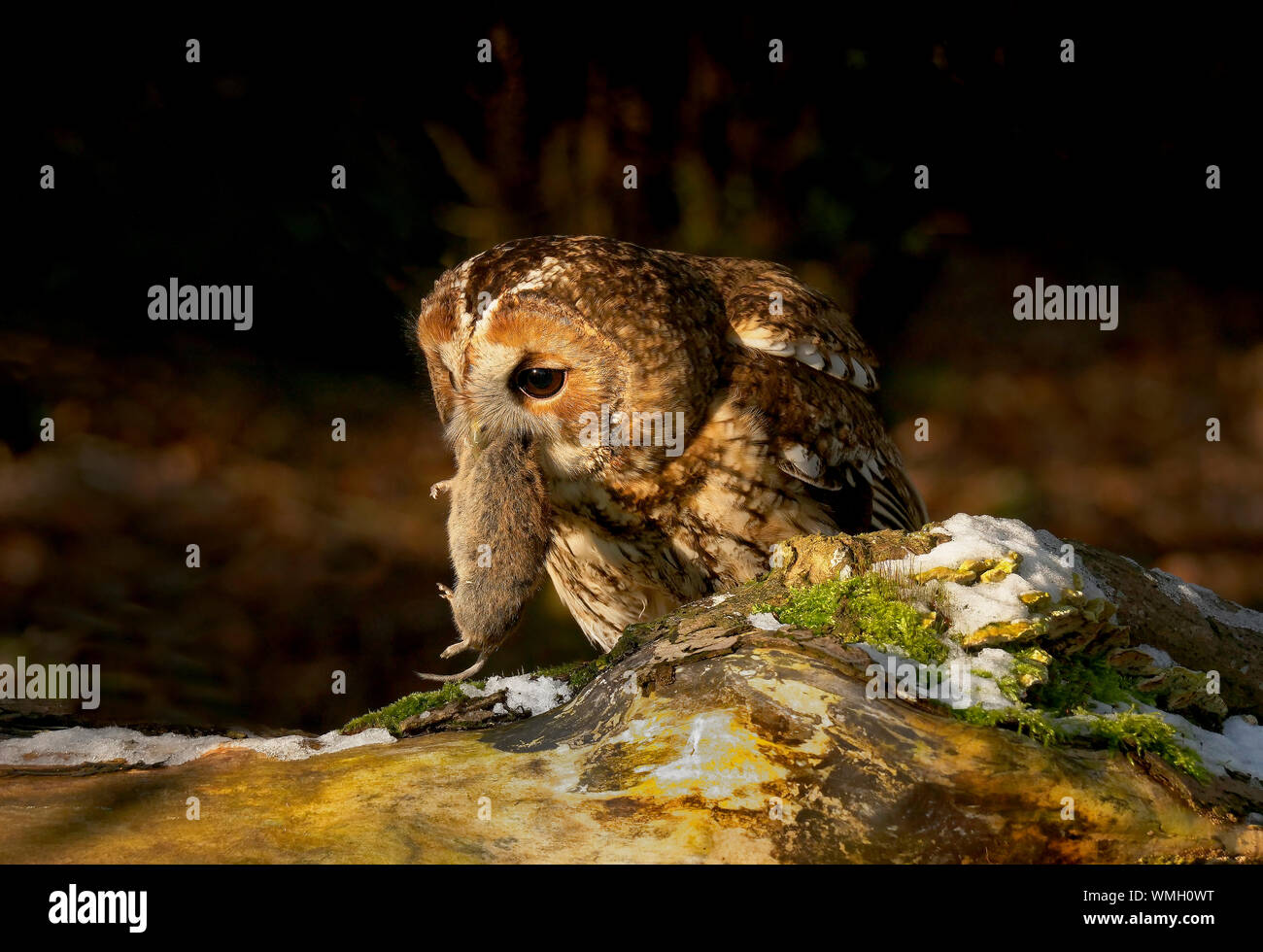
The tawny owl, Strix aluco, is Europe’s most ubiquitous nocturnal raptor—a silent sentinel whose presence weaves through the fabric of woodland ecosystems like a thread of moonlight. But what if these feathered philosophers, with their piercing amber eyes and cryptic plumage, are not just passive observers of the forest but its unsung architects? What if their very existence poses a riddle to the delicate balance of biodiversity, one that challenges our understanding of predator-prey dynamics, habitat engineering, and even climate resilience? Let’s embark on a journey through the shadowed canopies of Europe, where the tawny owl’s impact is as profound as it is understated.
How Barred Owls Are Affecting Other Native Bird Species
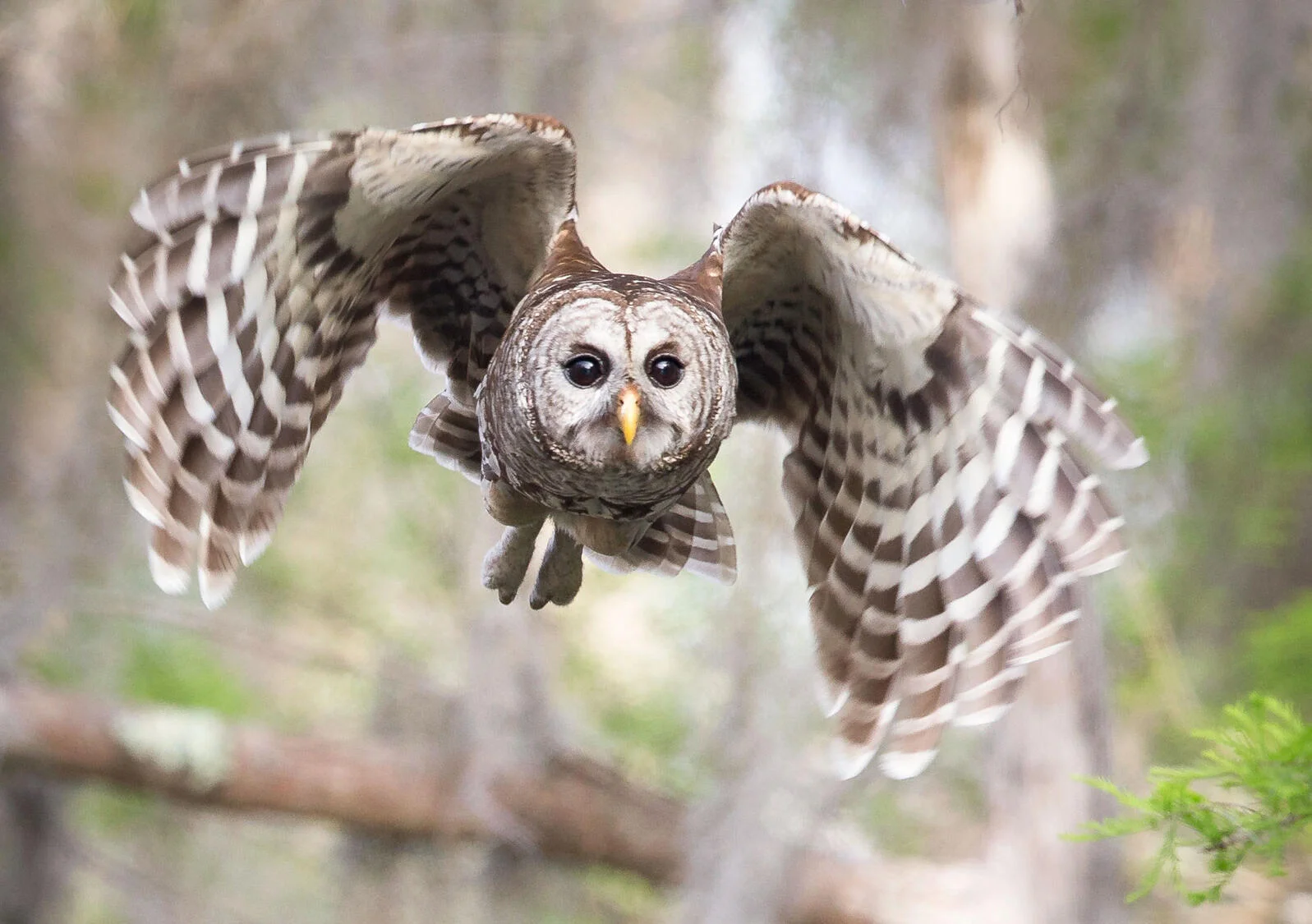
In the dense, whispering woodlands and shadowed wetlands of North America, an enigmatic presence commands silent reverence. The barred owl, with its haunting call and penetrating gaze, has long been regarded as a symbol of mystery and nocturnal majesty. Yet, beyond its ethereal allure lies a complex ecological narrative—one that complicates the very tapestry of native bird communities. The story of how barred owls are shaping, challenging, and sometimes overshadowing other native bird species promises not just a shift in perspective, but a deeper curiosity about the delicate balance of avian coexistence.
The Role of Owls in Carbon Sequestration: Their Indirect Contribution to Climate Mitigation

The silent guardians of the night, the owls, have long been shrouded in myth and mystery. Often cast as omens or wise counselors in folklore, these raptors now reveal another, far more tangible role in the grand tapestry of Earth’s survival. Beyond their piercing gaze and haunting calls, owls are unsung heroes in the battle against climate change—not through direct carbon capture, but through a cascade of ecological interactions that ripple through ecosystems like whispers in the dark. Their presence, it turns out, is a linchpin in the delicate machinery of carbon sequestration, a silent symphony of predation, seed dispersal, and soil enrichment that fortifies the planet’s resilience. To understand this, we must venture beyond the visible and into the unseen threads that bind life together.
How Spotted Owls Are Affected by Habitat Fragmentation
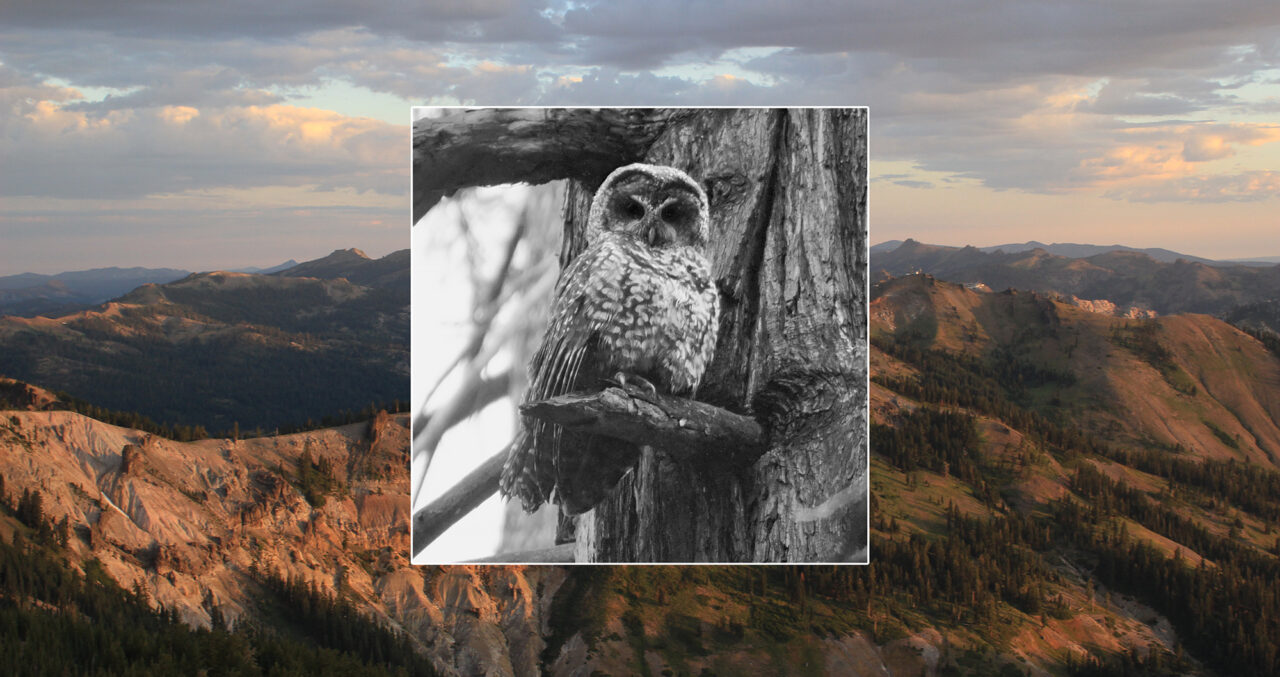
In the shadowed cathedral of ancient forests, the Spotted Owl reigns as a spectral guardian, its enigmatic eyes reflecting centuries of ecological harmony. Yet, this noble sentinel faces a grave trial — habitat fragmentation, a surgical scar on the landscape that transforms once vast and continuous woodlands into isolated islands of refuge. This fracturing of habitat is not merely a physical rupture but an existential threat that resonates deeply within the intricate tapestry of the Spotted Owl’s existence, echoing through every whispered wingbeat and hallowed call beneath the moonlit canopy.
The Role of the UN in Addressing Global Invasive Species Threats
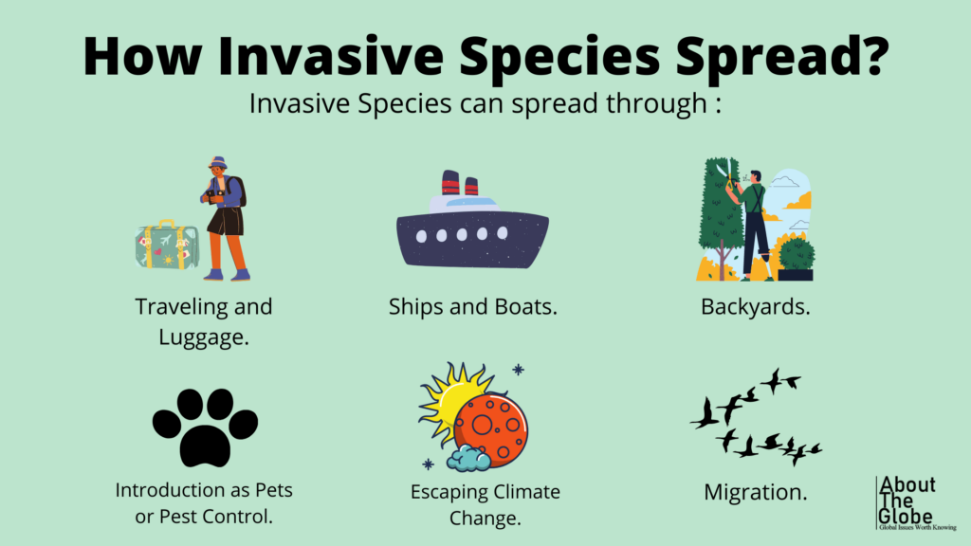
The specter of invasive species looms over ecosystems like an uninvited guest who overstays their welcome—consuming resources, displacing native inhabitants, and rewriting the ecological script with alarming efficiency. In the grand theater of global biodiversity, these biological intruders are not merely passive actors; they are agents of disruption, their spread accelerated by globalization, climate change, and human activity. Yet, in this unfolding crisis, the United Nations stands as a pivotal arbiter, wielding diplomacy, science, and policy as tools to curb the tide of ecological invasion. To understand the UN’s role is to peer into the intricate machinery of international cooperation, where the fate of ecosystems—and the communities dependent on them—hangs in the balance.
The Ecological Ripple Effect: How Snowy Owl Irruptions Impact Local Wildlife
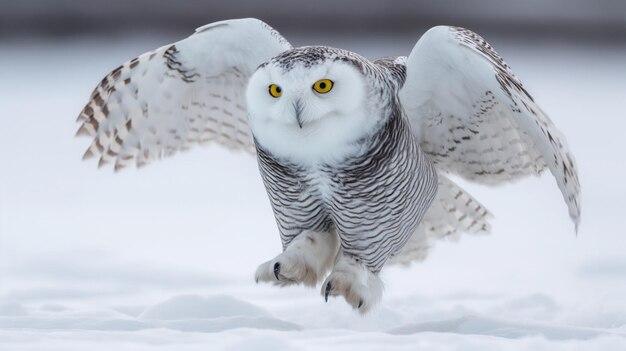
The Arctic tundra is a realm of stark beauty and relentless extremes, where life persists against the odds. Yet, even here, the arrival of a snowy owl is not merely a spectacle—it is a seismic event, a harbinger of ecological upheaval that cascades through the food web like a stone dropped into still water. These irruptions, driven by cyclical surpluses in lemming populations or the harsh realities of winter scarcity, send ripples far beyond the owl’s frozen hunting grounds. From the taiga’s edge to the boreal forests below, the presence of these silent sentinels reshapes the behavior, distribution, and survival strategies of countless species. This is the story of how a single predator’s dominance can echo through ecosystems, altering the fate of prey, competitors, and even the landscape itself.
The Impact of Carbon Offset Programs on Snowy Owl Habitat Preservation
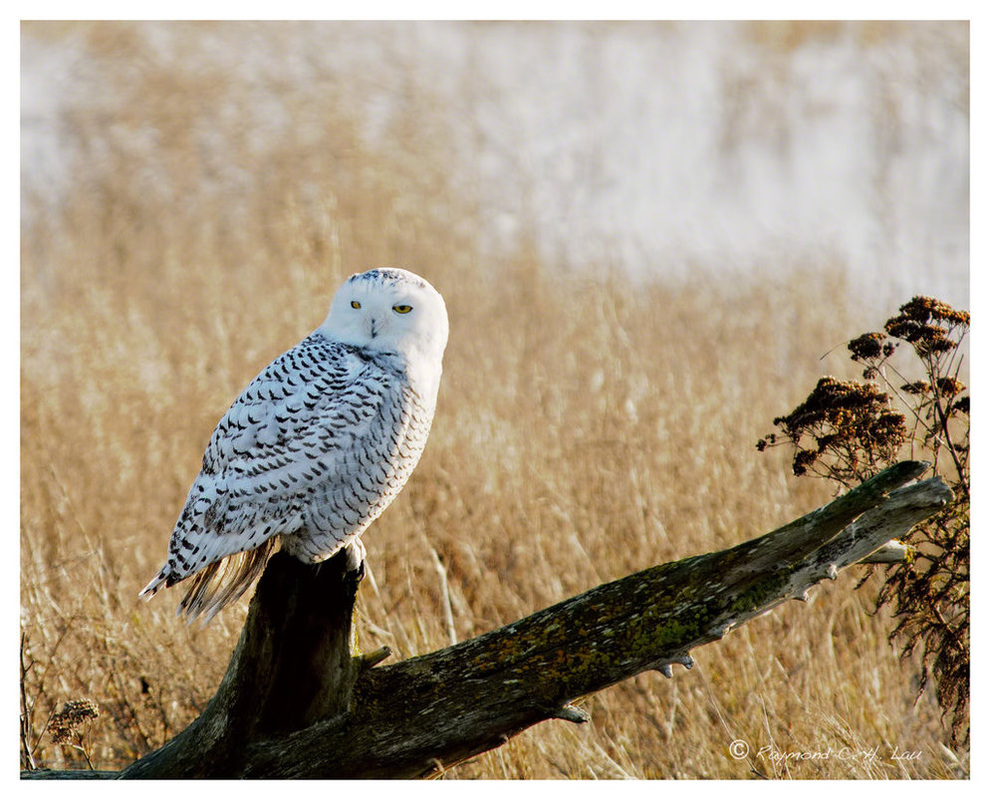
The Arctic tundra, a vast and windswept expanse, is home to one of nature’s most enigmatic creatures: the snowy owl. With its piercing golden eyes and snowy plumage, this apex predator embodies the wild, untamed spirit of the far north. Yet, as carbon offset programs proliferate across the globe, their impact on the fragile habitats of these magnificent birds remains a subject of both hope and scrutiny. Are these initiatives truly preserving the Arctic wilderness, or do they mask deeper ecological fissures? The answer lies not just in the numbers, but in the silent stories whispered by the tundra winds.
The Owl in Chinese Culture: A Symbol of Luck Misfortune or Divine Insight?

The owl, with its nocturnal gaze and silent wings, has long been a creature of paradox—both revered and reviled across cultures. In Chinese tradition, this enigmatic bird is not merely a symbol but a mirror reflecting humanity’s deepest fears, aspirations, and contradictions. Is it a harbinger of misfortune, a guardian of wisdom, or perhaps something far more nuanced? To unravel the owl’s role in Chinese culture is to confront a tapestry of meaning where superstition and reverence intertwine, where silence speaks louder than words, and where the night itself becomes a stage for divine revelation.
How Genetic Research Is Informing Global Invasive Owl Control Efforts
The night skies whisper secrets older than human memory, where the silent wings of owls cut through the dark like blades of moonlight. These guardians of the twilight have long been symbols of wisdom and mystery, yet their survival is now entwined with the most cutting-edge science—genetic research. As invasive owl species spread their talons across fragile ecosystems, scientists are turning to DNA not just to understand these birds, but to outmaneuver them. This is not merely a battle of biology; it is a high-stakes chess match where every gene is a pawn, and every mutation a potential checkmate. The stakes? The very balance of nature itself.