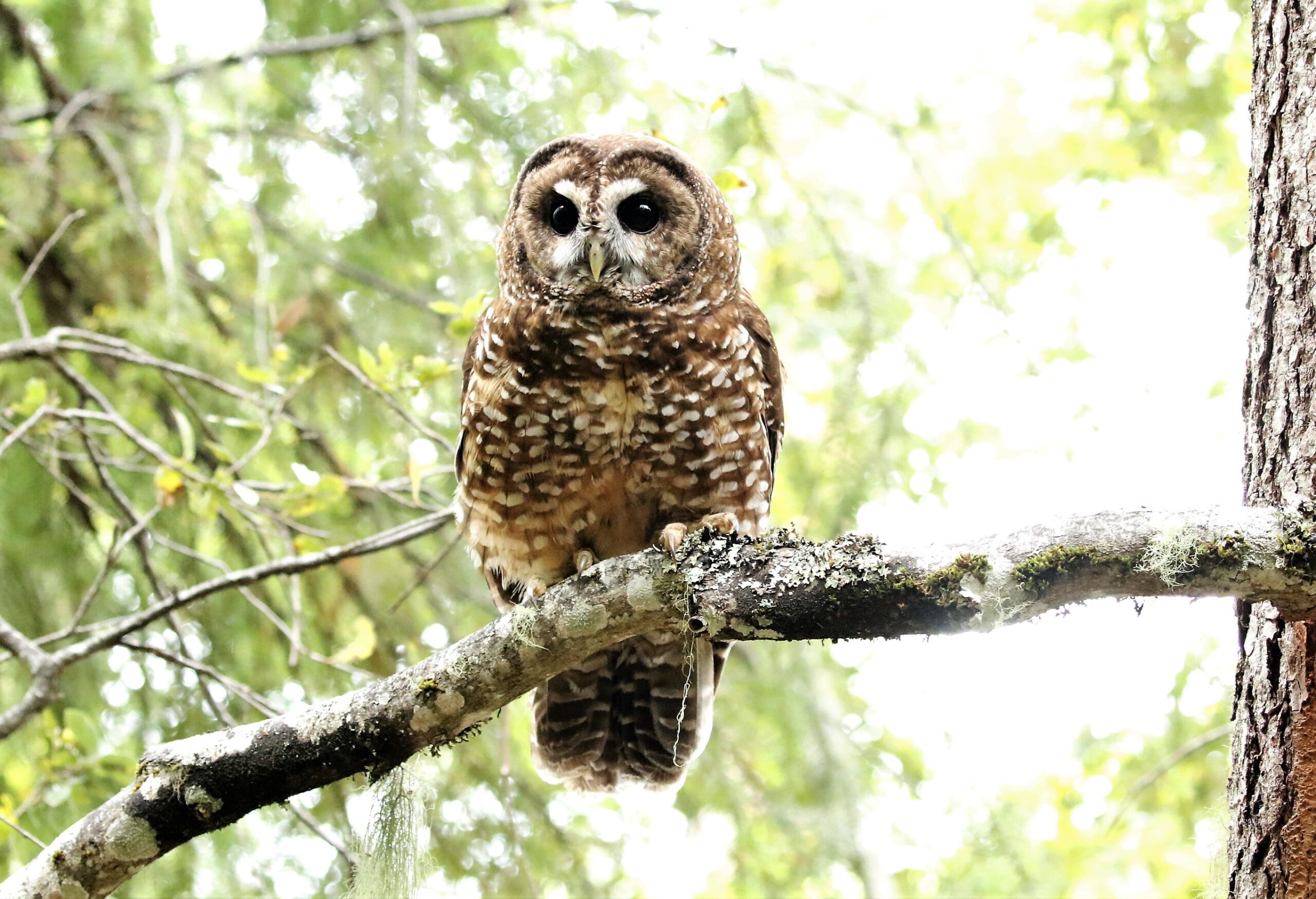
The Northern Spotted Owl, a denizen of the ancient forests of the Pacific Northwest, has long been a symbol of ecological fragility and conservation triumph. But what if this iconic bird, once teetering on the brink of extinction, could tell us a story of resilience? What if its recovery could teach us lessons about coexistence, adaptation, and the delicate balance between human progress and wilderness preservation? The tale of the Northern Spotted Owl in Oregon is not just a wildlife success story—it’s a testament to the power of dedicated conservation, the complexities of ecological management, and the enduring hope that nature can heal when given a chance.
Conservation Efforts & Policies
How Climate Change Will Shape Owl Habitats in the Next 50 Years
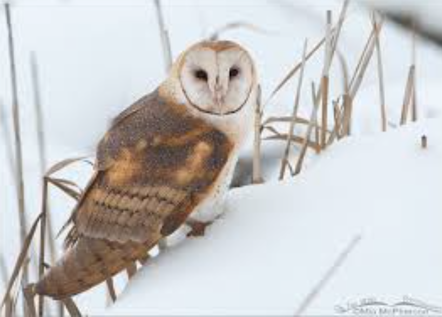
What if the silent wings of the night, once a symbol of timeless wisdom, now fluttered over landscapes that no longer recognize their ancient rhythms? As the Earth’s thermostat ticks upward, the world’s owls—those enigmatic sentinels of the twilight—face a future as unpredictable as the weather itself. Over the next five decades, climate change won’t just tweak the rules of the game; it will redraw the entire playing field, leaving these feathered philosophers to adapt, migrate, or vanish in the shadows of a rapidly shifting world. But how exactly will the rising tides of temperature, the whims of erratic weather, and the creeping advance of human encroachment reshape the domains of these nocturnal hunters? Let’s embark on a journey through the tangled thickets of ecological upheaval to uncover the fate of owl habitats in a warming world.
How Technology Will Continue to Evolve in Owl Protection
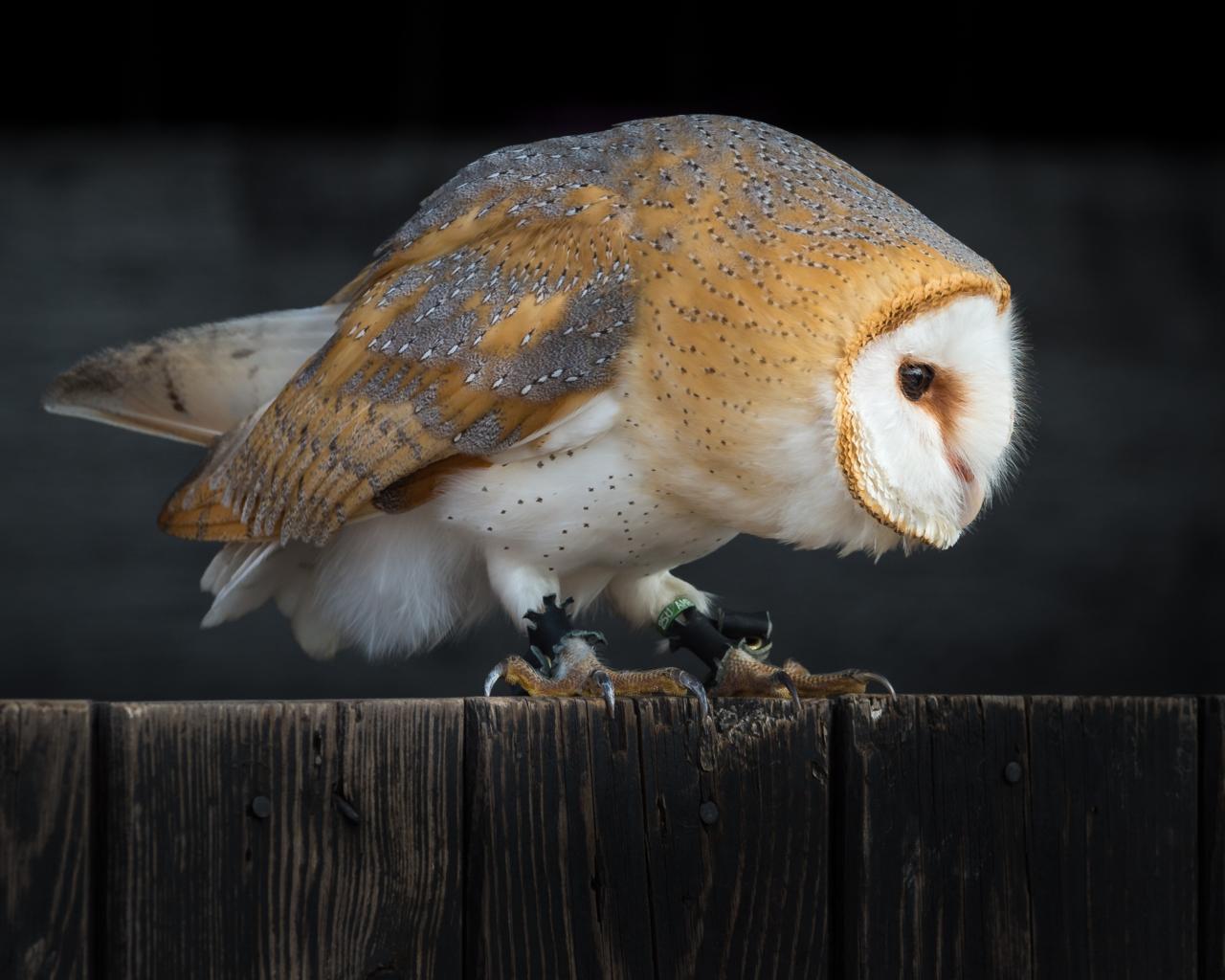
In the hushed embrace of twilight, where the world blurs into silhouettes and shadows dance upon the forest floor, a silent guardian takes flight. The owl, with its piercing gaze and feathered cloak, has long been a symbol of wisdom and mystery. Yet, beyond the folklore and fables, these nocturnal sentinels face a growing crisis—habitat loss, human encroachment, and environmental degradation threaten their existence. But hope is on the horizon, woven into the very fabric of innovation. Technology, that relentless architect of change, is stepping into the wings, poised to rewrite the story of owl conservation. From the whisper of drones in the night to the precision of AI-driven tracking, the future of owl protection is not just evolving—it’s undergoing a revolution.
How Would Owl Conservation Change If They Were as Common as Pigeons?
Imagine a world where the haunting silhouettes of owls peppered the evening skies just as ubiquitously as pigeons gracing urban parks. This radical shift in abundance would not only blur the lines between the wild and the mundane but also ignite a profound transformation in how society perceives, values, and conserves these enigmatic raptors. Owls, long revered as symbols of wisdom and mystery, have historically thrived in the shadows, their secretive nature sealing their fate as elusive and often endangered creatures. But what if their presence was no longer a rarity? What if every rooftop, alley, and woodland clearing echoed with their calls as commonly as city squares echo with coos and flutters? This exploration delves into the tantalizing prospects and complex consequences of owl conservation in a world where these nocturnal sentinels are as commonplace as pigeons.
Owl Conservation and the Right to Life: Philosophical Perspectives
In the grand tapestry of Earth’s biodiversity, few creatures embody the essence of wisdom and nocturnal grace as profoundly as the owl. These enigmatic birds, with their silent flight and piercing gaze, have long captivated human imagination, weaving themselves into myths, folklore, and the very fabric of our cultural consciousness. Yet, beyond their symbolic allure lies a pressing ethical imperative: the conservation of owl species and the affirmation of their intrinsic right to life. This discourse embarks on a philosophical odyssey, dissecting the moral, ecological, and existential dimensions of owl conservation through a kaleidoscope of perspectives—utilitarian, deontological, ecocentric, and beyond. Prepare to traverse the labyrinthine corridors of thought where ethics meets ecology, and where the fate of an owl becomes a mirror reflecting humanity’s own moral evolution.
The Role of Corporate Sponsorship in Owl Conservation Success
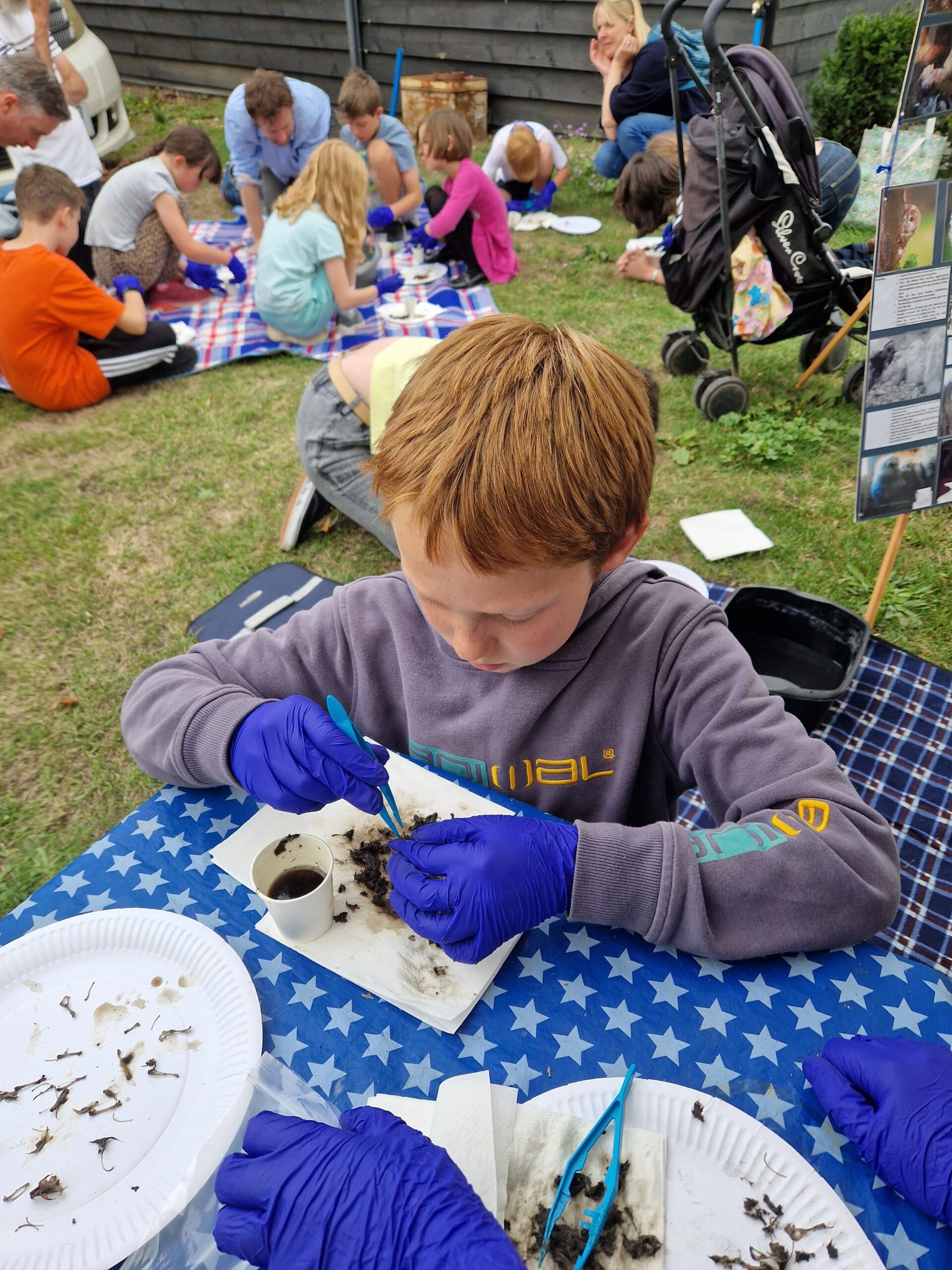
The silent sentinels of the night, owls, have long captivated human imagination with their enigmatic gaze and stealthy flight. Yet beyond their cultural mystique lies a pressing ecological imperative: the preservation of these nocturnal raptors is not merely a matter of sentiment but a cornerstone of biodiversity. Corporate sponsorship has emerged as a transformative force in owl conservation, bridging the gap between financial constraints and conservation milestones. This article delves into the multifaceted role of corporate partnerships, exploring how they fuel research, habitat restoration, and public engagement—each a vital thread in the tapestry of owl conservation success.
What If Owls Could Photosynthesize? The Evolutionary Implications
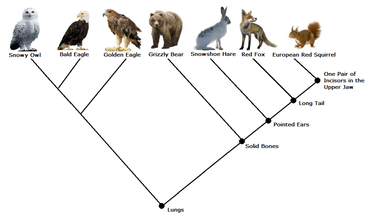
Imagine a twilight forest where the usual soft rustle of wings is accompanied by an otherworldly glow — an eerily serene spectacle, born not of moonlight alone, but of life harnessing sunlight in an entirely novel way. What if owls, those enigmatic denizens of the night, possessed the uncanny ability to photosynthesize like the verdant flora they often roost among? This tantalizing thought experiment invites us to reimagine evolutionary pathways, ecological dynamics, and the very essence of survival strategies in the animal kingdom. The ramifications ripple far beyond mere biology, promising to transform our perception of avian existence and metabolic ingenuity.
The Role of Utilitarianism in Owl Management Decisions
In the intricate tapestry of wildlife conservation, few ethical frameworks wield as much influence as utilitarianism—a doctrine that champions the greatest good for the greatest number. When applied to the management of owl populations, this philosophy transcends mere policy; it becomes a moral compass guiding decisions that ripple through ecosystems, human communities, and the very fabric of biodiversity. Owls, those enigmatic nocturnal sentinels, are not just predators but keystone species whose presence shapes the balance of entire habitats. Yet, their conservation is fraught with complexities: habitat loss, human-wildlife conflict, and the unintended consequences of well-intentioned interventions. This article delves into the multifaceted role of utilitarianism in owl management, exploring how it informs conservation strategies, ethical dilemmas, and the delicate interplay between ecological integrity and human needs.
How Indigenous Knowledge Saved the Powerful Owl in Australia
The Powerful Owl (*Ninox strenua*), Australia’s largest owl species, is a creature of myth and majesty, its piercing gaze and haunting calls echoing through the ancient forests of the continent. Yet, this apex predator nearly vanished from the wild, its survival hanging by a thread due to habitat destruction and human encroachment. The turnaround? Indigenous knowledge—an intricate tapestry of ecological wisdom, spiritual reverence, and sustainable stewardship passed down through millennia. This is not just a story of conservation; it is a testament to the unbreakable bond between people and place, where ancient traditions became the lifeline for a species on the brink.
How Legal Action Protected the Snowy Owl in Canada
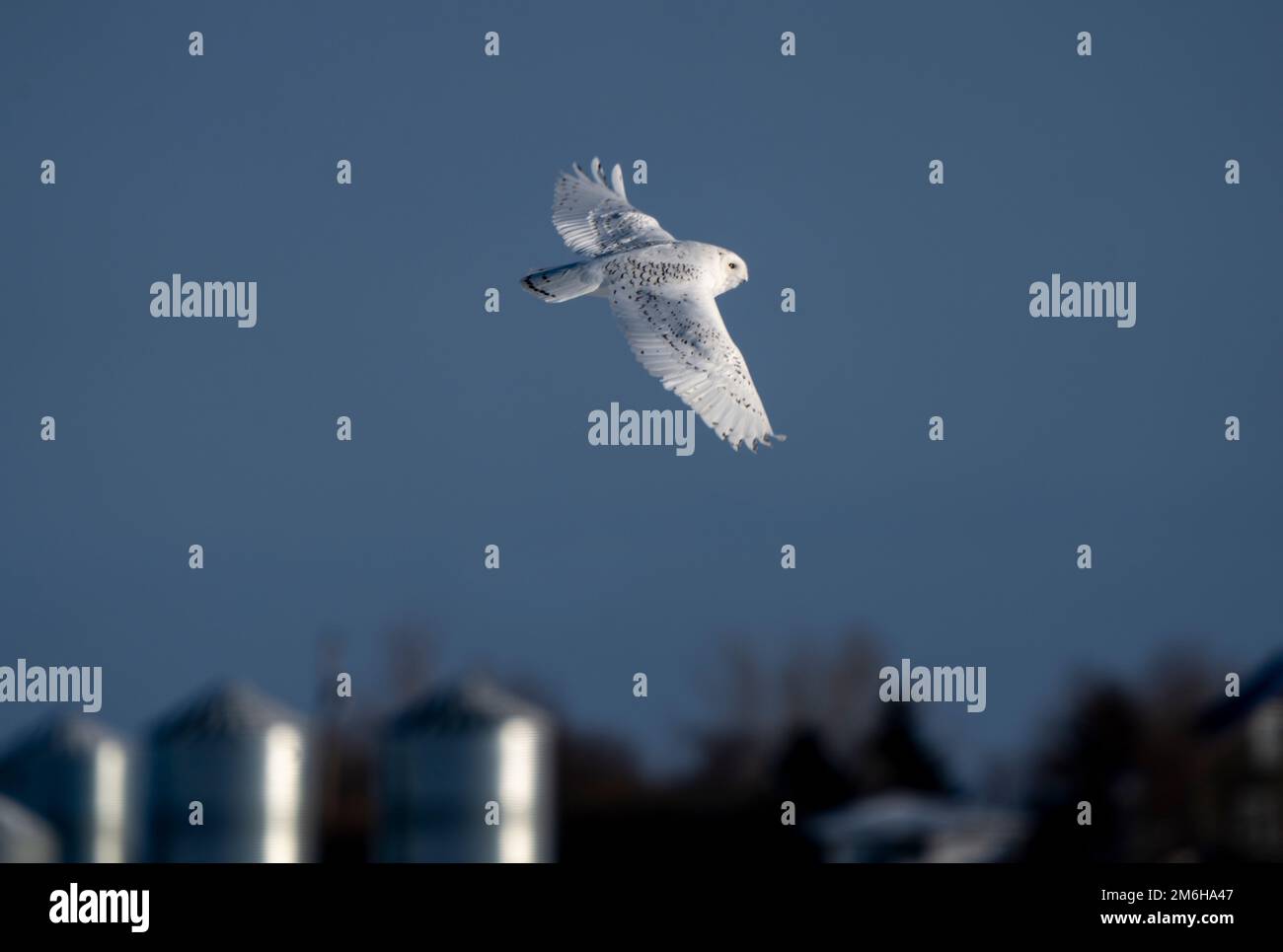
The snowy owl, a regal specter of the Arctic tundra, has long been a symbol of untamed wilderness. Yet, beneath its silent, feathered gaze lies a story of resilience—a tale where legal action became the shield that preserved this iconic species from the encroaching shadows of extinction. Canada, a land of vast, untamed beauty, has witnessed a quiet revolution in conservation, where the courtroom became an unlikely sanctuary for the snowy owl. This is the story of how legal battles wove a protective tapestry around a bird that has captivated hearts for centuries.