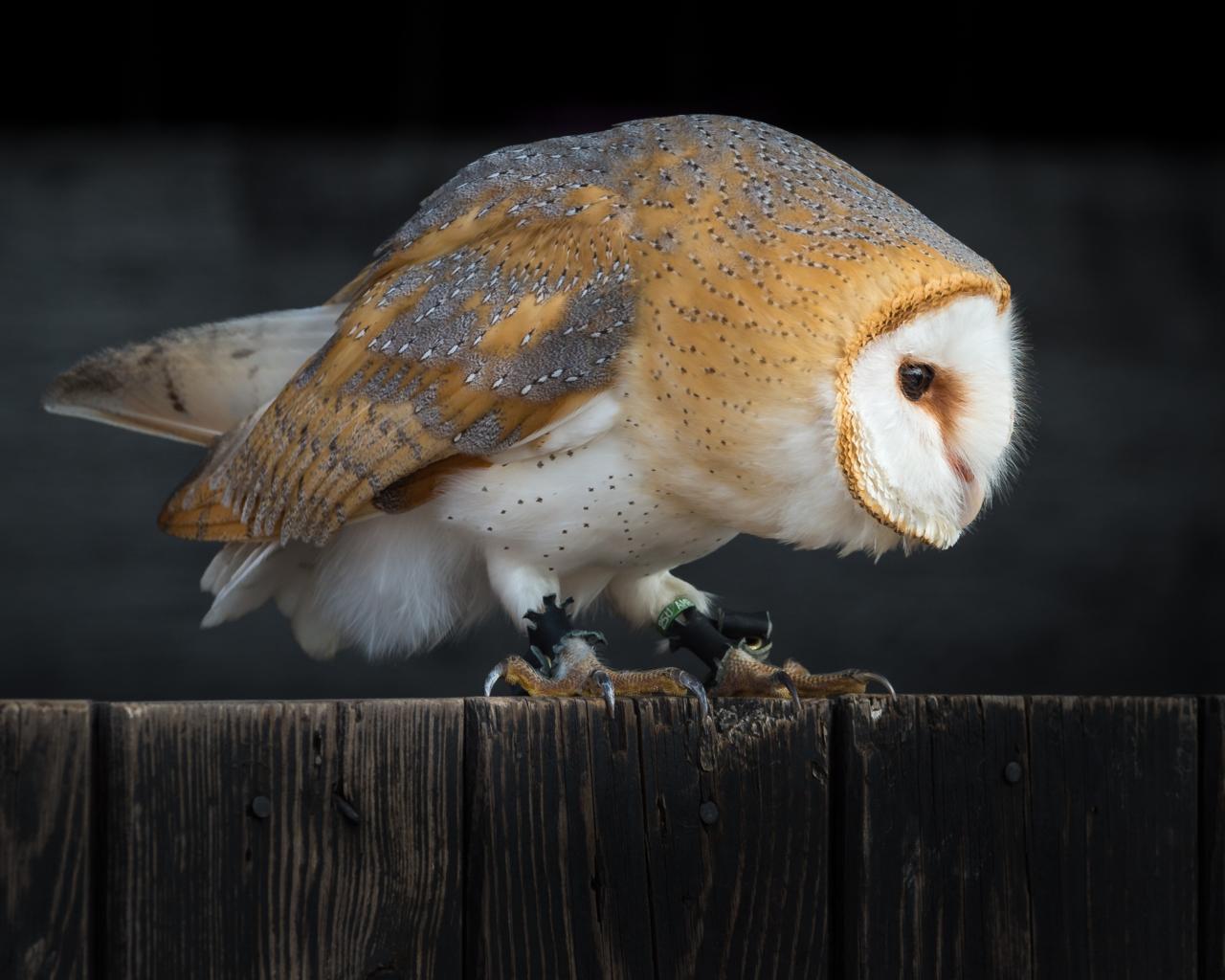
In the hushed embrace of twilight, where the world blurs into silhouettes and shadows dance upon the forest floor, a silent guardian takes flight. The owl, with its piercing gaze and feathered cloak, has long been a symbol of wisdom and mystery. Yet, beyond the folklore and fables, these nocturnal sentinels face a growing crisis—habitat loss, human encroachment, and environmental degradation threaten their existence. But hope is on the horizon, woven into the very fabric of innovation. Technology, that relentless architect of change, is stepping into the wings, poised to rewrite the story of owl conservation. From the whisper of drones in the night to the precision of AI-driven tracking, the future of owl protection is not just evolving—it’s undergoing a revolution.
The Dawn of Digital Vigilance: AI and Machine Learning in Owl Monitoring
Imagine a world where every rustle of leaves, every distant hoot, is not just heard but understood. Artificial intelligence and machine learning are turning this vision into reality, transforming raw data into actionable insights. Researchers are deploying acoustic sensors in owl habitats, capturing their calls with unparalleled clarity. These devices, equipped with algorithms trained on vast libraries of owl vocalizations, can now distinguish between species, track migration patterns, and even detect distress signals with eerie accuracy. The result? Conservationists no longer rely solely on human ears or fleeting glimpses—they have a digital ear to the ground, listening to the whispers of the wild in ways previously unimaginable.
But the magic doesn’t stop there. AI is also unraveling the mysteries of owl behavior. By analyzing movement patterns captured through trail cameras and satellite imagery, scientists can predict nesting sites, identify corridors of migration, and anticipate threats before they materialize. This predictive prowess is not just about saving individual owls—it’s about safeguarding entire ecosystems. When an owl thrives, the forest thrives. The ripple effects of their presence—from rodent control to seed dispersal—are the invisible threads holding biodiversity together. In this digital age, technology is not just a tool; it’s a lifeline.
Drones: The Silent Sentinels of the Night Sky
The night belongs to the owl, but it also belongs to the drone—a stealthy, unmanned voyager that glides through the darkness with a quiet hum. Drones equipped with thermal imaging cameras are revolutionizing owl conservation by allowing researchers to survey vast, inaccessible terrains without disturbing the delicate balance of nature. In dense forests or rugged mountains, where human footprints are rare, these aerial sentinels can map habitats, locate nests, and even monitor the health of fledglings with pinpoint accuracy.
Yet, the true brilliance of drone technology lies in its adaptability. Some drones are now being fitted with specialized sensors that detect electromagnetic fields, aiding in the tracking of owls fitted with tiny transmitters. Others are programmed to mimic owl calls, luring curious birds into view for study or rescue. The synergy between drone and owl is a dance of precision and purpose, where technology becomes an extension of the natural world rather than an intruder. As these silent observers take to the skies, they offer a new perspective—one that is both intimate and expansive, revealing the hidden lives of owls in ways that were once the stuff of legend.
Biotechnology and the Promise of Genetic Rescue
In the quiet laboratories of the future, a different kind of revolution is brewing—one that operates at the molecular level. Biotechnology is emerging as a powerful ally in owl conservation, offering tools to combat genetic bottlenecks and revive dwindling populations. Scientists are exploring the potential of gene editing to enhance disease resistance in owls, particularly those threatened by avian malaria or other pathogens. By identifying and modifying specific genes, researchers hope to create hardier, more resilient owls capable of withstanding the pressures of a changing world.
But the applications of biotechnology extend beyond mere survival. DNA analysis is unlocking the secrets of owl ancestry, helping conservationists trace lineage and reintroduce genetically diverse individuals into struggling populations. This is not just about preserving species—it’s about rewriting their genetic destiny. Imagine a future where endangered owls, once on the brink of extinction, are not only saved but thrive, their genetic legacy etched into the very fabric of their habitats. Biotechnology is not merely a bandage for a wounded planet; it is a blueprint for renewal.
Community Engagement: Technology as a Bridge to Conservation
Technology’s role in owl protection is not confined to the realms of science and research—it is also a catalyst for community engagement. Citizen science platforms are empowering ordinary people to become stewards of the night. Apps that allow users to log owl sightings, upload photographs, or even participate in virtual nest watches are fostering a global network of owl enthusiasts. These digital communities are not just observers; they are active participants in the conservation narrative, their contributions feeding into real-time data that informs policy and action.
The power of technology lies in its ability to democratize conservation. A farmer in rural Europe, a student in urban Asia, or a retiree in North America can all play a part in protecting owls. This collective effort is bridging gaps between cultures, languages, and geographies, uniting people under a shared mission. Technology is not just a tool—it is a bridge, connecting humanity to the natural world in ways that inspire action and ignite passion.
The Ethical Frontier: Balancing Innovation and Stewardship
With every technological leap, a question looms large: How do we ensure that innovation does not come at the cost of ethics? The use of drones, AI, and biotechnology in owl conservation raises profound ethical considerations. Will the deployment of drones disrupt owl behavior? Could genetic modifications have unintended consequences for ecosystems? These are not mere hypotheticals—they are the challenges of our time, demanding thoughtful dialogue and rigorous oversight.
The path forward requires a delicate balance between progress and prudence. Conservationists must collaborate with ethicists, policymakers, and local communities to establish guidelines that prioritize the well-being of owls above all else. Technology must be a servant of nature, not its master. This ethical frontier is not a barrier to innovation but a compass, guiding us toward a future where technology and conservation coexist in harmony.
A Future Written in Feathers and Code
The story of owl conservation is no longer confined to the pages of field journals or the whispers of naturalists. It is being written in real-time, line by line, byte by byte, in the silent hum of algorithms and the quiet whir of drones. The future of owl protection is not a distant dream—it is a tangible reality, unfolding before our eyes. As technology continues to evolve, so too does our understanding of these enigmatic creatures, and with it, our capacity to protect them.
Yet, the most profound promise of this technological revolution is not just the survival of owls—it is the transformation of our relationship with the natural world. In the dance between innovation and conservation, we are rediscovering our place in the tapestry of life. The owl, with its ancient gaze, reminds us that wisdom is not just about looking forward—it is about looking around, listening closely, and acting with intention. The future of owl protection is not just about saving a species; it is about saving ourselves.