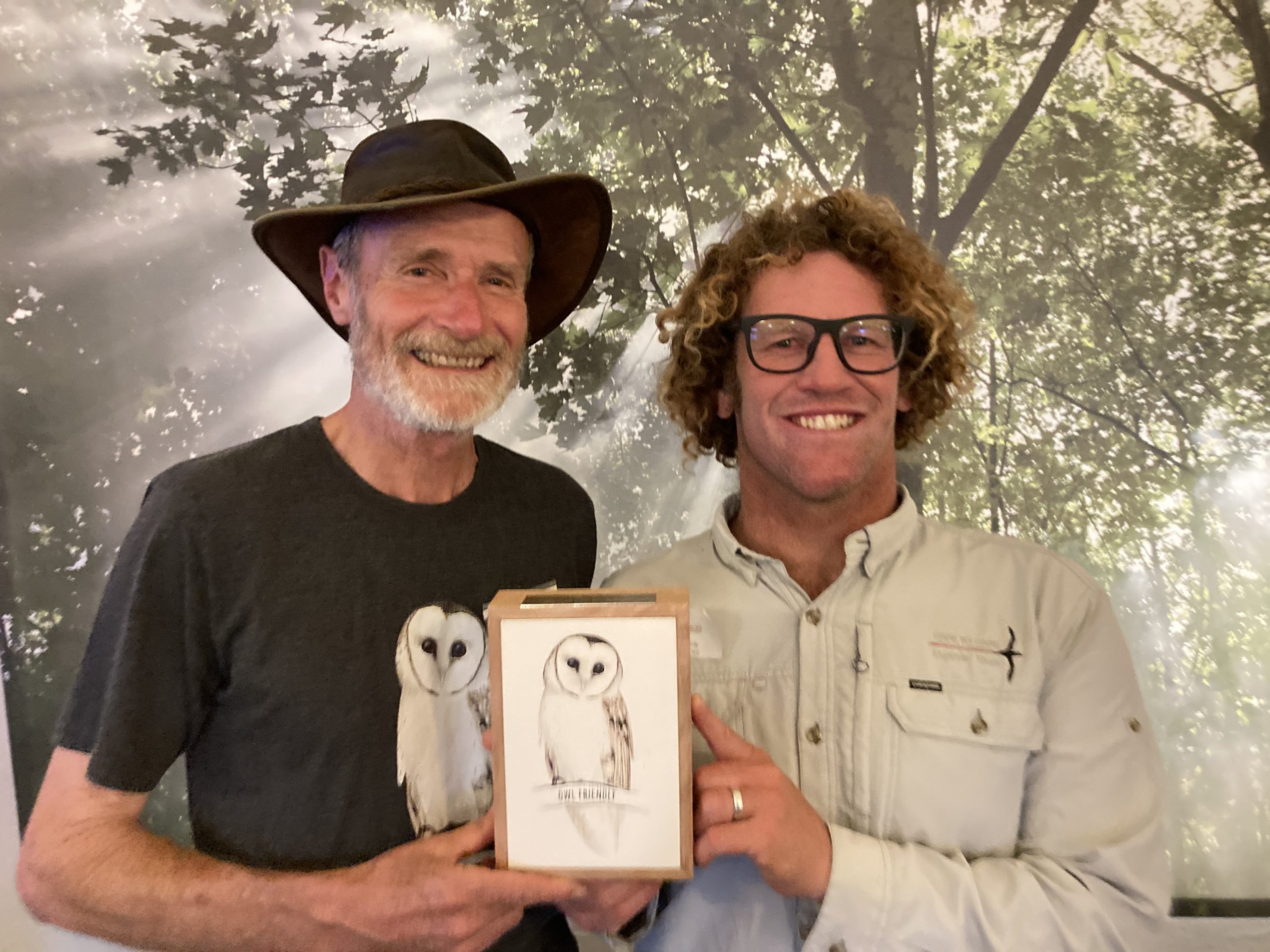
Imagine a world where the night sky hums with the silent wings of guardians—where owls, those enigmatic sentinels of the dark, become the unlikely architects of ecological harmony. Yet, their survival hinges not on their own prowess alone, but on the collective will of the communities that share their habitat. Engaging local communities in owl conservation is less about imposing solutions and more about weaving a tapestry of shared purpose, where every thread—whether a farmer, a student, or an elder—contributes to a living, breathing sanctuary for these nocturnal marvels.
The Silent Pact: Why Owls Need Their Human Neighbors
Owls are the unsung maestros of the food web, their presence a barometer of ecological health. A thriving owl population signals a balanced ecosystem, where rodents are kept in check and biodiversity flourishes. Yet, their decline often goes unnoticed until the silence of the night becomes deafening. Local communities, with their intimate knowledge of the land, are the first line of defense in this quiet war. Their engagement isn’t just beneficial—it’s essential. By fostering a sense of stewardship, we transform passive observers into active participants in a conservation symphony.
Consider the farmer who notices fewer owls swooping over their fields. Instead of reaching for pesticides, they might learn that owls are natural pest controllers, their keen eyes and silent flight reducing the need for chemical interventions. This realization can spark a shift from adversarial coexistence to symbiotic partnership. The key lies in reframing owls not as competitors or pests, but as allies in the delicate dance of agriculture and ecology.
The Alchemy of Awareness: Turning Curiosity into Conservation
Awareness is the crucible in which conservation efforts are forged. But how do we ignite that spark of curiosity in a world saturated with distractions? The answer lies in storytelling—crafting narratives that resonate with the local ethos. For a coastal community, the tale of the barn owl gliding over salt marshes at dusk might evoke a sense of wonder. For a desert-dwelling tribe, the story of the eagle owl nesting in ancient rock formations could weave conservation into cultural heritage.
Workshops and field visits can demystify owls, replacing fear with fascination. Imagine a child’s wide-eyed wonder as they hold a feather shed by a tawny owl, feeling the softness of its down and the strength of its quill. Such tactile experiences forge emotional connections that data alone cannot. Meanwhile, elders can share traditional knowledge—perhaps how their ancestors viewed owls as omens or protectors—bridging generational gaps with wisdom.
The Collaborative Canvas: Painting Conservation with Local Hands
Conservation thrives when it is co-created, not dictated. Local communities must be the artists of their own initiatives, with conservationists acting as facilitators rather than directors. This collaborative approach might manifest in community-led nest box programs, where residents build and monitor artificial nests for barn owls, turning their backyards into conservation hubs. Or it could involve “owl watch” groups that document sightings, creating citizen science projects that feed into larger research efforts.
The beauty of this model lies in its scalability. A single village’s success can inspire neighboring regions, creating a ripple effect of conservation. In rural India, for instance, communities have embraced the Indian eagle owl as a guardian against crop pests, integrating its protection into agricultural practices. The result? Healthier crops, fewer pesticides, and a renewed bond between people and nature.
The Economic Emissary: Owls as Silent Benefactors
Conservation isn’t just an ecological imperative—it’s an economic opportunity. Owls can become ambassadors of ecotourism, drawing visitors eager to glimpse these elusive creatures in their natural habitat. A night safari to spot a pair of barn owls hunting over a wetland can be as thrilling as any big-game encounter. Local guides, trained in owl ecology, can narrate the night’s drama, turning conservation into a livelihood.
Even in urban settings, owls can be economic catalysts. The presence of peregrine falcons and barn owls in cities has been linked to increased property values, as residents take pride in their feathered neighbors. Municipalities can capitalize on this by funding owl-friendly infrastructure—such as green roofs or pesticide-free zones—while promoting their efforts as a draw for eco-conscious tourists.
The Cultural Tapestry: Owls in Myth, Ritual, and Modern Life
Owls are woven into the cultural fabric of societies worldwide, from the Greek goddess Athena’s wise companion to the Navajo tribe’s belief in the owl as a messenger between worlds. Yet, this rich tapestry is often frayed by modern misconceptions. In some cultures, owls are still seen as harbingers of death, a stigma that can hinder conservation efforts. The solution? Reclaiming and reinterpreting these narratives.
A community in Mexico, for example, has transformed the owl from a feared omen into a symbol of resilience. By integrating owl motifs into local festivals and art, they’ve fostered pride in their nocturnal neighbors. Similarly, in parts of Africa, owls are celebrated as protectors of granaries, their presence ensuring food security. These cultural reframings don’t just change perceptions—they create a sense of ownership over conservation.
The Technological Vanguard: Tools for the Modern Conservationist
Technology is the unsung ally in owl conservation, offering tools that bridge the gap between tradition and innovation. Trail cameras, for instance, can capture owl activity without disturbing their habitats, providing data that informs local conservation strategies. Meanwhile, smartphone apps can help communities report owl sightings, turning every resident into a citizen scientist.
Drones, too, have a role to play. In vast, remote landscapes, they can monitor owl nests in areas inaccessible to humans, reducing the need for invasive checks. When paired with AI, these tools can predict habitat threats—such as deforestation or pesticide use—before they become crises, allowing communities to act preemptively.
The Ripple Effect: How Local Efforts Shape Global Change
The impact of community-led owl conservation extends far beyond local boundaries. When a village in Australia protects its masked owls, it contributes to a global network of conservation efforts. Each success story becomes a beacon, inspiring others to adopt similar initiatives. The result? A mosaic of protected habitats, stitched together by the shared goal of preserving these enigmatic birds.
Moreover, these efforts can influence policy. When communities demonstrate the tangible benefits of owl conservation—through increased biodiversity, economic gains, or cultural pride—they provide compelling evidence to policymakers. The result is legislation that protects not just owls, but entire ecosystems.
The Unseen Symphony: Listening to the Night
At its heart, owl conservation is about listening—to the night, to the land, and to each other. It’s about recognizing that the hoot of an owl in the distance is not just a sound, but a call to action. By engaging local communities, we don’t just save owls; we restore balance, revive traditions, and rediscover our place in the natural world.
The path forward is not paved with grand gestures, but with small, deliberate steps—each one a testament to the power of collective will. And in the quiet of the night, as the owls take flight, we’ll know that we’ve done more than conserve a species. We’ve woven a new chapter into the story of humanity and nature, one where both thrive in harmony.