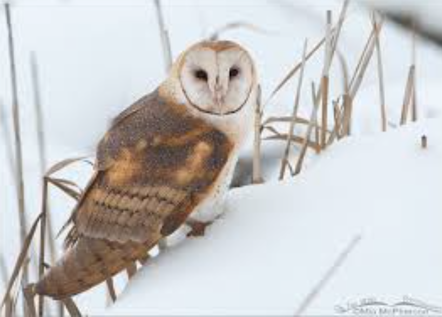
What if the silent wings of the night, once a symbol of timeless wisdom, now fluttered over landscapes that no longer recognize their ancient rhythms? As the Earth’s thermostat ticks upward, the world’s owls—those enigmatic sentinels of the twilight—face a future as unpredictable as the weather itself. Over the next five decades, climate change won’t just tweak the rules of the game; it will redraw the entire playing field, leaving these feathered philosophers to adapt, migrate, or vanish in the shadows of a rapidly shifting world. But how exactly will the rising tides of temperature, the whims of erratic weather, and the creeping advance of human encroachment reshape the domains of these nocturnal hunters? Let’s embark on a journey through the tangled thickets of ecological upheaval to uncover the fate of owl habitats in a warming world.
The Great Thaw: How Melting Ice and Rising Temperatures Reshape Northern Hunting Grounds
The Arctic and boreal forests, once the domain of snowy owls and great gray owls, are thawing at a pace that would make even the most patient predator impatient. As permafrost retreats and sea ice fractures, the delicate balance of these ecosystems unravels like a moth-eaten tapestry. Snowy owls, those ghostly wanderers of the tundra, rely on the stark, open landscapes where lemmings thrive beneath a blanket of snow. But with warmer winters, lemming populations fluctuate wildly—sometimes booming in the absence of deep snow, other times crashing when rain glazes the ground in ice, sealing their burrows in a tomb of frozen despair. Meanwhile, great gray owls, the silent giants of the taiga, find their dense coniferous forests giving way to deciduous intruders. The trees they once called home are now being replaced by birch and aspen, species that thrive in milder climes but offer scant shelter from the elements. For these owls, the Great Thaw isn’t just a metaphor—it’s a habitat upheaval that forces them to either adapt or retreat into the unknown.
Droughts, Deluges, and the Owl’s Dilemma: When Weather Becomes a Game of Chance
Imagine a barn owl, a creature of the open skies, gliding over a parched landscape where the fields it once hunted have withered into dust. Or picture a burrowing owl, its underground sanctuary flooded by relentless monsoons that turn its carefully dug tunnels into waterlogged traps. Climate change doesn’t just nudge the weather—it hurls it into a frenzy of extremes. Droughts parch the earth, decimating rodent populations and forcing owls to expand their hunting grounds into unfamiliar territories. Conversely, torrential downpours and flash floods erode nesting sites, collapse burrows, and drown eggs before they can hatch. Even the timing of seasons is thrown into chaos. In some regions, spring arrives weeks earlier than it once did, leaving owl chicks to hatch before their prey—like voles and mice—has had a chance to breed. This phenological mismatch is a silent killer, starving the next generation before it can take flight. For owls, the new normal isn’t just about surviving the heat—it’s about outmaneuvering a climate that has forgotten how to play fair.
The Urban Jungle: When Concrete Canopy Replaces the Canopy of the Wild
Cities are the ultimate disruptors of the natural order, and as temperatures rise, they’re expanding like ink on blotting paper. Suburban sprawl gobbles up woodlands, while highways carve through forests, fragmenting habitats into isolated islands where owls struggle to find food or mates. Yet, some owls are proving to be the ultimate opportunists. Barn owls, for instance, have been spotted nesting in abandoned barns, church steeples, and even the rafters of warehouses, trading the rustle of leaves for the hum of human industry. But this urban infiltration comes with its own set of perils. Light pollution disorients night-hunting owls, while rodenticides—meant to control pests—accumulate in their prey, poisoning them from the inside out. The urban jungle is a double-edged sword: a place of refuge for some, a death sentence for others. Will owls become the city’s new night watchmen, or will they be relegated to the fringes of a world that no longer has room for them?
The Invisible Threat: How Climate Change Fuels the Spread of Disease and Invasive Species
Warmer temperatures are not just melting ice caps—they’re also thawing ancient pathogens and unleashing invasive species into ecosystems that have no immunity to their predations. In North America, the barred owl, a fierce competitor, has been expanding its range northward, encroaching on the territories of the endangered spotted owl. Climate change is accelerating this invasion, as milder winters allow barred owls to push deeper into once-inhospitable forests. Meanwhile, in Europe, the arrival of the Asian hornet—a voracious predator of honeybees—disrupts the food chain, leaving owls with fewer insects to hunt. Even the lowly earthworm, an invasive species in North American forests, alters soil composition in ways that disrupt the delicate balance of forest ecosystems. For owls, these invisible threats are as insidious as the changing climate itself, weaving a web of challenges that extend far beyond temperature and precipitation.
Migration or Extinction: The Owl’s Impossible Choice
As their habitats shrink and fragment, some owl species face an impossible dilemma: migrate or perish. The snowy owl, a bird built for the Arctic, has been spotted increasingly farther south, its white plumage a stark contrast against the green fields of the American Midwest. But migration is a gamble. Will they find food? Will they find a mate? Will they return to a breeding ground that no longer exists? For species like the burrowing owl, which relies on vast, open grasslands, the march of urbanization and agriculture leaves them with nowhere to go. These birds are not built for long-distance travel; their survival depends on the stability of their environment. Yet, as the climate shifts, stability is a luxury few can afford. The question looms: will owls become the nomads of the night, forever chasing a disappearing horizon, or will they be the first casualties of an era defined by relentless change?
The Silent Wings of the Future: Can Owls Survive the Anthropocene?
The fate of owls in the next 50 years will be a litmus test for the resilience of the natural world. Some species will adapt, their behaviors evolving in ways we can barely imagine. Others will fade into memory, their haunting calls silenced by a planet that has outpaced their ability to cope. Conservation efforts—like habitat restoration, nest box programs, and controlled burns—may buy them time, but they cannot reverse the tide of climate change alone. The real question isn’t just whether owls can survive, but whether humanity is willing to make the sacrifices necessary to ensure they do. Will we protect the wild places that remain, or will we continue to carve the world into fragments too small for these magnificent birds to call home? The silent wings of the night may soon tell us the answer.