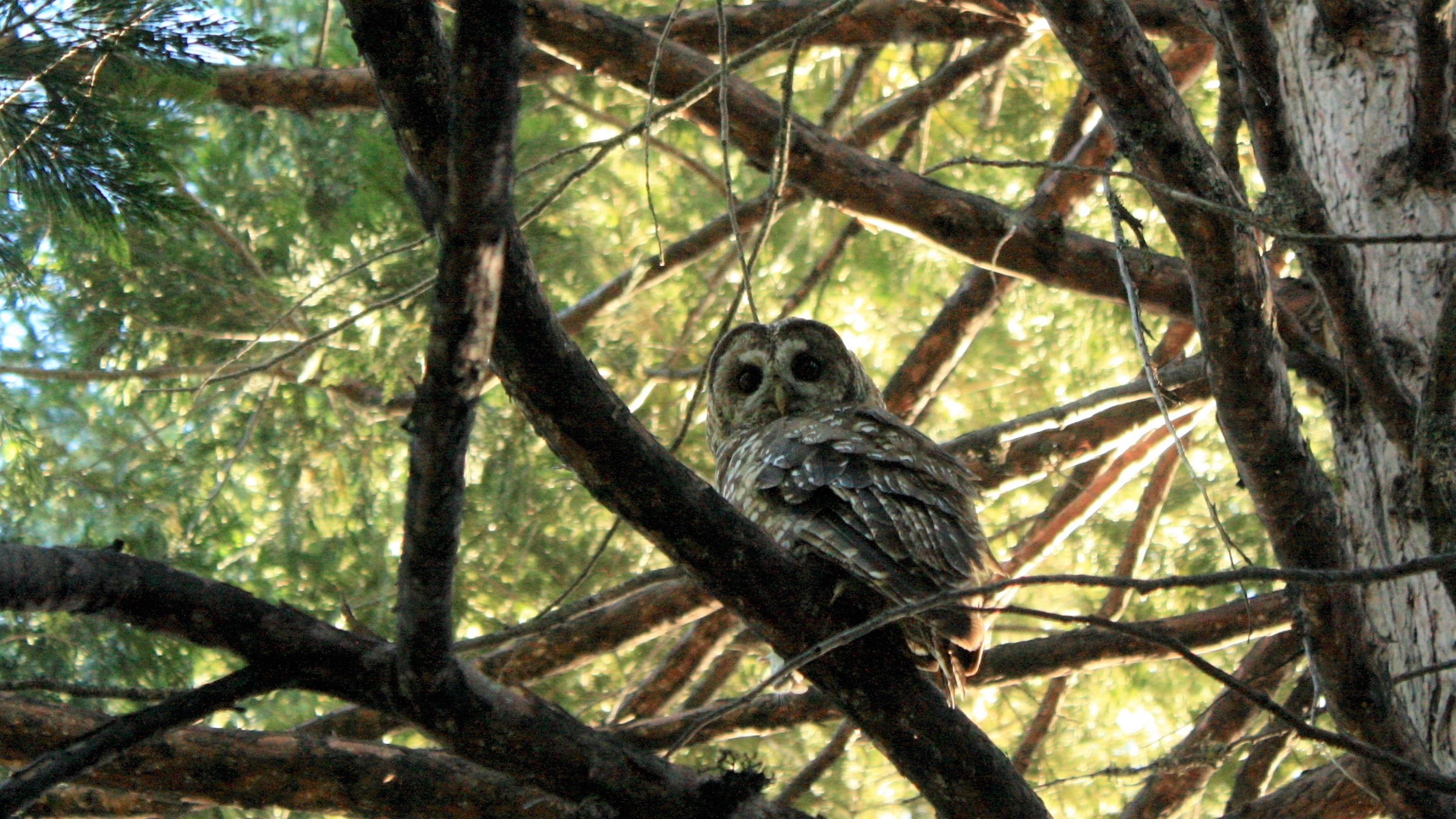
In the vast tapestry of wildlife conservation, few creatures have emerged as potent symbols quite like the spotted owl. Cloaked in mottled feathers that mirror the dappled sunlight of its ancient forest home, this elusive raptor has transcended its biological identity to become an emblem of modern ecological struggles, cultural values, and environmental hope. Its story is not merely one of survival; it is a narrative woven through the complexities of habitat preservation, scientific advocacy, and the broader discourse on humanity’s relationship with nature. The significance of the spotted owl resonates beyond biology, permeating art, policy, and collective consciousness in ways that reflect the pressing challenges of our age.
The Spotted Owl: A Flagship Species in Conservation
The spotted owl occupies a distinguished place among conservation’s “flagship species” — charismatic animals used to galvanize public interest and political will for environmental causes. Its dependence on old-growth forests, some of the most endangered and ecologically rich ecosystems in North America, positions it as an unequivocal indicator of forest health. Recognizing this intrinsic link, conservationists have embraced the spotted owl as a bellwether species, highlighting the intricate interplay between biodiversity and habitat integrity. Through its fragile presence, the owl underscores the urgency of preserving contiguous tracts of ancient woodland, which harbor countless other organisms equally dependent on these environments.
This status as a flagship species infuses the spotted owl with symbolic gravitas. It embodies the broader struggle against habitat fragmentation and environmental degradation. Efforts to protect its dwindling territories have catalyzed legislative milestones and shaped forest management practices, prompting debates that intersect ecological preservation with economic interests. Here, the spotted owl represents more than itself; it is the sentinel of wilderness, an avatar through which society confronts issues of sustainability and ethical stewardship.
Cultural Resonance and Symbolism of the Spotted Owl
The symbolism of the spotted owl extends deeply into cultural and philosophical realms. Across indigenous traditions and emerging environmental ethicists alike, owls have long represented wisdom, mystery, and a connection to the natural world beyond human dominion. The spotted owl, with its ghostly calls echoing through mist-laden forests, has acquired a layered significance as a creature not only threatened but also mystically linked to forest lifeforce.
Beyond indigenous folklore, the spotted owl has filtered into popular and environmental culture as a symbol of fragility and resilience. It evokes an emotional response—an almost reverential concern—that transcends scientific data. This emotional connectivity fosters a collective empathy, nurturing a stewardship ethos that fuels volunteerism, public activism, and grassroots conservation campaigns. In art and media, the spotted owl often appears as a muse, emblematic of nature’s quiet endurance amid human encroachment, and inspiring narratives of hope and renewal.
Legal and Ecological Challenges in Spotted Owl Conservation
The fight to conserve the spotted owl is rife with legal intricacies and ecological dilemmas. Listed under the Endangered Species Act, the owl’s plight has precipitated landmark court cases and policy shifts. Balancing the needs of the owl with industrial activities such as logging reveals the convoluted tensions between conservation imperatives and economic livelihoods. This dynamic highlights the complexity endemic to modern environmental management — where ecological science must coexist with social and economic realities.
Ecologically, the spotted owl’s specific habitat requirements—particularly the necessity of old-growth forests with ample canopy cover and rich biodiversity—complicate conservation efforts. The species’ low reproductive rate and sensitivity to habitat disturbance elevate the stakes, making natural recovery elusive without stringent protections. Compounding these difficulties is competition from invasive species, notably the barred owl, which threatens not only the spotted owl’s territory but also its survival through hybridization and resource displacement. Managing these challenges demands adaptive strategies, informed by rigorous scientific research and community engagement alike.
Spotted Owl Conservation in the Age of Climate Change
The inexorable march of climate change casts a new shadow over the spotted owl’s symbolic resonance. As shifting temperature and precipitation patterns alter forest composition and health, the owl’s habitat faces unprecedented stressors. Increasing forest fires, pest outbreaks, and droughts undermine the very old-growth ecosystems essential to the owl’s survival. Consequently, the spotted owl now symbolizes not only threatened biodiversity but also the broader climate crisis confronting forests worldwide.
Conservation initiatives oriented toward the spotted owl increasingly integrate climate resilience and ecosystem restoration, striving to enhance habitat connectivity and promote forest regeneration. These endeavors epitomize the proactive mindset necessary to meet twenty-first century ecological challenges. Thus, the spotted owl’s presence in modern conservation symbolism encapsulates a forward-looking vision — one seeking harmony between natural adaptation and human intervention.
Public Engagement and Educational Outreach
An integral facet of the spotted owl’s role in conservation lies in education and public engagement. The species serves as a powerful narrative tool in environmental education, bringing alive the abstract concepts of ecosystem interdependence and species vulnerability to people of all ages. Documentaries, educational programs, and community science projects leverage the owl’s iconic status to nurture environmental literacy and foster direct involvement in habitat protection.
Through citizen science initiatives, volunteers contribute vital data on owl sightings and habitat conditions, transforming passive observers into active conservation participants. This democratization of science not only augments research capacity but also deepens public commitment to environmental causes. Moreover, storytelling centered around the spotted owl humanizes conservation, connecting distant ecological issues to tangible outcomes in local communities.
The Spotted Owl’s Enduring Legacy in Conservation Philosophy
Above all, the spotted owl embodies a profound lesson in humility and reciprocity within conservation philosophy. It challenges anthropocentric perspectives by revealing our vulnerability to the health of ecosystems beyond our control. Its fate prompts critical reflection on the ethics of resource exploitation and the necessity of maintaining wild places for future generations.
The owl’s legacy reverberates in the evolving paradigms of conservation — from fortress preservationism to more holistic, inclusive approaches that recognize human communities as integral to ecosystem resilience. It inspires a conservation ethic that embraces complexity, uncertainty, and interconnection, urging society to transcend simplistic solutions in favor of nuanced stewardship.
As a symbol, the spotted owl remains a timeless sentinel. Not solely a species at risk, it is a beacon illuminating the path toward coexistence, ecological mindfulness, and enduring reverence for the natural world.
