The silent sentinels of the night, owls, have long captivated human imagination with their enigmatic gaze and stealthy flight. Yet beyond their cultural mystique lies a pressing ecological imperative: the preservation of these nocturnal raptors is not merely a matter of sentiment but a cornerstone of biodiversity. Corporate sponsorship has emerged as a transformative force in owl conservation, bridging the gap between financial constraints and conservation milestones. This article delves into the multifaceted role of corporate partnerships, exploring how they fuel research, habitat restoration, and public engagement—each a vital thread in the tapestry of owl conservation success.
The Financial Lifeline: How Corporate Funding Breathes Life into Conservation Efforts
At the heart of every conservation triumph lies a robust financial backbone, and corporate sponsorship provides precisely that. Unlike traditional grant systems, which often come with bureaucratic delays, corporate funding offers agility—quick disbursement of capital to address urgent threats like habitat fragmentation or pesticide exposure. Companies, particularly those in agriculture or forestry, recognize that healthy ecosystems directly benefit their operations. A single sponsorship can underwrite the deployment of GPS trackers on barn owls, revealing migratory patterns that inform land-use policies. The ripple effect is profound: corporate dollars translate into data, which in turn shapes legislation, ensuring owls thrive not just in reserves but across entire landscapes.
Innovative Partnerships: When Tech Titans and Conservationists Collide
The fusion of technology and conservation has birthed some of the most audacious owl protection initiatives. Corporate sponsors in the tech sector have revolutionized tracking, using AI-powered camera traps to monitor owl nests in real time. These devices, often donated by companies with a vested interest in environmental AI, capture behaviors previously invisible to researchers—from nocturnal hunting rituals to fledgling survival rates. Beyond hardware, software giants sponsor open-source platforms where citizen scientists upload owl sightings, creating a global database that informs conservation strategies. Such collaborations exemplify how corporate ingenuity can elevate conservation from localized efforts to a global movement, where every click and code contributes to a larger narrative of survival.
Habitat Restoration: Corporate Hands Shaping the Future of Forests and Fields
Owls are sentinels of ecological health, their presence or absence a barometer for entire ecosystems. Corporate sponsorship has become a catalyst for large-scale habitat restoration, particularly in regions where industrial activity has left scars on the land. Logging companies, for instance, have funded the creation of artificial nest boxes in deforested areas, providing owls with sanctuaries while forests regenerate. Similarly, agricultural corporations sponsor the planting of native vegetation along field edges, restoring the prey base that owls depend on. These initiatives are not mere philanthropy; they are strategic investments in ecosystem resilience, ensuring that owls—and the biodiversity they support—can endure in perpetuity. The result? Thriving owl populations that, in turn, control rodent pests, reducing the need for chemical interventions and benefiting corporate bottom lines.
The Power of Storytelling: Corporate Campaigns That Turn Owls into Icons
Conservation is as much about hearts as it is about habitats, and corporate storytelling has the power to ignite public passion. Brands that sponsor owl conservation often craft campaigns that transcend traditional advertising, weaving narratives around these birds’ intelligence, adaptability, and ecological significance. A luxury watchmaker might feature an owl in its “Timeless Nature” series, linking the bird’s nocturnal precision to the brand’s craftsmanship. Meanwhile, a beverage company could launch a limited-edition “Owl Reserve” blend, with proceeds funding nest box installations. These campaigns do more than raise funds; they foster a cultural connection to owls, transforming them from obscure creatures into beloved symbols of wilderness. The emotional resonance of such stories ensures that conservation remains a priority long after the initial sponsorship ends.
Community Engagement: Corporate Initiatives That Empower Local Stewards
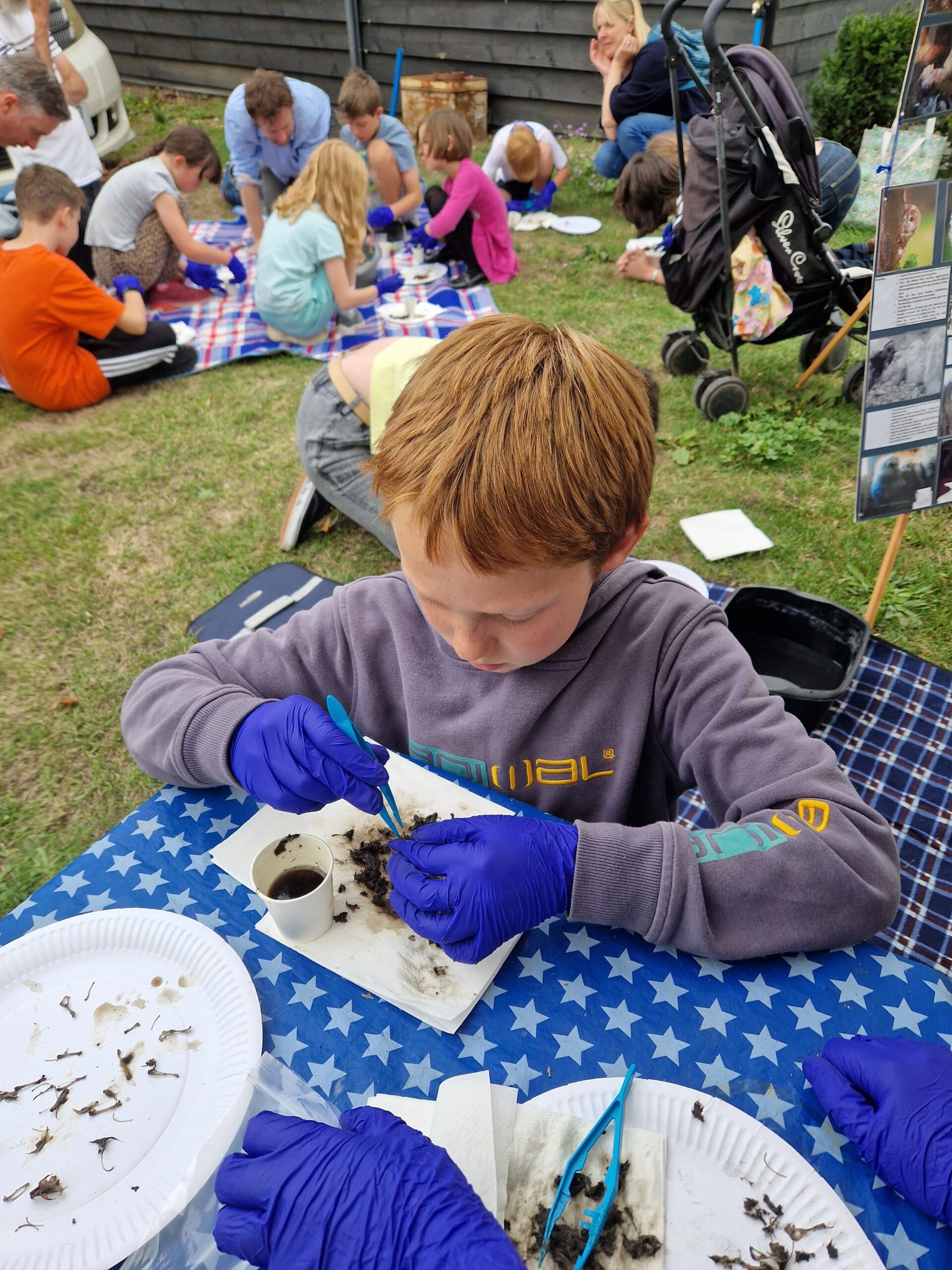
True conservation thrives when local communities are active participants, not passive beneficiaries. Corporate sponsors have pioneered programs that integrate owl protection into regional economies, creating jobs and educational opportunities. In rural areas, companies fund “Owl Guardian” initiatives, where locals monitor nest sites and report threats, receiving stipends for their efforts. Educational partnerships with schools introduce students to owl ecology through interactive workshops, sponsored by corporations committed to nurturing the next generation of conservationists. These programs do more than protect owls; they cultivate a sense of ownership and pride, ensuring that conservation efforts are sustainable and deeply rooted in the communities that share the land with these birds.
Policy Influence: How Corporate Advocacy Shapes Protective Legislation
The most enduring conservation victories are those enshrined in law, and corporate sponsors play a pivotal role in advocating for such protections. Companies with sustainability commitments often lobby for policies that safeguard owl habitats, from stricter pesticide regulations to expanded protected areas. A renewable energy firm, for example, might push for “no-go zones” around owl nesting sites during wind farm construction, balancing green energy goals with wildlife preservation. These corporate voices amplify the work of conservation scientists, ensuring that data-driven recommendations translate into tangible legal protections. The result is a regulatory environment where owls are not just tolerated but prioritized—a testament to the power of corporate influence when wielded responsibly.
Measuring Impact: The Science of Corporate Conservation Success
What gets measured gets managed, and corporate sponsors are increasingly turning to rigorous metrics to assess their conservation investments. From population growth rates to habitat connectivity indices, data-driven evaluations ensure that sponsorships yield measurable outcomes. A pharmaceutical company funding owl research might track the reduction in rodent-borne diseases as a direct result of owl population recovery. Meanwhile, a real estate developer could use occupancy rates of artificial nest boxes to demonstrate the success of its habitat restoration efforts. These metrics not only justify corporate expenditures but also provide a blueprint for scaling successful initiatives. The lesson is clear: when sponsorships are coupled with science, conservation becomes not just an act of goodwill but a strategic imperative.
Challenges and Criticisms: Navigating the Complexities of Corporate Conservation
Despite its promise, corporate sponsorship in conservation is not without controversy. Critics argue that some partnerships risk “greenwashing,” where companies use owl conservation as a veneer to distract from environmentally harmful practices. Others caution against over-reliance on corporate funding, which can create dependencies that undermine public-sector conservation efforts. Ethical dilemmas also arise when corporate interests clash with ecological needs—for instance, a mining company sponsoring owl research while simultaneously expanding operations into critical habitats. Addressing these challenges requires transparency, third-party audits, and a commitment to aligning corporate goals with genuine conservation outcomes. The path forward demands vigilance, ensuring that sponsorships serve as bridges, not barriers, to true ecological stewardship.