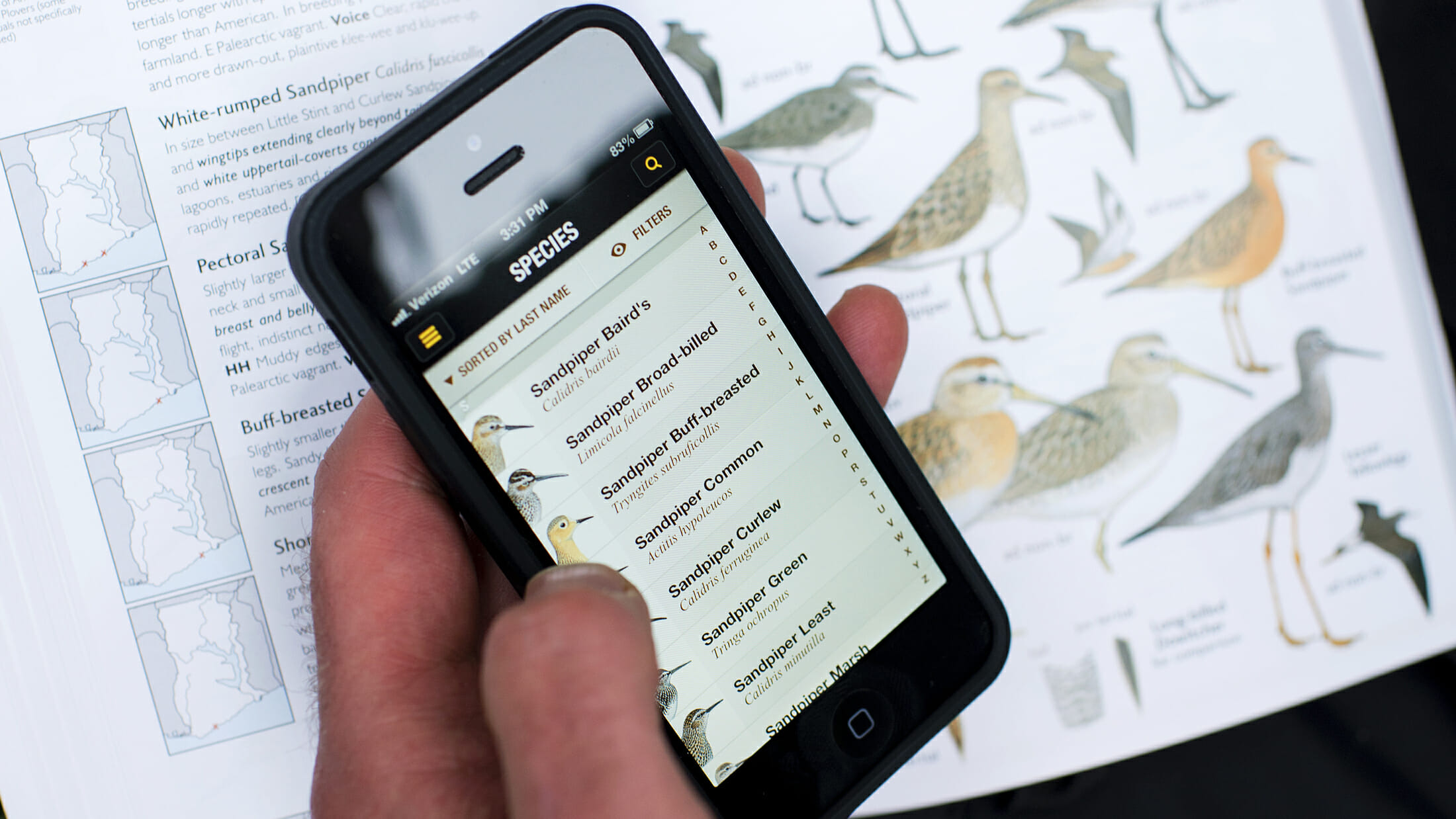
In the quiet depths of dense forests, the elusive Spotted Owl weaves its mysterious presence into the tapestry of North American wildlife. Birdwatchers and conservationists alike have long been captivated by this elusive raptor, renowned not only for its distinctive spotted plumage but also for its role as an indicator species in old-growth forest ecosystems. The pursuit of observing and understanding these owls has undergone a profound transformation with the integration of birding apps—a fusion of technology and nature that expands horizons and deepens engagement. This article delves into the multifaceted role birding apps play in Spotted Owl watching, illuminating the array of content and tools at an enthusiast’s fingertips.
Real-Time Sightings and Location Data
At the heart of many birding apps lies the invaluable function of real-time sighting logs. Enthusiasts can access and contribute to dynamic databases that map Spotted Owl appearances with astounding precision. These records, often updated within minutes, represent a living atlas of owl activity that can guide watchers toward likely habitats. Unlike traditional static field guides, apps collate crowd-sourced observations from a global network, amalgamating expert input and casual encounters alike. The result is a vivid and evolving snapshot of Spotted Owl distribution, crucial for both casual birders and researchers strategizing fieldwork.
Moreover, sophisticated geospatial mapping interfaces offer nuanced visualizations—highlighting hot spots, migration corridors, and nesting areas within protected forests. By integrating GPS technology, users can navigate to these locations, minimizing disturbance to the owls’ sensitive habitats and reinforcing ethical birding practices.
Multimedia Identification Tools
Identification remains a cornerstone of successful Spotted Owl watching, and birding apps have revolutionized this facet through a rich trove of multimedia content. Users encounter high-resolution images showcasing the subtle variations in plumage, posture, and size that distinguish Spotted Owls from sympatric species like the Barred Owl. Detailed illustrations overlay anatomical specifics such as talon curvature and facial disk shape, aiding in field recognition under challenging light conditions.
Audio libraries further augment identification capabilities, offering a compendium of vocalizations—from plaintive hoots to territorial calls. These sound bites are meticulously curated and stratified by context, enabling users to discern not only species identity but behavioral states. The integrated pitch analysis and playback speed features allow for granular examination of owl calls, transforming novices into adept listeners attuned to the forest’s nocturnal symphony.
Behavioral Insights and Ecological Context
Beyond mere identification, birding apps deepen the viewing experience by embedding rich behavioral and ecological narratives. Interactive modules elucidate the Spotted Owl’s life cycle—from courtship rituals and nesting habits to fledgling development and territorial defense. These insights foster empathetic understanding, emphasizing the owl’s reliance on complex old-growth forest ecosystems and the pernicious effects of habitat fragmentation.
Many apps incorporate up-to-date conservation status information, highlighting threats such as competition with invasive species and climate change repercussions. This content is often synthesized from scientific literature, presented in digestible infographics and accessible prose, promoting awareness and stewardship among the birding community.
Community Engagement and Citizen Science Integration
Modern birding apps transcend solitary observation by cultivating vibrant communities of owl watchers, researchers, and conservation advocates. Through in-app forums, social feeds, and live chat functionalities, users exchange sightings, discuss identification challenges, and collaborate on conservation initiatives. This social dimension nurtures collective learning and fosters a shared commitment to Spotted Owl preservation.
Crucially, apps serve as powerful platforms for citizen science contribution. Users can submit verified sighting reports and multimedia documentation directly to databases utilized by conservation organizations and government agencies. This crowdsourced data underpins monitoring programs and informs habitat management decisions, exemplifying how amateur enthusiasm can translate into tangible ecological benefits. Leaderboards, achievement badges, and participatory challenges gamify this engagement, motivating sustained involvement.
Personalized Learning and Adaptive Content
Recognizing the diverse expertise levels among birders, many apps employ adaptive learning algorithms that tailor content to individual progress. Beginners might receive foundational tutorials on owl anatomy and habitat recognition, while seasoned watchers access advanced modules on niche behaviors and data interpretation. Interactive quizzes, virtual field guides, and augmented reality experiences enrich the educational journey, creating immersive environments that simulate authentic Spotted Owl encounters.
This customization ensures that each user’s engagement remains stimulating and informative, bridging the gap between casual hobbyist and dedicated naturalist. The integration of push notifications about local owl activity and relevant seasonal events keeps users connected to unfolding avian phenomena throughout the year.
Practical Field Tools and Safety Features
Beyond educational content, birding apps equip watchers with practical tools tailored for field expeditions. Digital notebooks enable seamless note-taking, tagging, and photo annotation to document individual encounters. Weather widgets provide real-time forecasts essential for planning visits to often remote and temperamental forest environments.
Safety is paramount when venturing into rugged owl habitats. Many apps incorporate emergency contact features, GPS tracking for sharing location with trusted contacts, and push alerts about forest conditions or regulatory restrictions. These additions foster responsible birding, ensuring that the thrill of spotting Spotted Owls is balanced with personal well-being and habitat conservation.
Conclusion: A Transformative Confluence of Nature and Technology
Birding apps stand at the nexus of technological innovation and the timeless allure of the Spotted Owl. They enrich the experience through diverse, nuanced content that caters to varied needs—real-time data, multimedia identification, ecological knowledge, community connection, personalized learning, and practical field assistance. In embracing these digital tools, watchers deepen their bond with one of the forest’s most enigmatic denizens, while simultaneously advancing collective understanding and conservation efforts. The silent wings of the Spotted Owl now echo louder through the networks of passionate birders, empowered by apps that amplify both knowledge and reverence for the wild.