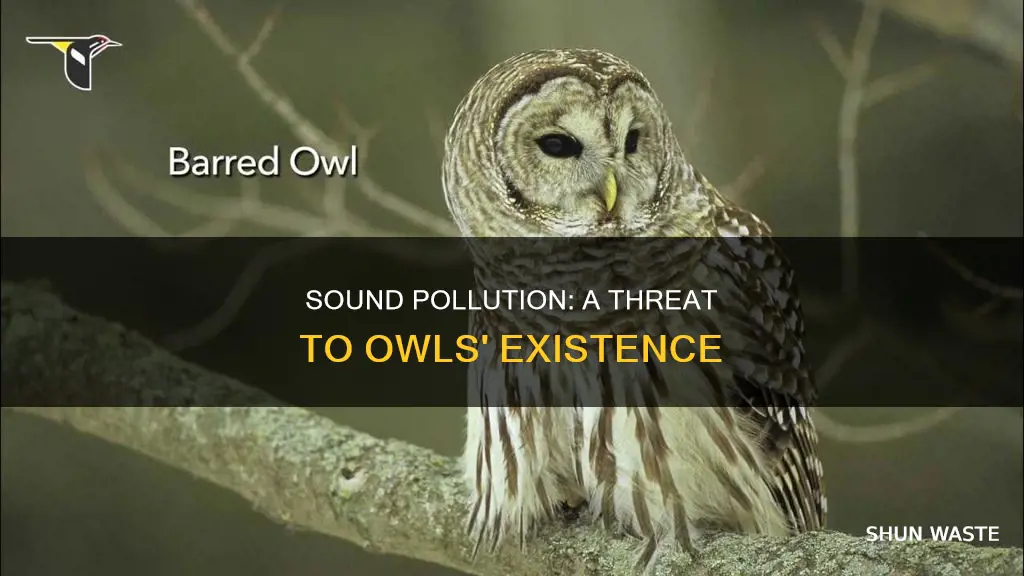
In the hushed embrace of twilight, where the world blurs between day and night, owls reign as silent sentinels of the nocturnal realm. Their piercing gaze, adapted to the faintest glimmers of moonlight, has long symbolized wisdom and mystery. Yet, beneath this cloak of enigma lies a fragile existence, increasingly threatened by an insidious intruder: pollution. From the cacophony of urban sprawl to the silent seep of chemical toxins, the reproductive success of these enigmatic birds is under siege. The consequences ripple through ecosystems, unraveling the delicate tapestry of biodiversity. To understand this crisis is to peer into the heart of nature’s resilience—and its fragility.
The Acoustic Onslaught: How Noise Pollution Disrupts Courtship and Nesting
Owls are creatures of precision, their survival hinging on acute auditory perception. The haunting hoots of a male barn owl, once a serenade to the night, now often drowns beneath the relentless drone of traffic, construction, and industrial machinery. Studies reveal that anthropogenic noise doesn’t merely mask communication—it alters the very frequency and duration of calls, rendering them ineffective. Female owls, tasked with selecting a mate based on the quality of his vocal performance, may overlook superior genetic matches in favor of males whose calls pierce the auditory smog. Nesting sites, too, become battlegrounds; the cacophony disrupts the synchrony of incubation, leaving eggs vulnerable to predation or abandonment. In urbanized landscapes, some owl species have resorted to shifting their breeding seasons, a desperate adaptation that may not align with food availability. The result? A generational decline in reproductive output, where fewer chicks fledge, and populations dwindle like embers in the wind.
The Invisible Scourge: Chemical Pollutants and Their Reproductive Toll
Beneath the feathered exterior of an owl lies a labyrinth of physiological processes, finely tuned by evolution. Yet, the modern world has introduced a cocktail of pollutants—pesticides, heavy metals, and endocrine disruptors—that infiltrate the food chain with devastating precision. Organochlorine compounds, such as DDT’s lingering metabolites, accumulate in the fatty tissues of prey like rodents. When an owl consumes contaminated meals, these toxins are mobilized during egg formation, leading to eggshell thinning—a phenomenon that once spelled near-extinction for raptors. Even sublethal exposure wreaks havoc: reduced fertility, impaired sperm motility, and developmental abnormalities in chicks. Mercury, another silent predator, bioaccumulates in fish-eating owls, disrupting hormone levels and causing neurological deficits in offspring. The irony is stark: the same chemicals that once promised agricultural bounty now erode the reproductive vitality of the very predators that maintain ecological balance.
Light Pollution: The Disorientation of Nocturnal Courtship
The encroachment of artificial light into the night is a relatively recent phenomenon, yet its impact on owl reproduction is profound. Nocturnal species rely on the moon’s and stars’ faint glow to synchronize their breeding cycles. Streetlights, neon signs, and urban glow create a disorienting mirage, tricking owls into mistaking dawn for dusk—or worse, disrupting their circadian rhythms entirely. Some species, like the Eastern screech-owl, exhibit delayed nesting when exposed to prolonged artificial illumination. Others, such as the burrowing owl, abandon cavities near illuminated areas, leaving their young exposed to predators. The phenomenon extends beyond behavior: prolonged light exposure can suppress melatonin production, a hormone critical for reproductive readiness. In this luminous chaos, owls are not merely losing their night— they are losing their future.
Plastic and Microfibers: The Silent Strangulation of Habitat
While the focus often rests on chemical and noise pollution, the insidious creep of plastic waste into owl habitats is a growing crisis. Discarded fishing nets, synthetic ropes, and microplastic-laden soil entangle fledglings, impairing mobility and feeding. Adults, too, fall victim to entanglement or ingest microplastics, which leach toxins and disrupt gut microbiomes essential for nutrient absorption. Even the humble nest lining, once a sanctuary of natural fibers, now bristles with synthetic debris. Owls, meticulous in their nest construction, may inadvertently weave plastic into their brooding chambers, creating environments that foster fungal growth or trap moisture—both lethal to developing eggs. The result is a slow, suffocating decline, where the very materials designed to outlast nature become instruments of its erosion.
Climate Change: The Unseen Architect of Reproductive Collapse
Pollution and climate change are inextricably linked, their combined effects creating a perfect storm for owl reproduction. Rising temperatures skew the availability of prey, forcing owls to expend energy searching for food rather than courting or incubating. In boreal forests, melting permafrost releases ancient pollutants like PCBs, which re-enter the food web with renewed vigor. Droughts, exacerbated by industrial emissions, shrink wetlands critical for waterfowl-eating species like the snowy owl. Meanwhile, erratic weather patterns disrupt the synchrony between hatching and peak prey abundance—a mismatch that leaves chicks starving. The Arctic, once a bastion of stability for cold-adapted owls, now faces a precarious future where even the most resilient species struggle to adapt. Climate change doesn’t just alter the environment; it rewrites the rules of survival.
Conservation in the Anthropocene: Pathways to Recovery
Despite the grim prognosis, hope flickers in the form of targeted conservation strategies. Quiet corridors—strips of undisturbed habitat along roadsides—have shown promise in restoring owl vocal communication and nesting success. Banning persistent organic pollutants and promoting organic farming reduce chemical burdens, while nest box programs provide safe alternatives to degraded habitats. Light pollution mitigation, through shielded fixtures and motion-activated lighting, offers a reprieve for nocturnal courtship. Community-led cleanups remove plastic debris from critical habitats, and citizen science initiatives track owl populations, ensuring data-driven interventions. The key lies in recognizing that owls are not mere indicators of environmental health—they are keystone species, their decline a harbinger of ecosystem collapse. Protecting their reproductive success is not just an act of preservation; it is a lifeline for the intricate web of life they uphold.