As winter descends upon the northern realms, an extraordinary natural phenomenon captivates the eyes and hearts of nature enthusiasts and scientists alike: the irruptions of the Snowy Owl. These majestic, ghostly birds, cloaked in ivory plumage, do not follow the regular ebb and flow of migration but instead embark on enigmatic expeditions far beyond their Arctic breeding grounds. Their unpredictable journeys signal more than just a seasonal spectacle—they offer a profound reflection on the fragility of Arctic ecosystems and the burgeoning urgency surrounding Arctic conservation. Within the delicate dance of snowy wings lies a narrative that promises to shift our collective perspective and ignite a deeper curiosity about the future of one of Earth’s most vulnerable frontiers.
 Amanda Graves
The Owl in Video Games: Characters and Inspirations
What is it about owls that captivates game designers and players alike? These enigmatic creatures, cloaked in silent wings and ancient wisdom, have flitted through the pixelated realms of video games for decades. Yet, one might wonder: can the quiet majesty of an owl truly translate into the vibrant, action-packed worlds of gaming? Or does it pose a unique creative challenge that pushes developers to weave deeper layers of symbolism and character into their designs?
The Role of eDNA in Detecting Barred and Spotted Owl Populations
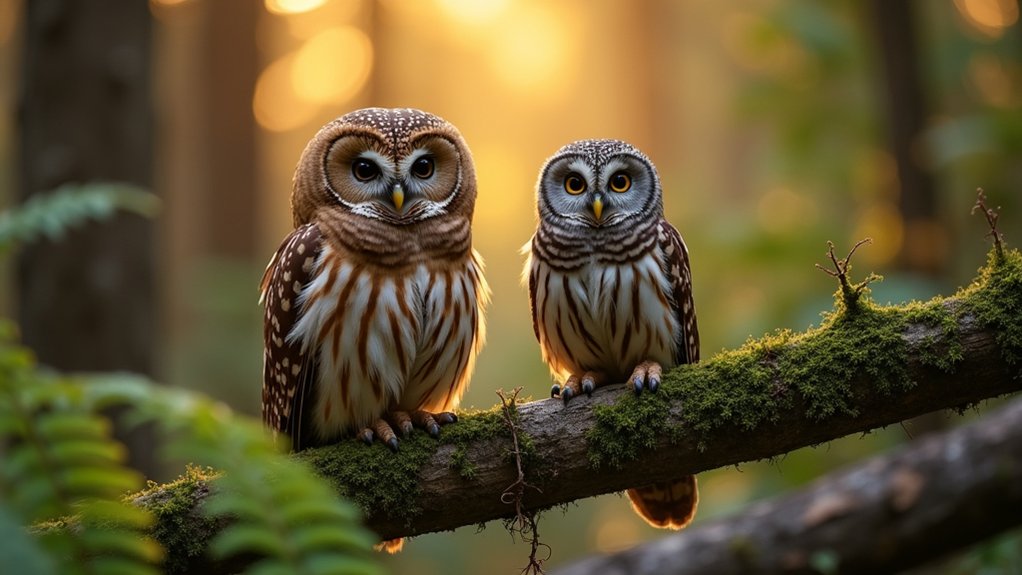
The enigmatic presence of owls has long fascinated naturalists and bird enthusiasts alike. Among the most captivating subjects of ornithological study are the Barred Owl and the Spotted Owl, two species whose ecological narratives are intertwined yet distinct. Detecting and monitoring their populations pose significant challenges, hindered by their elusive behaviors and often dense, forested habitats. Enter environmental DNA (eDNA) — a transformative tool poised to revolutionize how conservationists and researchers track these remarkable birds. This article delves into the multifaceted role of eDNA in unearthing the mysteries surrounding Barred and Spotted Owl populations, illuminating the science, methodologies, and implications of this cutting-edge approach.
The Impact of Sustainable Living on Owl Habitats
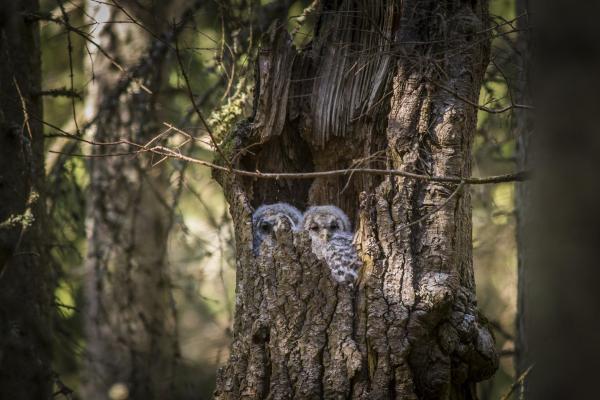
In the quiet hush of twilight, when the world slows its frenetic pace, owls take flight—silent sentinels of the night, gliding through ecosystems that have sustained them for millennia. Yet, these enigmatic creatures face an unprecedented threat: the erosion of their habitats by human hands. Sustainable living isn’t just a buzzword; it’s a lifeline for species like owls, whose survival hinges on the delicate balance of their environments. From the dense canopies of old-growth forests to the whispering grasslands of the prairie, every habitat owls call home is under siege by deforestation, urban sprawl, and industrial agriculture. But here’s the promise: by embracing sustainable practices, we don’t just protect owls—we safeguard the intricate web of life they represent. This is the story of how our choices ripple through ecosystems, and why sustainable living is the most profound act of conservation we can undertake.
The Impact of Light Pollution on Nocturnal Owl Hunting
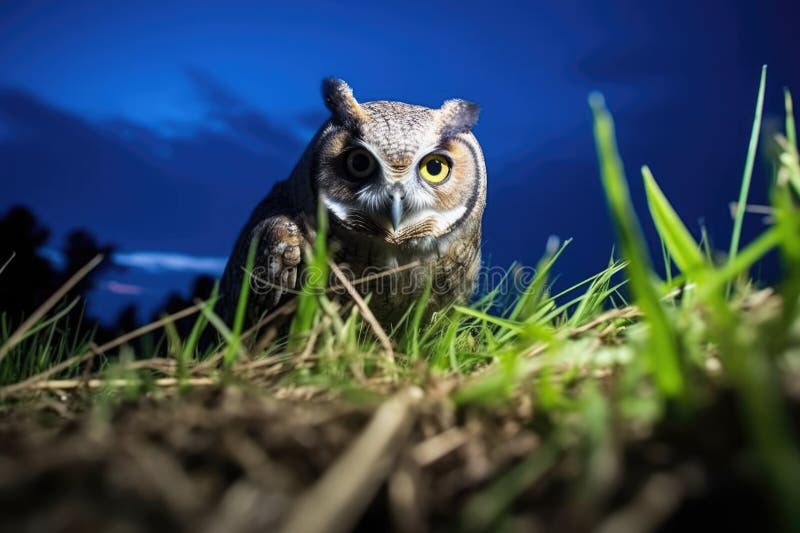
The night is not merely the absence of light—it is a realm of whispered secrets, where the boundaries between silence and sound blur into a symphony of survival. Among the most enigmatic performers in this nocturnal orchestra are owls, those silent sentinels of the dark, whose hunting prowess has captivated human imagination for millennia. Yet, as the glow of urban sprawl encroaches upon the once-pristine darkness, a silent predator stalks the skies: light pollution. This insidious infiltration of artificial luminescence doesn’t just dim the stars—it reshapes the very fabric of nocturnal ecosystems, altering the hunting grounds of these feathered phantoms in ways both subtle and profound.
How Would Owl Habitats Change If All Forests Were Protected?
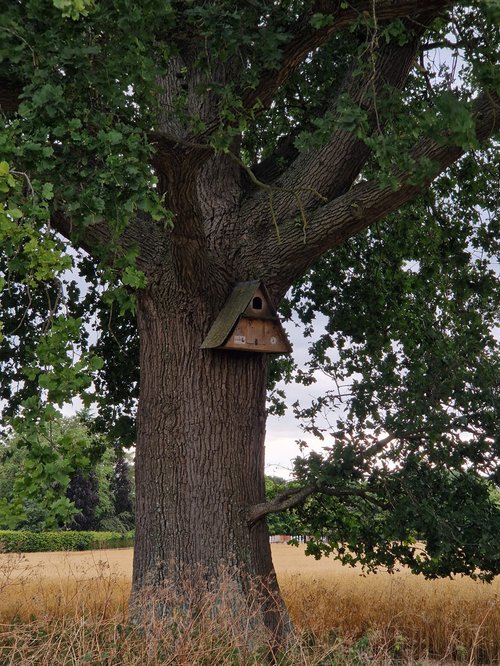
Imagine a world where every forest, from the dense canopies of the Pacific Northwest to the ancient woodlands of Europe, stands inviolate—untouched by saw, blade, or fire. In this untarnished sanctuary, the delicate ballet of ecosystems unfolds unperturbed, echoing the primordial harmony of nature. Central to this natural symphony are the owls: silent sentinels of the night, whose survival and thriving intricately intertwine with the fate of these forests. But what transformations would these enigmatic avians witness in their habitats if all forests were safeguarded with unwavering commitment? This exploration promises not only a reimagining of landscapes but a profound shift in our perception of coexistence and ecological stewardship.
The Barred Owl Management Strategy: Lethal Removal to Save Spotted Owls
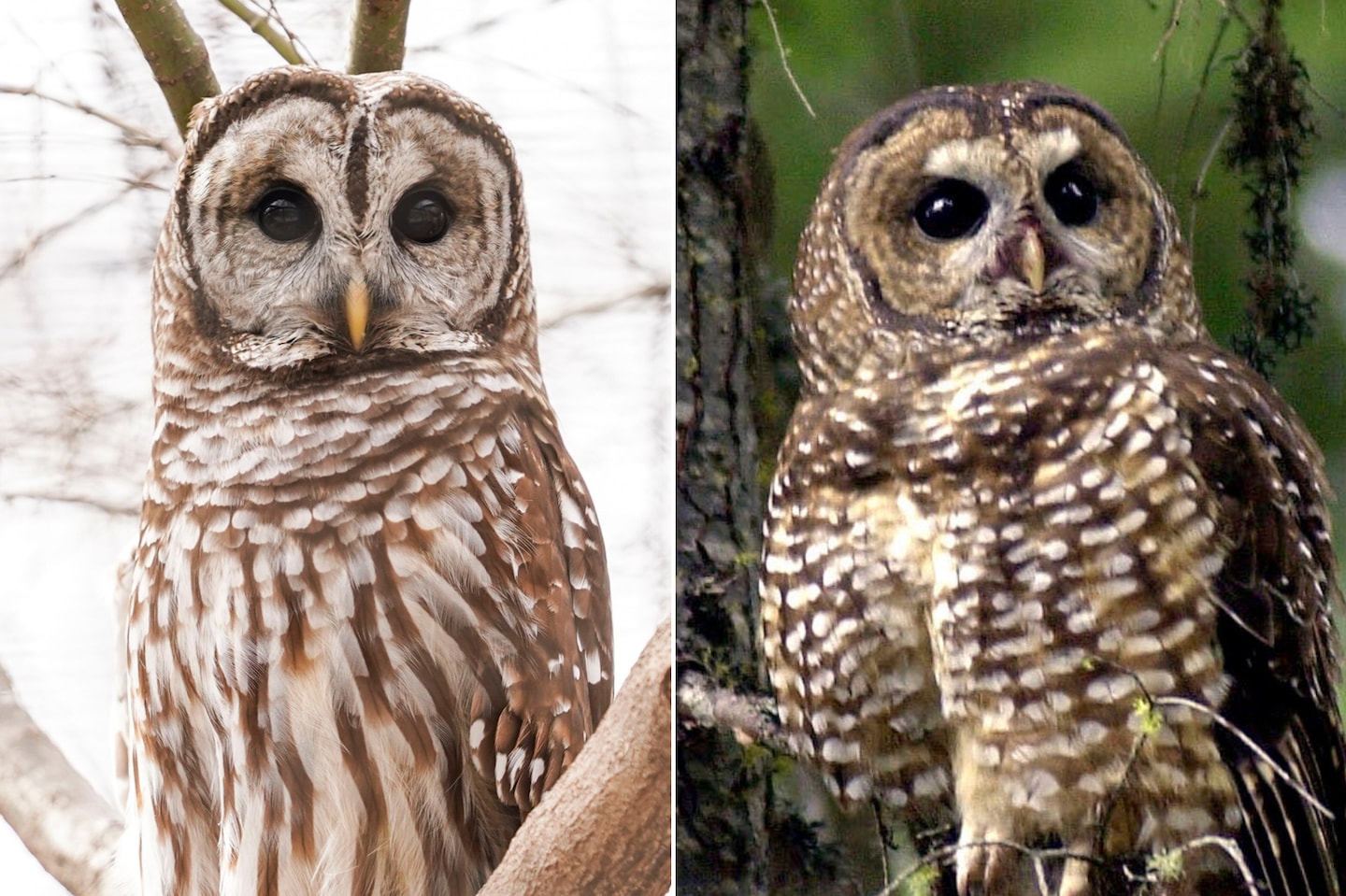
The natural world is a stage of relentless conflict and delicate balance, where every species plays a role in an intricate ecological tapestry. Yet, occasionally, the layers of this tapestry become untangled, and intervention becomes necessary—not to dominate, but to preserve. Such is the impetus behind the controversial barred owl management strategy, a bold and unorthodox approach involving the lethal removal of approximately 450,000 barred owls to rescue the imperiled spotted owl from extinction. This strategy invites a profound reconsideration of conservation ethics, species hierarchies, and humanity’s role as steward of the wild.
The Legal Battle Over Barred Owl Culling: Lawsuits Protests and Public Outcry
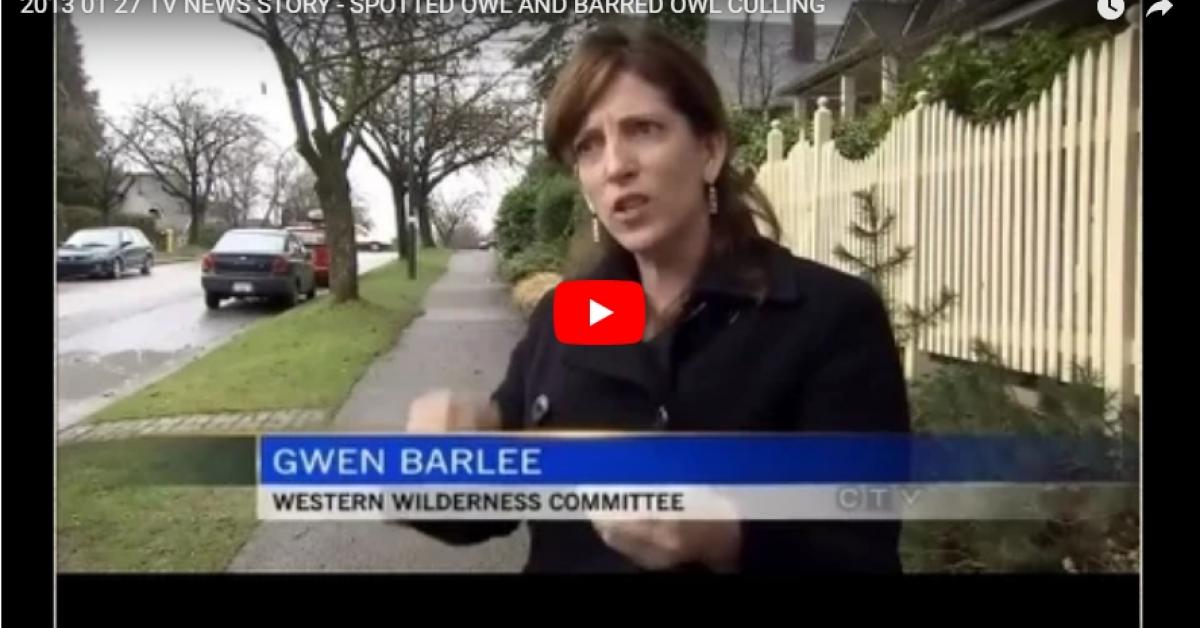
The ancient forests of the Pacific Northwest hum with secrets—whispers of barred owls’ hoots echoing through the canopy, while the ghostly silhouettes of spotted owls flit between the shadows. But beneath this serene facade, a storm brews. A legal tempest has erupted over the controversial practice of barred owl culling, a desperate measure to save the endangered spotted owl from extinction. What began as a scientific debate has spiraled into a clash of ethics, law, and public sentiment, with lawsuits flying, protests swelling, and emotions running high. This is not just a battle over birds; it is a collision of values, a reckoning with humanity’s role in the natural world.
How to Use Art and Creativity to Promote Owl Protection
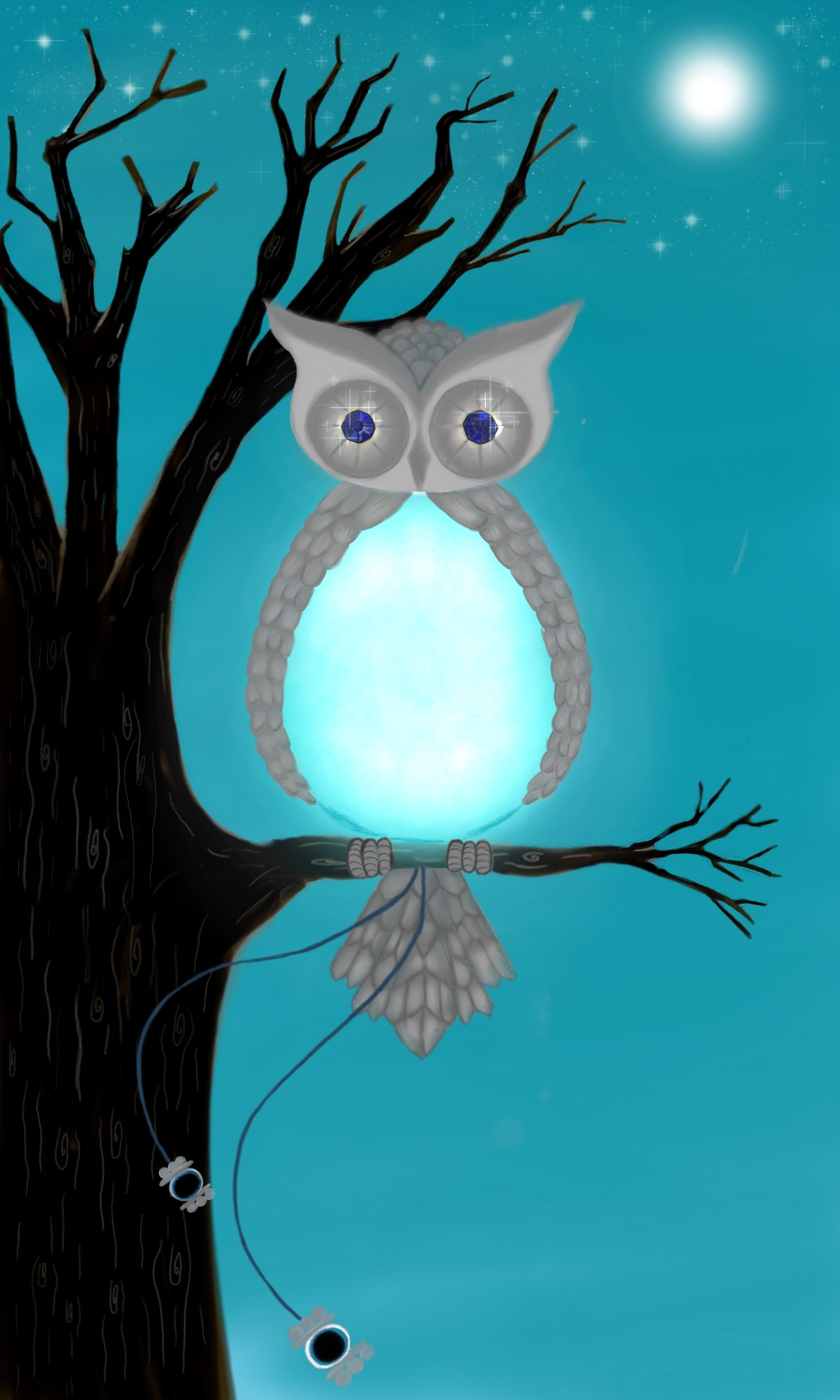
The owl, that enigmatic sentinel of the night, has long been a symbol of wisdom, mystery, and silent vigilance. Yet, in our modern world, these creatures face threats that are as silent as their flight—habitat destruction, pollution, and human encroachment. Art and creativity, however, possess the power to transcend mere aesthetics; they can become instruments of change, awakening empathy and inspiring action. By wielding creativity as a tool, we can transform the owl from a passive emblem into an active advocate for its own survival. This is not just about preserving a species; it’s about redefining our relationship with the natural world through the language of art.
Owls and Technology: How Innovations Are Aiding Conservation

Owls, enigmatic creatures of the night, have captivated human imagination for centuries. Their silent flight, piercing eyes, and haunting calls make them icons of mystery and wisdom. Yet, as natural habitats dwindle and environmental pressures escalate, these nocturnal predators face unprecedented challenges. In this era marked by rapid technological advancements, innovative tools and methods have emerged as beacons of hope for owl conservation. The synergy of biology and technology is reshaping how researchers and conservationists protect these elusive birds, unveiling secrets previously locked within the shadows. This article delves into the multifaceted role of technology in owl conservation, illuminating the diverse ways innovation is pioneering a brighter future for these majestic raptors.