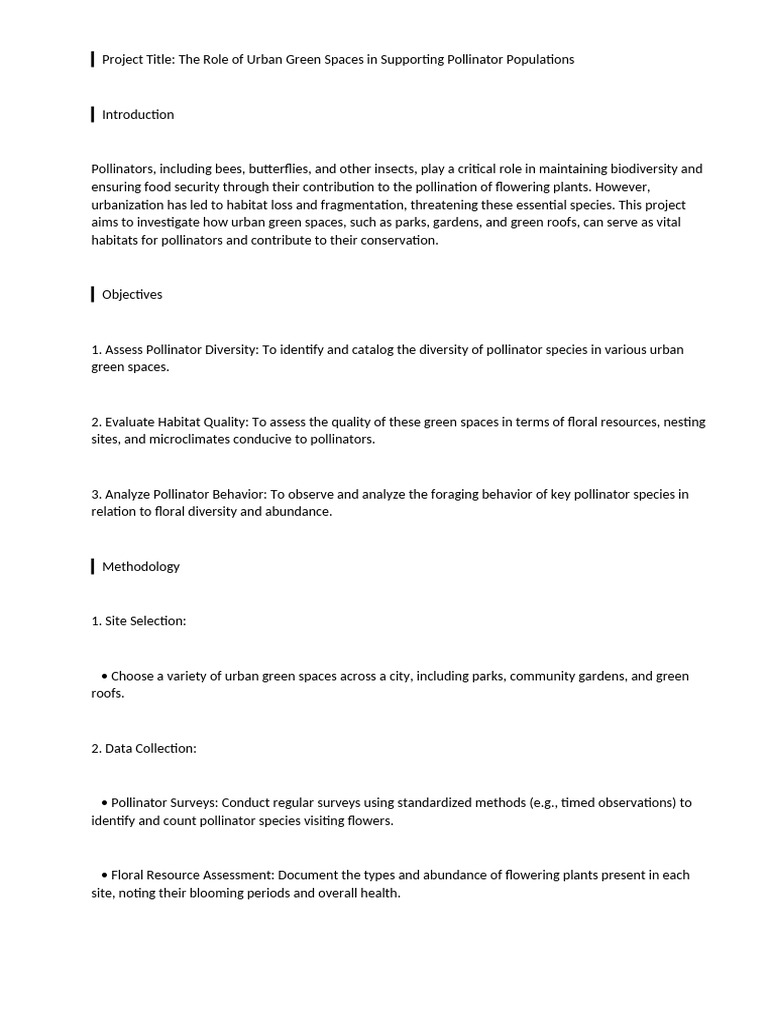
In the heart of our concrete jungles, where the hum of traffic drowns out the whispers of nature, a silent revolution is taking place. Urban green spaces—those pockets of wilderness nestled between skyscrapers and sidewalks—are not just aesthetic luxuries. They are lifelines. Not just for humans seeking respite, but for creatures we rarely pause to consider: owls. These nocturnal sentinels, with their piercing gaze and silent wings, are finding refuge in the unlikeliest of places. Their presence in our cities is not a fleeting anomaly but a testament to the resilience of nature, and a call to rethink how we design our urban landscapes.
 Amanda Graves
The Impact of Owls on Pollinator Populations: A Surprising Link

The night unfurls its velvet cloak, and with it arrives a silent sentinel of the skies—the owl. These feathered phantoms, with eyes like molten gold and feathers that whisper through the dark, are far more than mere harbingers of wisdom in folklore. They are ecological architects, sculptors of balance, whose presence ripples through the tapestry of life in ways both subtle and profound. Among their most unexpected roles is their influence on pollinator populations, a connection that weaves together the nocturnal and diurnal worlds in a dance of predation, protection, and preservation. This is not a tale of simple cause and effect, but a nuanced symphony where every note—every hoot, every silent wingbeat—shapes the survival of bees, butterflies, and beyond.
The Role of Influencers in Spreading Snowy Owl Conservation Messages
In the frozen expanse where Arctic winds sculpt the landscape, a silent sentinel watches over the tundra—the snowy owl. Its piercing gaze, a blend of wisdom and wildness, has captivated human imagination for centuries. Yet, this majestic creature faces escalating threats: habitat loss, climate change, and human encroachment. Enter the influencers—modern-day storytellers who wield digital megaphones to amplify conservation narratives. Their role transcends mere visibility; they are catalysts for empathy, education, and action. This is the story of how influencers are reshaping the dialogue around snowy owl conservation, one post, one story, one viral moment at a time.
Climate Models Predict: Where Will Snowy Owls Live by 2050?
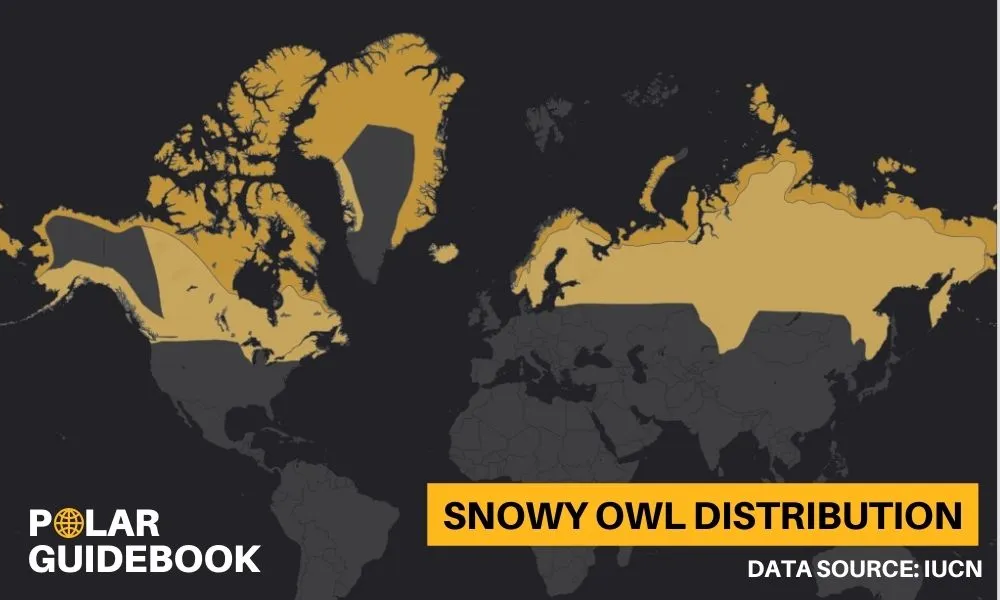
The Arctic tundra, a vast and windswept expanse of ice and snow, has long been the domain of the snowy owl—a creature of mythic endurance, its white plumage a whisper against the endless horizon. Yet, as the planet warms, this frozen kingdom is unraveling, and with it, the fate of one of nature’s most enigmatic predators. By 2050, climate models paint a starkly different map of the snowy owl’s world, one where the boundaries of its existence are redrawn by forces beyond its control. This transformation is not merely a shift in geography; it is a reckoning with the fragility of life in a world where human hands have tipped the scales of balance.
The Impact of Light Pollution on Nocturnal Owls
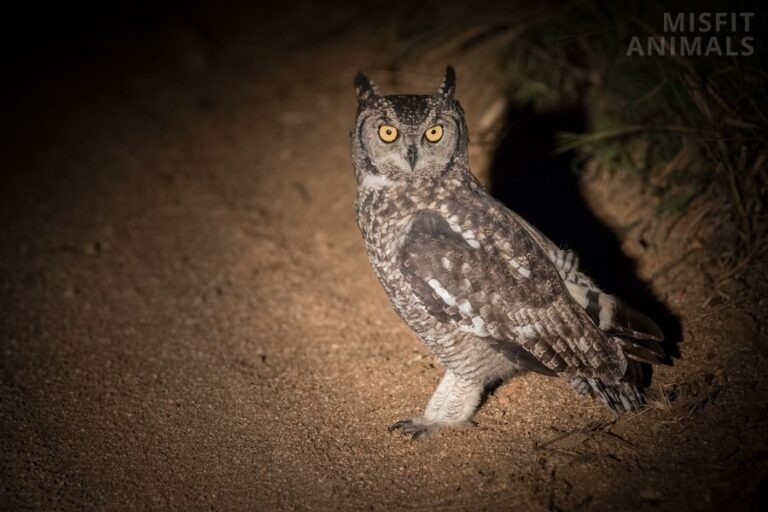
The night is not what it used to be. Once a realm of velvet darkness punctuated by the soft glow of stars, it has been steadily transformed into a stage bathed in artificial luminescence. This transformation, while seemingly benign, has set the stage for an unexpected drama—one that plays out in the silent wings of nocturnal owls. These enigmatic creatures, masters of the twilight, now navigate a world where the very fabric of night is altered. What happens when the guardians of the dark encounter an environment where darkness is no longer their ally? The answer is as complex as the night itself.
The Social Lives of Owls: Do They Form Communities or Stay Solitary?
The moon hangs low, a silver coin tossed into the velvet sky. Below, a tawny owl perches on a gnarled branch, its golden eyes reflecting the faintest starlight. It tilts its head, listening—not just to the rustle of leaves or the distant hoot of a rival, but to something deeper, something that stirs the very essence of its solitary existence. Do owls, those enigmatic sentinels of the night, live in silent communion with their kind, or are they doomed to wander the dark alone, bound by nothing but the unyielding call of instinct?
The Impact of Social Media on Spotted Owl Conservation Advocacy
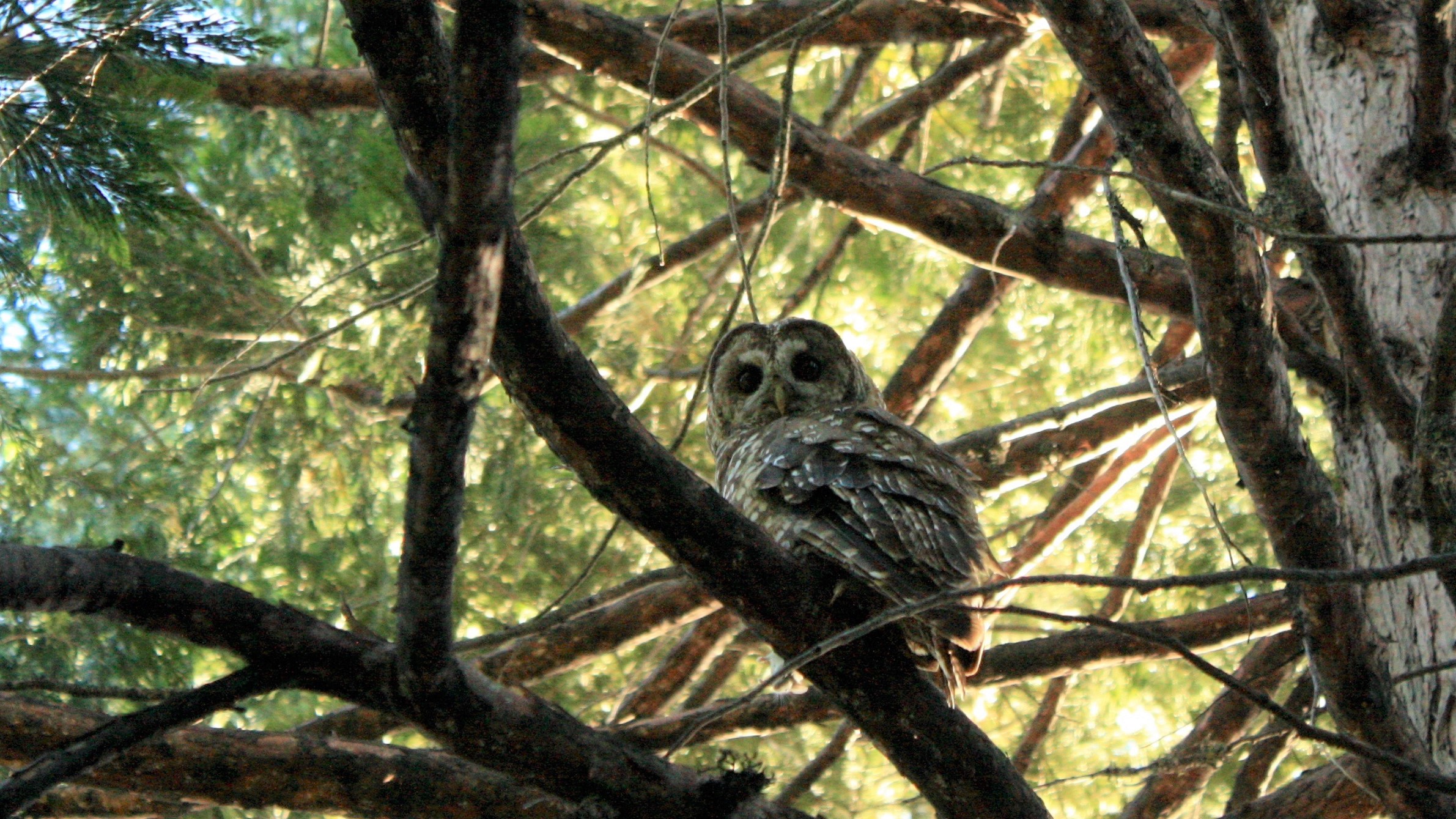
In the shadowed canopy of the ancient forests, where the air hums with the whispers of unseen wings, a silent crisis unfolds. The spotted owl, a creature of mythic resonance and ecological significance, faces an existential threat—not from the natural predators of its evolutionary past, but from the unrelenting march of human progress. Yet, in the digital age, a new ally emerges: social media. This invisible web of connections, once a playground for trivialities, now serves as a battleground for conservation, a megaphone for marginalized ecosystems, and a catalyst for collective action. The impact of social media on spotted owl conservation advocacy is not merely a footnote in the annals of environmentalism; it is a seismic shift in how we perceive, protect, and perpetuate the wild.
How to Organize an Owl-Watching Group or Club in Your Community
There’s something almost mystical about owls—those nocturnal sentinels of the wild, with their silent wings and luminous eyes, that seem to peer into the very soul of the night. They are guardians of the dark, symbols of wisdom, and yet, in our modern world, they often go unnoticed, their presence felt more in folklore than in the quiet corners of our neighborhoods. But what if you could bring these enigmatic creatures—and the wonder they inspire—into the heart of your community? Organizing an owl-watching group or club isn’t just about spotting birds; it’s about fostering connection, curiosity, and a shared reverence for the natural world. Whether you’re a seasoned birder or a curious newcomer, here’s how to transform your local landscape into a haven for owl enthusiasts.
How Religious Beliefs Influence Owl Protection Policies
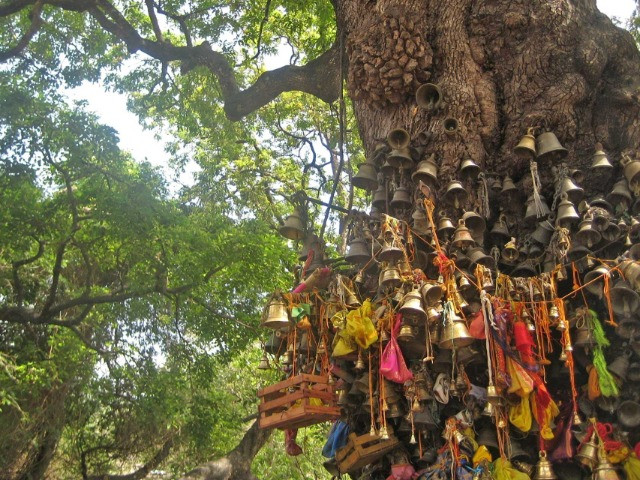
In the dimly lit corridors of ancient temples, where incense curls like spectral fingers, an unlikely alliance is taking root—one that could redefine the fate of some of nature’s most misunderstood creatures. Owls, those nocturnal sentinels of folklore and superstition, are finding an unexpected champion in the very traditions that once cast them as omens of doom. Across cultures, religious beliefs are quietly reshaping conservation policies, proving that faith and ecology can intertwine in ways that defy centuries of entrenched fear. This is the story of how sacred texts, temple rituals, and communal reverence are forging a new path for owl protection, one that challenges our deepest prejudices and offers a glimmer of hope for these enigmatic birds.
The Impact of Globalization on Owl Conservation
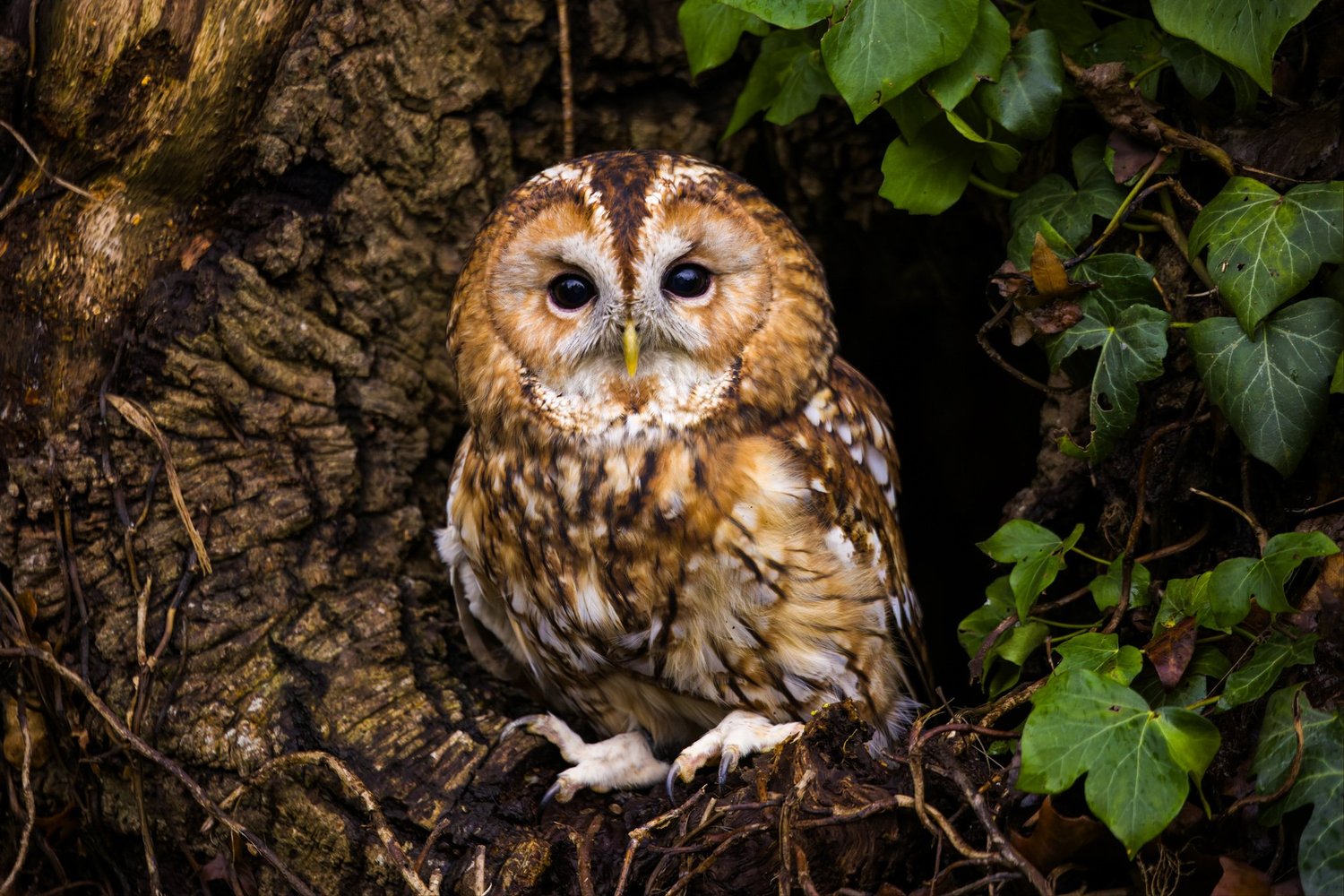
The silent wings of an owl cutting through the night evoke a primal sense of wonder—yet these enigmatic birds now navigate a world reshaped by globalization. From the sprawling metropolises that encroach upon ancient forests to the global trade in exotic pets, the forces of economic integration and cultural exchange are rewriting the rules of survival for owls across continents. This transformation is not merely ecological; it is a profound reweaving of the natural world’s tapestry, where human ambition and avian resilience collide in unexpected ways. To understand the true impact of globalization on owl conservation, we must peer beyond the surface of urban expansion and market dynamics, into the hidden currents of policy, perception, and ecological interdependence that shape their fate.