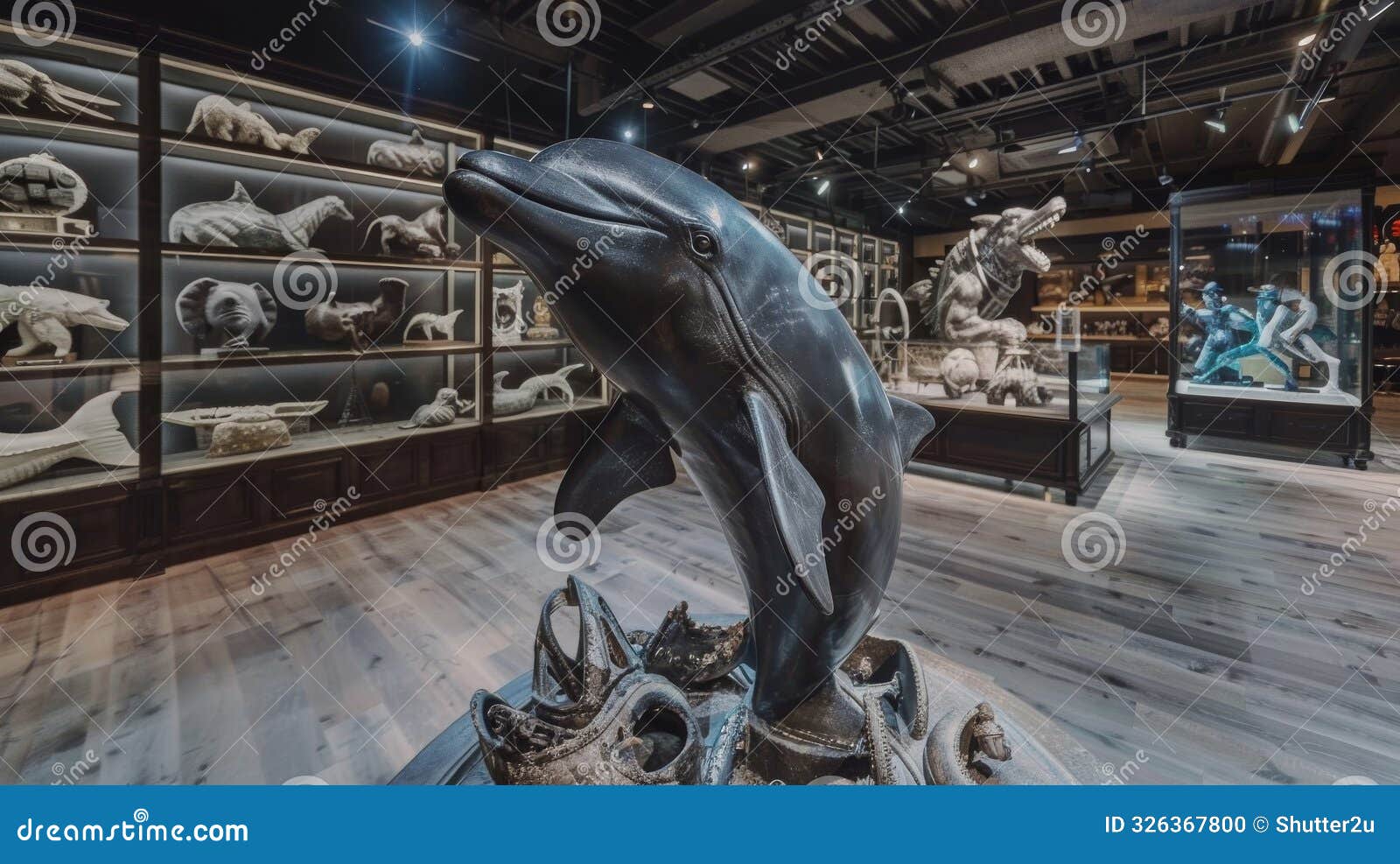
The owl, a creature of paradox—wise yet enigmatic, nocturnal yet ever-watchful—has perched itself at the heart of human creativity for millennia. From the crumbling bas-reliefs of ancient temples to the gleaming steel installations of contemporary galleries, this avian sentinel has evolved from a symbol of divine knowledge to a canvas for cultural reinvention. Sculpture, in its most potent form, has been the vessel through which humanity has interrogated, mythologized, and reimagined the owl. It is not merely an art form but a dialogue across time, a silent conversation between past and present, where stone and metal become the tongue of wisdom itself.
The Barn Owl: Silent Hunter of the Night

Beneath the moon’s silver gaze, where the world dissolves into whispers and shadows, a creature of paradoxical grace glides through the darkness. The barn owl, with its heart-shaped face and luminous eyes, is not merely a bird of the night—it is a master of stealth, a phantom woven from silence and precision. To witness one in flight is to glimpse the unseen, to understand that nature’s most formidable hunters do not roar but rather listen.
Owl-Watching in Urban Areas: Where to Spot Them in Cities and Suburbs

In the ceaseless hum of urban life, where concrete arteries pulse with the rhythm of progress, a silent sentinel watches from the shadows. The owl—mystical, elusive, and draped in the quiet authority of twilight—has found an unlikely kingdom within the labyrinth of cities and suburbs. No longer confined to the whispering woods or the moonlit meadows of folklore, these feathered philosophers have adapted, thriving in the interstices of human civilization. Owl-watching in urban areas is not merely an act of observation; it is an invitation to witness resilience, adaptability, and the uncanny beauty of nature reclaiming its dominion in the unlikeliest of places.
How Would Owl Communication Change If They Could Use Human Language?
Owls have long fascinated humans with their haunting calls, silent flight, and enigmatic presence. Their deep, resonant hoots that echo across moonlit forests evoke a sense of mystery and wisdom, captivating our imagination and inspiring countless myths. Yet, these primal vocalizations, though effective within their realm, are limited in scope compared to the boundless potential of human language. Imagine if owls could transcend their instinctual calls and articulate thoughts, emotions, and ideas with the intricacy and nuance of human speech. How would this profound transformation reshape their communication? What deeper insights might emerge from such a metamorphosis? This exploration ventures into that enthralling hypothetical realm, uncovering the latent possibilities and profound implications of owls wielding the power of human language.
How Urban Planning Can Incorporate Owl-Friendly Design
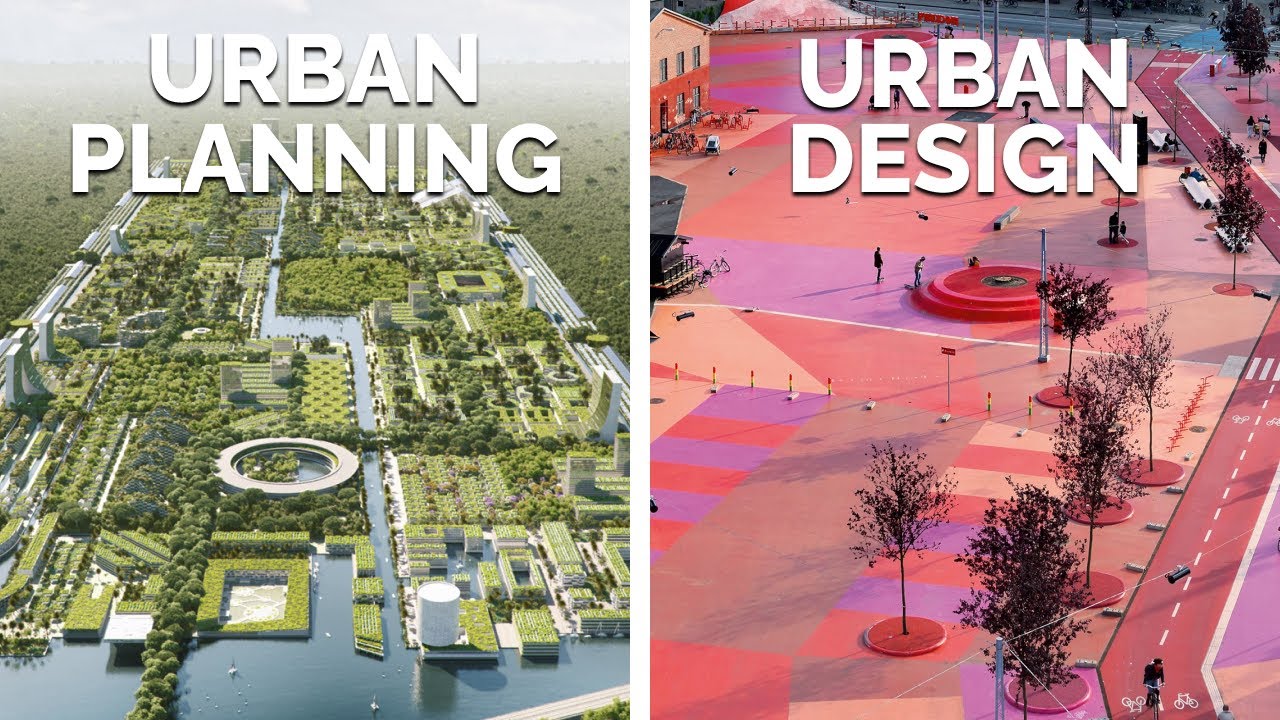
Imagine strolling through a city at dusk, the air humming with the quiet rustle of wings as shadows flit between the silhouettes of buildings. The urban landscape, often dismissed as a concrete jungle, could instead become a haven for one of nature’s most enigmatic creatures: the owl. But how? The answer lies not in rewilding entire neighborhoods overnight, but in reimagining urban planning through the lens of nocturnal stewardship—a deliberate fusion of architecture, ecology, and empathy. What if our sidewalks, parks, and even streetlights could double as owl-friendly corridors? The challenge isn’t just technical; it’s philosophical. Can a city that never sleeps truly accommodate those who thrive in the dark?
The Role of the UN in Global Owl Protection Efforts
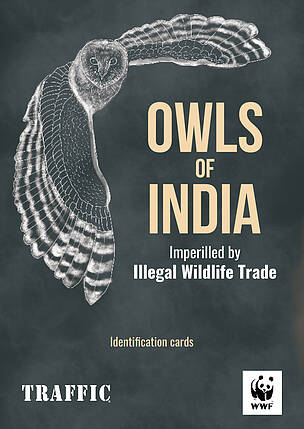
The silent sentinels of the night, owls, have long captivated humanity with their enigmatic gaze and haunting calls. Yet beyond their cultural mystique, these nocturnal predators face existential threats that transcend borders. In an era where biodiversity loss accelerates at an unprecedented pace, the United Nations stands as a pivotal force in orchestrating global conservation efforts. While many perceive owl protection as a niche endeavor, its implications ripple through ecosystems, economies, and even human well-being. The UN’s role in this arena is not merely administrative—it is a lifeline for species teetering on the brink of oblivion.
The Role of Zoos in Owl Conservation: Breeding Programs and Education
In the hushed twilight of an alpine forest, a tawny owl takes flight, its wings slicing through the crisp mountain air. This solitary hunter, a master of stealth and precision, is more than just a symbol of wilderness—it is a living testament to the delicate balance of nature. Yet, for many species of owls, that balance is tipping dangerously. Habitat loss, climate change, and human encroachment threaten their existence. But where the wild falters, human ingenuity and compassion step in. Zoos, often misunderstood as mere spectacles, are emerging as unsung sanctuaries for these nocturnal guardians. Through meticulous breeding programs and transformative education initiatives, they are not just preserving species—they are rewriting the future of owl conservation.
The Impact of Climate Change Workshops on Snowy Owl Protection Efforts
The Arctic tundra, a realm of stark beauty and fragile equilibrium, is undergoing a transformation as relentless as the polar winds. Among its most iconic inhabitants, the snowy owl, a creature of mythic resilience, now faces an existential threat—not from predators, but from the invisible hand of climate change. Yet, where there is peril, there is also promise. Climate change workshops, once the domain of scientists and policymakers, are emerging as a beacon of hope, equipping communities with the knowledge and tools to safeguard these majestic birds. These workshops are not merely educational forums; they are catalysts for a paradigm shift, fostering a deeper connection between humans and the natural world.
How to Start a Fundraiser for Owl Protection
In the hushed embrace of twilight, where the world slows to a whisper and the stars begin their vigil, an ancient sentinel takes flight. The owl—feathered philosopher of the night—has watched over humanity for millennia, its silent wings cutting through the dark like a brushstroke of mystery. Yet, today, these guardians of the dusk face a silent crisis. Habitat loss, pesticide poisoning, and human encroachment threaten their existence. But what if you could become the architect of their salvation? What if your compassion could rewrite the fate of these nocturnal titans? Starting a fundraiser for owl protection isn’t just an act of charity; it’s a rebellion against extinction, a vow to preserve the unseen poetry of the wild.
The Role of Owls in Environmental Ethics: Philosophical Perspectives
In the hush of twilight, when most creatures retreat and silence thickens the air, the piercing gaze of an owl commands attention. Their silent flight and enigmatic presence captivate the human imagination, evoking a profound sense of wonder. This common observation—humans’ enduring fascination with owls—serves as an entry point into a deeper exploration of environmental ethics, where these nocturnal birds epitomize complex philosophical themes about nature, interconnectedness, and moral responsibility.