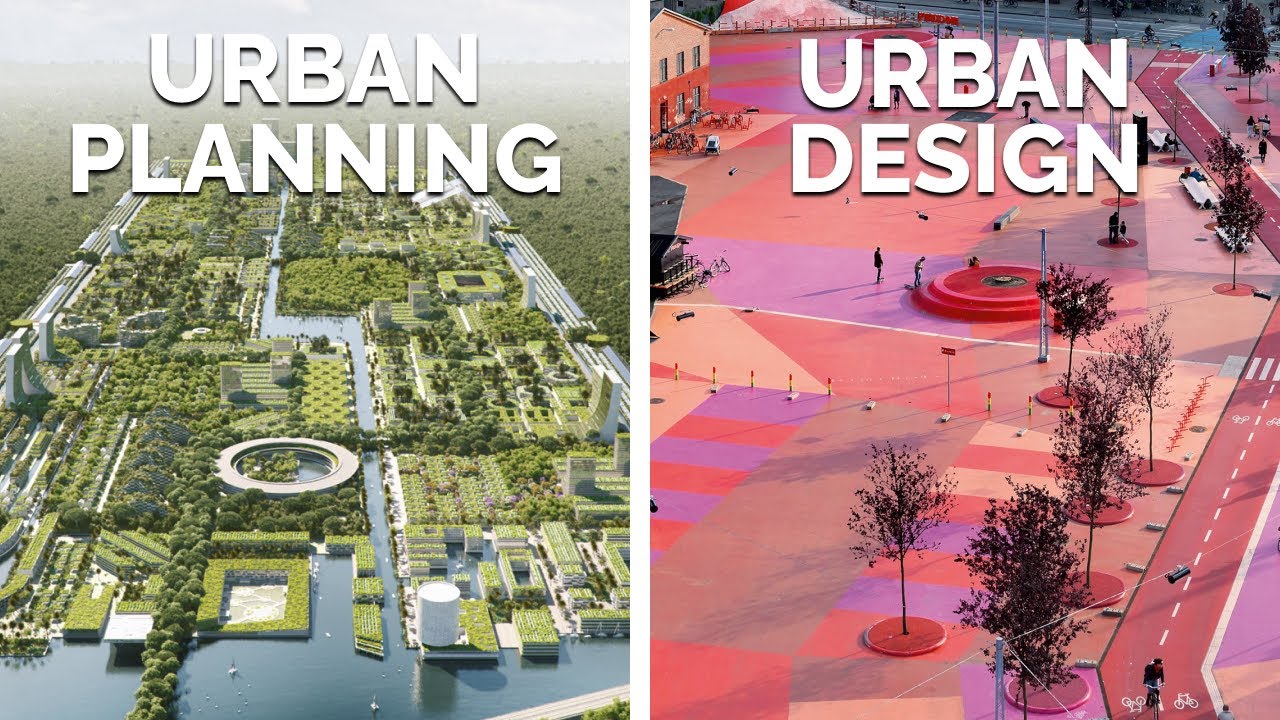
Imagine strolling through a city at dusk, the air humming with the quiet rustle of wings as shadows flit between the silhouettes of buildings. The urban landscape, often dismissed as a concrete jungle, could instead become a haven for one of nature’s most enigmatic creatures: the owl. But how? The answer lies not in rewilding entire neighborhoods overnight, but in reimagining urban planning through the lens of nocturnal stewardship—a deliberate fusion of architecture, ecology, and empathy. What if our sidewalks, parks, and even streetlights could double as owl-friendly corridors? The challenge isn’t just technical; it’s philosophical. Can a city that never sleeps truly accommodate those who thrive in the dark?
The Nocturnal Niche: Why Owls Deserve a Place in Urban Ecosystems
Owls are the silent sentinels of the night, their presence a barometer of ecological health. In an era where biodiversity is dwindling at an alarming rate, these raptors serve as both predator and pollinator of balance. Urban environments, often dismissed as ecological deserts, can paradoxically offer rich hunting grounds—if designed with intention. The key lies in recognizing that owls are not mere visitors but potential keystone architects of urban resilience. Their role extends beyond pest control; they are indicators of clean air, healthy rodent populations, and even the psychological well-being of city dwellers who benefit from their presence. Yet, their survival hinges on a delicate interplay of darkness, verticality, and undisturbed perches—elements rarely prioritized in modern urbanism.
Light Pollution: The Invisible Barrier to Owl Territory
Artificial light is the bane of nocturnal life, and owls are its unwitting victims. Streetlights, neon signs, and floodlit facades don’t just disrupt human sleep—they obliterate the very darkness owls rely on to hunt. The phenomenon of phototaxis, where insects (and their predators) are drawn to light, creates a deadly allure that lures owls into traffic or exposes them to predators. The solution? A paradigm shift in urban lighting: circadian-friendly illumination. This means adopting warm, amber-hued LEDs with motion sensors, dimming them in owl-active zones, and strategically angling fixtures downward to minimize skyglow. Cities like Rotterdam have pioneered “owl-friendly” lighting in parks, proving that darkness can be a design feature, not a flaw.
Vertical Havens: Designing Buildings as Owl Real Estate
Skyscrapers and apartment complexes need not be ecological wastelands. By integrating façade perching ledges—shallow, textured niches that mimic natural tree hollows—architects can transform glass-and-steel monoliths into owl condominiums. These ledges, placed at varying heights and orientations, cater to different owl species, from the barn owl’s preference for open ledges to the tawny owl’s love of sheltered nooks. Materials matter too: rough, porous surfaces like textured concrete or reclaimed wood provide grip, while overhangs shield against rain and wind. The challenge? Balancing aesthetics with functionality—how do we make these features blend seamlessly into sleek, modern designs without looking like an afterthought? The answer lies in biophilic camouflage, where owl-friendly elements are woven into the architecture’s DNA, from the pattern of a brick facade to the curvature of a balcony railing.
Green Corridors: The Silent Highways for Nocturnal Hunters
Owls are territorial creatures, and their hunting grounds can span miles. In a city, this means creating nocturnal greenways—strips of undeveloped land, overgrown hedgerows, or even railway embankments that act as silent highways for owls to traverse without human interference. These corridors must prioritize native vegetation, particularly trees with dense canopies (like oaks or pines) that offer both shelter and prey. The Dutch concept of ecological stepping stones takes this further, linking small green patches into a network that allows owls to navigate urban jungles with ease. But here’s the rub: these corridors often compete with development pressures. How do we convince city planners that a patch of “wild” land is not an eyesore but an investment in pest control and mental health?
Acoustic Harmony: The Symphony of Silence
Owls communicate through a language of hoots, screeches, and wingbeats—a symphony that thrives in quietude. Yet, urban noise pollution, from honking cars to construction, drowns out these signals, forcing owls to expend energy on communication rather than hunting. The solution? Soundscaping, where urban design incorporates natural sound buffers like water features, dense shrubbery, or even white noise machines in high-traffic areas. Parks can be designed as acoustic sanctuaries, with winding paths that funnel sound away from owl territories. The challenge is cultural: we’ve grown accustomed to the hum of city life as a constant, but owls remind us that silence is not absence—it’s a canvas for life.Community Engagement: The Human-Owl Partnership
Urban owl conservation isn’t just for planners and ecologists—it’s a communal endeavor. Citizen science projects, like the Owl Watch initiatives in the UK, empower residents to report owl sightings, monitor nest boxes, and advocate for habitat protection. Schools can integrate owl ecology into curricula, fostering the next generation of nocturnal stewards. Even something as simple as a “owl-friendly garden” certification for homeowners can spark a citywide movement. The challenge? Overcoming the perception that owls are pests or, worse, irrelevant. By framing them as allies in urban resilience—natural pest controllers, stress reducers, and symbols of wildness in a tamed world—we can shift the narrative from coexistence to collaboration.
The Future: Cities That Breathe with the Night
The urban owl is more than a whimsical dream; it’s a litmus test for our cities’ ecological intelligence. As climate change and urban sprawl intensify, the need for nocturnal urbanism becomes urgent. This means rethinking zoning laws to protect dark zones, incentivizing owl-friendly architecture, and embedding biodiversity into every layer of city planning. The ultimate question isn’t whether we can design cities for owls—it’s whether we’re willing to cede a sliver of control to the night. In doing so, we don’t just save a species; we rediscover the magic of a world that thrives after sundown.