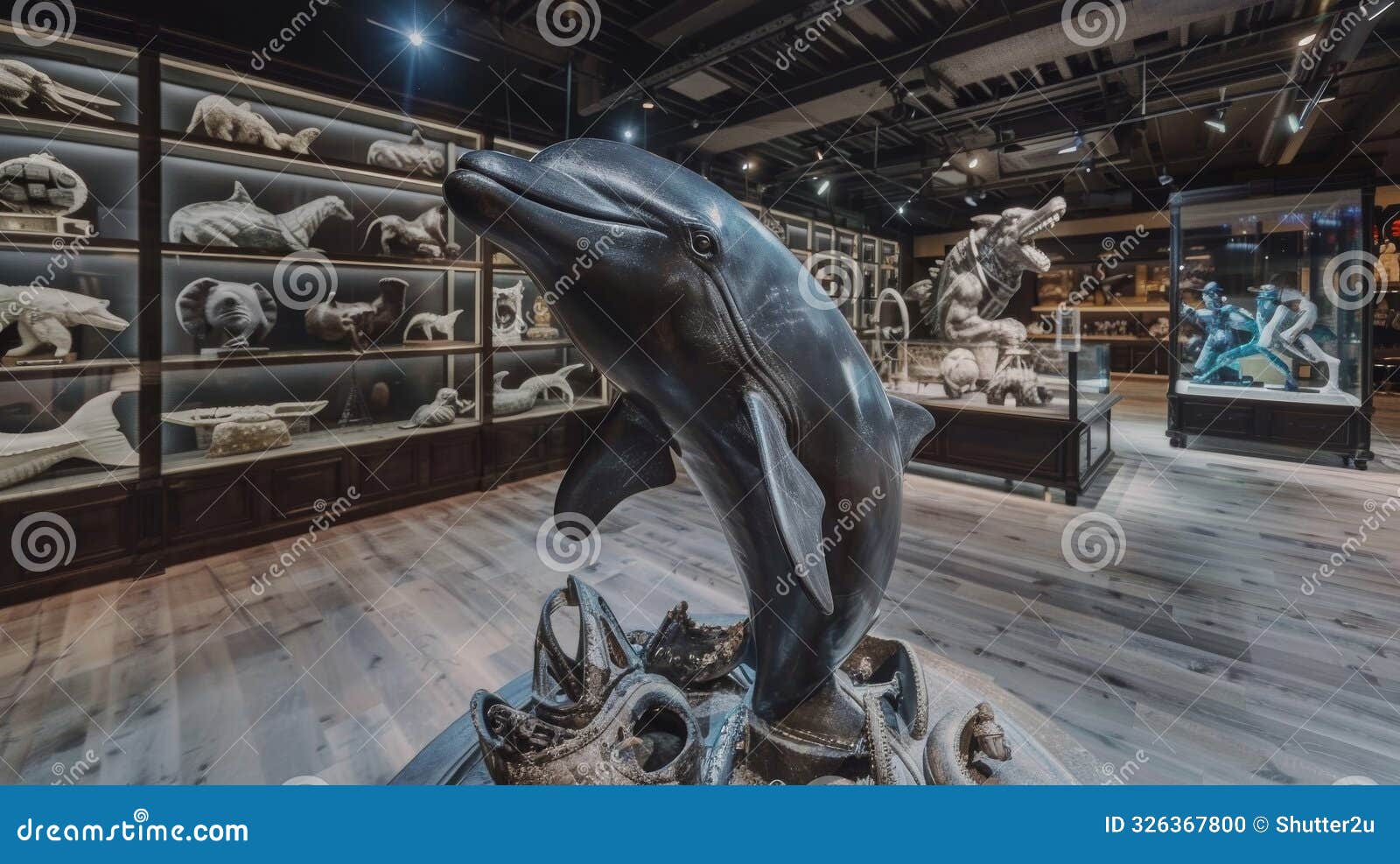
The owl, a creature of paradox—wise yet enigmatic, nocturnal yet ever-watchful—has perched itself at the heart of human creativity for millennia. From the crumbling bas-reliefs of ancient temples to the gleaming steel installations of contemporary galleries, this avian sentinel has evolved from a symbol of divine knowledge to a canvas for cultural reinvention. Sculpture, in its most potent form, has been the vessel through which humanity has interrogated, mythologized, and reimagined the owl. It is not merely an art form but a dialogue across time, a silent conversation between past and present, where stone and metal become the tongue of wisdom itself.
The Owl as Archetype: From Temple Guardians to Civic Emblems
In the sun-baked courtyards of ancient Mesopotamia, owls carved into alabaster stelae stood as silent sentinels, their unblinking eyes warding off chaos. These were not mere depictions; they were living metaphors, guardians of the threshold between the known and the unseen. The owl’s association with Athena, goddess of wisdom, transformed it into a civic emblem, its image stamped onto coins and carved into public spaces to signify foresight and strategic prowess. Yet, this reverence was not universal. In medieval Europe, the owl became a harbinger of ill omen, its nocturnal habits aligning it with the sinister and the occult. Sculpture, in these contexts, was not just art—it was propaganda, theology, and social control rendered in three dimensions. The owl’s form, whether revered or reviled, became a vessel for collective anxieties and aspirations, its silhouette etched into the cultural subconscious long before the first modernist chisel touched marble.
Material Metamorphosis: How Substance Shapes Symbolism
Consider the tactile shift from terracotta to titanium. The owl in clay, rough-hewn and porous, breathes with the earth, its wisdom tactile and immediate. It crumbles with time, mirroring the fragility of human understanding. Contrast this with the owl in stainless steel, its surface a mirror to the sky, reflecting not just light but the viewer’s own gaze. Modern materials do not merely endure; they interrogate. Bronze, with its patina of age, whispers of legacy, while neon owls pulse with artificial life, their eyes flickering like digital omens. Each material carries its own semiotics: wood speaks of organic wisdom, glass of fragile clarity, and recycled plastics of a fractured modernity. The sculptor’s choice is never neutral—it is a political act, a declaration of what we value in endurance, in reflection, in the very air we breathe.
The Owl in the Age of Reproduction: From Unique Artifact to Mass Imagery
Once, an owl sculpture was a singular marvel, accessible only to the elite who could commission it or the pilgrims who traveled to witness it. The printing press shattered this monopoly, and later, the digital age obliterated it entirely. Today, owl figurines proliferate in souvenir shops, their eyes glazed with the sheen of mass production. Yet, even here, the owl resists domestication. Street artists repurpose these trinkets into subversive installations, their once-placid faces contorted into masks of dissent. The owl becomes a meme, a protest symbol, a viral icon—its ancient gravitas distilled into pixels and plastic. This democratization is double-edged: it strips the owl of its mystique even as it arms the masses with its image. The sculptor’s role has shifted from creator to curator, navigating a world where meaning is both infinitely malleable and perilously ephemeral.
Gendered Gazes: The Owl as Feminine Archetype and Subversive Icon
Traditionally, the owl has been tethered to femininity—not through biology, but through symbolism. Athena’s owl was a companion, not a servant, a creature of mutual respect. Yet, this association has often been co-opted to frame women as either nurturing sages or sinister crones. Contemporary artists have seized upon this tension. Sculptures of owls with distended, maternal breasts critique the myth of the nurturing woman, while others depict the bird with mechanical wings, its gaze unflinching, challenging the viewer to confront their own biases. The owl, in these works, is not a passive symbol but an active agent—a feminist manifesto carved in stone or welded in steel. It forces us to ask: Who gets to be wise? Who is allowed to watch without being watched? The answers, when carved into the public consciousness, are never neutral.
Ecological Urgency: The Owl as Messenger of Environmental Collapse
In an era of mass extinction, the owl sculpture has taken on a new role: that of a mournful oracle. Artists now use the bird’s form to confront ecological devastation, its hollow eyes reflecting the void left by deforestation, its wings outstretched not in flight but in surrender. These are not elegies but warnings, their materials often salvaged from industrial waste or invasive species. The owl becomes a bridge between art and activism, its ancient symbolism repurposed to scream into the silence of climate denial. When a sculpture of an owl is forged from melted-down rifles, its talons clutching a sapling, the message is clear: wisdom is not enough. Survival demands action.
Interactive Installations: The Owl as Participant, Not Spectator
Modern sculpture has dissolved the boundary between viewer and viewed. Owls now blink in response to motion sensors, their heads turning to follow passersby. Some installations incorporate sound, their hoots echoing in real-time, blurring the line between art and environment. The owl is no longer a static idol but a co-creator, its presence contingent on the audience’s engagement. This interactivity is not mere gimmickry; it is a radical democratization of art. The owl, once a distant symbol of divine wisdom, now invites the viewer into a dialogue. What does it mean to be watched by an owl? To have your presence acknowledged by a creature that has outlived empires? The answers are as varied as the sculptures themselves—but the question lingers, haunting and unanswered.
The Future of the Owl: A Living Symbol in a Post-Art World
As we hurtle toward an uncertain future, the owl sculpture remains a paradox—a relic of the past and a harbinger of what is to come. Will it persist as a nostalgic totem, a comforting echo of ancient wisdom in a digital void? Or will it evolve into something unrecognizable, its form dissolved into augmented reality, its gaze projected onto the clouds? One thing is certain: the owl will not be silenced. It will watch. It will adapt. It will hoot into the void, demanding to be seen. And perhaps, in that demand, we will find a mirror—not of who we are, but of who we could become.