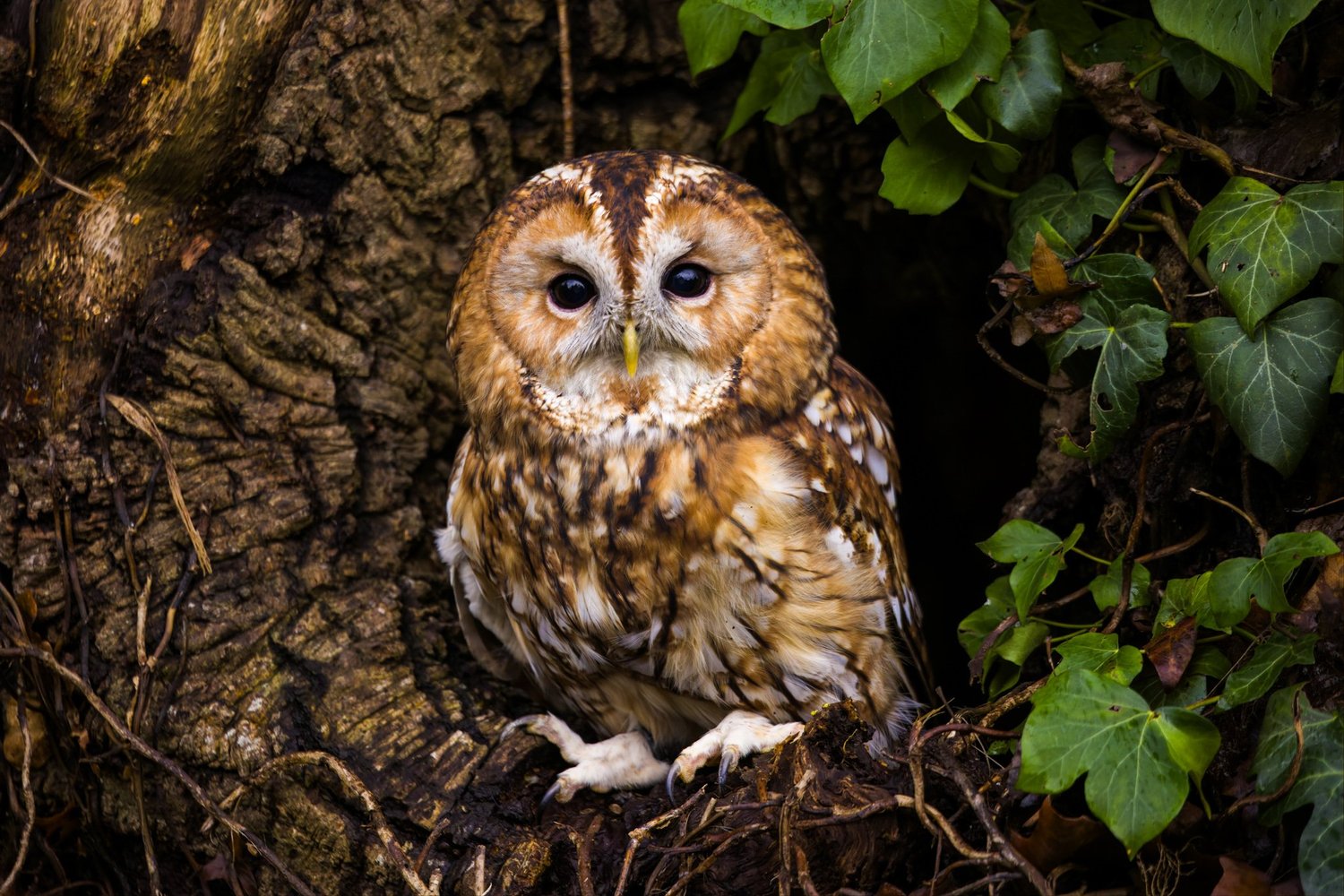
In the quiet hush of twilight, when the world slows its frenetic pace and the moon ascends like a silver sentinel, an unseen drama unfolds. The wings of owls slice through the velvet darkness, their flight a whisper against the wind’s murmur. These enigmatic guardians of the night are not merely creatures of folklore or silent hunters—they are barometers of ecological balance, their survival intricately woven into the fate of forests, farms, and even our own human communities. Yet, their future is not etched in stone. It is shaped by the choices we make, the stories we tell, and the awareness we cultivate. Public awareness campaigns, those carefully crafted beacons of knowledge and empathy, have emerged as the most potent tools in the fight to protect these feathered phantoms. Their impact is not just measured in saved nests or revived habitats—it is felt in the very soul of conservation itself.
The Silent Alarm: How Awareness Transforms Perception
Owls have long been shrouded in myth, their hoots misinterpreted as omens of doom or harbingers of wisdom. This centuries-old misrepresentation has cast a long shadow over their conservation. Public awareness campaigns act as a clarion call, piercing through the fog of misconception with the sharp blade of truth. By reframing owls not as ominous specters but as keystone species—architects of biodiversity—they dismantle the barriers of fear and apathy. Campaigns that spotlight the owl’s role as a natural pest controller, a guardian of rodent populations, and a sentinel of forest health, transform them from mere symbols into living, breathing allies. The shift is subtle but seismic: from dread to reverence, from indifference to advocacy.
Consider the power of storytelling. A well-crafted campaign doesn’t just present facts; it weaves a narrative that resonates on a primal level. Imagine a child’s eyes widening as they learn that a barn owl’s silent flight is a marvel of evolutionary engineering, its wings designed to muffle sound like a thief in the night. Or an adult’s heart stirring upon discovering that the decline of a single owl species can unravel an entire ecosystem, like a thread pulled from a tapestry. These stories don’t just inform—they ignite empathy, and empathy is the bedrock upon which conservation stands.
The Ripple Effect: How Awareness Creates Ripples of Change
The impact of public awareness campaigns extends far beyond the initial spark of interest. Like a stone cast into a pond, their effects radiate outward, creating concentric circles of influence. The first ripple is education: communities learn to recognize owl calls, identify nesting sites, and understand the threats they face. But the ripples don’t stop there. They swell into action—citizen science projects where volunteers monitor owl populations, local policies that protect critical habitats, and even global movements that pressure governments to enforce stricter environmental laws.
Take, for example, the surge in “owl-friendly” farming practices. When farmers realize that owls are their silent partners in pest control, they begin to adopt measures that reduce pesticide use and preserve natural perches. The result? Healthier crops, thriving owl populations, and a model of sustainable agriculture that others emulate. This is the alchemy of awareness: turning knowledge into tangible, scalable change. Campaigns that highlight such success stories don’t just inspire—they create a feedback loop of hope and action, where each small victory fuels the next.
The Digital Dawn: How Technology Amplifies Awareness
In the 21st century, the battleground for conservation has expanded into the digital realm. Social media, virtual reality, and interactive platforms have become the new frontiers of public engagement. A single viral video of an owl fledgling taking its first flight can reach millions in hours, its emotional pull transcending language and borders. Campaigns that leverage these tools don’t just inform—they immerse. Imagine a VR experience that places users in the heart of an old-growth forest, where the rustle of leaves and the hoot of an owl transport them into the owl’s world. Such immersive storytelling doesn’t just educate; it forges an unbreakable bond between humans and nature.
Even the humble hashtag has become a catalyst for change. Campaigns like #SaveTheOwls or #OwlSanctuaries have galvanized global communities, turning passive observers into active participants. The digital age has democratized conservation, allowing anyone with an internet connection to contribute—whether by sharing a post, donating to a cause, or even adopting an owl virtually. This democratization is not just about reach; it’s about creating a sense of ownership, a shared responsibility that transcends individual actions.
The Cultural Tapestry: Owls in Myth, Art, and Tradition
To fully grasp the impact of awareness campaigns, one must delve into the cultural significance of owls. Across civilizations, they have been both revered and reviled, their duality a reflection of humanity’s own contradictions. In ancient Greece, the owl was the emblem of Athena, goddess of wisdom. In Native American traditions, it was a messenger between the spirit world and the living. Yet, in medieval Europe, it was a harbinger of death, its hoot a chilling omen. This cultural tapestry is a double-edged sword: it provides a rich foundation for storytelling but also a minefield of misconceptions.
Modern campaigns have begun to weave a new narrative, one that honors the past while embracing the future. By collaborating with indigenous communities, artists, and storytellers, they resurrect the owl’s sacred role while infusing it with contemporary relevance. A campaign that pairs traditional owl folklore with modern conservation science doesn’t just educate—it bridges generations and cultures, creating a shared language of stewardship.
The Unseen Heroes: The Role of Local Champions
No awareness campaign succeeds without the unsung heroes who breathe life into its message: the local educators, volunteers, and conservationists who work tirelessly behind the scenes. These are the people who organize owl-watching nights, lead workshops in schools, and lobby for protected habitats. Their efforts are the engine that drives change, and their stories are the heart of any successful campaign.
Consider the case of a small town where a local naturalist began hosting monthly “Owl Prowls,” guiding residents through the woods with flashlights and binoculars to listen for the telltale calls of barred owls. What started as a curiosity-driven initiative soon became a community tradition, with participants reporting sightings to a central database that helped track population trends. The campaign didn’t just raise awareness—it fostered a sense of pride and ownership, turning residents into stewards of their local environment.
The Future Flights: Sustaining Momentum
The challenge of conservation is not just about raising awareness—it’s about sustaining it. The initial surge of interest often fades as other issues take center stage. To counter this, successful campaigns employ a strategy of perpetual engagement: they keep the conversation alive through regular updates, interactive content, and community events. They turn supporters into lifelong advocates, ensuring that the flame of awareness burns steadily, even in the face of apathy or distraction.
One innovative approach is the use of “living data” platforms, where real-time updates on owl populations are shared with the public. Imagine logging onto a website and seeing a map dotted with recent owl sightings, complete with audio clips of their calls. Such tools don’t just inform—they create a living connection between humans and owls, a reminder that these creatures are not relics of the past but vital threads in the fabric of our present.
The Final Hoots: A Call to Action
The story of owl conservation is not just a tale of survival—it is a testament to the power of human connection. It is a reminder that we are not separate from nature but an integral part of it, our fates intertwined with those of the creatures that share this planet with us. Public awareness campaigns are the bridges that span the chasm between ignorance and understanding, between apathy and action. They are the catalysts that transform passive observers into passionate protectors.
So, the next time you hear the haunting call of an owl on a still night, pause. Listen. And remember: your awareness, your voice, your actions—however small—are the threads that weave the tapestry of conservation. The owls are counting on us. And in their silent, watchful eyes, we may just find the wisdom we need to ensure their future flights are not just a memory, but a promise kept.