Among the marvels of the Arctic tundra, the snowy owl stands as a paragon of adaptation and survival. Beneath its ghostly white plumage lies a masterclass in evolutionary design, particularly within its feet—those resilient, formidable appendages that not only endure the biting cold but also exemplify unparalleled efficiency in hunting and navigation. The snowy owl’s feet are more than mere tools; they are a testament to nature’s ingenuity, meticulously crafted for life in one of Earth’s harshest environments.
Anatomical Marvel: Structure and Composition of Snowy Owl Feet
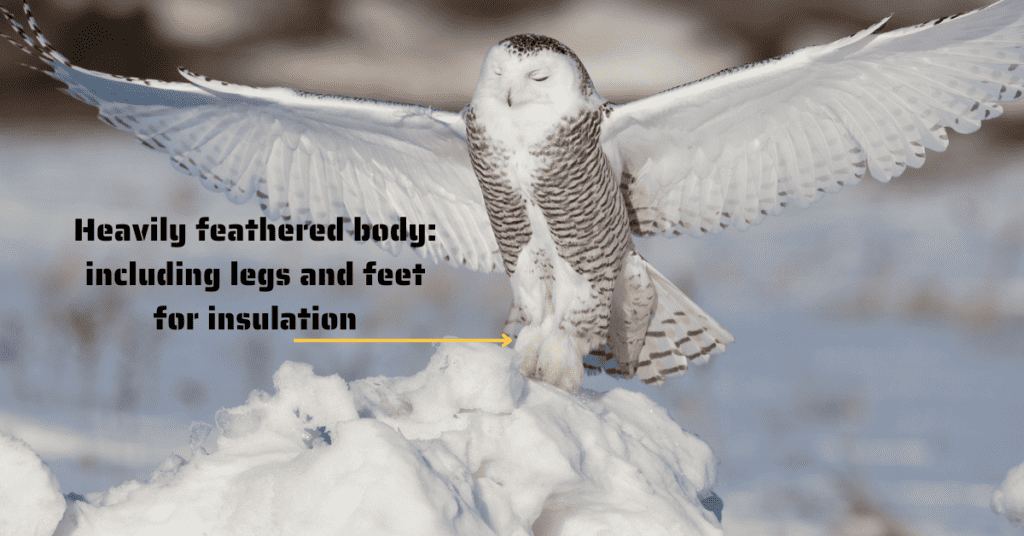
The snowy owl’s feet boast a unique anatomical structure tailored for strength and resilience. Unlike many other avian species, their toes are thickly cloaked in dense feathers, extending all the way down the legs to the talons. This integumentary adaptation serves as natural insulation, guarding against the Arctic chill that permeates the snowy landscapes they inhabit. Beneath this plush feathering lie robust scales that provide a second layer of rugged protection and contribute to greater tactile sensitivity, allowing the owl to grasp prey with unwavering precision.
Each talon is a curved, razor-sharp weapon forged for puncturing and immobilizing prey. These talons, coupled with their powerful musculature, grant the snowy owl an extraordinary grip strength, essential for securing slippery or struggling animals in extreme conditions. The toes can articulate independently, offering a versatile grip that adapts seamlessly whether the owl is perched on ice-laden branches or clutching a freshly caught arctic hare.
Thermoregulation: Feet Built for Arctic Extremes
Surviving in subzero temperatures demands more than simple endurance—it requires a sophisticated system to maintain extremity temperature and prevent frostbite. The snowy owl’s feet showcase a remarkable thermoregulatory adaptation known as countercurrent heat exchange. This physiological marvel minimizes heat loss by allowing warmer arterial blood flowing to the feet to transfer heat to the cooler venous blood returning to the heart. Consequently, the feet maintain a temperature that is warm enough to prevent freezing but cool enough to conserve vital body heat.
The feathered covering further enhances this process by providing a thick, insulating layer that buffers against the sharp Arctic wind chill. Even during prolonged ground contact on ice or snow, the snowy owl’s feet remain functional, enabling the bird to hunt and perch without succumbing to cold-related injuries.
Functional Design: How Feet Enhance Hunting Efficiency
Snowy owls are apex predators of their environment, and their feet are central to their hunting prowess. Their gripping power is not merely for balance but a crucial instrument in capturing and dispatching prey. Leveraging their padded yet powerful feet, snowy owls can silently strike with immense force, pinning down prey beneath their talons.
The thick feathering on their legs and feet provides sensory feedback that is vital during hunting. This tactile sensitivity allows the owl to detect the faintest movements of prey beneath snow or ice cover. It also enables rapid reflexes, facilitating the swift grasp and immobilization of animals such as lemmings, voles, and birds. Moreover, the footpads are equipped with small dermal papillae—rough textures akin to the ridges on a gecko’s toe pads—which enhance grip, preventing prey from slipping away even amidst wet or icy conditions.
Locomotion and Perching: Feet in Motion
Beyond hunting, the snowy owl’s feet are paramount in facilitating fluid locomotion across diverse terrains. Snowy owls navigate icy, uneven surfaces with remarkable agility, largely due to their feet’s specialized design. The claws can dig into ice and snow, providing traction akin to ice picks, while the flexible toe arrangement allows for firm yet adaptable perching on sparse tundra vegetation or rocky outcroppings.
The feathering acts as a cushion during landings and take-offs, absorbing shock and reducing wear on the joints. It also minimizes contact with cold surfaces, decreasing thermal exchange when the owl is grounded for extended periods while scanning for prey or resting.
Comparative Adaptations: Snowy Owl Feet Versus Other Owls
When juxtaposed with other owl species, the snowy owl’s feet reveal an extraordinary level of specialization. While many owls sport feathering on their lower legs, the extent and density of the snowy owl’s leg and foot feathering are unparalleled. This adaptation is a direct response to their Arctic environment. For instance, the great horned owl, which inhabits warmer climes, has bare feet with less extensive feather coverage, as thermal insulation on the feet is less critical.
Additionally, the snowy owl’s talons are notably larger and more robust, reflecting their need to subdue larger or more resilient prey species in open tundra habitats where cover is sparse, and encounters often require potent striking power. Their broader and heavily feathered feet assist in distributing body weight evenly when traversing snow, mitigating the risk of sinking into soft surfaces—a feature that most forest-dwelling owls do not require.
The Role of Snowy Owl Feet in Seasonal Migrations
Snowy owls undertake notable seasonal migrations, journeying southward when prey becomes scarce during deep winter months. Throughout these migrations, their feet must endure different environmental pressures—from biting cold to icy rain, and varied perching substrates. Their dense feathering proves invaluable during these migrations, protecting against abrasion and temperature fluctuations.
Moreover, the feet’s strength and grip ensure that snowy owls can temporarily roost in unfamiliar landscapes featuring diverse terrains, from barren fields to urban rooftops. This adaptability increases their survival prospects in patchy or changing habitats as climate patterns shift and prey availability fluctuates.
Conservation Implications Linked to Snowy Owl Feet
Understanding the snowy owl’s unique foot adaptations is more than an academic pursuit; it has profound conservation implications. Habitat degradation, increasing temperature volatility, and human encroachment pose threats to the ecosystems where snowy owls thrive. Their feet, tailored for freezing environments, may become vulnerable if sudden habitat shifts expose them to warmer, less snowy conditions where their adaptations could become maladaptive.
Moreover, snow and ice pollution or physical hazards like oil spills can impair the insulating feather coverage on their feet, impacting thermoregulation and hunting efficiency. Conservation strategies must consider these vulnerabilities, emphasizing habitat preservation and minimizing environmental contaminants that directly affect these critical anatomical features.
In sum, the snowy owl’s feet are a symphony of natural engineering—balancing power, precision, insulation, and adaptability. They allow this magnificent bird to dominate Arctic skies and tundra, surviving where few others dare venture and thriving through nature’s harshest tests.