In the quiet hush of twilight, when the world slows its frenetic pace, a soft, rhythmic fluttering stirs the air. Owls, those enigmatic sentinels of the night, glide silently through the canopy, their golden eyes piercing the darkness like twin lanterns. Yet, these majestic creatures face an insidious threat—not from natural predators, but from the encroaching shadows of urban sprawl, habitat fragmentation, and human indifference. The plight of owls is not just a matter of ecological concern; it is a mirror held up to our own relationship with the natural world. How, then, can we bridge the chasm between indifference and advocacy, ensuring that these nocturnal guardians continue to thrive? The answer lies in engaging our local governments, transforming passive observers into active stewards of owl conservation.
How the Barred Owl Management Plan Fits into U.S. Wildlife Policy
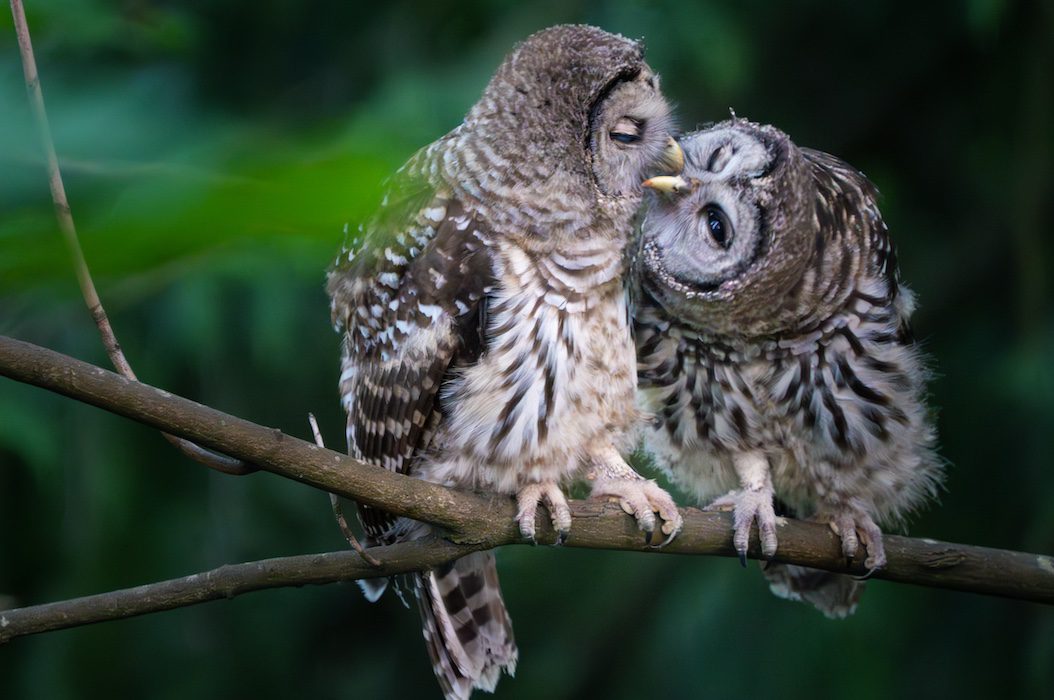
The barred owl, with its haunting, rhythmic call that echoes through the ancient forests like a whispered secret, has become an unlikely protagonist in one of America’s most contentious wildlife sagas. The U.S. Fish and Wildlife Service’s proposed $1.35 billion management plan to cull barred owls in the Pacific Northwest isn’t just about numbers—it’s a collision of ecological necessity, ethical ambiguity, and the tangled legacy of human intervention in nature. This isn’t a simple story of predator and prey; it’s a labyrinthine narrative where every decision casts long shadows, where the past clings to the present like ivy to stone, and where the very definition of conservation is being rewritten in real time.
The Role of Barred Owls in the Disruption of Spotted Owl Social Structures
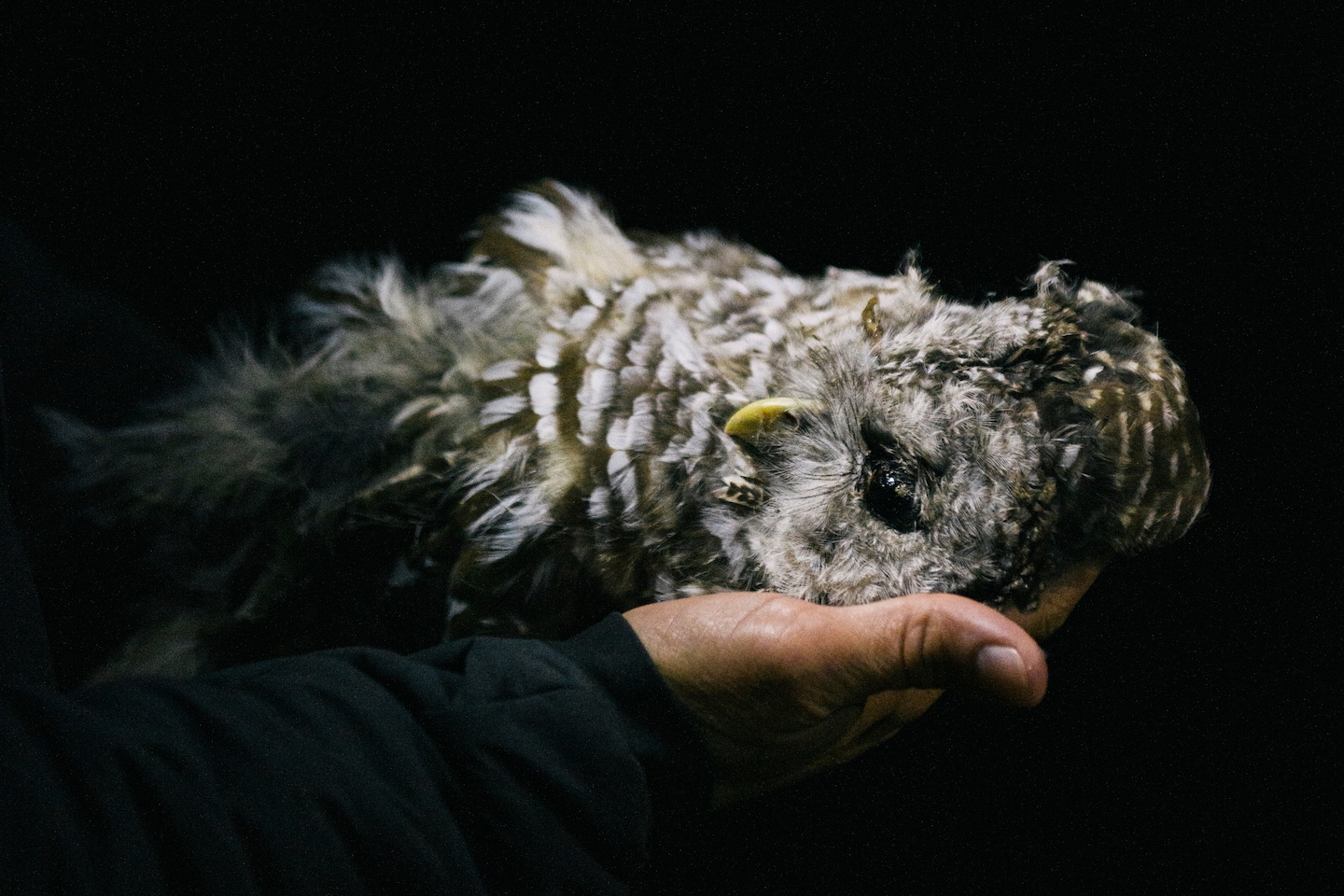
In the intricate web of forest ecosystems along the Pacific Northwest, an invisible battle rages — a conflict not only of survival but of social order and ecological dominance. This struggle centers around two avian species: the native spotted owl and the invasive barred owl. The infiltration and proliferation of barred owls have wrought profound disruptions to the social structures of spotted owls, precipitating a cascade of ecological consequences. Understanding these dynamics requires not only a deep dive into behavioral ecology but also a consideration of conservation challenges and the broader implications for biodiversity.
Owls and Art: Inspiration and Representation
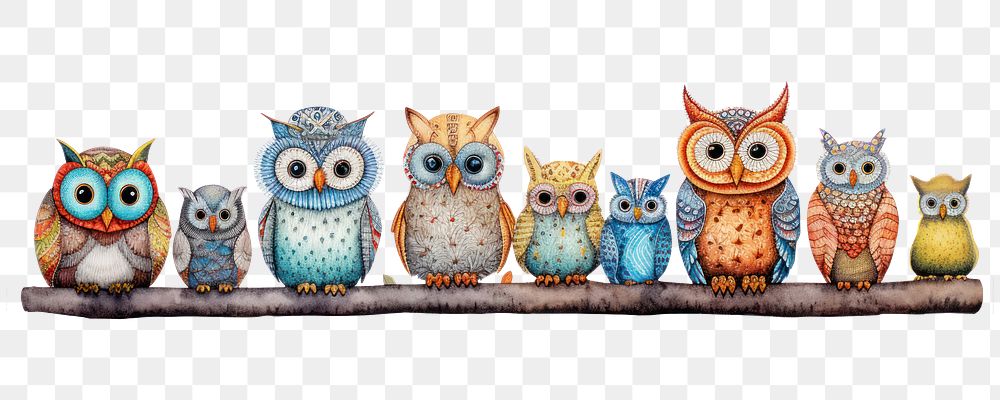
Owls have long captivated the human imagination, their enigmatic presence casting a spell over cultures, artists, and storytellers around the world. From the silent wings that glide through nocturnal skies to their haunting, unblinking gaze, these birds embody mystery, wisdom, and magic. In the realm of art, owls emerge as potent symbols, lending themselves to a rich tapestry of representation across numerous media. Exploring the interplay between owls and art reveals a fascinating panorama of inspiration, expression, and cultural significance that transcends time and geography.
The Snowy Owl Irruption of 2013: Lessons Learned for 2026
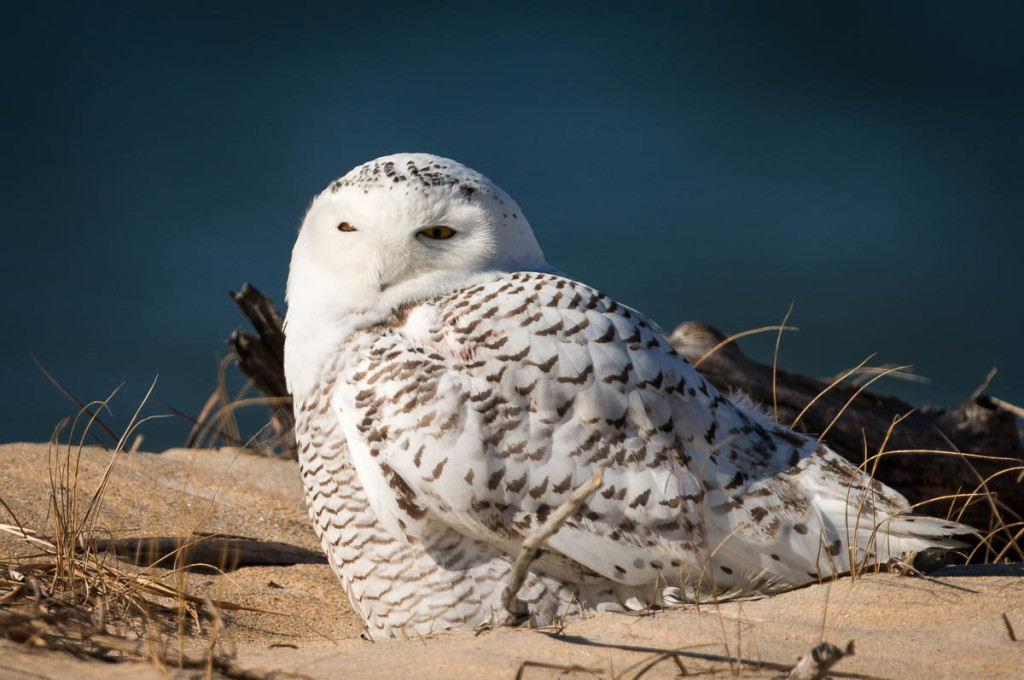
The Snowy Owl irruption of 2013 remains one of the most enthralling natural phenomena witnessed by bird enthusiasts and ecologists alike. A significant influx of these enigmatic Arctic raptors into regions far south of their usual haunts captivated imaginations, inspiring awe and scientific curiosity in equal measure. This event not only unveiled the mesmerizing migratory nuances of the Snowy Owl but also imparted invaluable lessons as we approach 2026. Understanding the multi-faceted implications of such irruptions—ecological, environmental, and even cultural—equips us with frameworks to anticipate and adapt to future wildlife fluctuations amid a changing climate.
Barred Owls in Fashion: How Designers Are Inspired by Their Patterns
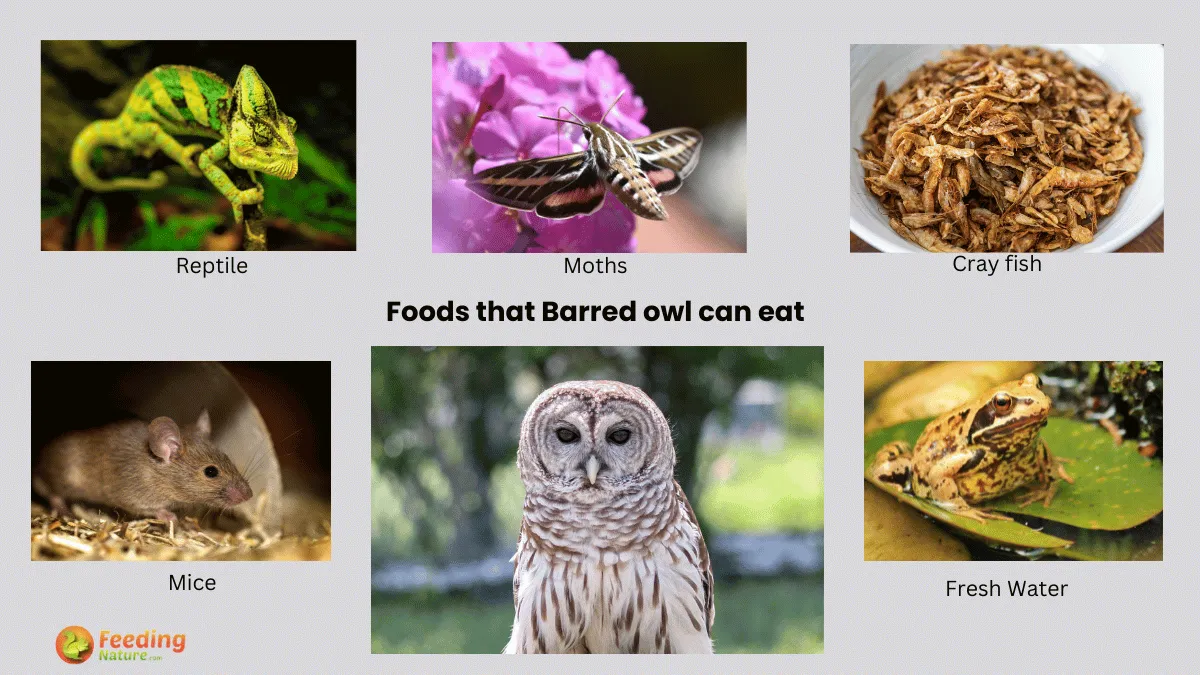
In the ever-evolving realm of fashion, inspiration often originates from the most unexpected sources. One such captivating muse is the barred owl, a nocturnal sentinel cloaked in an intricate mosaic of feathers. This enigmatic bird, renowned for its striking patterns and silent grace, has incited a quiet revolution in design aesthetics. Fashion designers, perpetually in search of originality and profundity, are turning to the barred owl’s plumage to craft collections that promise to not only clothe but also mesmerize and transform perception. Prepare to embark on a journey that unravels the profound influence of barred owls on contemporary couture—a fusion of nature’s artistry and human ingenuity.
The Snowy Owl’s Diet in a Warming Arctic: Are Lemming Populations Declining?
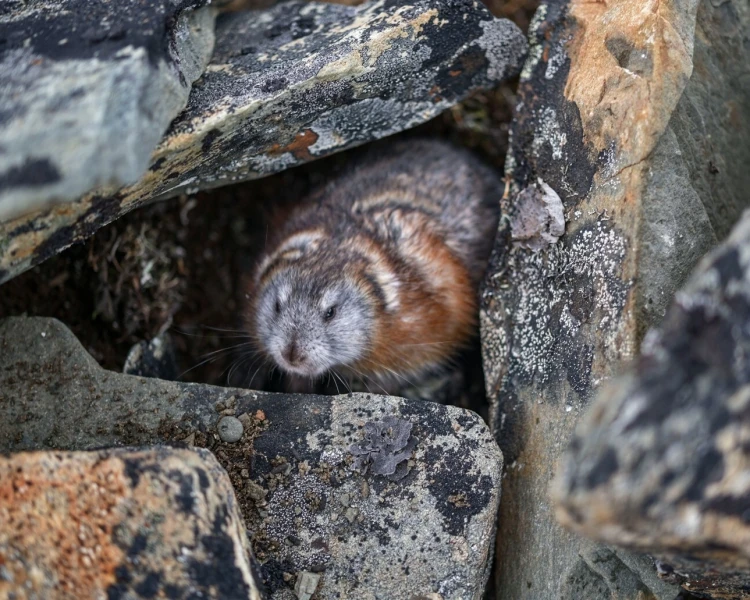
The Arctic tundra, a vast and seemingly desolate expanse, pulses with life beneath its frozen veneer. Among its most enigmatic inhabitants is the snowy owl, a bird of stark beauty and relentless predation. For centuries, these silent hunters have thrived in the harsh embrace of the northern wilderness, their survival intricately tied to the ebb and flow of lemming populations. But as the Arctic warms at an unprecedented pace, a question lingers in the crisp air: are the lemmings vanishing, and with them, the snowy owl’s lifeline?
How to Protect Owls from Poaching and Illegal Wildlife Trade

The night belongs to the owls. Silent architects of the dark, they drift on velvet wings, their golden eyes piercing the gloom like lanterns in a forgotten cathedral. These feathered sentinels—winged philosophers of the twilight—are not merely creatures of myth or Halloween lore. They are living barometers of ecological balance, whispering warnings through their haunting calls. Yet, their survival is under siege. Poaching and the illegal wildlife trade have turned their wings into currency, their habitats into battlegrounds. To protect them is not just an act of conservation; it is a rebellion against the creeping shadow of human greed. This is how we shield these nocturnal guardians from the claws of exploitation.
How Economic Interests Conflict with Owl Protection
The silent wings of an owl slicing through the night air are not just a spectacle of nature’s grace—they are a reminder of the delicate balance between human ambition and ecological integrity. Beneath the moonlit gaze of these feathered sentinels, a far more contentious drama unfolds: the collision between economic interests and the urgent need to protect owl populations. This is not merely a clash of priorities; it is a collision of worlds, where the relentless machinery of progress grinds against the fragile pulse of biodiversity. To understand this conflict is to peer into the heart of modern environmental dilemmas, where every decision casts a long shadow over the future of these enigmatic birds.
How Arctic Policy Is Failing to Address Snowy Owl Habitat Loss
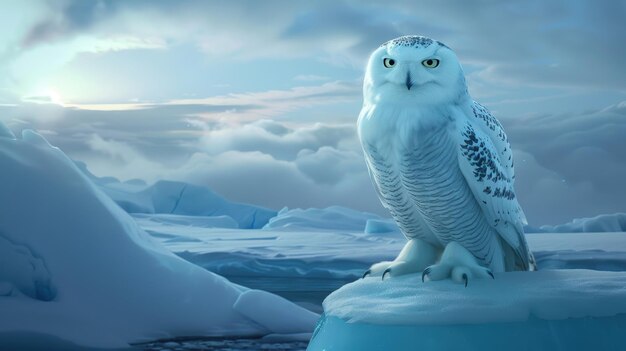
The Arctic, a realm of stark beauty and fragile balance, is undergoing a transformation that threatens its most iconic inhabitants. Among them, the snowy owl—Bubo scandiacus—stands as a silent sentinel of the tundra, its piercing yellow eyes reflecting the harsh yet magnificent landscape it calls home. Yet, beneath the shimmering expanse of ice and snow, a crisis looms. Arctic policy, once hailed as a bastion of conservation, is failing the snowy owl in ways that are as glaring as the Arctic midnight sun. This is not merely a story of environmental neglect; it’s a narrative of broken promises, misplaced priorities, and the urgent need for a radical reimagining of how we protect the Arctic’s most vulnerable species.