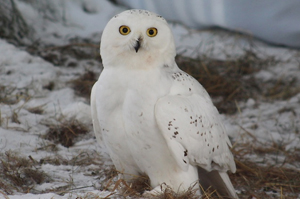
In the vast, wintry expanses where the snowy owl reigns as an emblem of the Arctic wilderness, a silent narrative unfolds—one that challenges our perceptions of survival, balance, and the fragility of predator-prey dynamics. The snowy owl, with its ghostly white plumage and penetrating gaze, has long captivated ecologists and wildlife enthusiasts alike. Yet, behind this majestic façade lies a complex interplay of ecological forces that contributes to the decline of their populations. Central to this narrative is an often overlooked protagonist: predators themselves. Far from mere villains in the story of snowy owl conservation, these predators offer a nuanced insight into the shifting mosaic of ecosystem health and resilience. Prepare to embark on a journey that reshapes how we understand the role of predators in the snowy owl’s fate, inviting you to reconsider a balance delicately poised between life and death.
Snowy Owls in Indigenous Arctic Traditions: Stories and Legends
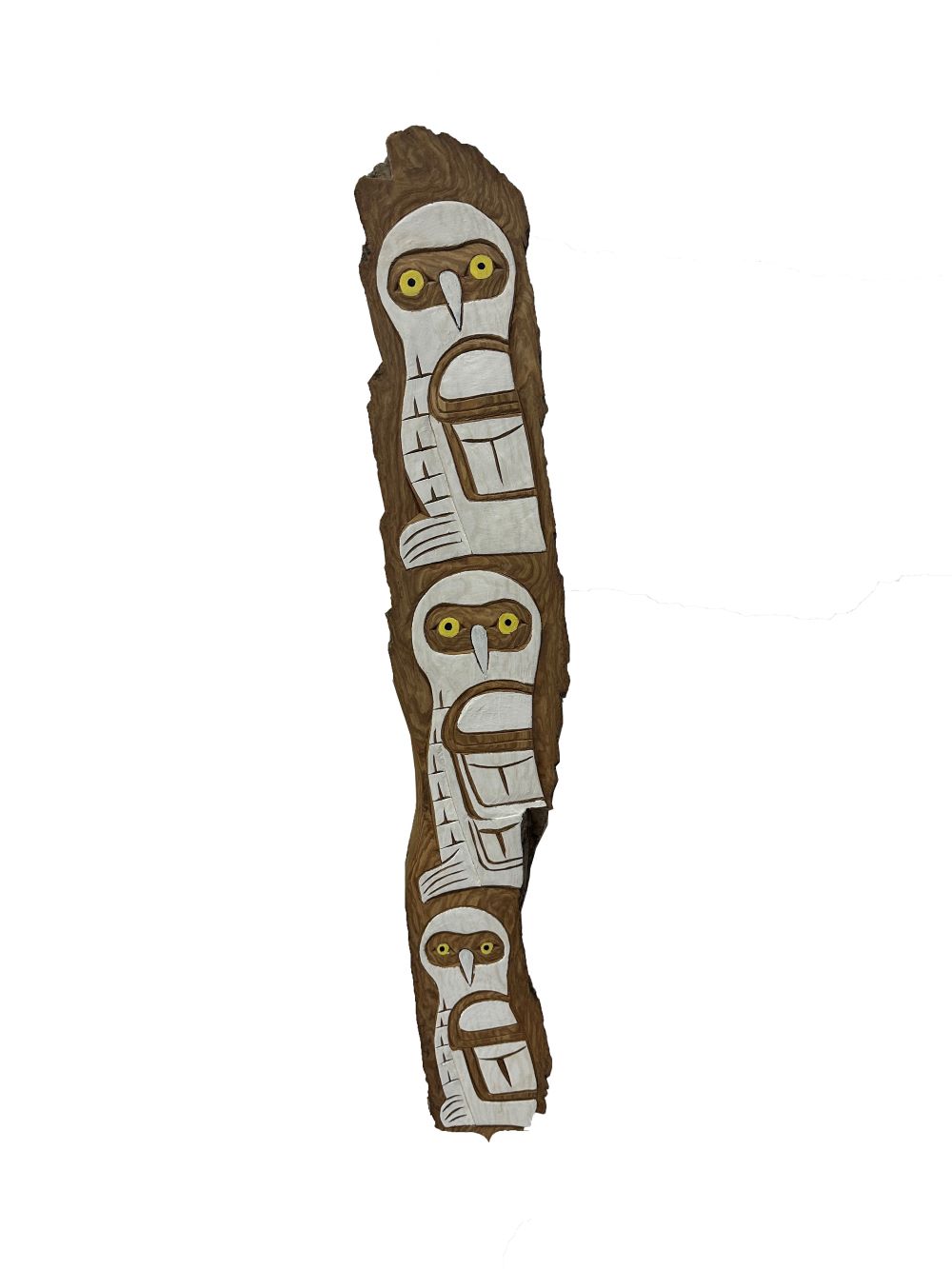
In the vast, frozen tundras where the sky kisses the earth, the Snowy Owl reigns as a spectral sentinel of the Arctic night. Cloaked in feathers as white as freshly fallen snow, it emerges not merely as a creature of the wild but as an emblem ensconced in layers of myth, reverence, and spiritual gravitas within Indigenous Arctic traditions. These birds, with eyes like molten gold and a presence both ghostly and commanding, traverse the boundary between the natural and the supernatural, weaving themselves into stories that whisper the deep truths of existence, transformation, and survival. The Snowy Owl’s beguiling allure stems not only from its ethereal appearance but from its manifold symbolism—an enduring metaphor carved into the collective consciousness of Indigenous peoples living amidst the infinite ice.
The Role of Controlled Burns in Restoring Spotted Owl Habitats
The spotted owl, a creature of quiet dignity and ancient forests, faces an existential crisis. Once a symbol of the Pacific Northwest’s old-growth ecosystems, its habitat has dwindled under the weight of industrial logging, climate change, and mismanagement. Yet, amid this bleak landscape, a flicker of hope emerges—not in the form of towering conservation decrees, but in the deliberate, controlled dance of fire. Controlled burns, a practice as old as the land itself, are now being reimagined as a feminist act of ecological restoration, a way to reclaim agency for both the land and the creatures that depend on it. This is not just about saving a species; it’s about restoring balance, challenging patriarchal narratives of domination over nature, and embracing a future where fire is not an enemy, but a partner in healing.
How the Barred vs. Spotted Owl Controversy Compares to Other Invasive Species Conflicts
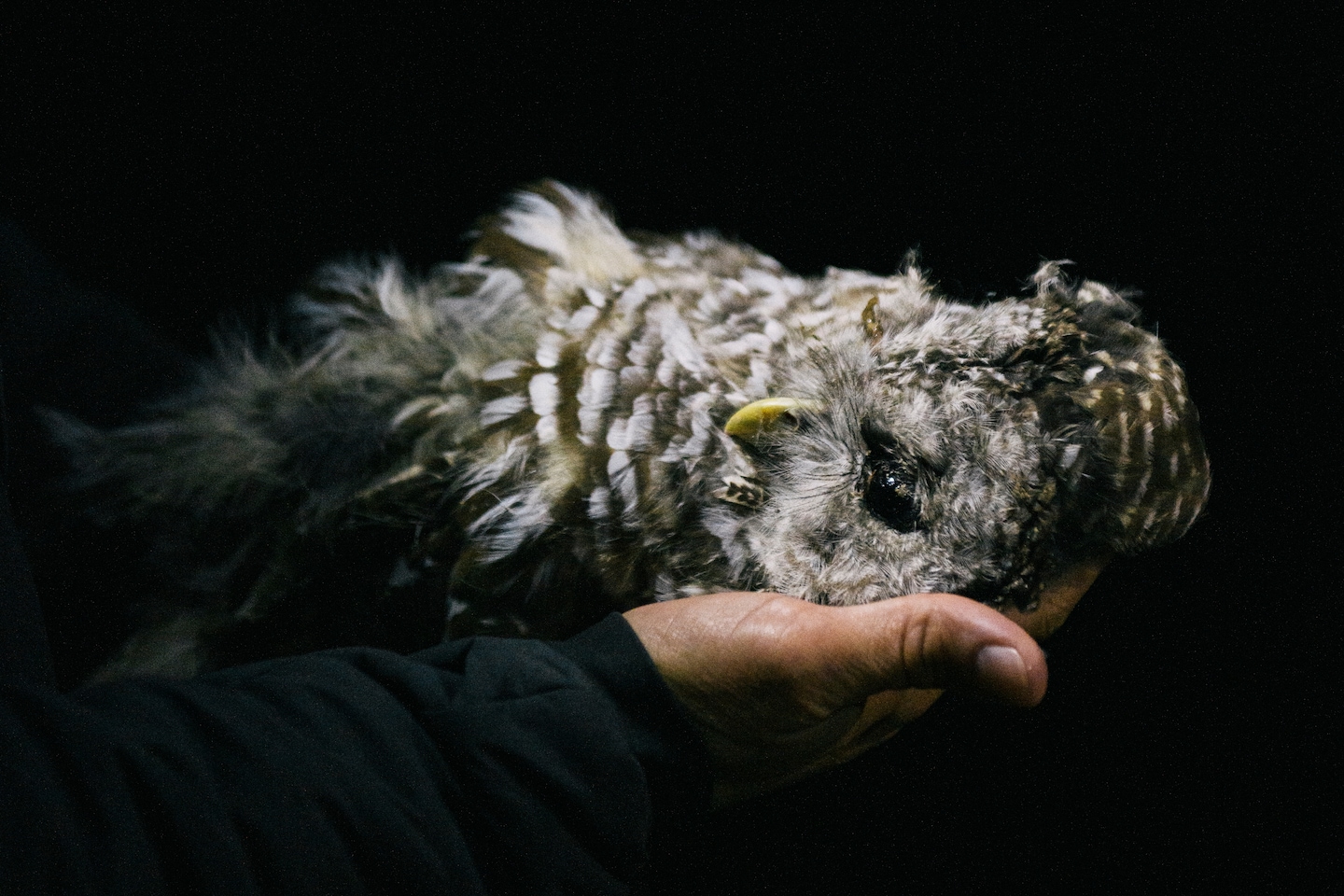
The barred owl, a native of the eastern United States, has become an unwelcome guest in the ancient forests of the Pacific Northwest. Its arrival, likely facilitated by human-induced habitat changes and climate shifts, has sparked a bitter conflict—one that pits conservation against compassion, ecology against ethics, and tradition against transformation. This isn’t just a story about owls. It’s a parable of our time, a mirror held up to the messy, often contradictory ways we grapple with invasive species in a world where boundaries blur and ecosystems tremble under the weight of human influence.
The Ethics of Owl Research: Balancing Knowledge and Harm

The study of owls—those enigmatic, nocturnal sentinels of the wild—has long captivated both scientists and laypeople alike. Their piercing gaze, silent flight, and haunting calls evoke a sense of mystery, making them symbols of wisdom in folklore and subjects of intense scientific scrutiny. Yet, as our fascination with these birds deepens, so too does the ethical dilemma surrounding their research. How do we balance the pursuit of knowledge with the potential harm to these creatures? This question lingers like a shadow over every field study, every nest inspection, every tagged individual released back into the wild. The ethics of owl research is not merely a footnote in ornithology; it is a moral compass that must guide every decision, from the choice of methodology to the dissemination of findings.
The Role of National Parks in Owl Conservation: Safe Havens or Tourist Traps?
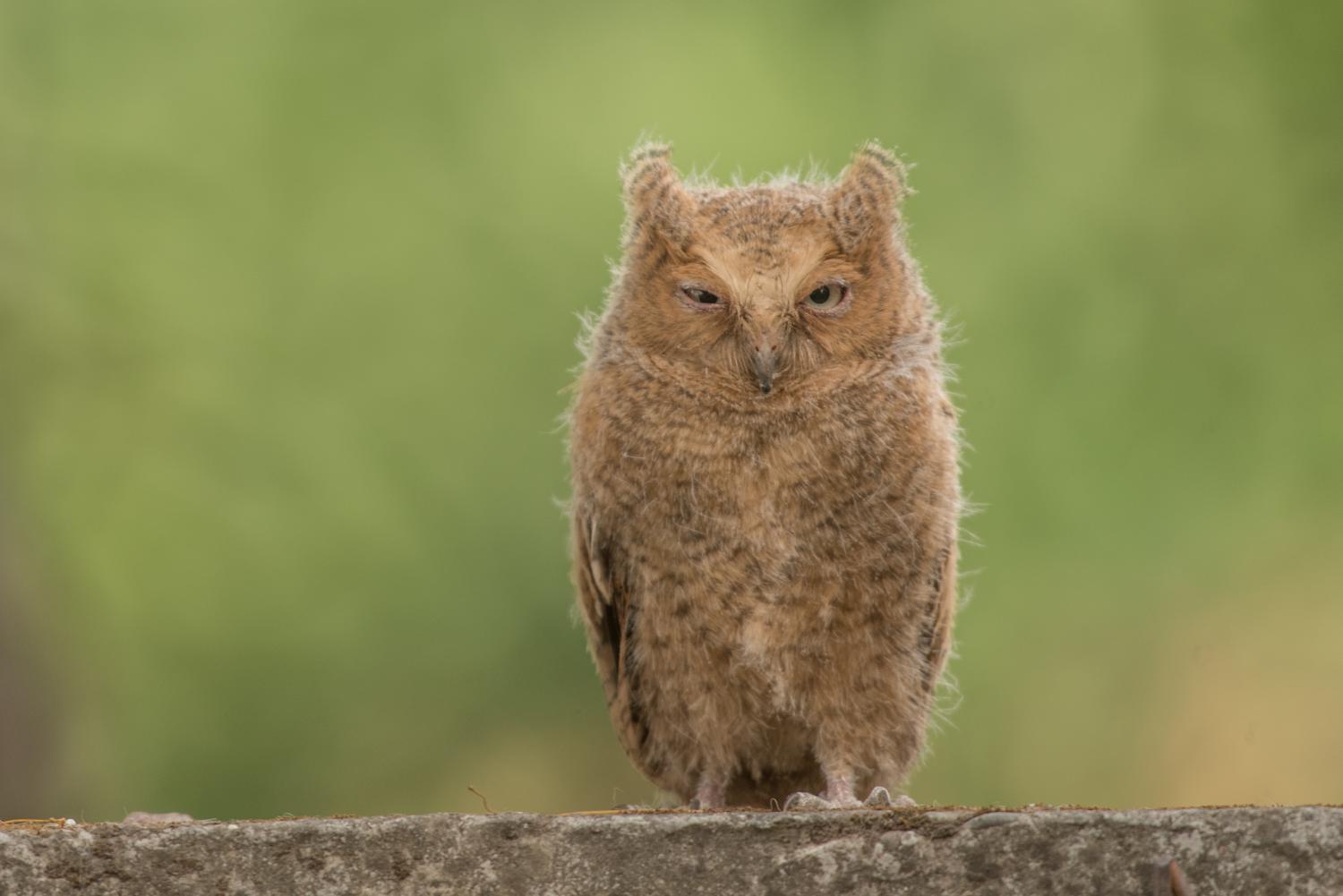
In the hushed twilight of ancient forests, where the air hums with the secrets of the wild, owls take flight—not just as predators, but as silent sentinels of an ecosystem teetering on the edge of balance. National parks, those vast cathedrals of conservation, stand as both bastions of biodiversity and contested stages for human spectacle. Are they sanctuaries where owls thrive, or merely backdrops for our fleeting curiosity? The answer lies in the shadows between policy and passion, where the fate of these nocturnal guardians is decided.
Owl Stories and Legends: Telling Tales from Around the World
In the hushed embrace of twilight, where the veil between worlds grows thin, the owl takes flight—not merely as a bird, but as a living parable, a whisperer of secrets, a keeper of forgotten tongues. Across continents and centuries, the owl has soared through the annals of human imagination, its silhouette etched into myths, its hoots echoing through legends like a siren’s call to the unknown. These nocturnal sentinels are not mere creatures of the night; they are storytellers, philosophers, and sometimes, ominous harbingers, their presence woven into the very fabric of cultural identity. From the wisdom-laden perches of Athena’s sacred owl in Greek lore to the trickster guffaws of the Native American thunderbird’s kin, the owl’s tale is as diverse as the landscapes it inhabits. To explore owl stories and legends is to embark on a journey through the human psyche, where fear and reverence intertwine like the roots of an ancient tree.
The Impact of Renewable Energy on Owl Populations

The wind whispers through the ancient oaks, carrying with it a question that has begun to haunt the twilight hours of conservationists and ornithologists alike: What if the very energy that powers our future is silently eroding the wings of our nightly sentinels? Owls, those enigmatic creatures of the dark, have long been the guardians of ecological balance, their presence a barometer of environmental health. Yet, as the world pivots toward renewable energy, a paradox emerges—one where the promise of sustainability casts a long, unyielding shadow over these nocturnal titans. The impact of renewable energy on owl populations is not a tale of villainy, but a complex narrative of unintended consequences, where the clash between progress and preservation demands our urgent attention.
How Climate Policy Affects Owl Habitats
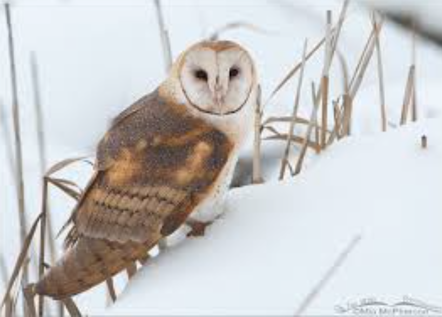
The silent sentinels of the night, owls, glide through the darkness with an almost supernatural grace. Their piercing gaze, a fusion of ancient wisdom and keen survival instinct, has watched over forests and fields for millennia. Yet today, these guardians of the twilight face an unprecedented threat—not from predators, but from the invisible hand of climate policy. It’s a paradox: the very measures designed to heal the planet may, if misaligned, unravel the delicate tapestry of habitats these birds depend on. To understand this, we must step beyond the well-trodden paths of carbon accounting and policy jargon, and instead, listen to the whispers of the wind through the trees, the rustle of leaves in the warming air, and the silent plea of an owl’s territory shrinking under the weight of human ambition.
The Role of International Treaties in Protecting Migratory Owl Species
The silent wings of migratory owls cut through the twilight, carrying secrets of distant forests and untold ecological narratives across borders. These feathered wanderers, often overlooked in the grand tapestry of conservation, face a labyrinth of threats—habitat fragmentation, climate-induced displacement, and the unrelenting encroachment of human development. Yet, in the shadowed corridors of international diplomacy, a beacon of hope flickers: treaties. Not mere scraps of paper, but living covenants that bind nations to a shared destiny. These agreements are not just legal documents; they are lifelines, threading together fragmented habitats and stitching back the torn fabric of ecosystems. The role of international treaties in protecting migratory owl species is not just a matter of policy—it is a testament to humanity’s capacity to rise above fragmentation and embrace a future where no owl’s journey ends prematurely.