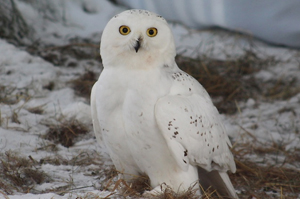
In the vast, wintry expanses where the snowy owl reigns as an emblem of the Arctic wilderness, a silent narrative unfolds—one that challenges our perceptions of survival, balance, and the fragility of predator-prey dynamics. The snowy owl, with its ghostly white plumage and penetrating gaze, has long captivated ecologists and wildlife enthusiasts alike. Yet, behind this majestic façade lies a complex interplay of ecological forces that contributes to the decline of their populations. Central to this narrative is an often overlooked protagonist: predators themselves. Far from mere villains in the story of snowy owl conservation, these predators offer a nuanced insight into the shifting mosaic of ecosystem health and resilience. Prepare to embark on a journey that reshapes how we understand the role of predators in the snowy owl’s fate, inviting you to reconsider a balance delicately poised between life and death.
Predators as Architects of Ecosystem Equilibrium
Predators exist not simply as agents of destruction but as keystones in the delicate web of the Arctic tundra. Their presence regulates populations of various species, including competing predators and prey. This trophic regulation maintains a fragile equilibrium essential for the snowy owl’s survival. When predator dynamics shift, intentionally or otherwise, the result can cascade into unintended consequences. For example, an increase in generalist predators such as red foxes encroaching into traditional snowy owl habitats can amplify predation pressure on owl nests and juvenile owls. This imbalanced predation threatens to undercut reproductive success, creating the insidious effect of population decline over time.
Inter-Predator Competition and Niche Overlap
Snowy owls are not impervious to the pressures exerted by other carnivores that share overlapping ecological niches. Predators like great horned owls and gyrfalcons often vie for similar prey bases and nesting territories, leading to both direct and indirect competition. This competition can manifest in increased aggressive encounters, displacement from prime hunting grounds, or elevated stress levels that undermine reproductive capacity. The intertwining fates of these species sculpt biotic communities where one predator’s gain can translate into another’s loss, highlighting the complex interplay between predatory forces and snowy owl population dynamics.

The Rise of Mesopredators: An Underestimated Threat
The phenomenon known as “mesopredator release”—where smaller predators expand their populations due to the absence or decline of apex predators—poses a burgeoning challenge for snowy owls. In many Arctic and sub-Arctic regions, changing environmental conditions and human activities have diminished the numbers of apex predators, indirectly allowing mesopredators such as ravens, jaegers, and foxes to thrive unabated. These mesopredators, though smaller in size, exhibit high reproductive rates and opportunistic feeding habits, which place intense predation pressure on snowy owl eggs and fledglings. This subtle shift in predator hierarchy reshapes mortality rates in ways that are both profound and insidious, undermining the resiliency of snowy owl populations.
Climatic Shifts and Habitat Transformation
Climate change silently orchestrates a transformative symphony across Arctic ecosystems, altering not only landscapes but also predator-prey relationships. As warming trends accelerate, the intricate balance within snowy owl habitats is disrupted. Changing snow cover and vegetation patterns modify the hunting efficiency and territorial ranges of both prey and predators. More troublingly, warming climates facilitate the northward expansion of predators previously constrained by harsher conditions, introducing novel threats to snowy owls accustomed to more inhospitable environs. This dynamic illustrates how shifts in climate serve as catalysts for altering predation regimes, contributing significantly to the decline in snowy owl populations.
Human Influence: Amplifying Predator Impacts
While predators naturally partake in population control, human activities often exacerbate their influence in unforeseen ways. Habitat fragmentation, pollution, and resource exploitation degrade the Arctic environment, indirectly heightening predator encounters with snowy owls. Anthropogenic food sources can attract mesopredators, increasing their densities far beyond historical norms. Moreover, human-induced declines in prey species force predators to diversify their diets, sometimes at the expense of snowy owl survival. The intersection of these anthropogenic pressures with predator-prey dynamics forms a convoluted web of causality that demands careful scrutiny.
Conservation Strategies: Embracing Complexity
Addressing the decline of snowy owls necessitates transcending simple predator versus prey paradigms. Effective conservation strategies must acknowledge the multifaceted roles predators play within Arctic ecosystems. This includes stabilizing apex predator populations to curb mesopredator proliferation, restoring habitat integrity to retain natural hunting grounds, and mitigating the ripple effects of climate change. Research and management efforts focused on predator dynamics can unravel the cryptic mechanisms driving snowy owl population changes, illuminating pathways towards sustainable coexistence. Embracing this ecological complexity allows for more nuanced interventions, poised to foster resilience amid rapidly changing environments.
Shifting Perspectives: Predators as Partners, Not Just Perpetrators
Ultimately, reframing predators not as mere perpetrators of decline but as integral components of ecological balance promises a paradigm shift. Recognizing their role as nature’s regulators opens the door to more inclusive conservation philosophies—ones that respect the interdependence of species rather than vilify individual actors. This shift in perspective challenges us to consider that the survival of the snowy owl depends as much on healthy predator communities as on direct protective measures. In this intertwined dance of survival, it is not predator versus prey, but predator and prey—locked in an ancient, evolving relationship that both shapes and sustains life in one of Earth’s most unforgiving realms.
The snowy owl’s haunting silhouette against the Arctic twilight is more than a symbol of beauty; it is a testament to an ecological saga where the forces of predation engrave indelible marks on populations and landscapes alike. Understanding and embracing the complex role of predators invites us to protect not just a species, but the enduring vitality of the Arctic itself.