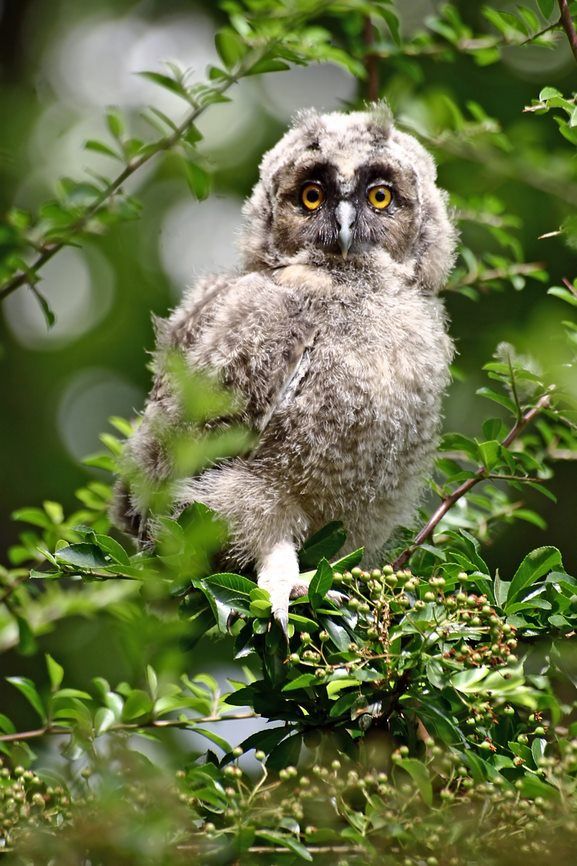
There is a silent sentinel that drifts through the twilight, a feathered philosopher whose gaze pierces the dusk like a blade of moonlight. The owl—winged specter of the night—does not merely observe; it embodies the mystery of the unseen, the wisdom of the shadows, the quiet pulse of the wild. To invite such a creature into your backyard is not just to adorn your space with a living emblem of nature’s profundity, but to weave a thread between the mundane and the mythic. It is an act of co-creation, a whispered pact between human and wild, where the rustle of leaves becomes a conversation and the darkening sky a canvas for silent flight. This is not merely about attracting an owl; it is about awakening a presence that transforms your garden into a sanctuary of the extraordinary.
The Whispering Woods: Crafting a Habitat That Speaks to the Night
Owls are not mere visitors; they are connoisseurs of concealment. To lure them, your backyard must become a labyrinth of whispers—a place where the air hums with the scent of old wood, damp earth, and the faint metallic tang of unseen prey. Begin with the architecture of silence: dense evergreens like spruce or pine, their boughs forming a cathedral of shade. Understory shrubs—hawthorn, serviceberry, or hazel—should rise like sentinels, their tangled branches offering both perch and concealment. Avoid the sterile symmetry of manicured lawns; instead, let the land grow wild in patches, where fallen logs rot into fungal feasts for beetles, and voles dart through the undergrowth like fleeting shadows.
Water is the lifeblood of this nocturnal realm. A shallow pond, a bubbling fountain, or even a wide, flat stone filled with rainwater can become a magnet for frogs, mice, and insects—each a potential meal for an owl. Position it near dense cover, where the owl can swoop unseen, its talons skimming the surface like a brushstroke across still water. The sound of dripping or trickling water carries on the night breeze, a siren call to creatures of the dark.

The Hollow Throne: Designing Nest Boxes That Become Owl Palaces
A nest box is not merely a wooden box; it is a throne carved from the heart of the forest, a sanctuary where the owl may brood its secrets undisturbed. The dimensions matter: for a barn owl, a box measuring 12x12x24 inches with a 6-inch entrance hole is ideal. For screech owls, smaller—8x8x16 inches with a 3-inch hole—suffices. The wood should be untreated cedar or pine, its grain whispering stories of ancient forests. Avoid pressure-treated lumber; its chemicals are a silent poison to the delicate lungs of fledglings.
Mount the box 10 to 20 feet high, on a sturdy post or the trunk of a mature tree, facing away from prevailing winds. The entrance should be unobstructed, a clear runway for silent entry. Inside, line the floor with a thin layer of wood shavings or dry leaves—just enough to cushion eggs without inviting predators. Avoid adding perches; owls do not need them, and they only serve as footholds for raccoons or squirrels. The box should feel like a hollowed-out tree, a natural extension of the wild.
Timing is crucial. Install the box in late winter or early spring, before the breeding season begins. Owls are creatures of habit; once they claim a site, they return year after year. Patience is your ally. It may take months, even a year, for an owl to discover your offering. But when it does, the moment is electric—a flash of white in the moonlight, a soft hoot like a distant chime, and suddenly, your backyard is no longer just yours.
The Silent Pact: Understanding Owl Behavior and Etiquette
Owls are not pets. They are wild, autonomous beings with their own rhythms and rules. To attract them is to enter into a silent pact—one that demands respect and restraint. Avoid using bright lights or loud noises near the nest box; owls are creatures of the dark, and disruptions can drive them away. Keep pets indoors at night, especially cats, which are natural predators and will unsettle even the most tolerant owl.
Observe from a distance. Owls are most active at dawn and dusk, their silhouettes flickering between the trees like living shadows. Listen for their calls—the eerie trill of a screech owl, the haunting shriek of a barn owl, the deep, resonant hoots of a great horned owl. Each sound is a language, a story told in the dark. If you are fortunate enough to witness an owl hunting, watch in awe but do not interfere. The hunt is a sacred dance, a ballet of precision and instinct.
Remember: owls are not here to entertain you. They are here because your backyard offers something rare—a haven of safety, abundance, and quiet. Your role is not to possess them, but to become a steward of their presence, a guardian of the night’s mysteries.
The Feast of Shadows: Cultivating a Prey-Rich Environment
An owl’s presence is not just about shelter; it is about sustenance. To keep an owl returning, your backyard must teem with life—small mammals, insects, and amphibians that form the backbone of its diet. Start by planting native grasses and wildflowers that attract voles, mice, and shrews. These rodents are the owl’s bread and butter, their rustling in the undergrowth a dinner bell for the night hunter.
Encourage insects with night-blooming plants like evening primrose or moonflower. Moths, beetles, and crickets will flutter and scuttle, drawing bats and insectivorous birds that, in turn, become secondary prey. Frogs and toads thrive in damp, undisturbed corners, their croaks a symphony of the wetlands. Even earthworms, plowed to the surface by rain, become a feast for a hungry owl’s talons.
Resist the urge to “clean up” too thoroughly. Leave leaf litter undisturbed, let dead trees stand (if safe), and allow a tangle of vines to creep along the fence. These are not eyesores; they are the infrastructure of a thriving ecosystem, a buffet for the night’s most enigmatic diners.
The Owl’s Omen: Symbolism and the Deeper Magic of Presence
To have an owl in your backyard is to hold a mirror to the soul of the wild. In many cultures, the owl is a messenger—a bringer of secrets, a guide through the underworld, a symbol of intuition and hidden knowledge. Its presence is not just a gift to your senses; it is an invitation to see the world differently. The owl does not ask for your attention; it simply arrives, as it has for millennia, a silent witness to the turning of the seasons.
There is a quiet revolution in inviting such a creature into your life. It is a rejection of the artificial glow of screens, a return to the primal rhythms of the earth. In the owl’s gaze, you may find not just a predator, but a teacher—a reminder that the night is not a void, but a canvas of endless possibility. Its flight is a metaphor for freedom, its stillness a lesson in patience. To share your space with an owl is to embrace the unknown, to welcome the mysterious into the familiar.
So build the nest box. Plant the wildflowers. Let the leaves accumulate. And when the first hoot echoes through the dark, listen closely. The night has just begun to speak.