In the dense tapestries of South America’s verdant forests, an enigmatic chorus once echoed through moonlit nights — the haunting hoots and whispering wings of owls. These nocturnal sentinels, cloaked in silence and mystery, are now wavering on the precipice of survival. The relentless march of deforestation has cast a long shadow over their ancient habitats, unraveling ecosystems and threatening species that have thrived for millennia. This unfolding saga is not merely a tale of loss but beckons a profound reexamination of humanity’s relationship with nature, igniting a spark of curiosity about the delicate balances we so often overlook.
The Silent Vanishing: Understanding the Impact of Deforestation on Owl Habitats
South America’s lush rainforests have long been sanctuaries for a staggering diversity of owl species, from the solemn Spectacled Owl to the elusive Mottled Owl. Yet, as swaths of forest fall under the axe, these arboreal refuges fragment, shrink, and sometimes vanish entirely. The interplay between deforestation and habitat degradation is complex. Rather than simply reducing the physical space owls inhabit, it disturbs intricate ecological networks: prey availability dwindles, nesting sites are lost, and microclimates transform. Owls, masters of adaptation, find themselves in an inhospitable maze, with their survival strategies rendered ineffective in patchy, fragmented landscapes.
The consequences ripple beyond mere displacement. These creatures, often apex nocturnal predators, play pivotal roles in regulating rodent populations and maintaining ecological order. Their disappearance could unravel these balances, compounding the peril faced by the forest itself. In many ways, the plight of owls serves as a barometer for the forest’s health — a clarion call signaling ecological distress.

Deforestation Drivers: Agriculture’s Unyielding Grip
Peering beneath the canopy of this environmental crisis reveals multifaceted forces propelling deforestation, with agriculture as a dominant protagonist. The insatiable global demand for beef, soy, and palm oil has fueled expansive cattle ranching and monoculture plantations across South America’s fertile lands. Forests are razed not only for immediate economic gain but also to stake claims in a fiercely competitive agrarian landscape.
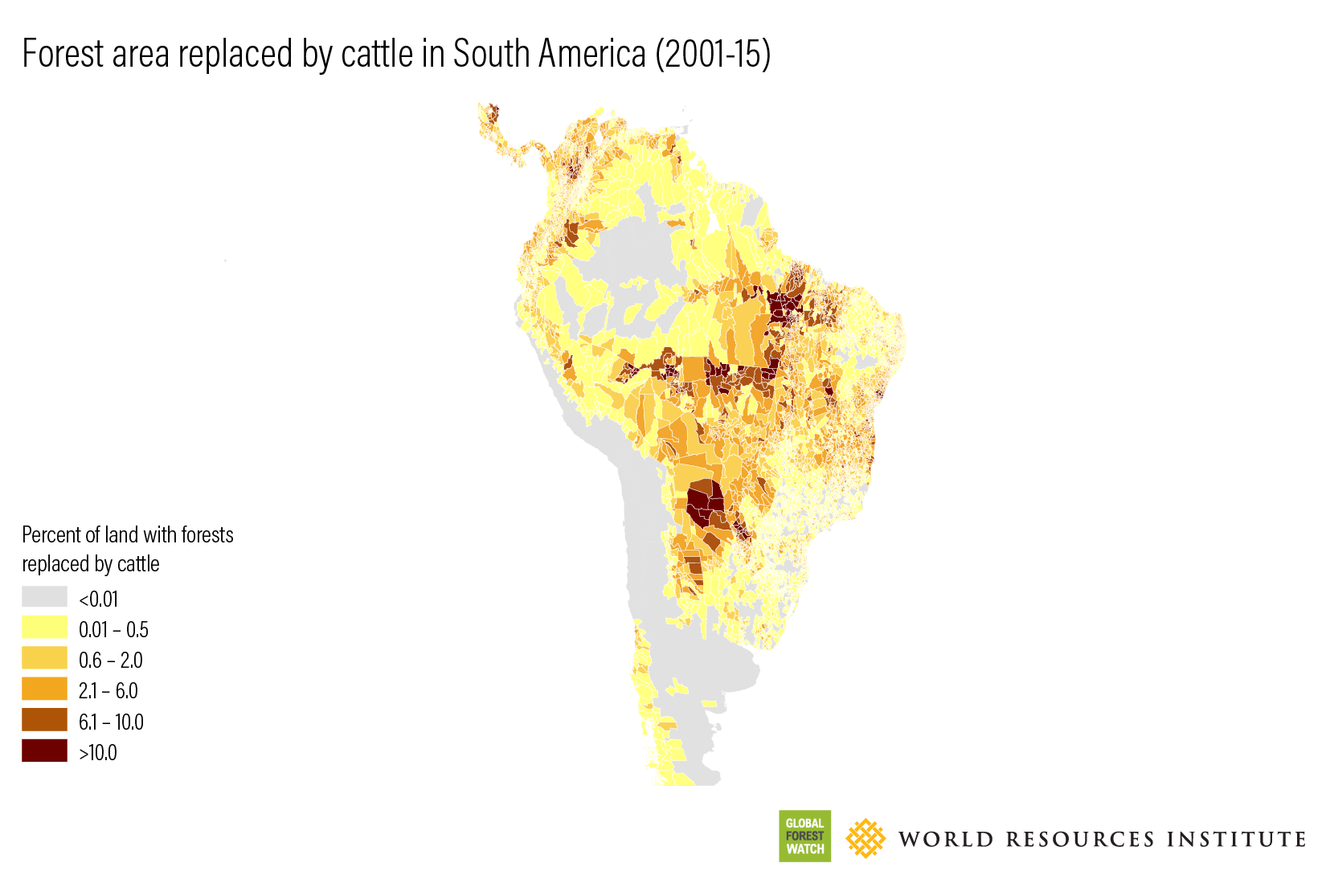
Notably, cattle ranching has left an indelible mark. Vast tracts once teeming with biodiversity now give way to pastures, their once diverse ecosystems impoverished by single-use exploitation. The intimate connection between replaced cattle indicators and deforestation-linked agriculture unravels a disturbing narrative: economic development at the expense of irreplaceable natural heritage.
Yet, this paradigm invites reflection. Can there be a reconceptualization of land use where economic imperatives align with conservation? Is it possible to cultivate coexistence rather than competition? These questions spur deeper inquiry into sustainable strategies and cultural transformations.
The Enigmatic Role of Owls in South America’s Ecosystems
Owls are not mere inhabitants but keystone species in South American ecosystems. Their predation patterns help modulate populations of small mammals and insects, indirectly influencing vegetation and the overall health of the forest floor. Each silent flight and probing stare conceals a vital role in the intricate food web, perpetuating cycles of life and decay.
Moreover, owls harbor cultural significance for indigenous communities, symbolizing wisdom, mystery, and connection to the natural world. As habitat loss threatens these birds, the cultural tapestry woven through generations frays as well. The disappearance of owls thus resonates beyond biology — it disrupts ethnological narratives and spiritual relationships.
Recognizing these dimensions underscores the urgency of preserving their habitats. Conservation is not a mere technical endeavor but a safeguarding of irreplaceable natural and cultural heritage.
Conservation Efforts: Charting a Course Toward Reconciliation
Amidst daunting challenges, a glimmer of hope emerges from innovative conservation endeavors that endeavor to restore balance. Protected areas, reforestation projects, and sustainable land management practices are pioneering paths through the wilderness of degradation.
Community engagement lies at the heart of these successes. Empowering indigenous and local populations — custodians of traditional ecological knowledge — fosters stewardship rooted in reverence and practical wisdom. This partnership approach challenges the historical narrative of conservation as exclusionary, opening new avenues for coexistence.
Additionally, scientific advances illuminate owl behavior, habitat needs, and responses to environmental changes, enabling targeted interventions. Bioacoustic monitoring, for example, captures owl calls to track populations, offering low-impact methods to gauge conservation efficacy.
Reimagining Our Relationship with the Night’s Guardians
Ultimately, the plight of South America’s owls invites a radical shift in human perspective. No longer can these creatures be relegated to the periphery as obscure wildlife. Their fate interlocks with our own, entwined through ecological flows, cultural narratives, and ethical responsibility.
Engaging with this narrative demands that we listen to the silent voices of the forest, attuned to the subtle symphonies of the night. It challenges us to interrogate consumption patterns, land use systems, and the very definitions of progress. Through curiosity and empathy, we might awaken to a worldview where owls are not merely victims but symbols of resilience and interconnectedness.
In the shadows of South America’s vanishing forests, a lesson lurks — one of reverence, humility, and shared destiny. To save the owls is to reclaim a measure of harmony with nature, safeguarding the tapestry of life that sustains us all.
