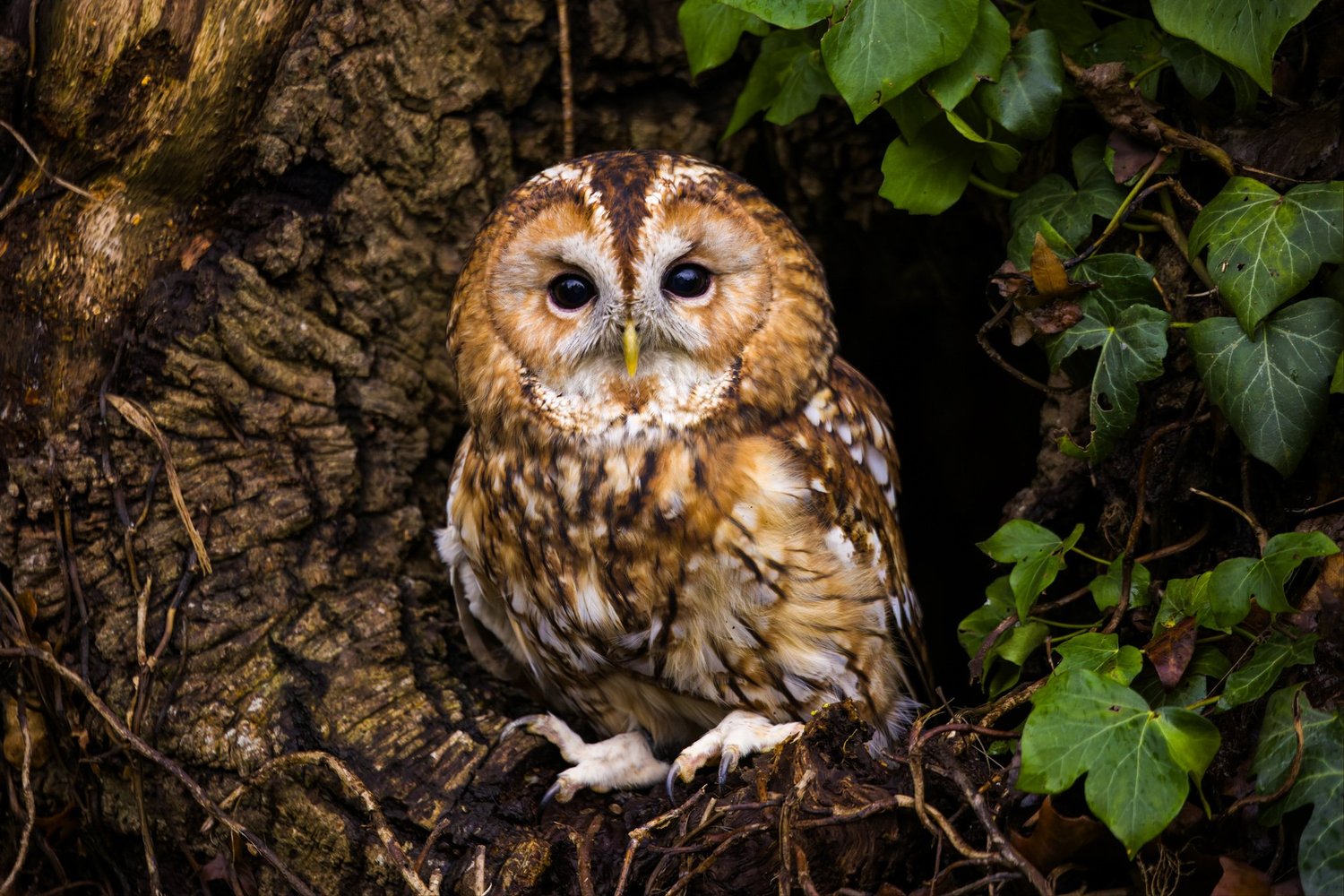
In the quiet hush of twilight, when the world slows to a whisper, the barred owl’s call echoes through ancient forests—a haunting melody that has stirred human hearts for centuries. Yet, beneath this poetic veneer lies a harsh reality: owl populations have faced relentless pressure from habitat loss, climate shifts, and human encroachment. Enter the unsung heroes of conservation—citizen petitions. These grassroots movements, fueled by passion and persistence, have reshaped owl protection laws, turning the tide in favor of these enigmatic birds. From legal battles to public awareness campaigns, citizen-led initiatives have become a formidable force in wildlife advocacy. This is the story of how ordinary people, armed with nothing but determination, rewrote the rules for owl conservation.
The Power of Collective Voices: How Petitions Spark Legal Change
Citizen petitions are more than just digital signatures on a screen; they are the first volley in a war for ecological justice. When a petition garners enough support, it transforms from a plea into a political mandate, forcing lawmakers to confront issues they might otherwise ignore. Take the case of the northern spotted owl, a species once teetering on the brink due to deforestation. In the 1990s, a wave of citizen petitions demanded stricter protections under the Endangered Species Act. The result? A landmark ruling that expanded critical habitat designations, shielding millions of acres from logging. This wasn’t just a win for owls—it was a testament to the power of collective action. Petitions serve as a bridge between public sentiment and legislative action, ensuring that conservation isn’t just an afterthought but a priority.
Grassroots to Global: The Ripple Effect of Local Advocacy
Not all petitions start with a bang—they often begin in the quiet corners of local communities. Consider the story of a small town in Oregon, where residents noticed a sharp decline in barn owl sightings. A local conservation group launched a petition demanding stricter pesticide regulations in agricultural zones. What began as a neighborhood concern soon snowballed into a statewide movement, culminating in a ban on certain neurotoxic chemicals. This local triumph didn’t stay local. Similar petitions emerged in Europe and Australia, where farmers and ecologists joined forces to protect owl species threatened by agrochemicals. The lesson is clear: when citizens rally around a cause, their impact transcends borders. A single petition can ignite a global conversation, proving that even the smallest voices can echo loudly in the halls of power.

The beauty of citizen-led advocacy lies in its adaptability. Petitions aren’t bound by rigid structures—they can target specific industries, like timber or mining, or focus on broader issues like climate change. For instance, a petition demanding the preservation of old-growth forests in British Columbia didn’t just save owl habitats; it also safeguarded entire ecosystems, from salmon streams to ancient cedar groves. This holistic approach ensures that owl protection isn’t an isolated effort but part of a larger, interconnected web of conservation.
From Petitions to Policy: The Behind-the-Scenes Battle
Securing signatures is only half the battle—the real work begins when petitions land on the desks of policymakers. Here, the art of persuasion takes center stage. Lawmakers, often inundated with competing interests, need compelling narratives to justify action. Citizen petitions that pair data with storytelling stand the best chance of success. For example, a petition to expand owl sanctuaries in the Amazon included not just scientific reports but also firsthand accounts from indigenous communities who had witnessed the decline of spectacled owls. This blend of hard evidence and human emotion creates a persuasive case that’s hard to ignore.
Yet, the path from petition to policy is fraught with obstacles. Industry lobbyists often push back, framing conservation as a threat to economic growth. In such cases, citizen advocates must employ strategic maneuvering—leveraging media coverage, organizing rallies, and even filing lawsuits to keep pressure on decision-makers. The fight to protect the burrowing owl in California’s Central Valley is a prime example. After a petition secured over 100,000 signatures, developers attempted to dilute the protections. Undeterred, advocates took their case to court, citing violations of the California Environmental Quality Act. The resulting legal precedent set a new standard for how citizen-driven petitions could be enforced.
The Digital Revolution: How Social Media Amplifies Petitions
In the 21st century, petitions no longer rely solely on door-to-door canvassing or town hall meetings. The digital age has democratized advocacy, allowing petitions to spread like wildfire across social media platforms. A single viral post can catapult a local issue into the global spotlight. Consider the #SaveTheSnowyOwl campaign, which began as a small online plea to halt wind farm construction in the Arctic tundra. Within weeks, the hashtag trended worldwide, drawing support from celebrities, scientists, and environmental groups. The petition that followed amassed over 500,000 signatures, prompting international bodies to reconsider the project’s environmental impact.
Social media also enables real-time engagement, where supporters can share updates, debunk misinformation, and mobilize in record time. Platforms like Twitter and Instagram have become battlegrounds for conservation, where infographics, drone footage, and even owl-themed memes can sway public opinion. The key to success lies in crafting content that resonates emotionally—whether it’s a heartbreaking image of a fledgling owl entangled in plastic or a hopeful story of a community that successfully restored a wetland. In this digital ecosystem, petitions are no longer static documents; they are dynamic, evolving narratives that captivate and compel.
Challenges and Criticisms: The Limits of Citizen Petitions
Despite their successes, citizen petitions are not a panacea. Critics argue that they can be performative, with some campaigns fizzling out after the initial surge of attention. Others point to the “slacktivism” phenomenon, where signing a petition replaces meaningful action. The reality is that petitions are most effective when paired with on-the-ground efforts—habitat restoration, volunteer monitoring, and public education. For example, the petition to protect the great gray owl in Finland’s boreal forests was only the first step; the real victory came when local volunteers partnered with scientists to track owl populations and restore degraded peatlands.
There’s also the issue of accessibility. Not everyone has the time or resources to engage in advocacy, and marginalized communities often face barriers to participation. To address this, some organizations have turned to multilingual petitions, ensuring that non-English speakers can have their voices heard. Others have focused on simplifying the process, with platforms like Change.org offering one-click signing options. The goal is to make advocacy inclusive, recognizing that owl conservation is a universal cause that transcends language and borders.
The Future of Owl Advocacy: What’s Next for Citizen Petitions?
The fight for owl protection is far from over. As climate change accelerates and urban sprawl encroaches on wild spaces, new threats emerge daily. Yet, the tools for resistance are evolving. Artificial intelligence, for instance, is being used to analyze satellite imagery and predict habitat loss before it happens, giving petitions a data-driven edge. Meanwhile, virtual reality experiences are immersing supporters in owl habitats, fostering deeper emotional connections to these birds.
Looking ahead, the most promising petitions will likely blend technology with traditional activism. Imagine a petition that uses blockchain to track signatures transparently or a campaign that deploys drones to document illegal logging in real time. The future of owl advocacy lies in innovation, where citizens harness the full spectrum of modern tools to protect these magnificent creatures. One thing is certain: as long as there are owls to protect, there will be people willing to fight for them. And with each petition, each rally, each legal battle, the laws protecting these birds grow stronger—one collective voice at a time.