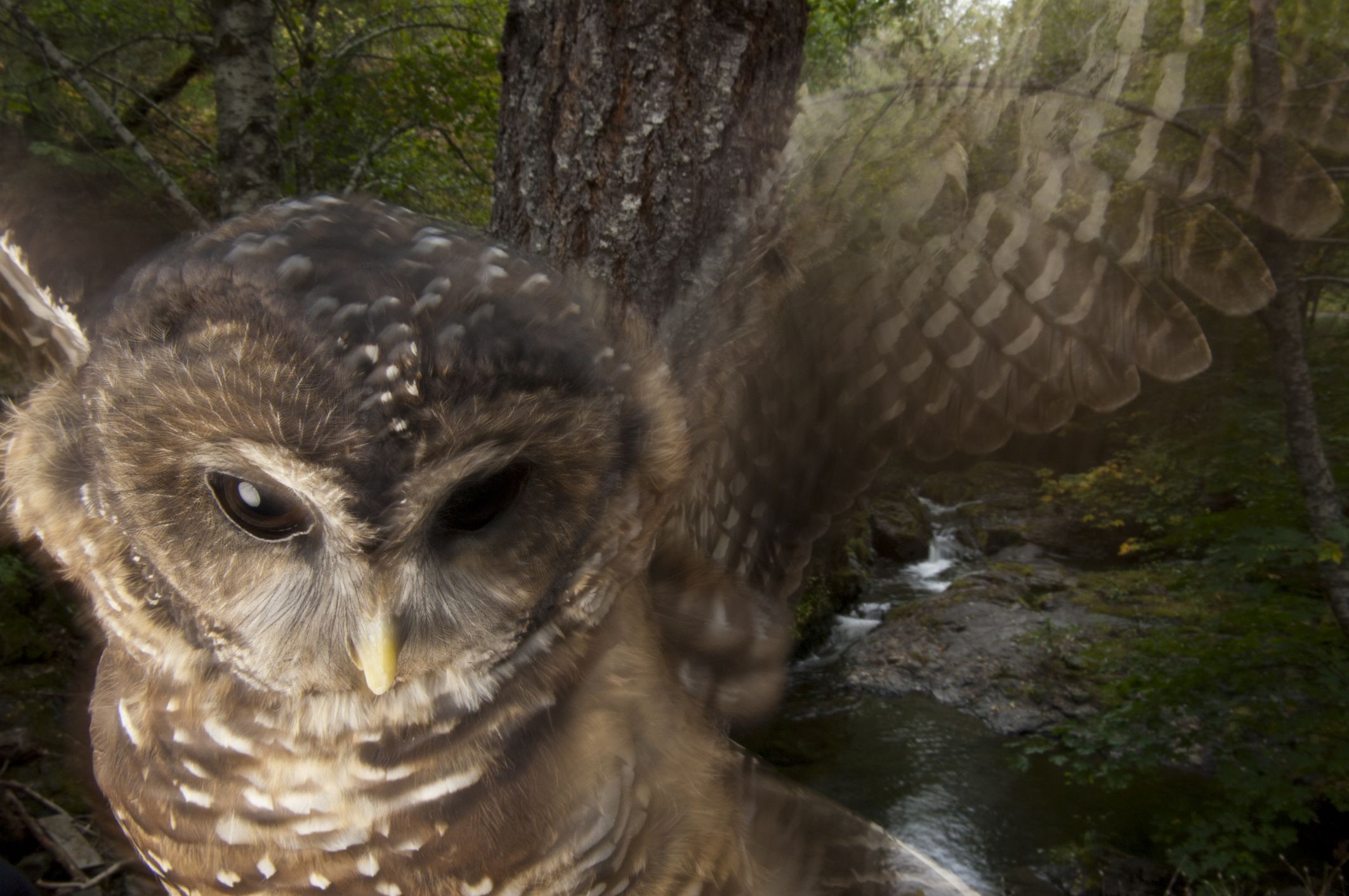
Observing the elusive Spotted Owl in its natural habitat is a profoundly rewarding experience, one fraught with moments of anticipation and delight. These majestic birds, symbols of old-growth forests and ecological mystery, challenge even the most seasoned birdwatchers. Understanding the ebb and flow of the seasons reveals the best windows of opportunity to glimpse these enigmatic creatures in action. Each period of the year unfurls a distinct chapter in the owl’s life cycle, beckoning observers to immerse themselves in a richly varied tapestry of behaviors, sounds, and environments. This guide unravels the nuances of when and how to witness the Spotted Owl, with a focus on seasonally tailored viewing experiences that elevate appreciation for this treasured species.
 Amanda Graves
Barred Owl Hunting Techniques: Aggression and Opportunism
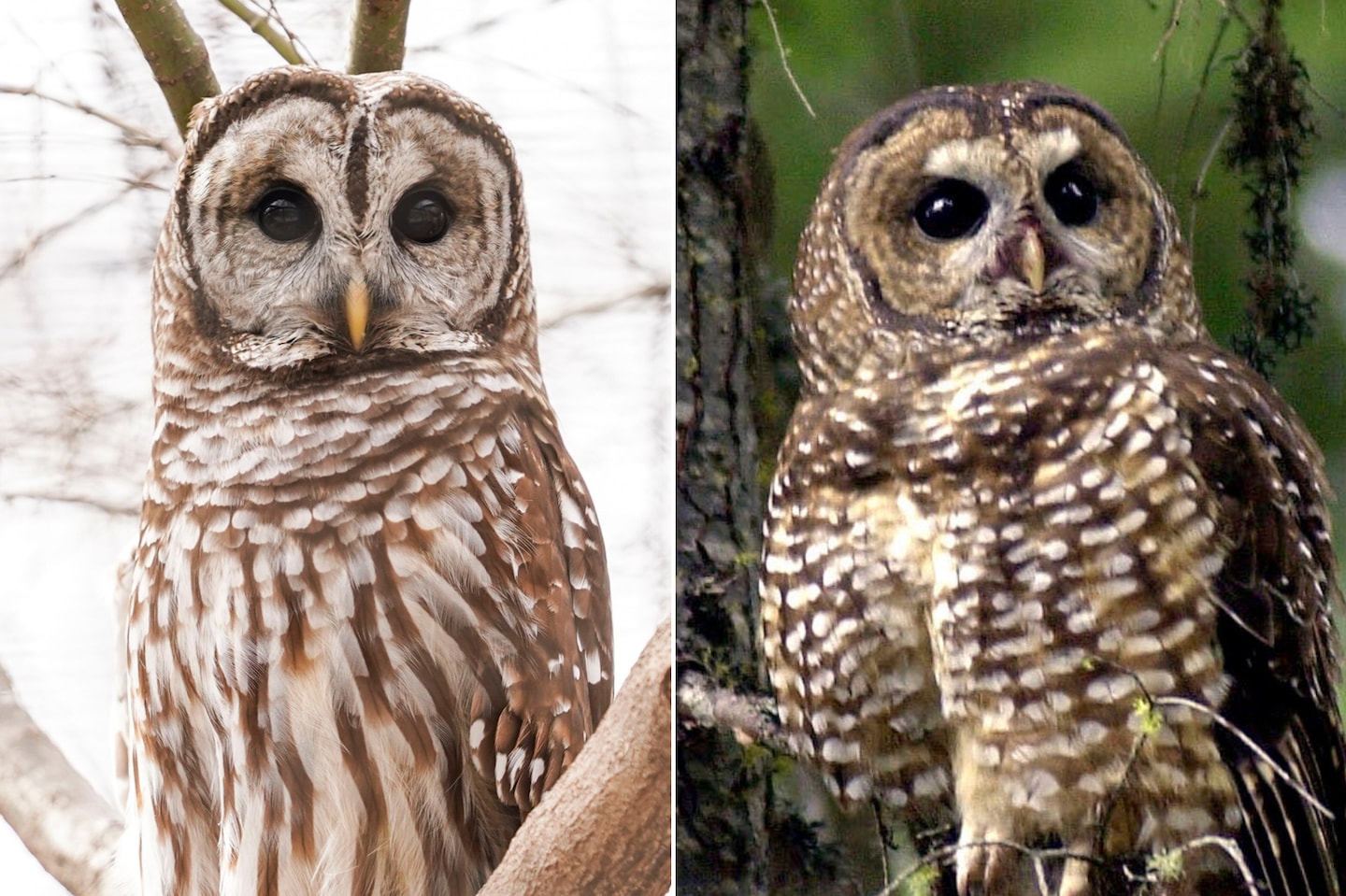
Have you ever paused in the quiet woods and wondered how a barred owl masters the art of hunting? Is it sheer ferocity that commands its prey, or a keen opportunism tuned by evolution? The barred owl’s hunting techniques strike a delicate balance between aggression and adaptability, revealing a complex predator whose methods invite both fascination and a hint of primal respect. Yet, beneath the surface of their haunting calls and shadowy silhouettes lies a narrative of survival — a nuanced tale of power, patience, and precision.
How to Photograph Owls: Gear Settings and Techniques

There’s a moment, suspended in time, when the world narrows to a single, feathered silhouette against the dusk. The owl, a creature of paradox—both ancient and immediate—perches with an unnerving stillness, its gaze a silent conversation between predator and observer. To photograph owls is to step into a realm where patience is currency, where the click of a shutter becomes a whispered secret between you and the wild. This isn’t just wildlife photography; it’s a dance with the unseen, a quest to capture the ineffable essence of a bird that has haunted human imagination for millennia. But how do you transform fleeting glimpses into enduring art? The answer lies not just in gear, but in the alchemy of technique, intuition, and reverence for the night’s most enigmatic hunters.
Lead Poisoning in Owls: The Hidden Danger of Hunting Ammunition
The night descends like a velvet shroud over the ancient forests, where the silent wings of an owl slice through the darkness with the precision of a surgeon’s scalpel. These regal predators, symbols of wisdom and mystery, are the unseen sentinels of the wild. Yet beneath their stoic gaze lies a silent predator—one that does not stalk the earth but lingers in the very ammunition that humans leave behind. Lead poisoning in owls is not merely a footnote in ecological decline; it is a slow, insidious hemorrhage of life, a tragedy written in the language of lead fragments and shattered bones.
How Owls Are Shaping the Behavior of Other Predators in Their Ecosystems
The night unfurls its velvet cloak, and in the hush of twilight, a silent sentinel takes its perch. The owl, that enigmatic harbinger of wisdom and mystery, is far more than a mere feathered philosopher—it is an architect of ecological influence, a shadowy choreographer of predator dynamics. With eyes like twin moons and wings that whisper through the dark, owls do not merely hunt; they orchestrate. Their presence reshapes the behavior of other predators, weaving an intricate tapestry of fear, strategy, and adaptation. To understand this silent revolution is to peer into the heart of nature’s most delicate power struggles.
The Role of Community Science in Monitoring Human-Owl Interactions
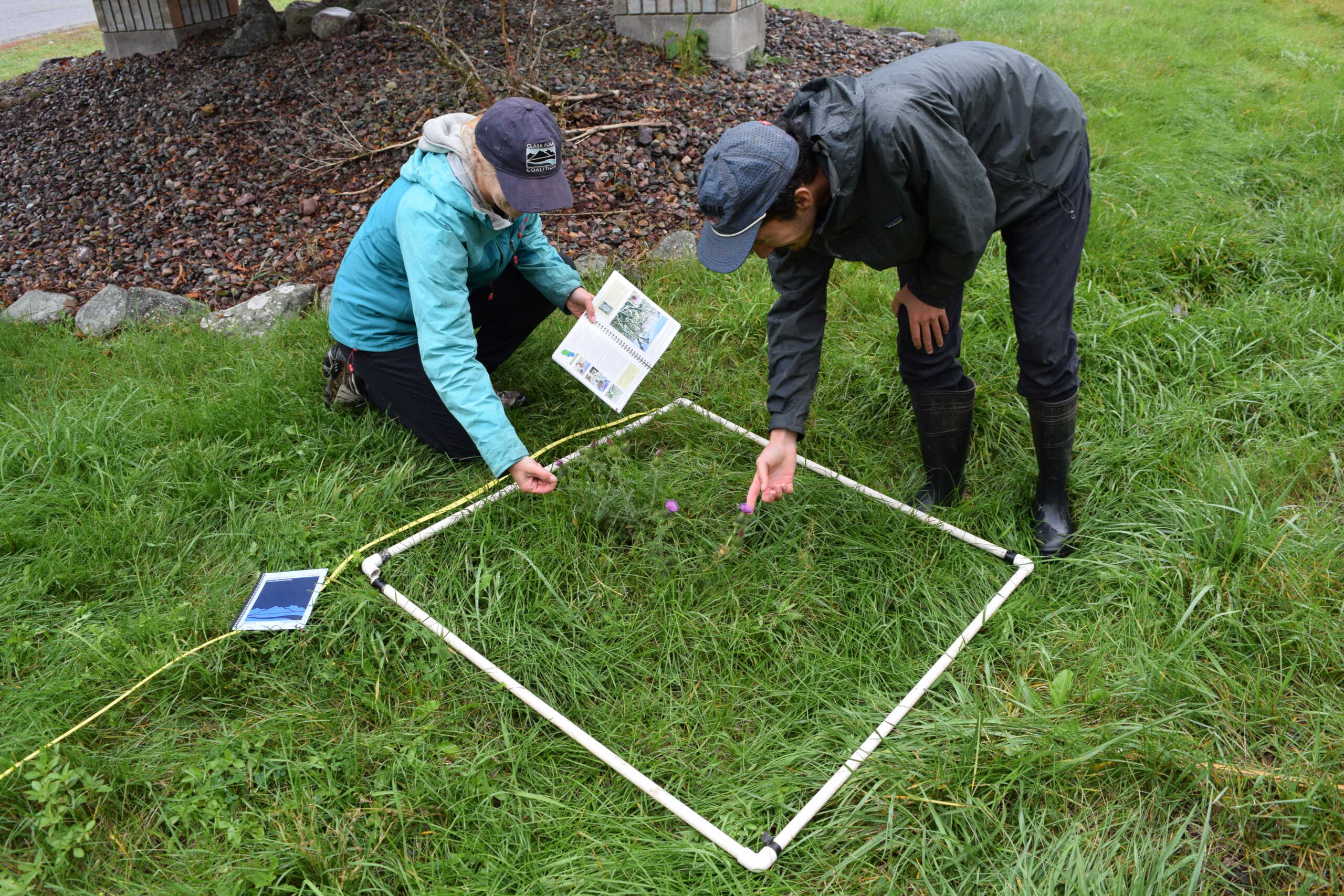
In the quiet hush of twilight, when the world slows its frenetic pace, a silent observer takes flight—an owl, with eyes like molten gold, perched upon a gnarled branch. It is a creature of myth and mystery, woven into the fabric of human imagination as both harbinger and guardian. Yet, beyond the folklore and the flickering shadows of night, a new narrative is unfolding. One where humans and owls meet not in fear or fable, but in collaboration. This is the story of community science—a movement that is redefining how we perceive and protect the natural world, one feathered sentinel at a time.
Owls and History: Their Role in Human Civilizations
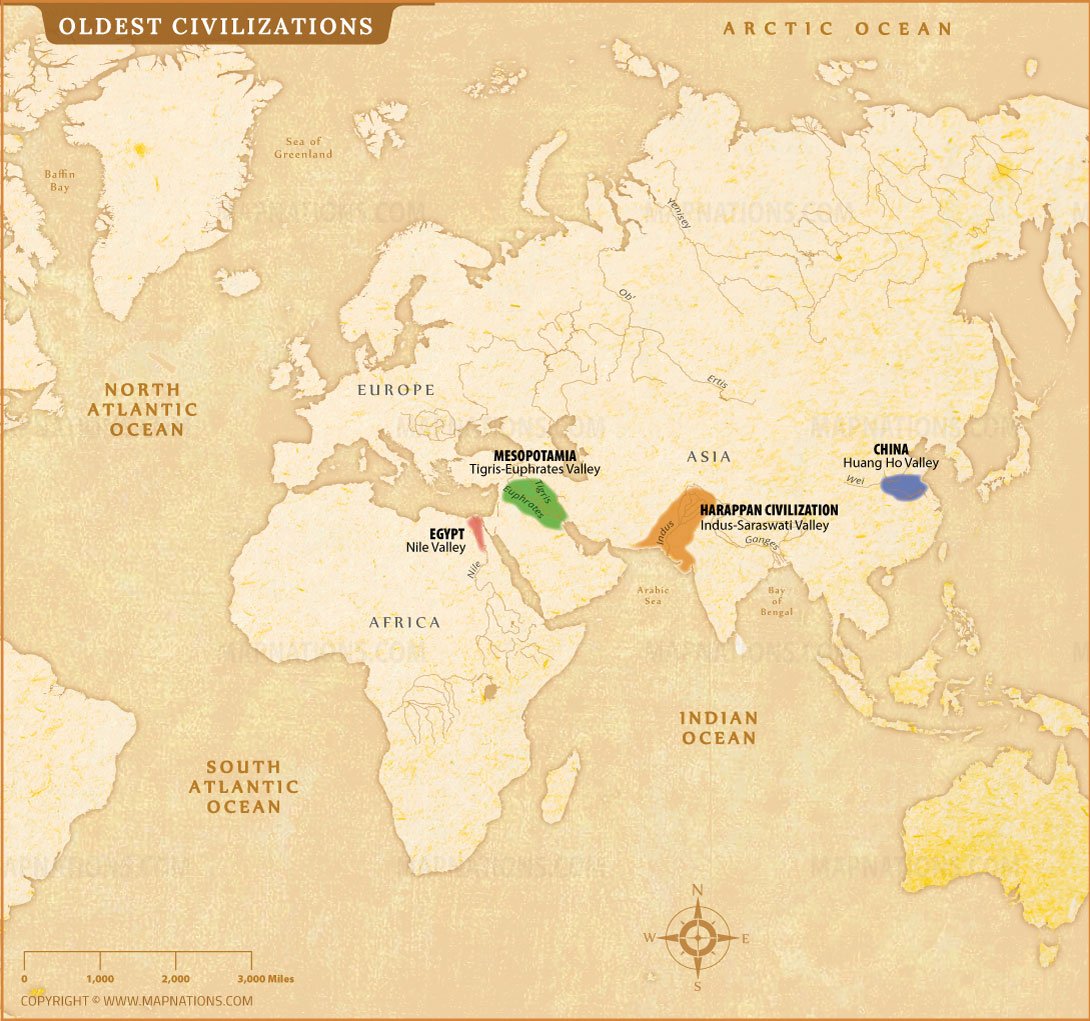
Have you ever wondered if the mysterious gaze of an owl ever swayed the fate of empires or whispered secrets to ancient rulers? Owls, those silent nocturnal sentinels, have long perched at the fringes of human consciousness—ambassadors of wisdom, omens of fate, and enigmatic symbols woven into the tapestry of civilizations. But what if their role was more than mere metaphor? Could these creatures, cloaked in myth and shadow, have subtly influenced human history in ways we’re only beginning to unravel? As we embark on this journey through time, prepared to be intrigued by the multifaceted relationship between owls and human civilization, from divine reverence to superstitions that stirred fear.
How Local Ordinances Are Addressing Barred Owl Threats in Urban Areas
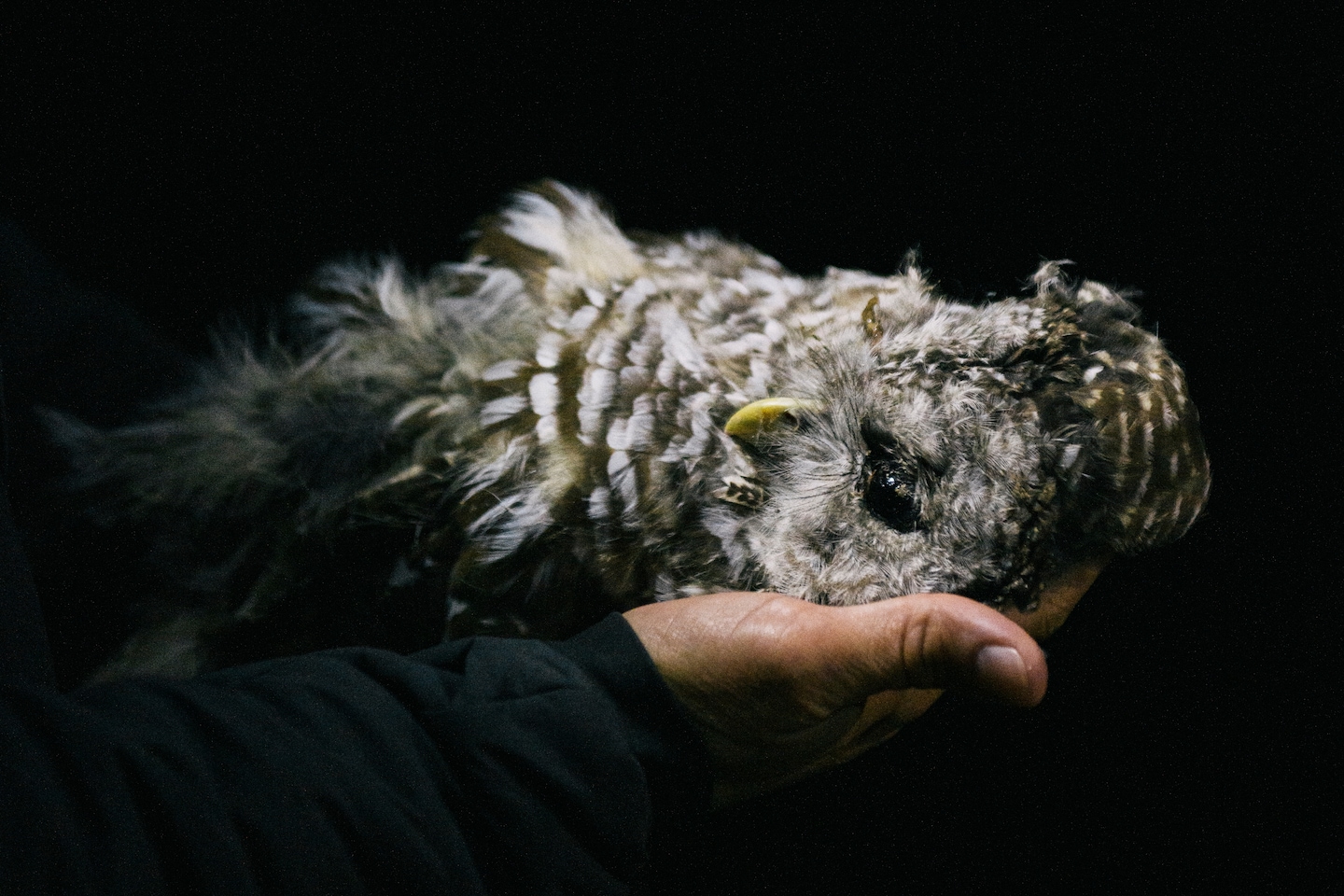
In the quiet hum of urban twilight, where the glow of streetlights mingles with the rustle of leaves, a silent battle rages. Not one of fists or fury, but of feathers and ferocity. The barred owl, a creature of ancient forests, has found itself an unwelcome guest in the concrete jungles of our cities. And as its haunting calls echo through the canyons of skyscrapers, local governments are stepping up with a surprising tool: ordinances. But can these laws truly tip the scales in favor of native ecosystems, or will they become just another bureaucratic feather in the wind?
The 2026 Snowy Owl Irruption: Causes Patterns and Lessons
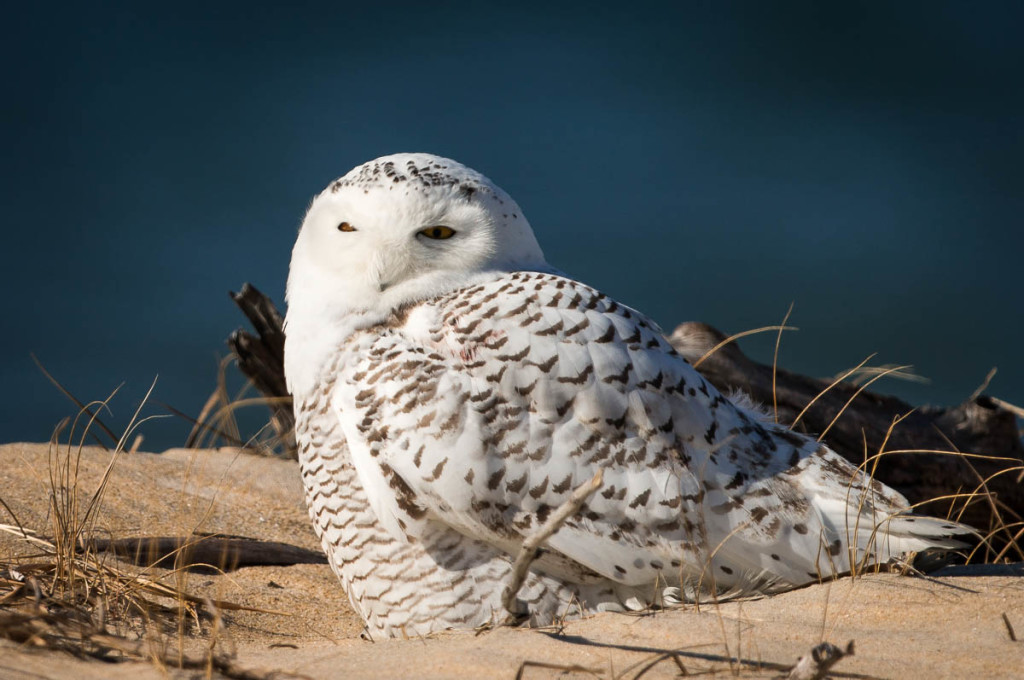
Every few years, the vast Arctic tundra unleashes one of its most spellbinding spectacles: the snowy owl irruption. The year 2026 promised a particularly enthralling chapter in this avian phenomenon. Yet, beneath the surface of this breathtaking migration lies a tapestry of complex causes, intriguing patterns, and invaluable lessons that beckon us to rethink our understanding of nature’s subtle signals. This irruption is not just a migratory event—it is a narrative encoded in the language of ecosystems, climate, and survival. It challenges us to observe with new eyes, listen more intently, and question the equilibrium we often take for granted.
How Snowy Owls Are Affecting Arctic Bird Migration Patterns

The Arctic is a land of paradoxes—where the sun never sets in summer and the stars never fade in winter, where silence is not absence but a presence of its own. Here, the Snowy Owl, a ghostly sentinel of the tundra, does not merely observe the rhythms of life; it reshapes them. With piercing golden eyes that pierce the endless white, this apex predator is not just a hunter but a choreographer of migration, a silent architect of avian exodus. The Snowy Owl’s influence on Arctic bird migration patterns is not a footnote in the annals of ecology—it is a symphony of predation, adaptation, and survival, where every note is a life hanging in the balance.