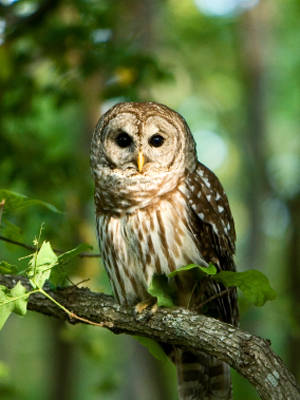
Have you ever wondered what secret survival skills transform a seemingly unassuming owl into one of the most formidable nocturnal hunters? The barred owl, with its haunting call and ghostly presence, epitomizes mastery in predation. But what exactly fuels this prowess—the very diet that sustains it? Dive into the remarkable world of the barred owl’s dietary habits to unravel the mystery behind their unmatched hunting efficiency.
 Amanda Graves
How Camera Traps Are Capturing Barred and Spotted Owl Interactions
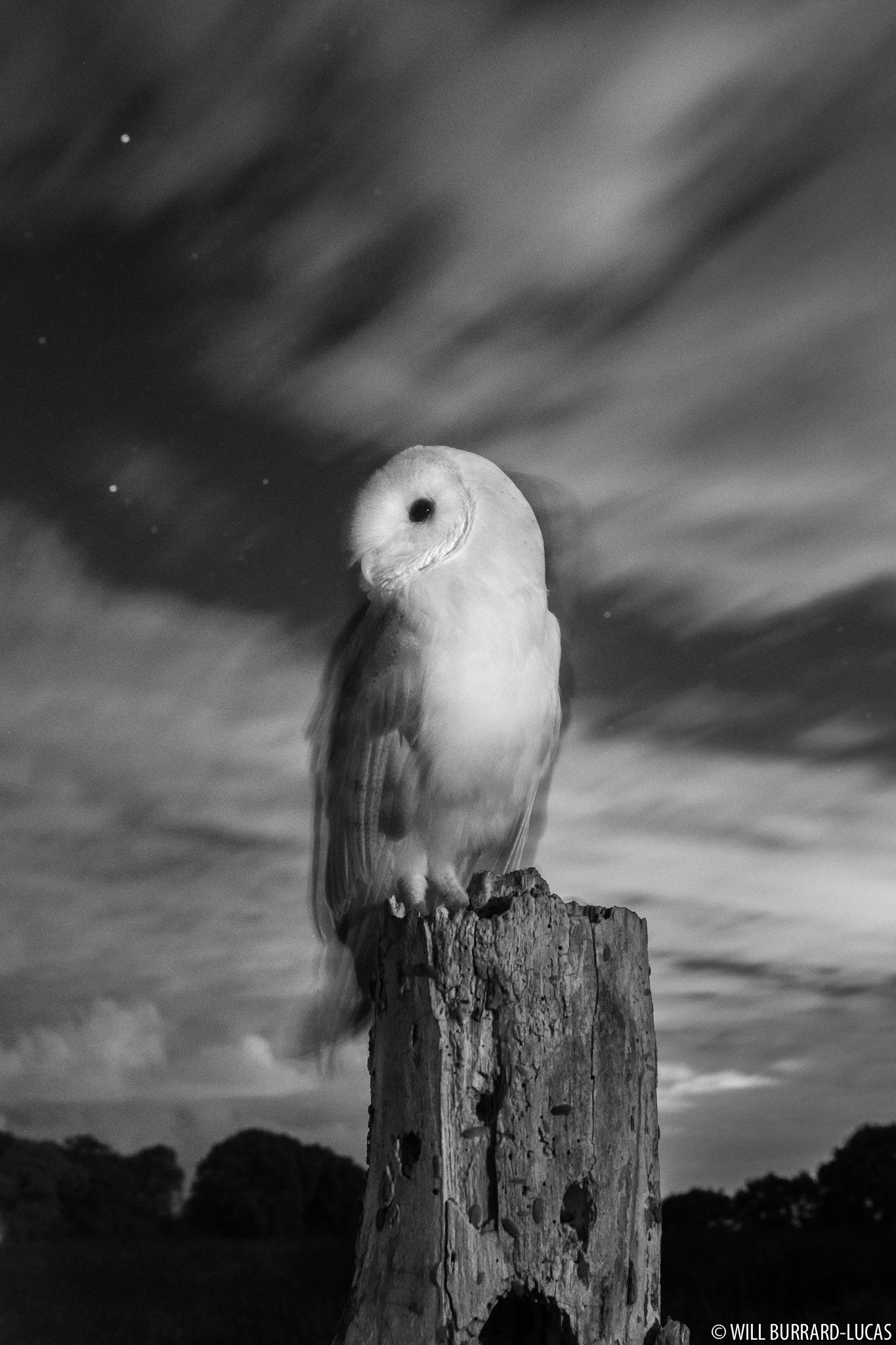
In the shadowy cathedrals of ancient forests, where dappled light filters through towering branches and silence weaves an intricate tapestry of anticipation, the elusive barred and spotted owls navigate a world both mysterious and magnificent. These nocturnal specters engage in an ancient dance of survival, competition, and coexistence, their interactions veiled in the hush of twilight. Yet, in recent years, a new kind of witness has emerged—camera traps, those mechanical sentinels of the wild—capturing moments previously lost to the nocturnal veil. These devices have become a window into the secret theater of barred and spotted owl behavior, illuminating their interplay with a clarity that intertwines science, wonder, and storytelling.
How Spotted Owls Are Impacted by Logging and Deforestation
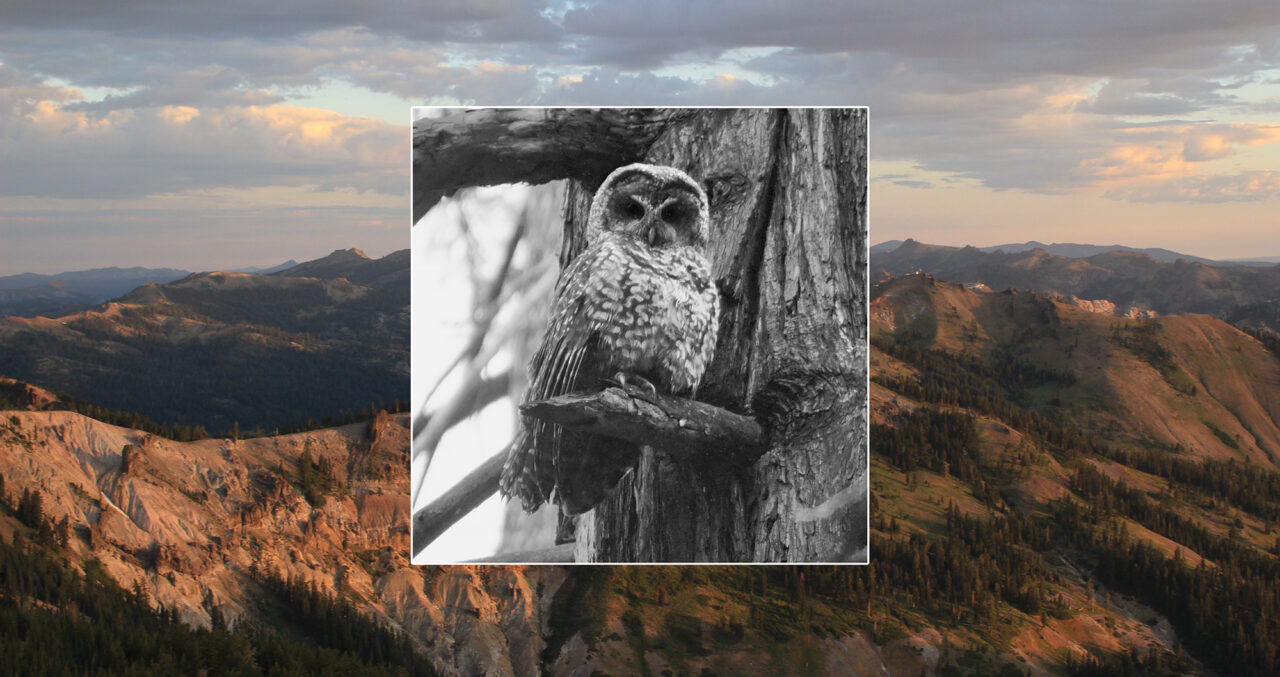
In the dense, shadowy realms of North America’s ancient forests, the Spotted Owl reigns as both a sentinel and an emblem of ecological fragility. These enigmatic birds, with their haunting calls echoing through the towering canopy, have become poignant symbols in the battle between preservation and industrial progress. Yet, beneath the quiet dignity of their dark eyes lies a story fraught with peril—one woven intricately with the threads of logging and deforestation. This exploration delves into the multifaceted impacts these human activities inflict upon Spotted Owls, unraveling not just the biological and environmental consequences, but the broader narrative of environmental ethics and conservation urgency.
What If We Discovered a New Species of Owl Tomorrow?
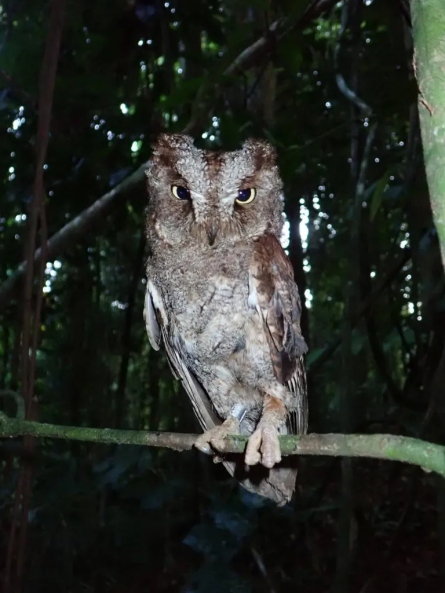
There is an undeniable allure that surrounds the discovery of a new species, especially when that creature is as enigmatic and beguiling as an owl. We often gaze skyward, mesmerized by the silent wings slicing through moonlit forests or perched regally against the night’s canvas. But what if, tomorrow, the world was stirred by the revelation of an entirely unknown owl species? Such an event would not merely ignite awe; it would provoke profound questions about our place in the natural order, the mysteries of biodiversity, and the fragile secrecy of the wild.
The Cultural Significance of Spotted Owls: Why Are They So Iconic in the Pacific Northwest?
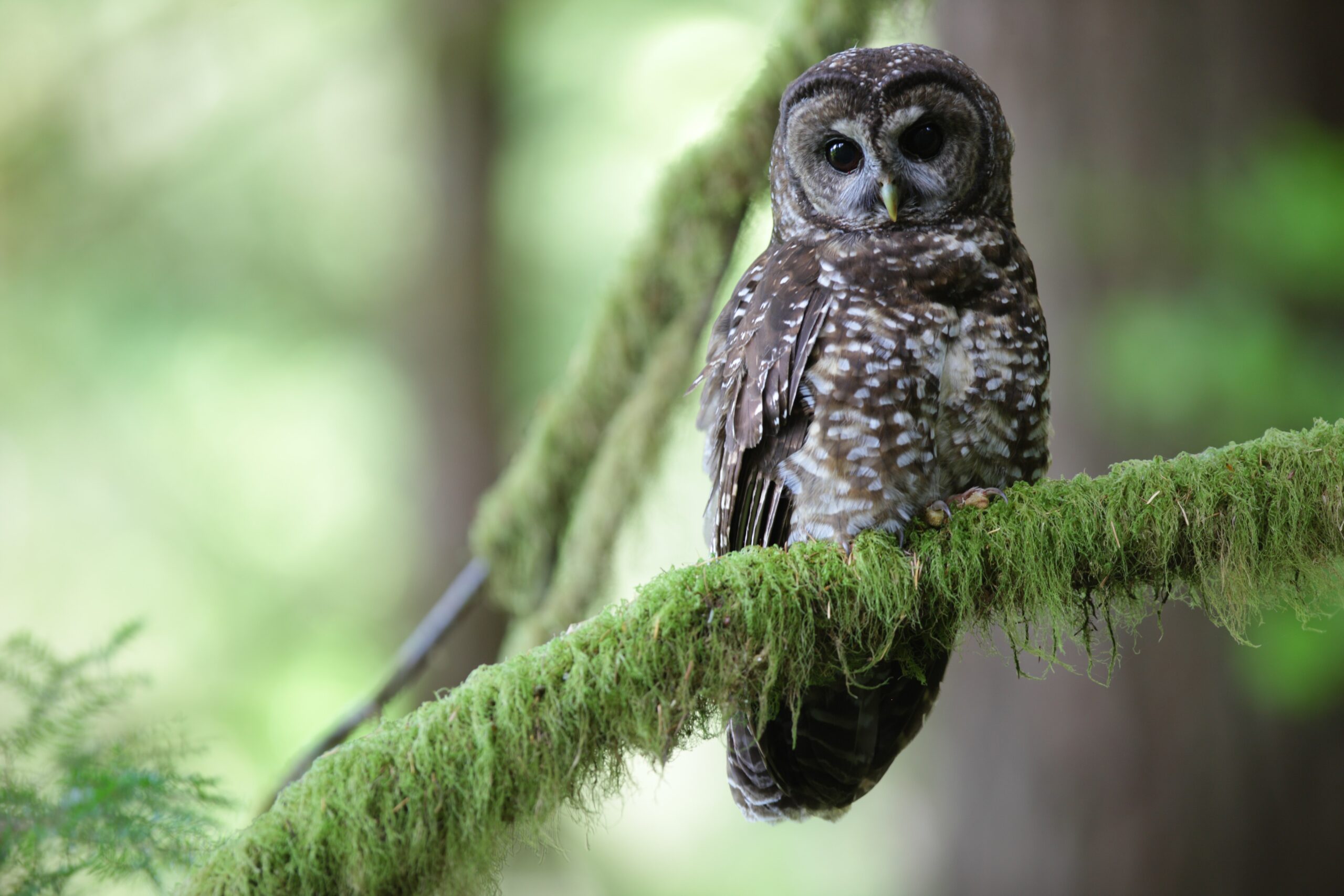
The spotted owl, with its piercing amber eyes and mottled brown-and-white plumage, is more than just a bird—it is a living emblem of the Pacific Northwest’s ancient forests, a symbol of ecological fragility, and a silent witness to humanity’s tumultuous relationship with nature. In the mist-laden canopies of Oregon, Washington, and British Columbia, this nocturnal sentinel has become a cultural touchstone, its presence echoing through Indigenous cosmologies, environmental movements, and even the timber wars of the late 20th century. To understand why the spotted owl holds such profound significance is to unravel a tapestry woven from science, myth, and the urgent call of conservation. This is not merely the story of a species under threat—it is the story of a region wrestling with its identity, its past, and its future.
The Role of Virtue Ethics in Owl Protection Decisions
In the quiet hush of twilight, where the world softens into shadow and the first stars begin their vigil, the owl takes flight—not merely as a creature of the night, but as a silent philosopher perched upon the branch of existence. Its golden eyes, luminous as lanterns in the dark, do not merely observe; they interrogate. They ask us, in the language of instinct and wisdom, whether our actions toward the natural world are guided by duty alone, or whether they are tempered by the deeper currents of character. This is where virtue ethics enters the conversation, not as a cold calculus of right and wrong, but as a living, breathing ethos that shapes how we protect one of nature’s most enigmatic guardians: the owl.
The Spotted Owl’s Decline: A Timeline of Population Loss
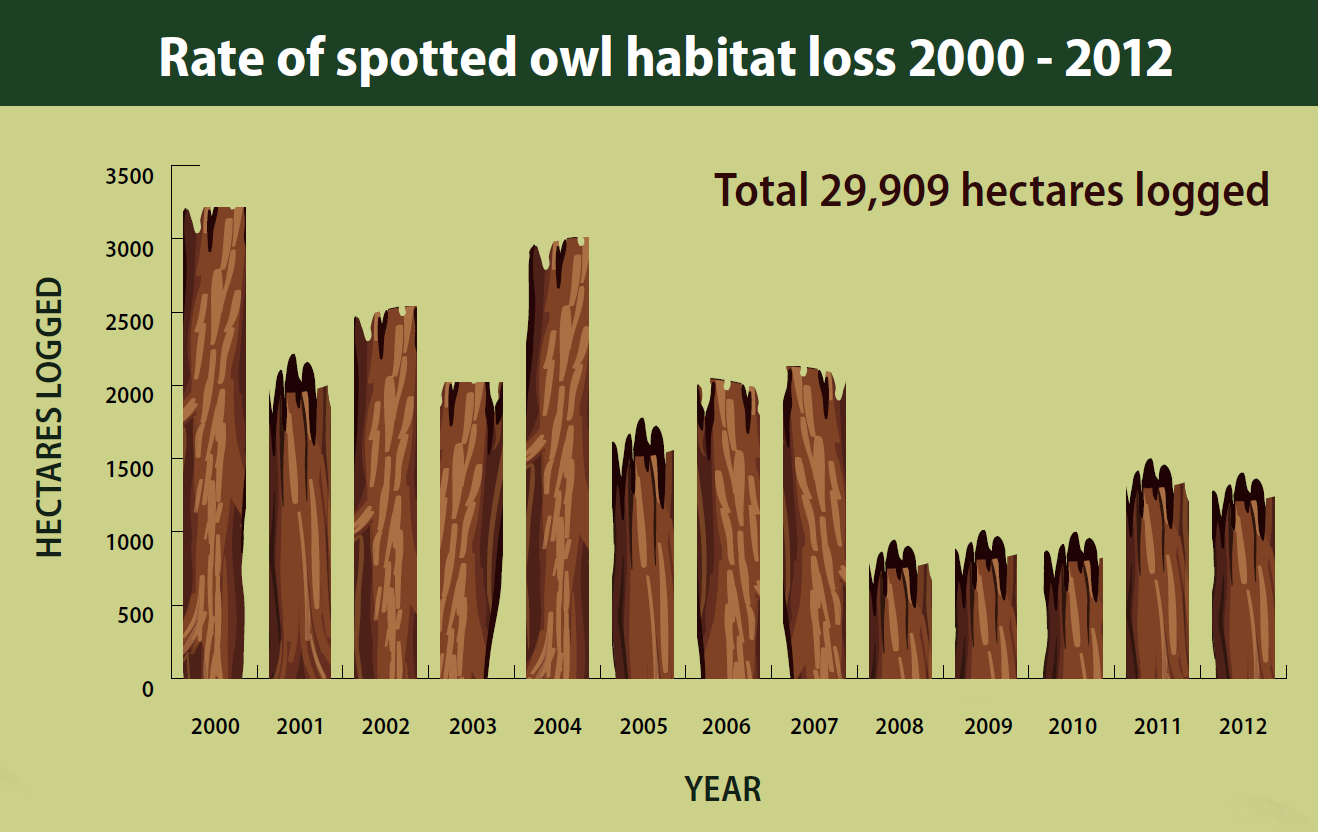
Few creatures capture the imagination quite like the spotted owl. Its haunting calls echo through ancient forests, stirring a potent blend of awe and concern in those who venture into its realm. Yet, beneath its enigmatic presence lies a tragic narrative — one of precipitous decline and fragile survival. The story of the spotted owl’s population loss is not simply a chronicle of ecological misfortune, but a profound reflection on humanity’s relationship with the wild. This intricate timeline unravels the forces that have shaped the fate of this iconic sentinel of the forest, inviting us to ponder the deeper reasons for our enduring fascination and urgent responsibility.
How Barred Owls Outcompete Spotted Owls: Aggression Adaptability and Diet
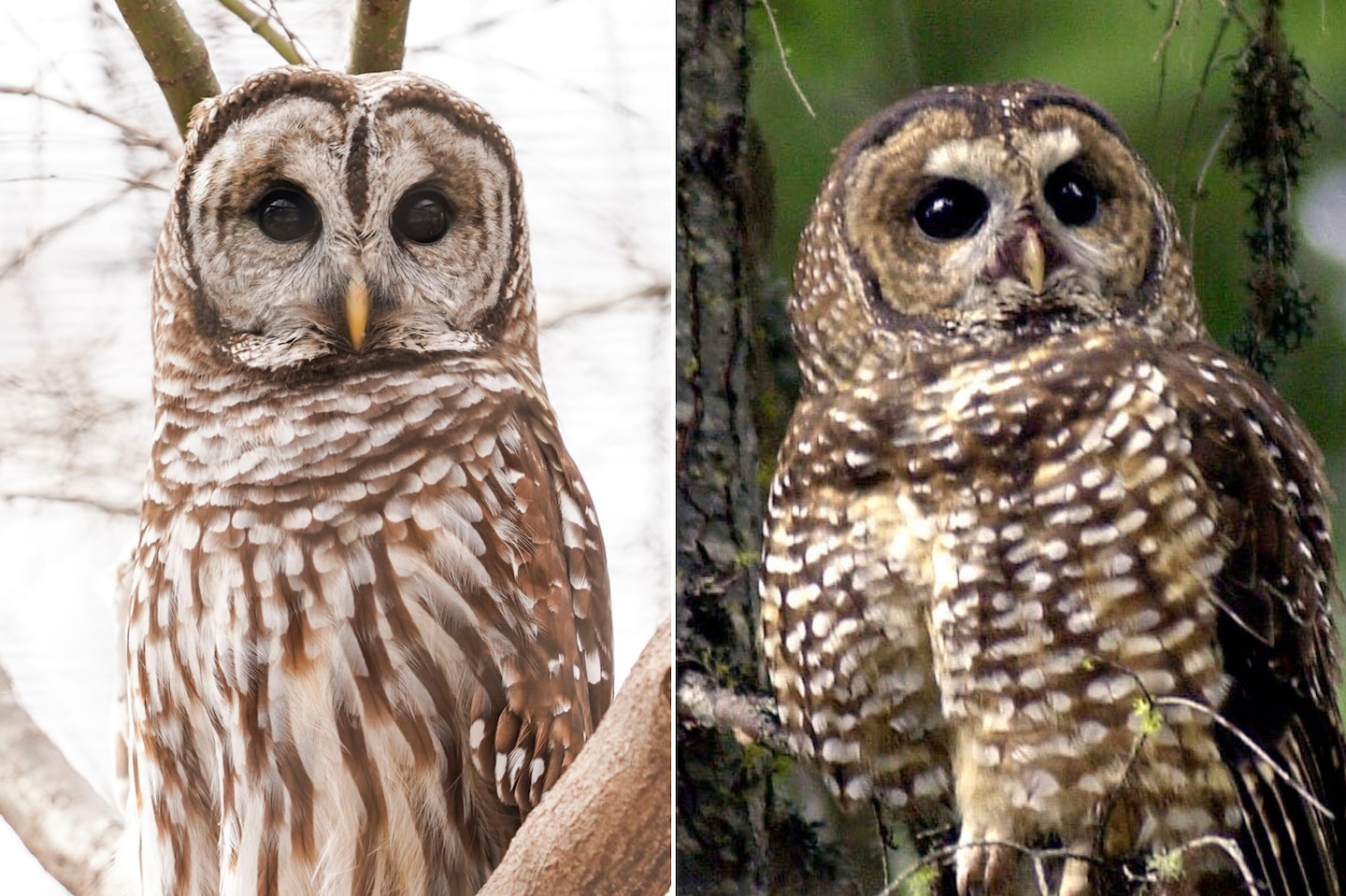
Have you ever wondered what happens when two fierce competitors share the same stage, and one silently but surely begins to dominate? The story of barred owls and spotted owls is not merely a tale of two avian species; it’s a dramatic saga of survival, dominance, and adaptation. At first glance, the barred owl might seem like just another forest dweller, but beneath its calm facade lies a relentless competitor that poses a significant challenge to the spotted owl’s existence. What exactly gives the barred owl this edge? Let’s delve into the intricacies of their rivalry, focusing on aggression, adaptability, and dietary strategies that tip the scales in favor of the barred owl.
The Economics of Owl Conservation: Why Saving Birds Saves Money
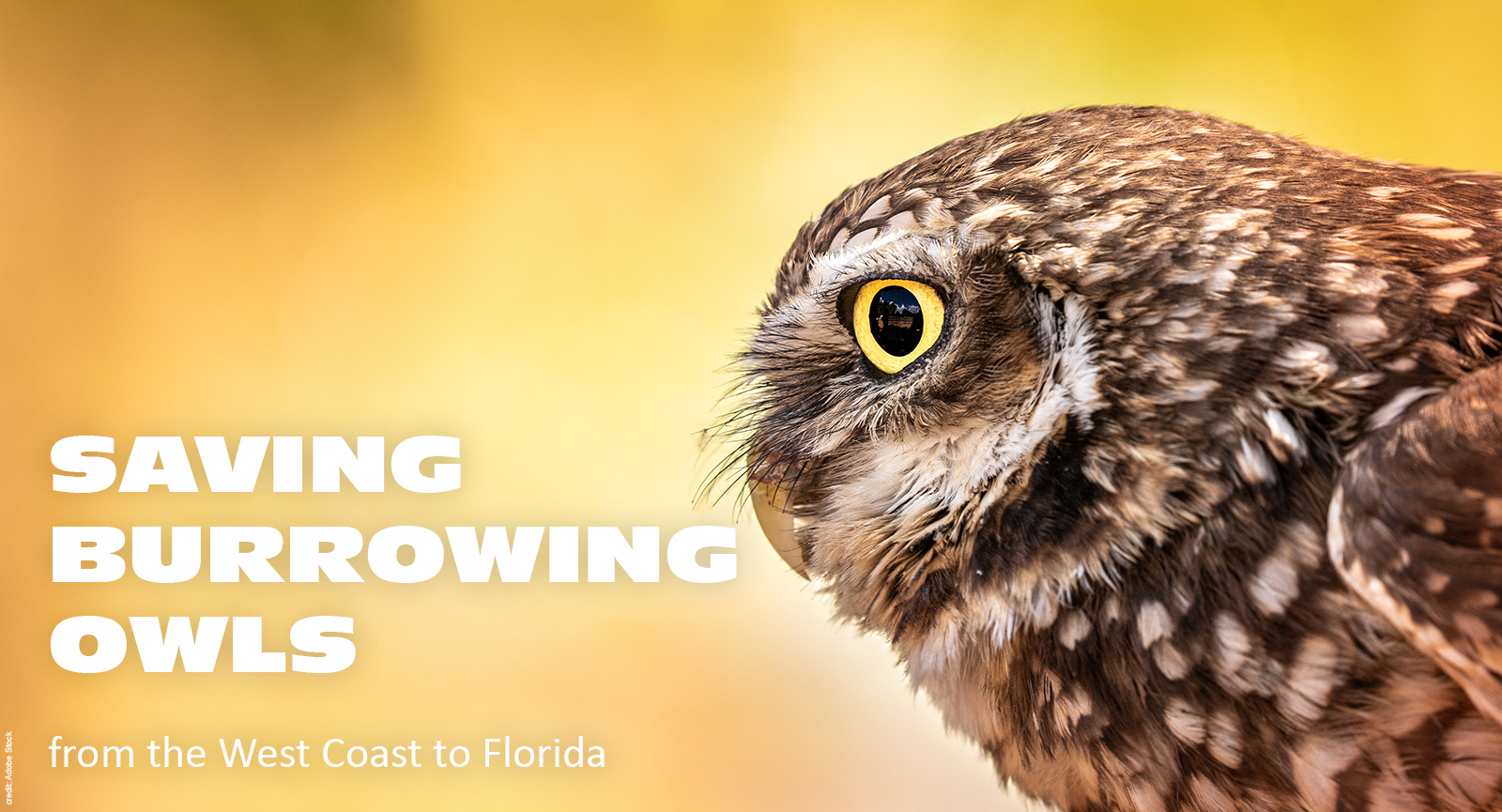
The silent flutter of wings against twilight, the piercing gaze of a burrowing owl from its sandy perch—these moments stir something primal in us. We marvel at their resilience, their adaptability, their uncanny ability to thrive where others falter. Yet beneath the surface of this fascination lies a truth as compelling as the birds themselves: saving owls isn’t just an act of ecological stewardship; it’s a shrewd economic investment. The economics of owl conservation reveal a paradox: the creatures we protect often pay us back in ways both tangible and profound.
Snowy Owls and the Illegal Wildlife Trade
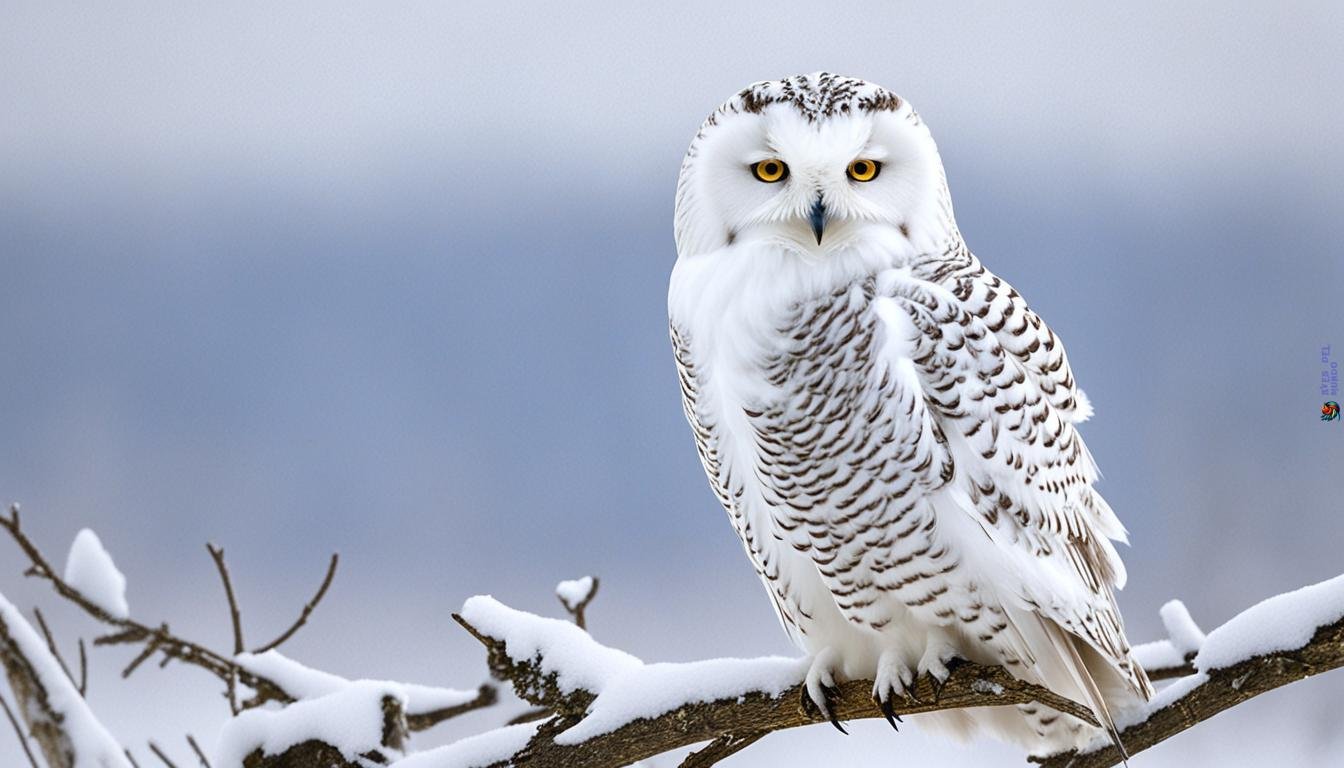
In the stark, frozen tundras where winter never truly releases its grip, the majestic snowy owl reigns supreme. Cloaked in pristine white plumage that shimmers against the Arctic backdrop, these birds are more than just avian wonders—they are enigmatic symbols of wild purity, resilience, and a delicate balance of nature. Yet beneath their ethereal beauty lies a troubling narrative, a shadow that stretches far beyond their icy habitats: the silent, relentless scourge of the illegal wildlife trade. This is not just a story about feathers and flight; it is a tale demanding a profound shift in perspective, an urgent reawakening to the vulnerabilities of a species caught at the crossroads of survival and exploitation.