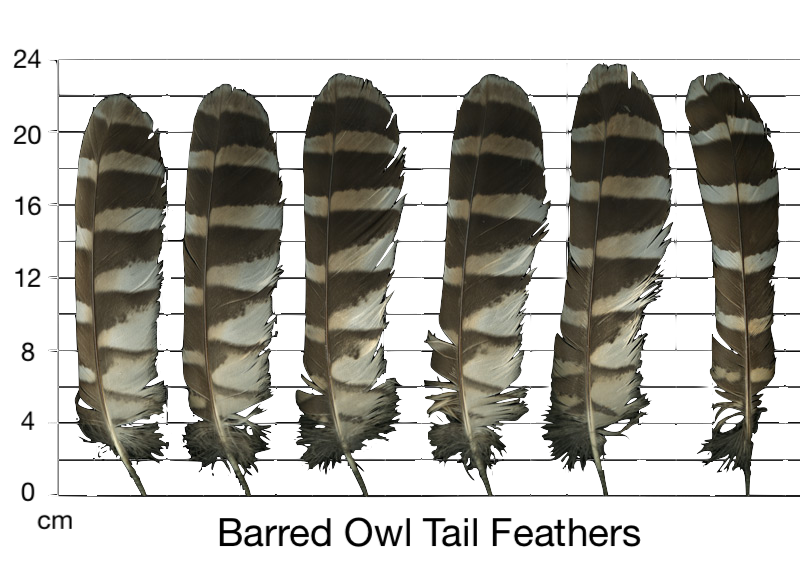
The barred owl, with its soulful eyes and haunting hoots, has become an unlikely icon of ecological transformation. Once confined to the dense forests of the eastern United States, this enigmatic raptor has embarked on a remarkable journey—one that has seen it colonize the western reaches of the continent at an astonishing pace. But how did a bird so deeply rooted in tradition break free from its ancestral confines? What forces conspired to propel its expansion, and what challenges lie ahead as it reshapes the ecosystems it now calls home? Let’s unravel the science behind this feathered phenomenon.
 Amanda Graves
Climate Change and Snowy Owl Competition: Are Other Predators Moving In?
The silent wings of the snowy owl have long been a symbol of Arctic wilderness and mystery. These majestic avian predators are uniquely adapted to one of the harshest environments on Earth, thriving in tundra landscapes blanketed with snow and ice. But as climate change reshapes the polar regions, a subtle yet profound shift is taking place — new competitors are encroaching upon the snowy owl’s domain. This article explores the complex dynamics of predator competition sparked by global warming and its implications for the survival of snowy owls in an increasingly altered ecosystem.
The Role of Protected Areas in Mitigating Climate Change Impacts on Snowy Owls
The snowy owl, a majestic emblem of Arctic resilience, faces an existential crisis as climate change reshapes its icy domain. These birds, with their piercing golden eyes and snowy plumage, are not merely victims of a warming planet—they are harbingers of ecological collapse. Protected areas, those bastions of biodiversity, emerge as unsung heroes in this unfolding drama. They are not just patches of land; they are lifelines, stitching together the fragmented tapestry of habitats that snowy owls depend on. This article delves into the multifaceted role of protected areas in mitigating climate change impacts on these Arctic sentinels, exploring their ecological, social, and scientific significance.
How to Volunteer for Owl Conservation Projects
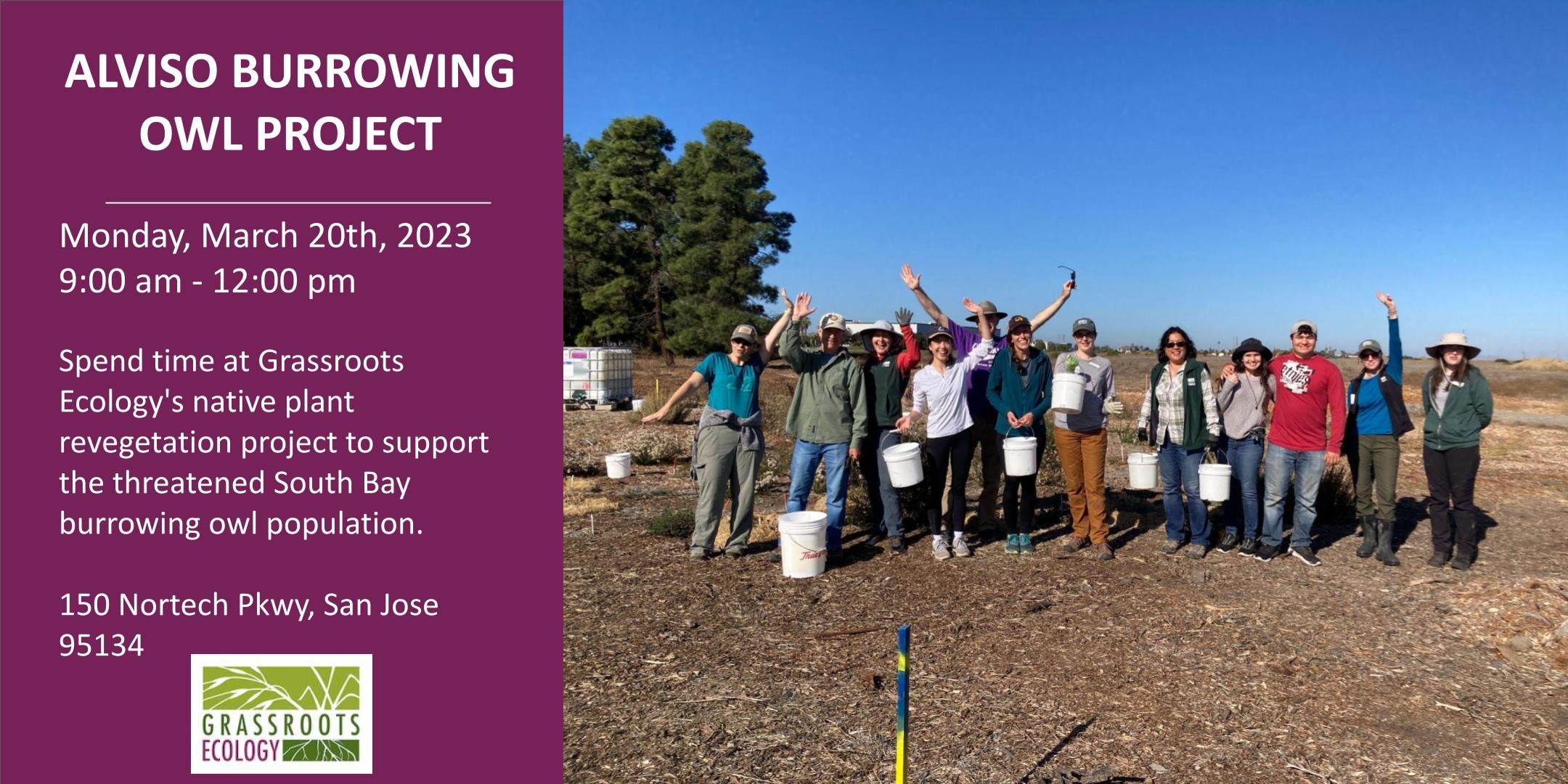
There’s a moment, just before dawn, when the world holds its breath. The air is crisp, the sky a canvas of fading stars, and the earth hums with the quiet promise of life stirring beneath the surface. This is the hour when the burrowing owl, a creature of paradox—both fierce and fragile—emerges from its sandy burrow to greet the day. For those who answer the call to volunteer in owl conservation, this moment becomes more than a fleeting observation; it becomes a transformation. It’s a shift from passive observer to active guardian, from curiosity to commitment. If you’ve ever felt the pull of the wild, the urge to stand not just in the presence of nature but as its ally, then owl conservation volunteering might be your next great awakening.
Snowy Owl Research: The Latest Breakthroughs and Discoveries
Have you ever wondered what secrets the enigmatic Snowy Owl holds beneath its frost-kissed plumage? What if unlocking those secrets isn’t just a matter of observing these majestic birds in flight but involves tackling an unexpected challenge — one that could alter our understanding of their existence forever? The pursuit of knowledge about the Snowy Owl has catapulted into thrilling new realms, blending cutting-edge technology with age-old curiosity. These breakthroughs promise to deepen our connection with a creature that thrives at the very edge of the world, yet poses puzzles that both perplex and inspire.
Alternative Solutions: Can We Control Barred Owls Without Killing Them?
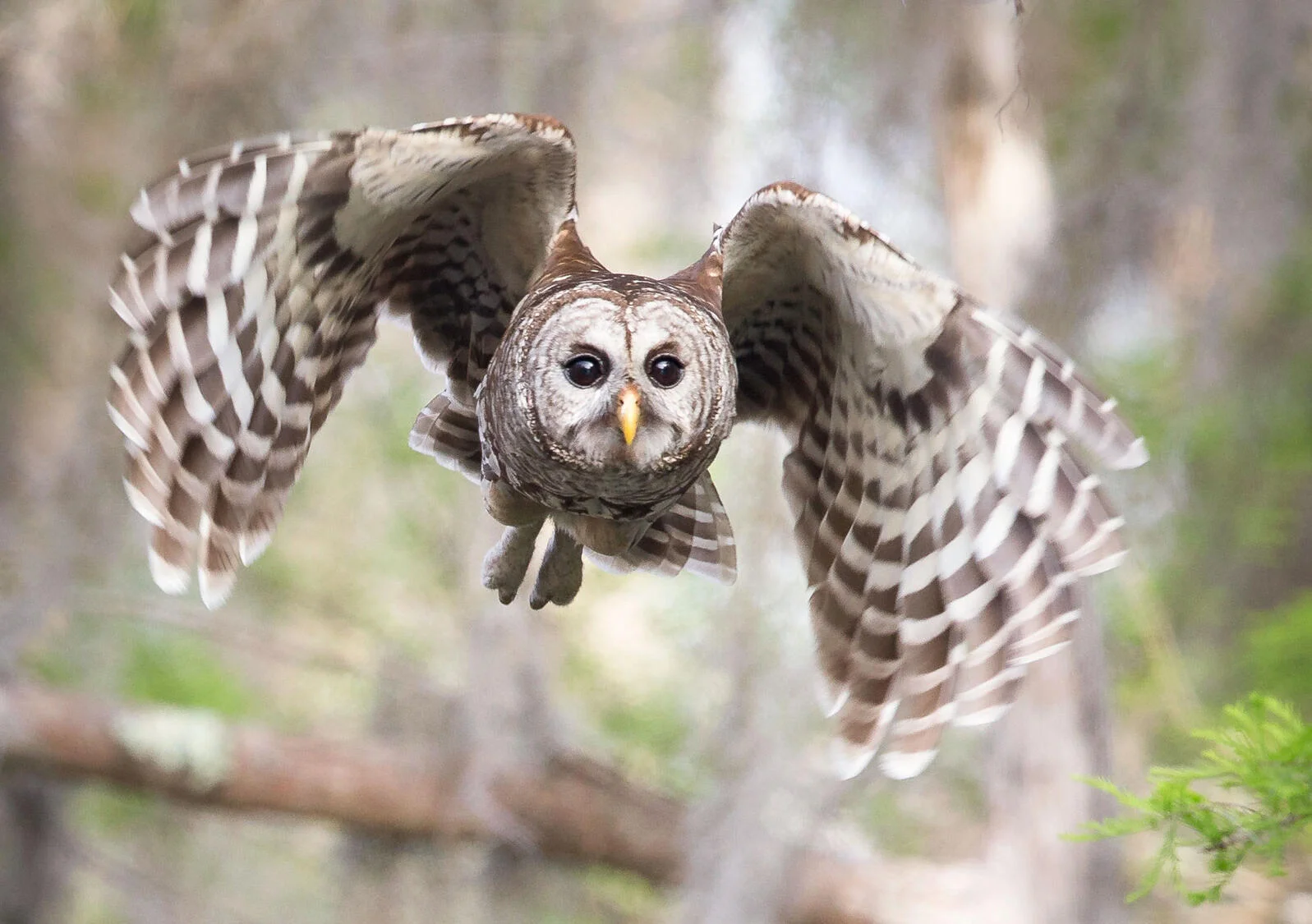
In the hushed twilight of Pacific Northwest forests, a silent rivalry unfolds. Barred owls, with their haunting Who-cooks-for-you? calls, have expanded their range, encroaching upon the territories of the endangered spotted owl. This ecological tension has sparked a heated debate: Can we curb the barred owl’s dominance without resorting to lethal measures? The answer lies not in eradication, but in innovation—harnessing science, policy, and community action to restore balance. Let’s explore the multifaceted strategies that offer hope for coexistence.
How Owls Hunt: Strategies Tools and the Element of Surprise

The night belongs to the owl. As dusk bleeds into darkness and the world slows its pulse, these silent sentinels take to the skies, their presence announced not by sound but by the eerie, almost preternatural precision of their descent. To witness an owl in hunt is to witness a masterclass in calculated lethality—where stealth is not merely a tactic but a philosophy, where patience is not a virtue but a survival imperative. It is this uncanny blend of strategy and subtlety that has long fueled human fascination, transforming the owl from a mere bird into a symbol of nocturnal wisdom and predatory elegance. But what truly lies beneath this cloak of mystery? How do these feathered phantoms turn the inky blackness of night into their hunting ground?
How Barn Owls Contribute to Agricultural Pest Control
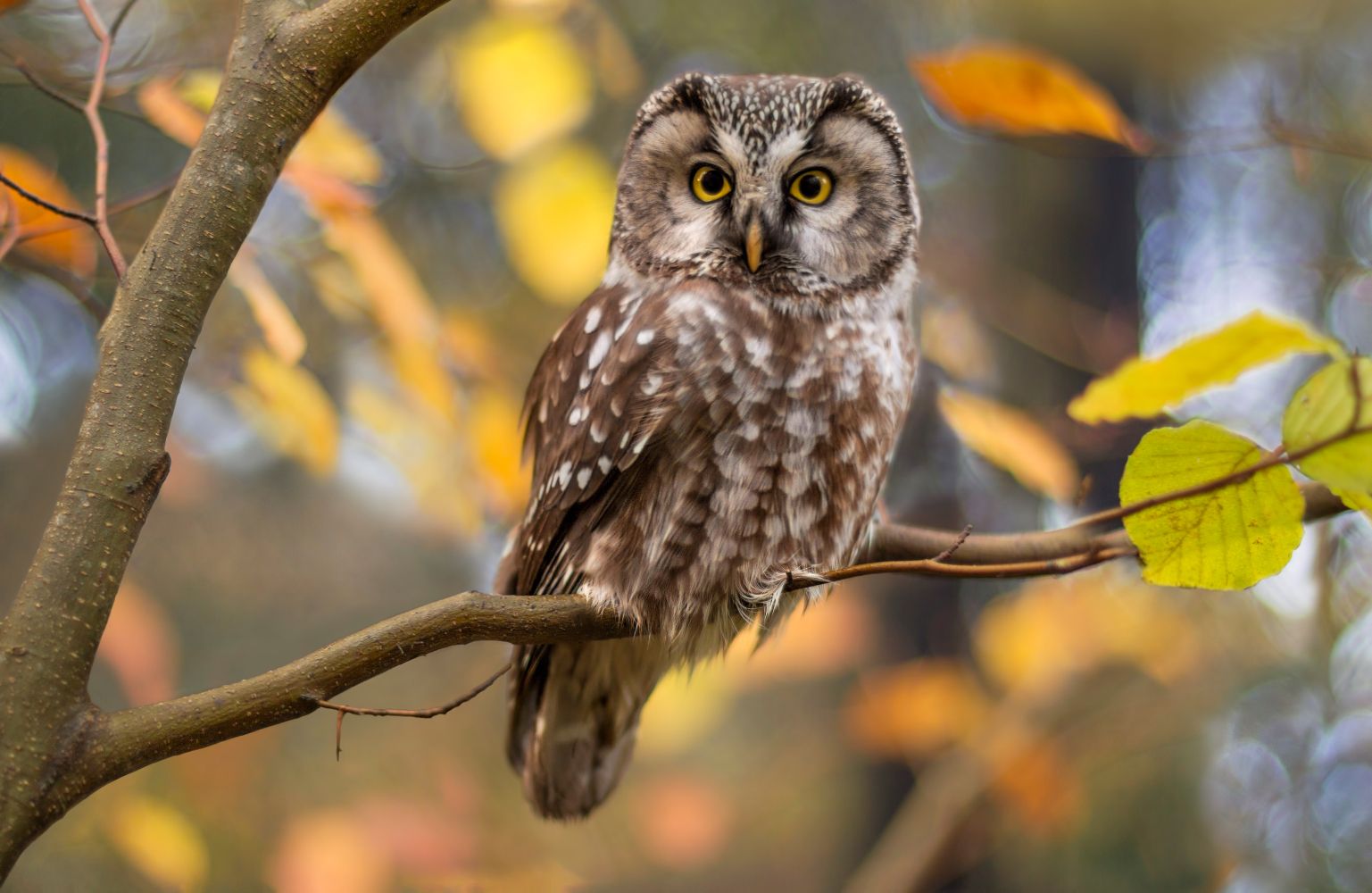
The barn owl, a spectral specter of the twilight, glides through the agricultural tapestry like a silent guardian, its wings slicing the dusk with an almost supernatural grace. Beneath the cloak of night, it becomes the unseen sentinel of the fields, a winged enforcer of balance in an ecosystem teetering on the edge of chaos. Its role in pest control is not merely functional—it is a poetic dance of predation and preservation, a testament to nature’s ingenious design. To understand the barn owl’s contribution to agriculture is to witness the quiet revolution of a creature that turns the tide of destruction with nothing but the whisper of its feathers and the precision of its talons.
Owls in Architecture: Buildings and Structures Inspired by Their Form and Symbolism
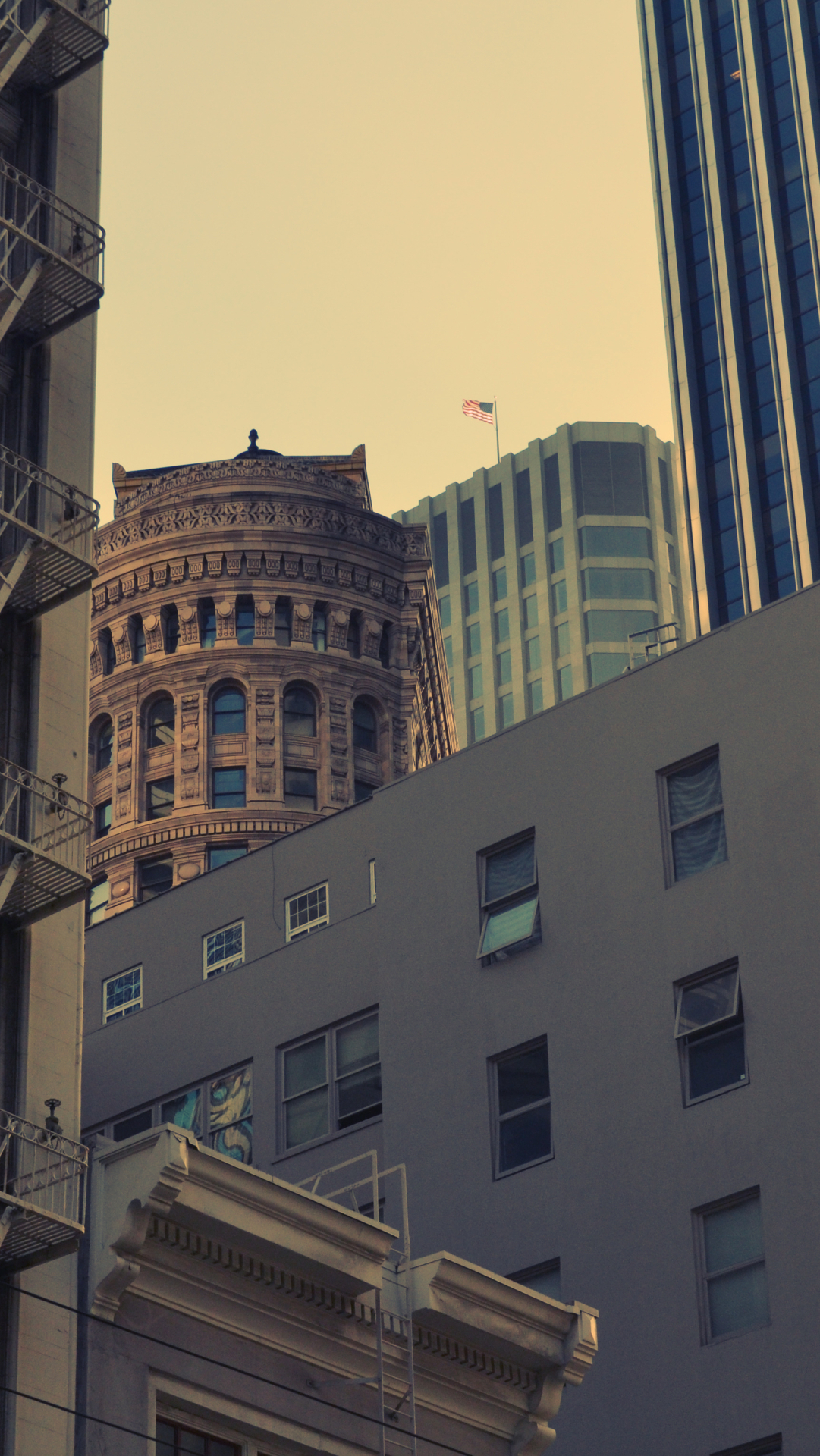
What if the next time you gaze upon a towering skyscraper or a delicate bridge, you saw not just steel and glass, but the silent, watchful gaze of an owl? Architecture, in its boundless creativity, has long drawn inspiration from the natural world—its forms, its rhythms, its unspoken symbolism. Yet few creatures have left as indelible a mark on human design as the owl, that enigmatic nocturnal sentinel whose presence in our built environment whispers of wisdom, mystery, and an almost mystical connection to the unseen. From the soaring spires of Gothic cathedrals to the sleek curves of modernist marvels, the owl’s influence stretches across centuries and continents, shaping structures that are as much about meaning as they are about function. But what happens when we strip away the romanticism and ask: can architecture truly embody the essence of an owl without losing its own identity? And what challenges arise when we attempt to translate the fluid grace of a bird into the rigid geometry of human-made spaces?
The Spotted Owl in Heraldry: A Symbol of the Pacific Northwest
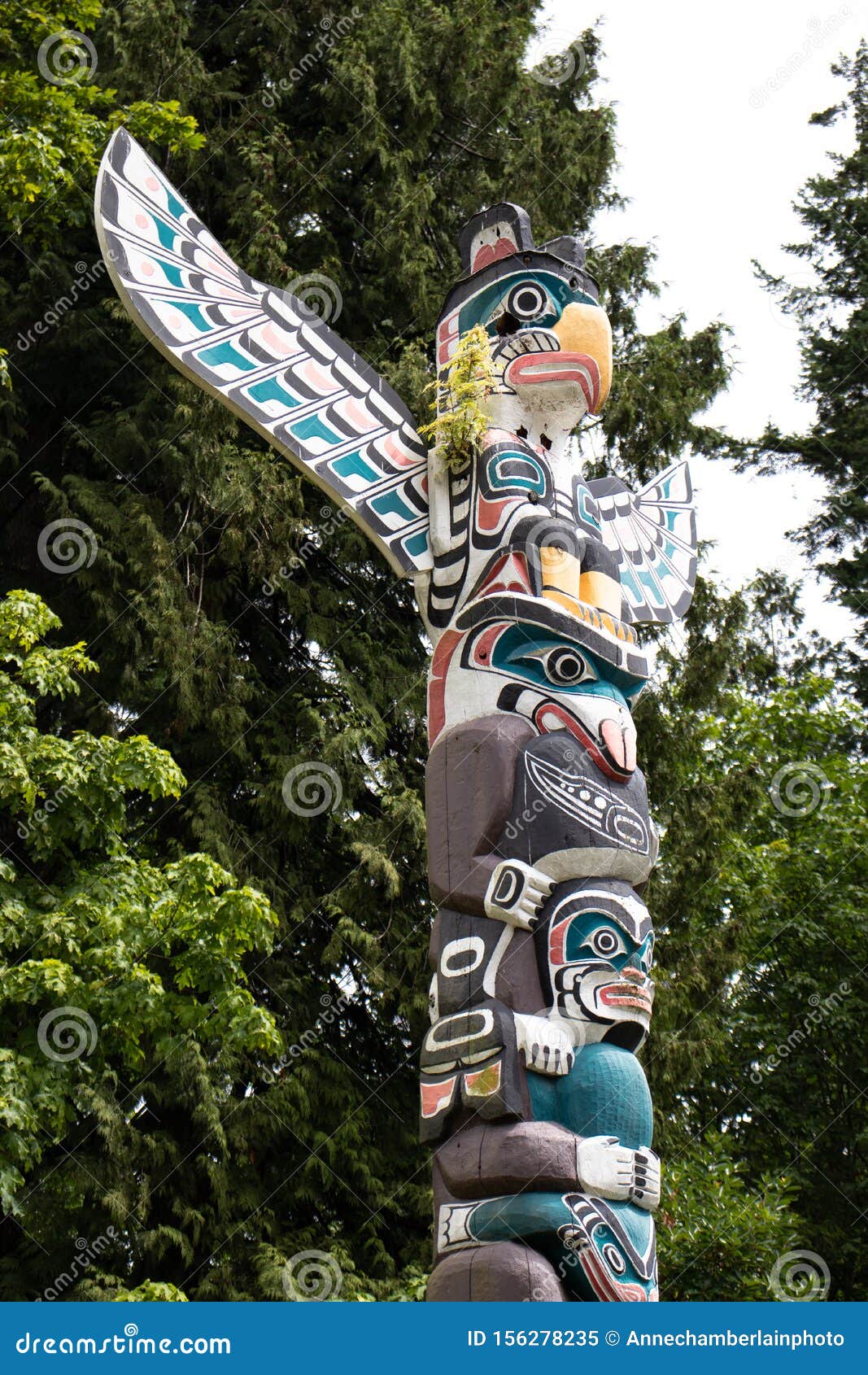
In the dense, mist-shrouded forests of the Pacific Northwest, an emblematic figure quietly commands respect and intrigue—the spotted owl. More than just a creature of the wild, the spotted owl weaves its essence into the intricate tapestry of heraldry across this enigmatic region. As you delve deeper into its symbolic presence, prepare for a journey that promises to shift your perspective on nature and culture, awakening a curiosity about the profound interplay between ecology and emblematic representation.