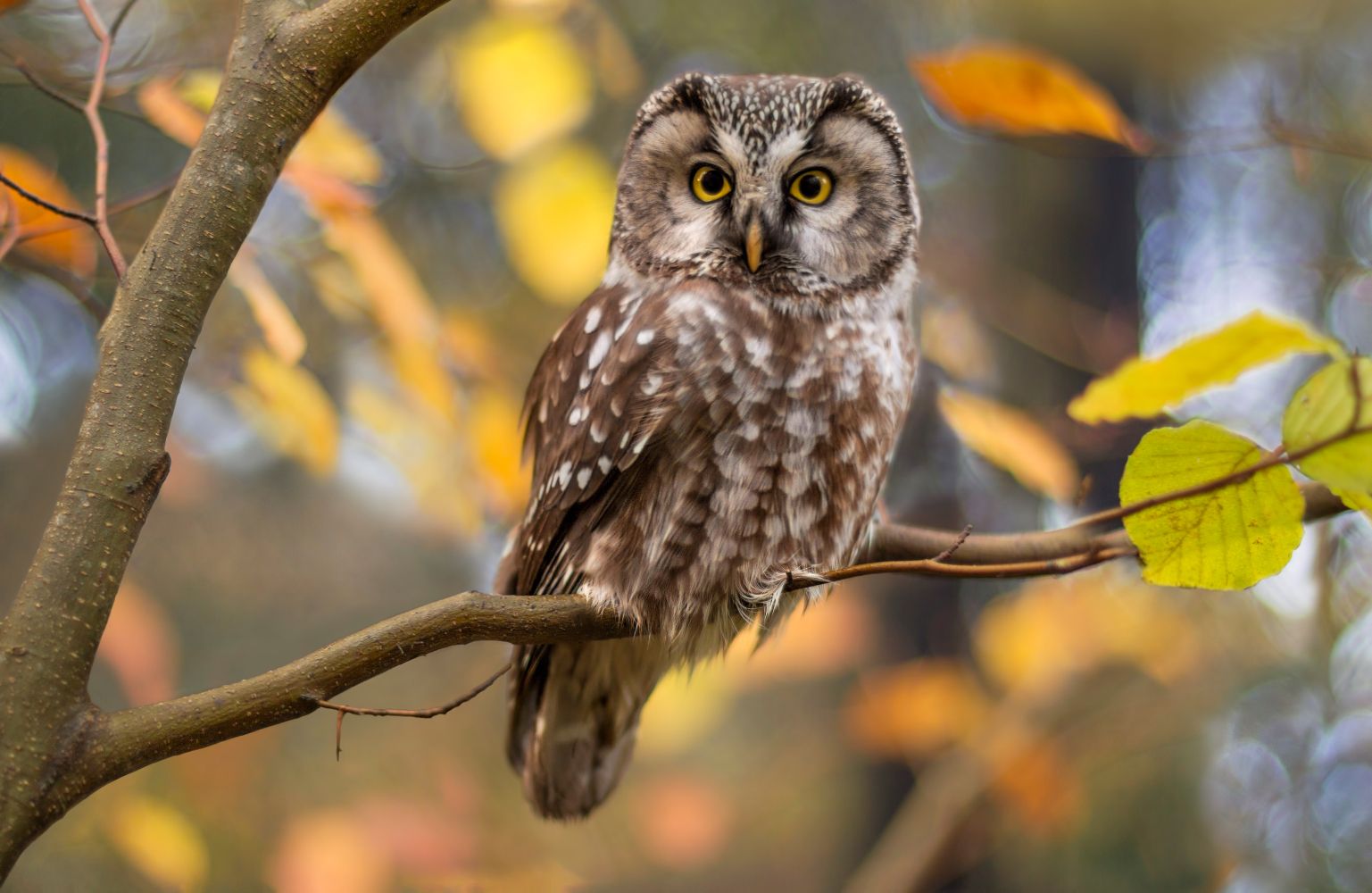
The barn owl, a spectral specter of the twilight, glides through the agricultural tapestry like a silent guardian, its wings slicing the dusk with an almost supernatural grace. Beneath the cloak of night, it becomes the unseen sentinel of the fields, a winged enforcer of balance in an ecosystem teetering on the edge of chaos. Its role in pest control is not merely functional—it is a poetic dance of predation and preservation, a testament to nature’s ingenious design. To understand the barn owl’s contribution to agriculture is to witness the quiet revolution of a creature that turns the tide of destruction with nothing but the whisper of its feathers and the precision of its talons.
The Silent Symphony of the Night Hunter
Barn owls are the maestros of the nocturnal world, conducting a symphony of survival where each note is a death knell for rodents. Their hunting prowess is not brute force but a masterclass in efficiency, a ballet of stealth and strategy. With a wingspan that allows them to hover like phantom ships in the dark, they locate prey not by sight alone but by the faintest rustle of a vole’s footsteps or the telltale scuttle of a rat through dry grass. Their facial discs act as parabolic mirrors, funneling sound with such acuity that they can pinpoint a mouse’s location to within a few inches. This auditory precision is their superpower—a biological sonar that renders the darkness transparent. In the grand theater of agriculture, where pests gnaw at the roots of productivity, the barn owl is the unseen conductor, orchestrating the demise of those who would feast on the harvest.
The Agricultural Alchemist: Turning Pestilence into Prosperity
Consider the humble grain silo, a fortress of sustenance that rodents would happily reduce to rubble. Enter the barn owl, the alchemist who transmutes ruin into reward. A single family of barn owls can consume thousands of rodents in a single breeding season, each meal a small victory in the war against crop loss. Their diet is not indiscriminate; they are the connoisseurs of pestilence, favoring voles, mice, and shrews—the very creatures that would otherwise decimate fields of wheat, corn, or rice. In regions where chemical pesticides have left the soil scarred and the water tainted, the barn owl offers a solution that is as elegant as it is effective. It does not poison the land; it purifies it, one rodent at a time. The farmer who erects a nest box for these winged allies is not just inviting a predator—he is forging an alliance with nature itself.
The Unseen Diplomacy of the Farmland
There is a quiet diplomacy in the relationship between barn owls and farmers, a silent pact that transcends the noise of tractors and the hum of irrigation systems. The farmer provides a sanctuary—a sturdy barn, a loft, or a purpose-built nest box—while the owl repays the hospitality with a lifetime of pest control. This is not a transaction but a covenant, a mutualistic bond that has endured for millennia. Unlike the ephemeral relief of chemical sprays, which leave behind a legacy of resistance and toxicity, the barn owl’s service is sustainable, renewable, and free. It is a living, breathing pest control system that adapts to the rhythms of the land, thriving in harmony with the seasons. To witness this alliance in action is to see the farm not as a battleground but as an ecosystem in delicate equilibrium, where every creature, no matter how small, plays a role in the greater narrative of growth and sustenance.
The Ecological Ripple: Beyond the Barn Door
The influence of the barn owl extends far beyond the confines of the farmstead. When a barn owl thrives, it signals a healthy ecosystem, one where biodiversity flourishes and the soil remains rich and untainted. Its presence deters not just rodents but the secondary pests that follow in their wake—beetles, mites, and fungi that exploit the decay left by a rodent’s feast. In this way, the owl is a keystone species, its existence a linchpin that holds the entire agricultural web together. Even its pellets, those compacted relics of digestion, become a gift to the land, enriching the soil with nutrients that fuel the next cycle of growth. The barn owl does not merely control pests; it revitalizes the earth, turning waste into wealth and decay into dawn.
The Aesthetic of the Aerial Predator
There is an undeniable allure to the barn owl, a creature that embodies both ferocity and fragility. Its heart-shaped face, a mask of innocence, belies the lethal precision of its hunting skills. Its plumage, a tapestry of gold and silver, glows like moonlight on wheat fields, a spectral beauty that has inspired myths and legends across cultures. To watch a barn owl in flight is to witness poetry in motion—a creature that moves with the grace of a dancer and the purpose of a warrior. Farmers who have welcomed these birds into their lands often speak of them not just as allies but as symbols of a deeper connection to the land. The barn owl is not just a pest controller; it is a muse, a reminder that nature’s solutions are often the most elegant.
The Future: A World Where Owls Rule the Night
As the world grapples with the consequences of industrial agriculture—soil depletion, pesticide resistance, and ecological collapse—the barn owl offers a glimmer of hope. It is a living testament to the power of natural solutions, a reminder that we need not wage war on the land to feed ourselves. By embracing these silent guardians, we can rewrite the narrative of farming, transforming it from a tale of exploitation to one of symbiosis. The barn owl does not ask for much: a safe place to nest, a landscape free of poisons, and the freedom to hunt as it was meant to. In return, it asks for nothing less than the salvation of our fields. The choice is ours. Will we continue down the path of chemical warfare, or will we invite the barn owl to take its rightful place as the architect of a new agricultural dawn?