The night belongs to the owl—a silent sentinel perched upon the gnarled branches of ancient forests, its golden eyes piercing the darkness like twin moons. But what happens when this regal creature, a symbol of wisdom and mystery, becomes an uninvited guest in ecosystems it was never meant to inhabit? Invasive owl populations are wreaking havoc across the globe, disrupting fragile ecological balances and outcompeting native species. From the misty highlands of Hawaii to the sun-drenched islands of the Caribbean, nations are grappling with this feathered paradox. The United States, with its vast and varied landscapes, stands at a crossroads. Can it learn from the strategies of others, or will it repeat the mistakes that have left ecosystems teetering on the edge? The answers lie not just in policy, but in the very fabric of nature’s resilience.
 Amanda Graves
The Role of Owls in Archaeology: What Fossils Reveal About Ancient Ecosystems

Owls have long captivated the human imagination with their enigmatic presence and haunting calls in the dead of night. Yet, beyond their ethereal allure lies a treasure trove of scientific significance, hidden not in the shadows they traverse but embedded within the soil and stone of ancient terrains. Archaeology, often associated with sprawling ruins and fossilized bones of mighty beasts, finds an unexpected ally in these nocturnal raptors. Through the meticulous study of owl fossils and their related archaeological evidence, researchers unveil intricate tapestries of bygone ecosystems, rewriting our understanding of environmental dynamics and the interwoven fates of species long extinct. This journey into the microscopic world of owl remains promises more than just answers—it invites a profound shift in perspective, demanding that we reconsider the subtle yet pivotal roles of these creatures in Earth’s ecological saga.
Snowy Owl Conservation and the Role of National Parks
There is a certain magic that befalls those who glimpse a snowy owl in its natural habitat. Its ethereal white plumage, like fresh fallen snow against a stark landscape, evokes a sense of wonder that transcends mere observation. Why are humans so captivated by this enigmatic bird, whose silent flight and piercing yellow eyes command both respect and curiosity? Beneath the allure lies a profound narrative of survival, adaptation, and the urgent need for conservation, particularly within the sanctuaries of our national parks.
How Machine Learning Is Identifying Barred and Spotted Owl Nests in Satellite Data
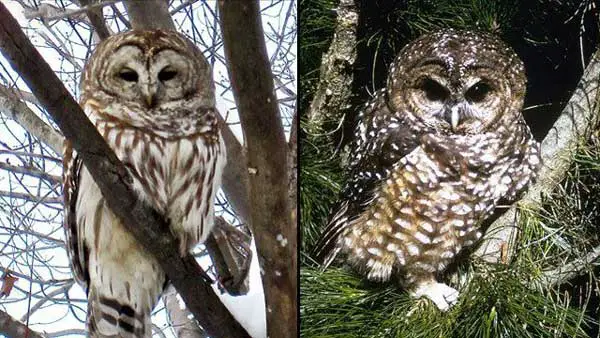
Imagine, for a moment, that you are a barred owl—perched high in the canopy of an ancient forest, your piercing eyes scanning the underbrush for the faintest rustle of a mouse. You return to your nest, a carefully woven sanctuary of twigs and moss, to find it disturbed by an intruder: a spotted owl, your ecological rival. Now, what if I told you that high above, a silent sentinel in the sky—a satellite—is watching this very scene, its mechanical gaze trained not on you, but on the patterns of your nest hidden in the foliage? And what if, instead of a human scientist trekking through dense woods, a machine learning algorithm is the one identifying your home from space?
How Climate Change Is Affecting Snowy Owl Vocalizations and Communication
The Arctic wind howls through the tundra, a symphony of ice and silence—until the sudden, piercing trill of a snowy owl cuts through the frozen air. These birds, clad in moonlit feathers, are not merely survivors of the harshest climates; they are the Arctic’s poets, their voices weaving stories of survival, adaptation, and the unraveling threads of a changing world. But as the planet warms, their once-familiar melodies are shifting, their calls growing fainter, their dialects dissolving into the cacophony of a disrupted ecosystem. Climate change is not just melting ice; it’s rewriting the language of the wild, and the snowy owl’s vocalizations are the most haunting testament to this silent revolution.
Barred vs. Spotted Owls in Mythology: Contrasting Symbols
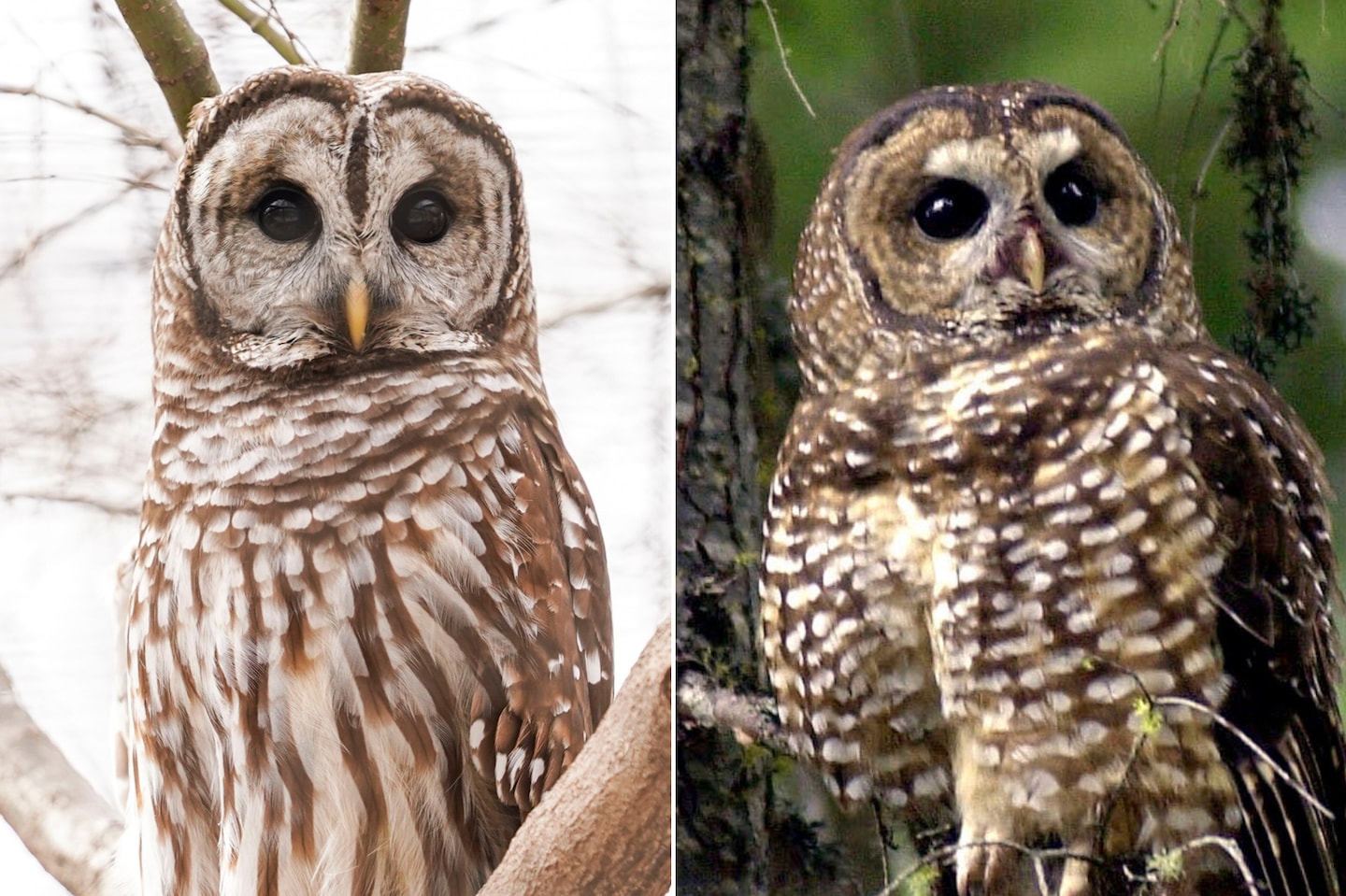
In the twilight world of mythology, owls have always held a place of enigmatic significance. They are creatures of the night, guardians of the unseen, and symbols layered with rich, contrasting meanings. Among these nocturnal birds, the barred owl and the spotted owl stand out not merely as distinct species but as potent symbols whose stories weave through diverse cultures and ancient lore. Through their symbolic contrast, these owls invite a profound reconsideration of how darkness, wisdom, and transformation are perceived across mythological narratives. This exploration promises to shift the conventional perspective on these creatures, sparking curiosity about the ways nature’s subtle nuances echo through human belief systems.
The Role of Owls in Literature: Symbolism and Storytelling
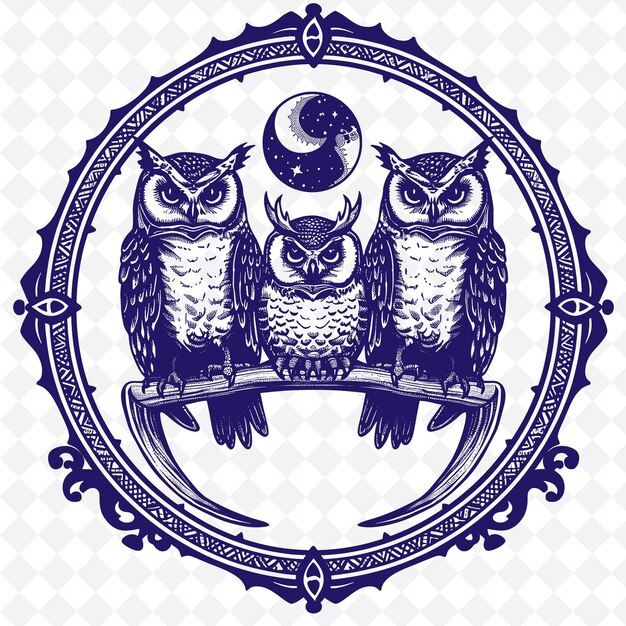
In the shadowed alcoves of human imagination, the owl emerges not merely as a creature of the night but as a potent symbol crawling with layers of meaning. Across centuries and cultures, owls have silently perched within the tapestry of literature, embodying mysteries that captivate, provoke, and inspire. Their emblematic presence transcends simple storytelling, weaving a rich narrative web that dances between wisdom and enigma. Exploring the role of owls in literature is akin to unraveling a labyrinth where metaphors flutter in twilight—ever elusive and endlessly intriguing.
Barred Owls in Dreams: What Do They Symbolize?
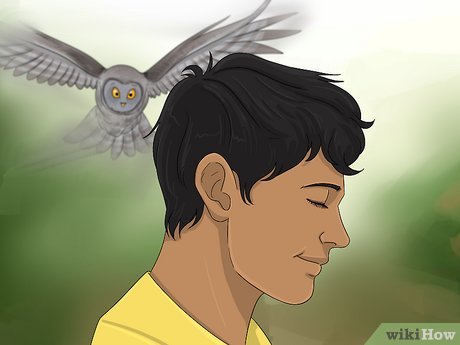
In the silent theater of the night, where shadows stretch long and the veil between worlds thins, the barred owl makes its enigmatic presence known. To dream of this elusive bird is to summon a symbol drenched in mystery and steeped in primal wisdom. Unlike the commonplace owl cloaked in the fabric of folklore, the barred owl carries an intricate tapestry of meaning that beckons deeper introspection. It doesn’t merely represent the obscure; it whispers secrets of the soul’s journey, cloaked in muted, haunting calls echoing through the corridors of the subconscious.
How Cultural Beliefs Affect Owl Conservation Efforts
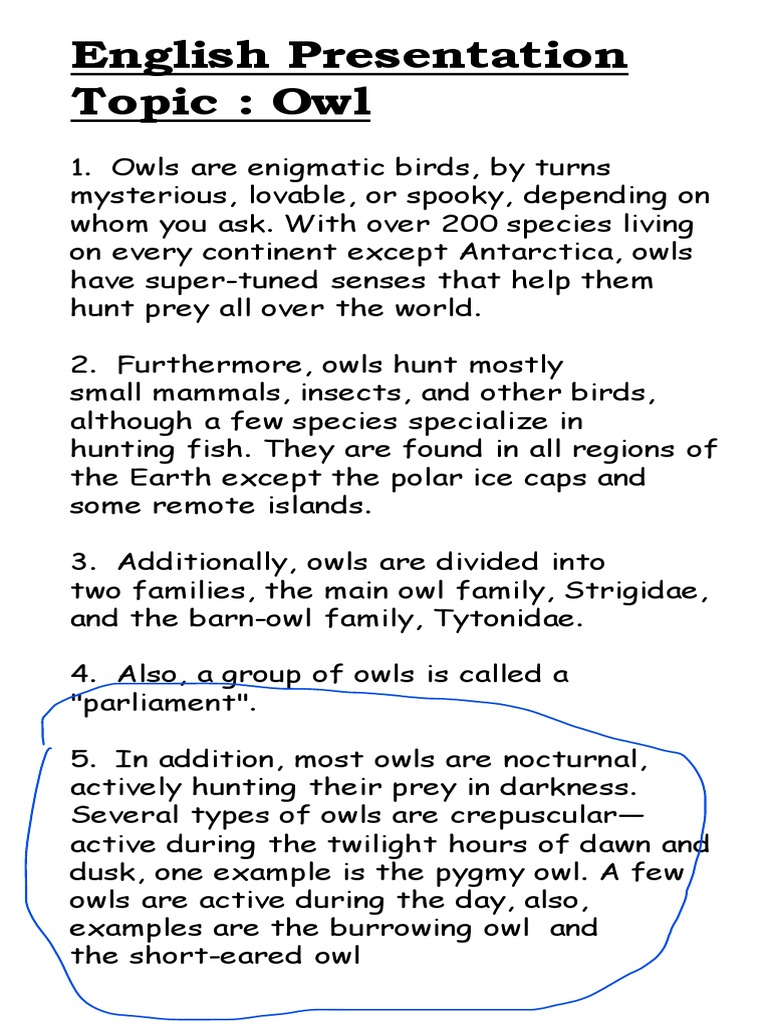
In the shadowed tapestry of human civilization, few creatures have been as mythologized—or as maligned—as the owl. These nocturnal sentinels, with their luminous eyes and silent wings, have long been cast as omens, messengers, and even harbingers of doom. Yet, beyond the folklore and superstition lies a stark reality: owls are ecological linchpins, their survival inextricably tied to the health of the ecosystems they inhabit. Cultural beliefs, woven into the fabric of societies across the globe, have shaped our relationship with these birds in profound ways—sometimes fostering reverence, other times fueling persecution. To understand the true impact of these beliefs on owl conservation is to unravel a paradox: how can something so deeply embedded in human imagination both hinder and help the survival of these enigmatic creatures?
The Barred Owl vs. Spotted Owl Debate: A Full Breakdown
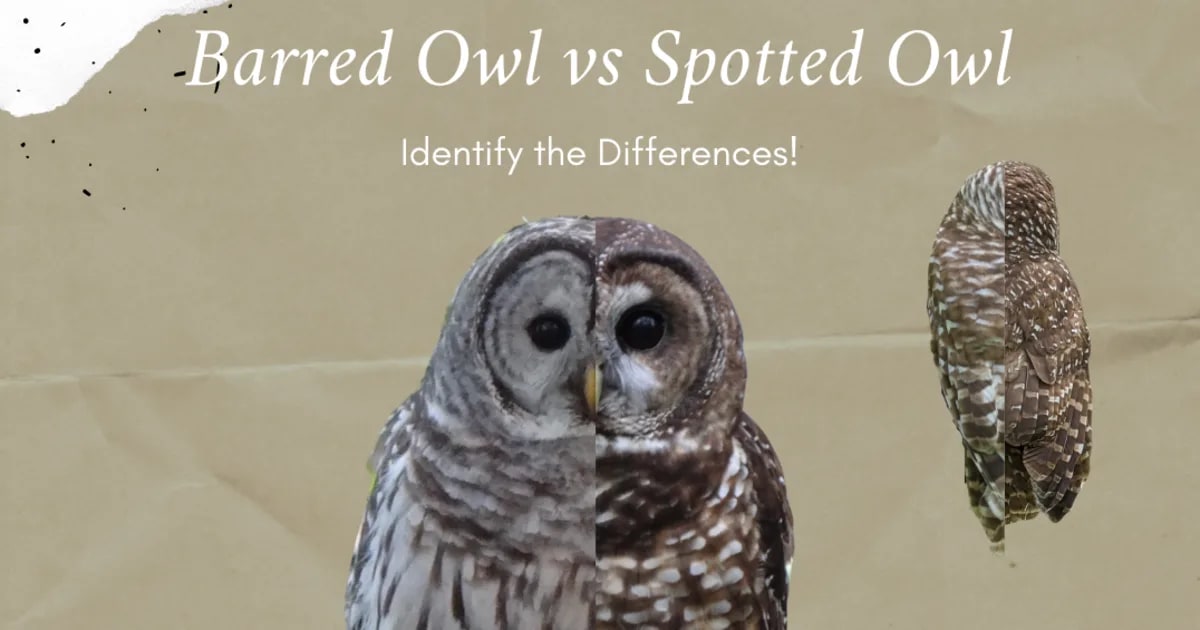
Have you ever found yourself peering into the twilight woods, wondering which mysterious silhouette belongs to the Barred Owl and which to the Spotted Owl? This question, playful on the surface, unfolds into a deeper debate filled with ecological mysteries, astonishing behaviors, and crucial conservation concerns. The Barred Owl vs. Spotted Owl debate is not merely a quest for identification—it is a compelling narrative of nature’s intrigue and balance, packed with surprises and challenges that provoke both curiosity and critical thought.