The silent sentinels of the night, owls, have long been shrouded in a veil of mysticism that transcends cultures and epochs. Their piercing gaze and nocturnal habits have birthed a tapestry of superstitions, some benign, others brutally harmful. From the witching hour associations in medieval Europe to the totemic reverence in indigenous traditions, owls have been both venerated and vilified. Yet, in an era where ecological consciousness is paramount, it is imperative to dissect these cultural narratives and address the superstitious beliefs that endanger these magnificent creatures. This discourse is not an indictment of tradition but a clarion call to evolve our understanding, ensuring that the legacy of owls is one of ecological harmony rather than anthropocentric exploitation.
Ecology & Environmental Science
How to Organize a Spotted Owl Fundraising Event

The spotted owl, with its hauntingly beautiful eyes and silent wings, has long captivated the human imagination. It is not just a bird—it is a symbol of the wild, untamed forests that once stretched across vast landscapes. Yet, this enigmatic creature now faces existential threats, its survival hanging by a thread. Organizing a fundraising event for the spotted owl is not merely an act of charity; it is a defiant stand against ecological erasure, a rallying cry for the voiceless. This is how you transform concern into action, passion into power.
The Role of the Internet of Things (IoT) in Monitoring Owl Habitats and Nesting Sites
The Internet of Things (IoT) is revolutionizing conservation science, weaving a digital tapestry that connects the silent whispers of nature with the analytical power of data. Among its most promising applications is the monitoring of owl habitats and nesting sites—a domain where precision, patience, and persistence are paramount. Owls, those enigmatic nocturnal sentinels of the wild, face mounting threats from habitat fragmentation, climate volatility, and human encroachment. By embedding IoT devices into their ecosystems, researchers and conservationists are not merely observing nature—they are listening to it, learning from it, and, ultimately, protecting it with unprecedented clarity.
How Snowy Owls Are Responding to Shifts in Arctic Predator-Prey Dynamics
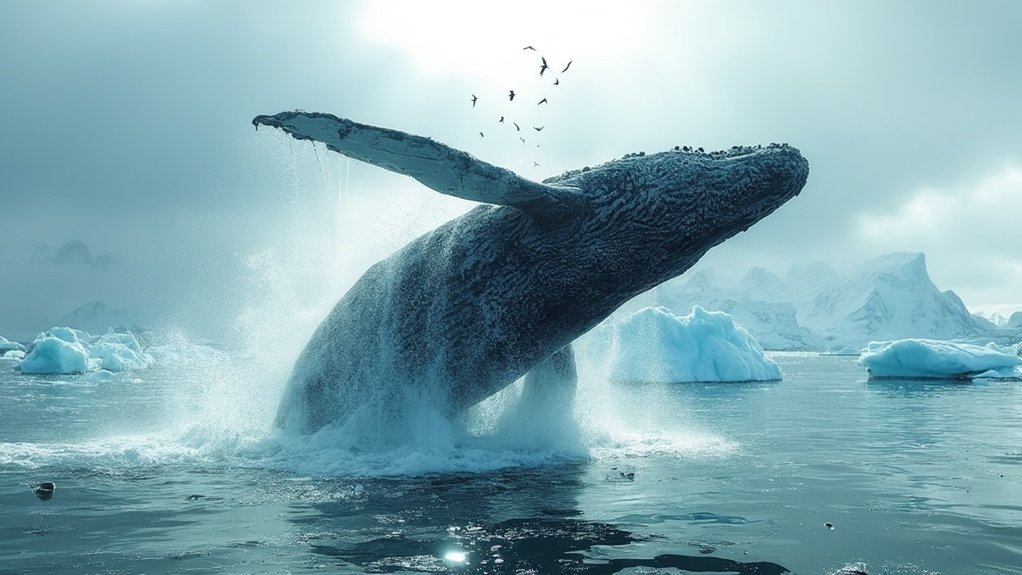
The Arctic is a realm of stark contrasts—endless tundra under a sun that never fully sets in summer, and a darkness that lingers for months in winter. Yet beneath this icy expanse, a delicate balance of survival unfolds, where the snowy owl, a silent sentinel of the north, navigates the shifting tides of predator-prey dynamics. As the Arctic warms and ecosystems convulse, these majestic birds are not merely spectators but active participants in a grand ecological recalibration. Their responses—adaptive, resilient, and often ingenious—offer a window into the resilience of life in one of Earth’s most unforgiving environments.
The Role of Wetlands in Providing Alternative Habitats for Spotted Owls
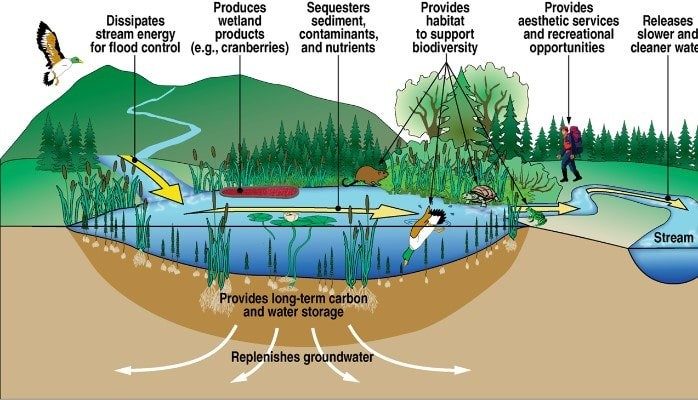
The spotted owl, a creature of quiet majesty and ecological significance, has long been a symbol of the old-growth forests of the Pacific Northwest. Yet, as deforestation and urban sprawl encroach upon its traditional habitats, a lesser-known sanctuary emerges from the waterlogged embrace of wetlands. These biodiverse ecosystems, often overlooked in favor of towering trees, serve as unexpected refuges for the spotted owl, offering a lifeline in an era of environmental upheaval. The role of wetlands in providing alternative habitats for this iconic species is not merely a footnote in conservation biology—it is a testament to nature’s resilience and adaptability. In this exploration, we delve into the intricate relationship between spotted owls and wetlands, uncovering the ecological, behavioral, and conservation-driven narratives that bind them.
How Owls Are Affecting Ecosystem Services: Their Multifaceted Contributions
In the quiet hush of twilight, when the world slows its frenetic pace and the moon casts its silver gaze upon the land, a silent guardian takes flight. The owl, with its piercing eyes and feathered cloak, is far more than a nocturnal specter—it is an architect of balance, a weaver of ecological harmony. These enigmatic birds, often cloaked in myth and misconception, are in truth the unsung heroes of our ecosystems, their influence rippling through the fabric of life in ways both profound and understated. To dismiss them as mere predators is to overlook the intricate web of services they provide, a tapestry woven with threads of pest control, nutrient cycling, and even cultural symbiosis. Let us embark on a journey to uncover the multifaceted contributions of owls, where each beat of their silent wings echoes through the cycles of nature, reshaping our understanding of what it means to be a keystone species.
The Role of National Parks in Owl Conservation and Tourism
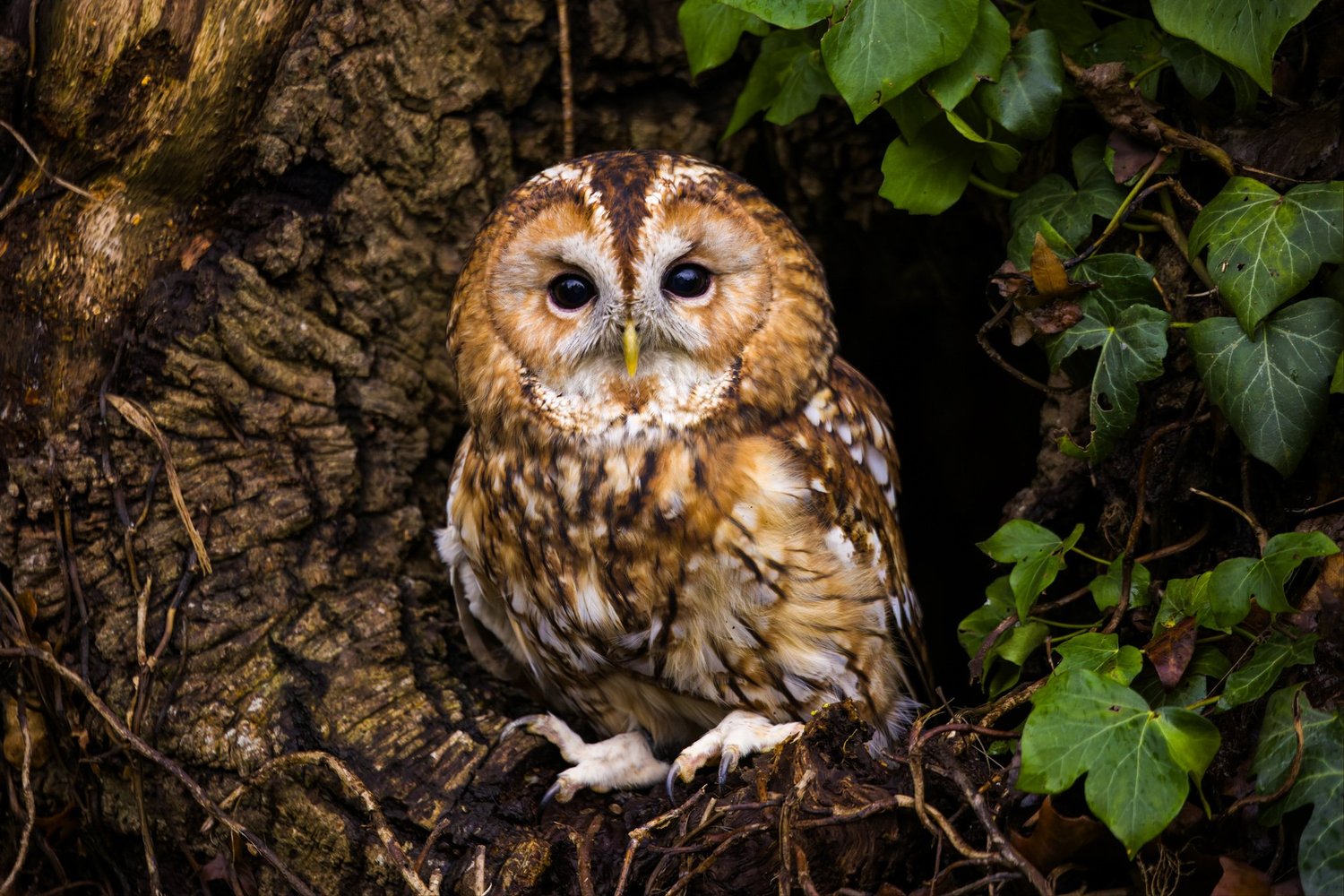
What if the silent sentinels of the night—those feathered philosophers with eyes like polished obsidian—could teach us more than just the art of stealth? What if the very landscapes we wander through, the ones we call “national parks,” held the key to their survival? And what if, in our quest to protect them, we accidentally turned their sanctuaries into stages for our own spectacle? The role of national parks in owl conservation is a dance as delicate as the creatures themselves, where the steps of preservation and tourism must move in perfect harmony—or risk a misstep that echoes through ecosystems for generations.
Snowy Owls and the Arctic Carbon Cycle: Their Role in Ecosystem Health

What if I told you that the Arctic’s most iconic winter wanderer, the snowy owl, is not just a silent sentinel of the tundra but a vital architect of the carbon cycle? Beneath the frozen expanse, where the air shimmers with the breath of a thousand winters, these feathered titans orchestrate a delicate balance—one that keeps the North’s ecosystems from collapsing into chaos. But as the Arctic thaws and human hands reshape the landscape, the snowy owl’s role is being tested in ways that could ripple through the global climate. How does a bird that spends its days hunting lemmings in the endless twilight become a guardian of carbon? And what happens when the stage upon which this drama unfolds begins to crack under the weight of our own making?
How to Use Infographics to Explain the Barred vs. Spotted Owl Controversy
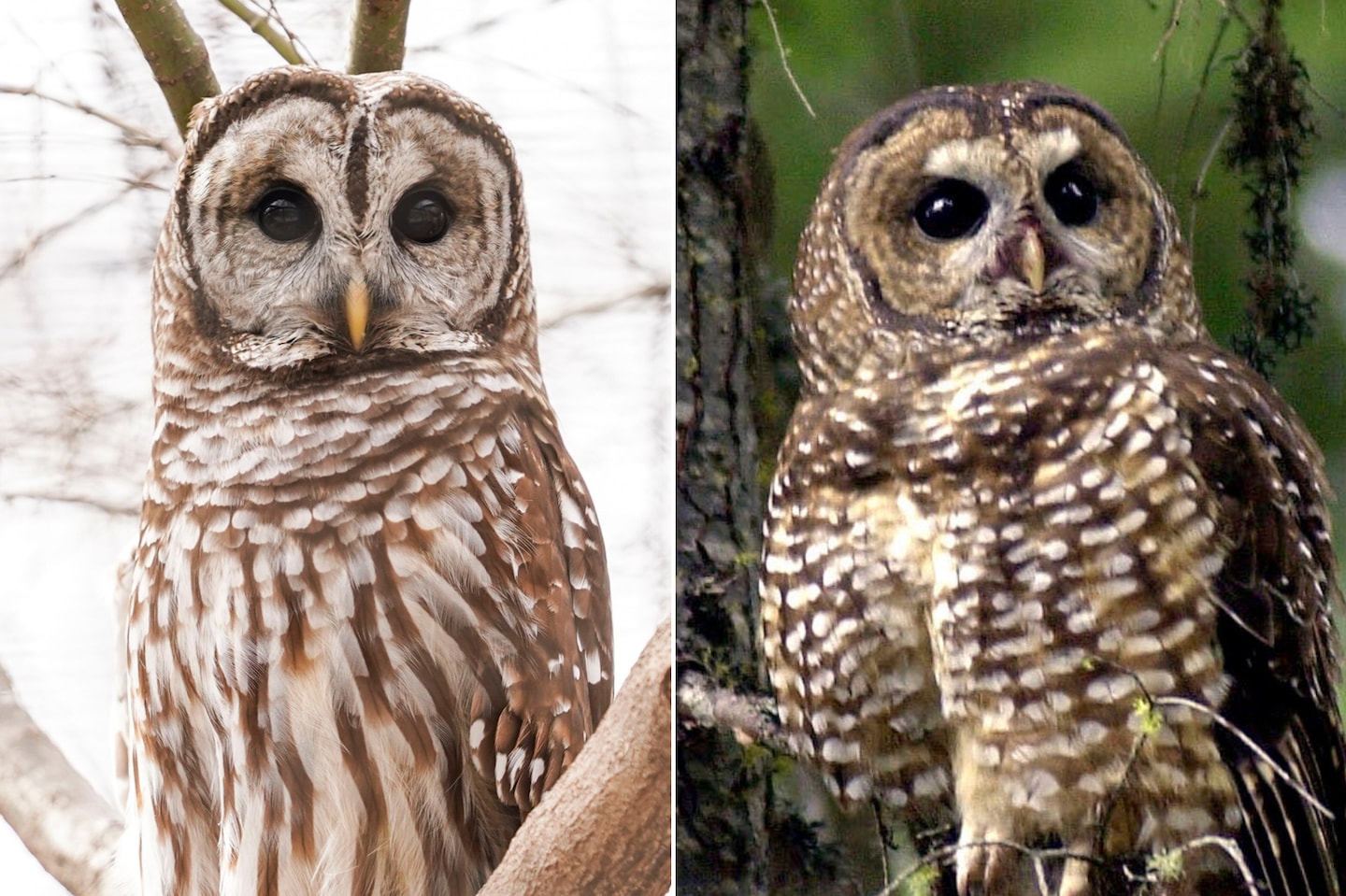
The barred owl, with its haunting, striped plumage and unnervingly human-like gaze, has long been a creature of fascination—both for its eerie beauty and its unsettling adaptability. Yet this same adaptability now threatens the spotted owl, a reclusive denizen of ancient forests whose very existence has become a battleground in the quiet war over ecological balance. The controversy isn’t just about two owl species; it’s about how we, as humans, choose to interpret and intervene in nature’s delicate choreography. Infographics, those sleek vessels of data-driven storytelling, offer a compelling way to untangle this complex narrative—not by simplifying it, but by revealing the hidden threads that bind science, policy, and perception together.
The Role of Owls in Grassland Ecosystems: Predators of the Plains
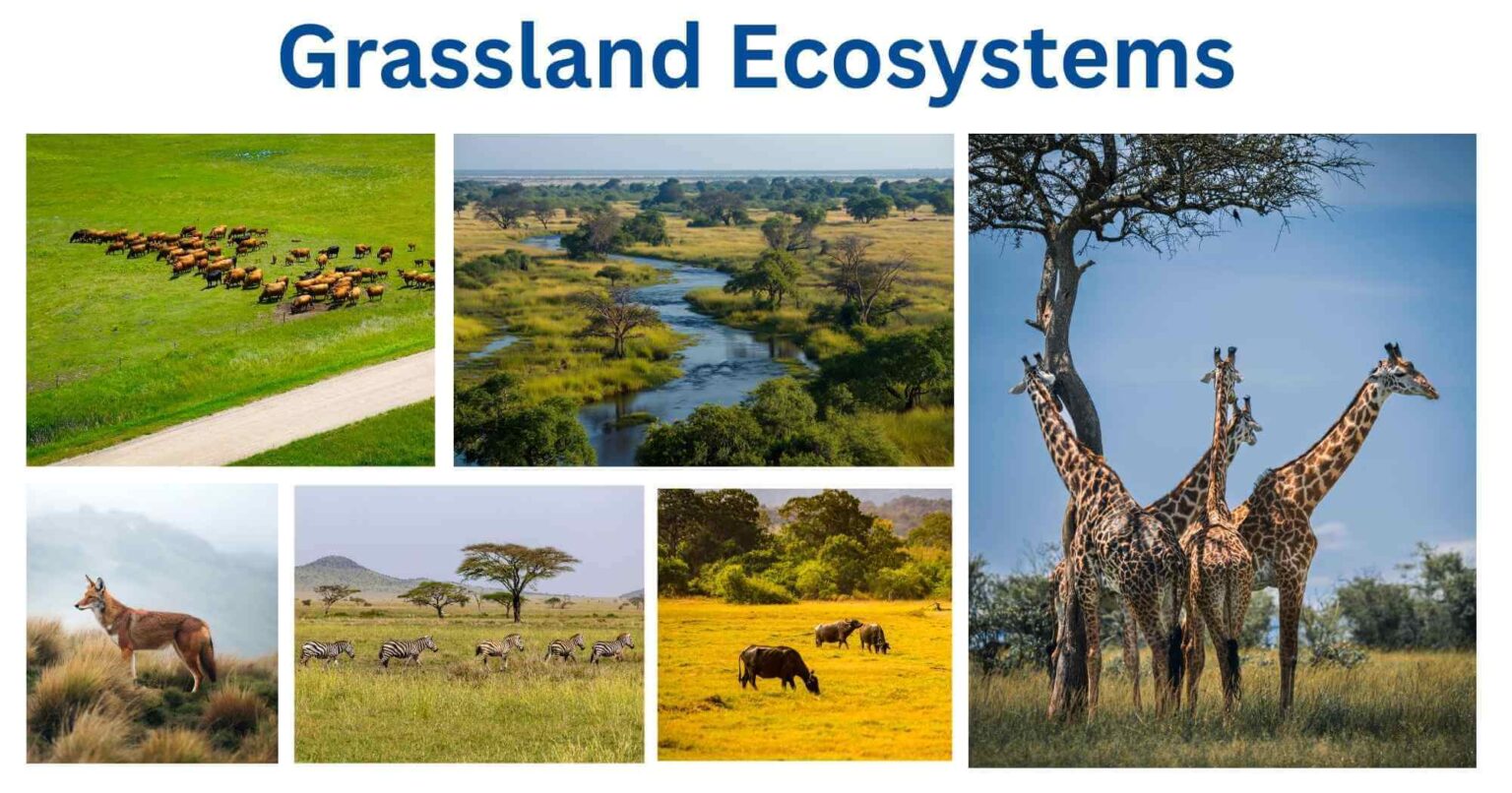
Have you ever stood in the heart of a grassland at dusk, where the wind hums through the tall blades and the earth exhales the warmth of the day? As the sun dips below the horizon, painting the sky in hues of amber and violet, a silent shadow begins its nightly patrol. Who is this stealthy sentinel of the plains, this winged guardian that rules the twilight with an iron talon and a gaze that pierces the dark? Meet the owl—nature’s most enigmatic predator, a creature of paradox, both feared and revered, whose presence in grassland ecosystems is nothing short of a biological masterstroke.