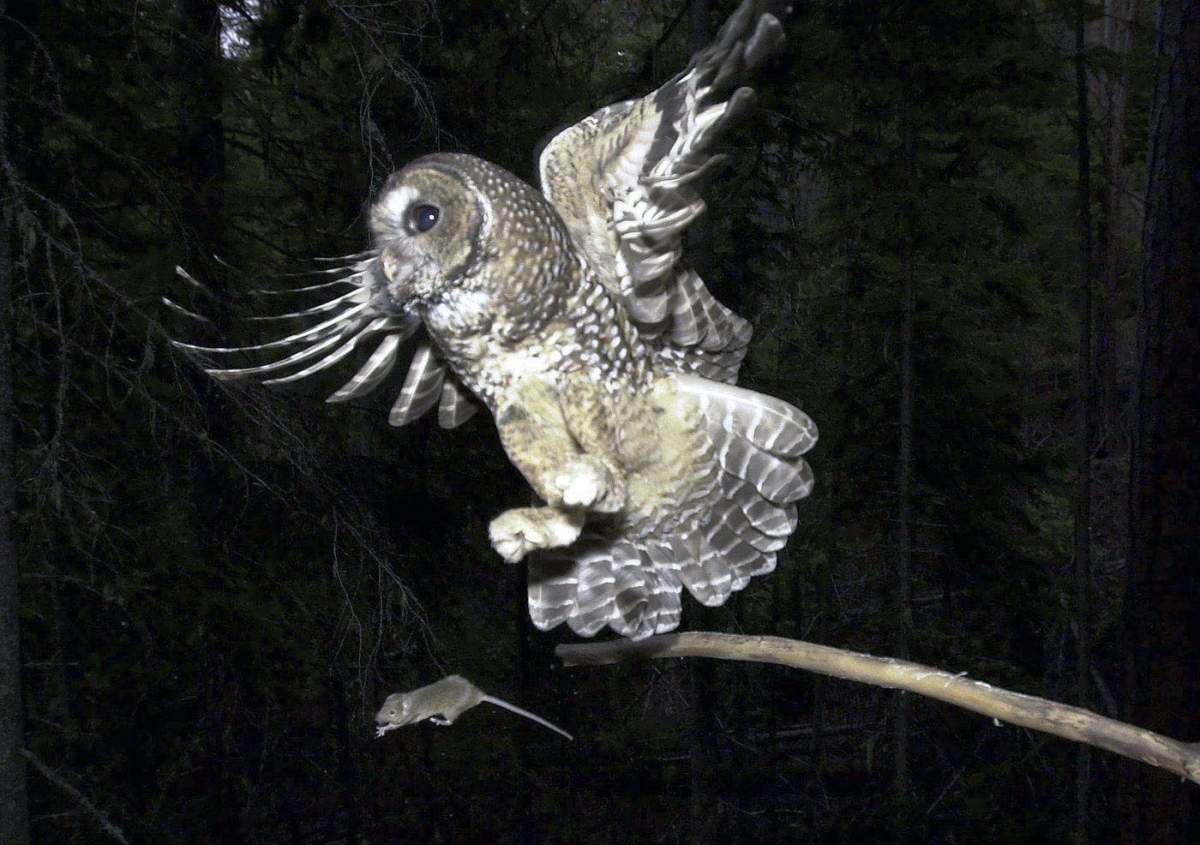
In the dense, mist-shrouded forests of the American West Coast, a quiet but fierce struggle is unfolding—one that pits two remarkable bird species against each other in a battle that challenges our ethical boundaries and conservation priorities. The West Coast spotted owl, a symbol of old-growth forest vitality, faces a dire threat from the barred owl, an invasive cousin whose expanding territory jeopardizes the survival of this vulnerable species. This conflict has sparked an intense public debate revolving around a profoundly unsettling question: Should we kill barred owls to save spotted owls? This dilemma invites us to reconsider our understanding of nature, stewardship, and what it truly means to protect biodiversity in an ever-changing world.
 Amanda Graves
How Urbanization Is Affecting Spotted Owl Habitats in the Pacific Northwest
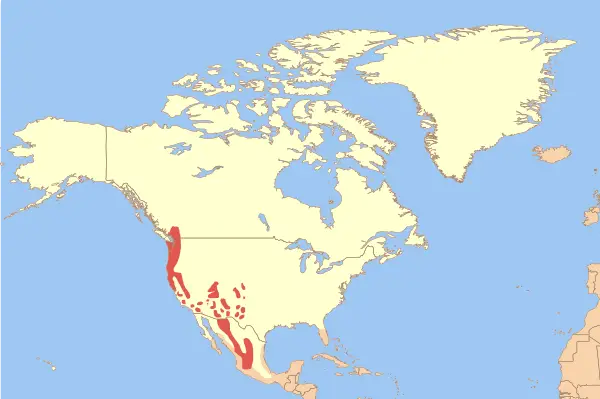
The Pacific Northwest’s ancient forests, where mist clings to towering conifers like a shroud, have long been the domain of the spotted owl—a creature of twilight, of quiet, of secrets woven into the fabric of the land. Yet, as cities sprawl like inkblots across the landscape, this enigmatic bird finds itself caught in the crossfire of progress. Urbanization, that relentless tide of concrete and steel, is not merely encroaching upon the spotted owl’s habitat; it is unraveling the delicate tapestry of an ecosystem that has thrived for millennia. The owl, a silent sentinel of the old-growth woods, is now a poignant symbol of what we stand to lose when nature’s boundaries are erased by human ambition.
Owl Conservation Posters: Spreading Awareness in Schools

Have you ever wondered why owls, those enigmatic nocturnal sentinels of the wild, seem to be vanishing from our skies? Their silent wings, once a common sight across woodlands and farmlands, now grow rarer with each passing year. The answer lies not in some grand conspiracy, but in the quiet erosion of their habitats and the creeping shadow of human indifference. Yet, there is hope—one that begins with the laughter and curiosity of schoolchildren, armed with nothing more than paper, crayons, and a shared sense of purpose. Owl conservation posters, when crafted with care, can transform classrooms into hubs of environmental advocacy, turning young minds into guardians of the night.
How Soil Degradation Is Affecting Spotted Owl Nesting Success
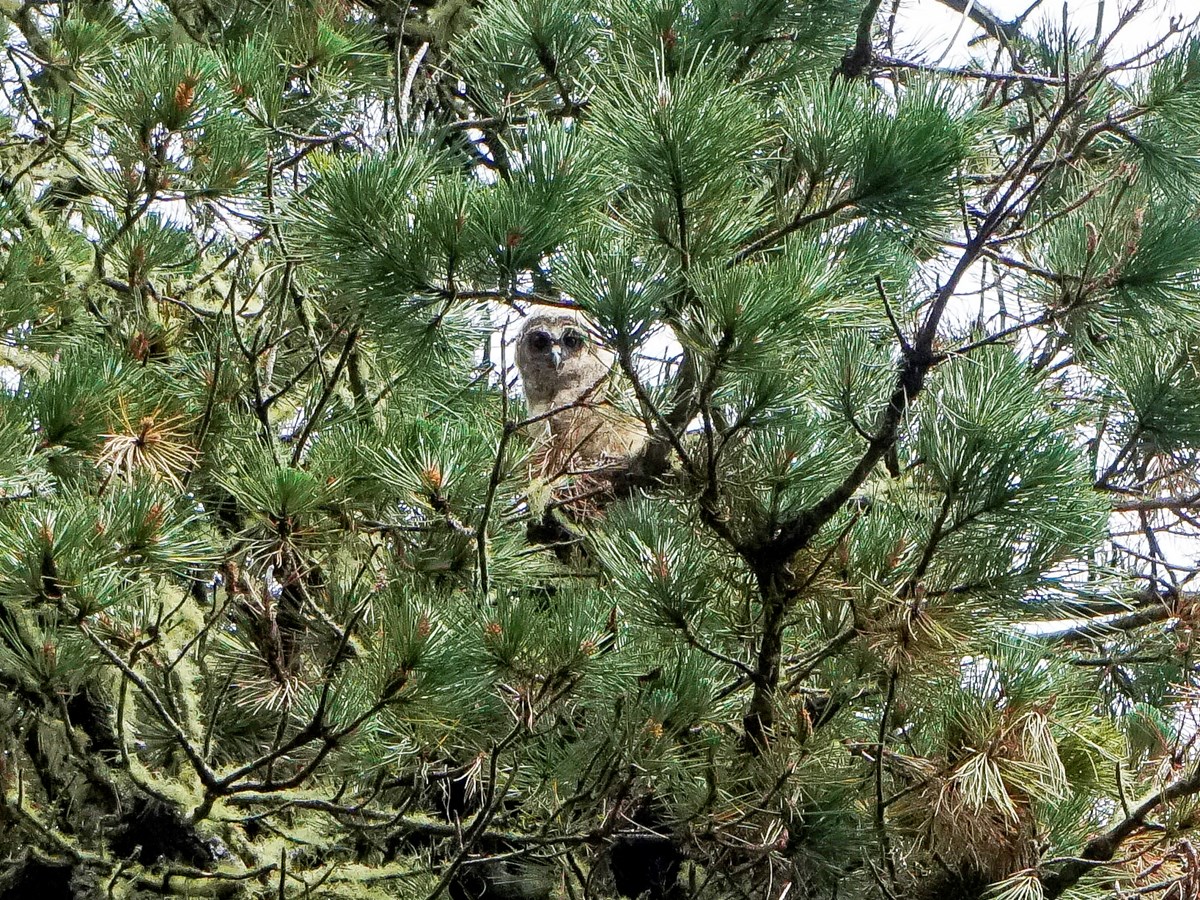
What if the silent, ancient guardians of the forest—those with eyes like molten gold and feathers like the dusk itself—were quietly losing their nurseries to the slow, creeping rot beneath their talons? The spotted owl, a creature of mythic resilience and ecological significance, is facing an insidious threat that doesn’t roar like wildfire or howl like chainsaws. It’s the quiet, relentless degradation of the soil beneath its nests, a crisis that whispers rather than shouts, yet carries consequences as vast as the old-growth forests it calls home.
Owl Conservation in Polar Regions: The Impact of Melting Ice
In the vast, frozen tapestries of the polar regions, where ice sculptures the horizon like ancient cathedrals of gleaming crystal, a silent sentinel glides through the night— the owl. These enigmatic creatures, draped in feathers as soft as whispers, are more than mere inhabitants of the Arctic and Antarctic’s ephemeral wilderness. They are vital barometers of ecological health, intricate threads woven into a fragile ecosystem now trembling on the edge of transformation. The melting polar ice, a metaphorical unraveling of the natural world’s silk thread, casts a profound shadow over owl conservation. As these icy realms diminish, the survival of the owls becomes an emblematic struggle against a changing planet.
How Melting Permafrost Is Changing Snowy Owl Nesting Behavior
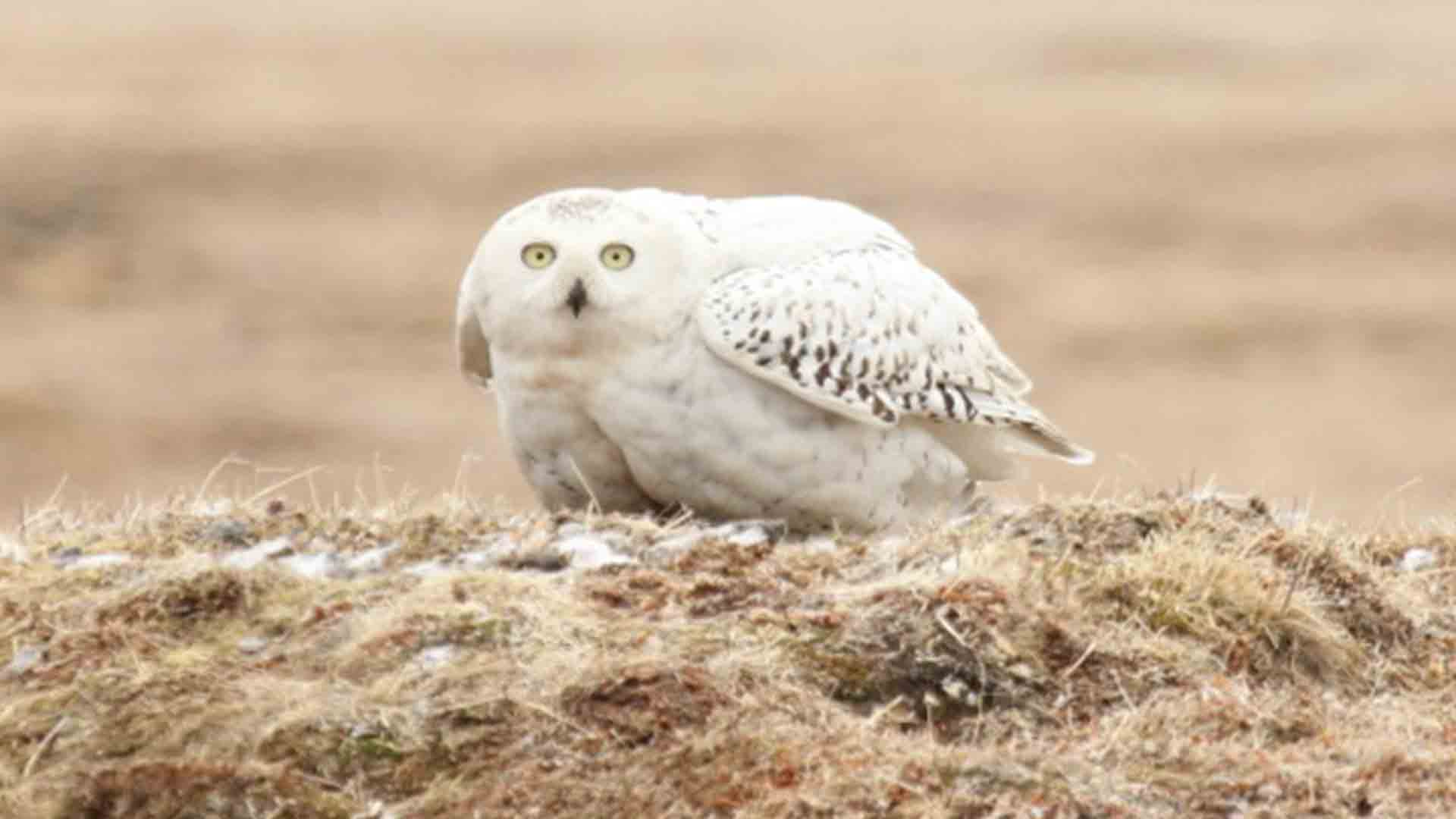
Across the vast, frozen tundras where silence reigns and icy winds sweep across the barren landscape, a subtle yet profound transformation is unfolding. The Arctic Snowy Owl, an iconic sentinel of this fragile ecosystem, has long fascinated naturalists and wildlife enthusiasts. Their hauntingly beautiful nesting rituals, set against pristine snowy backdrops, have captured our imaginations. Yet, beneath this serene tableau lies an unsettling shift—melting permafrost is rewriting the rules of their nesting behavior. This phenomenon invites us not only to observe but to deeply contemplate how climatic forces ripple through nature’s intricate web, altering ancient patterns with sobering consequences.
Barred Owl Competition: The Primary Threat to Spotted Owl Survival
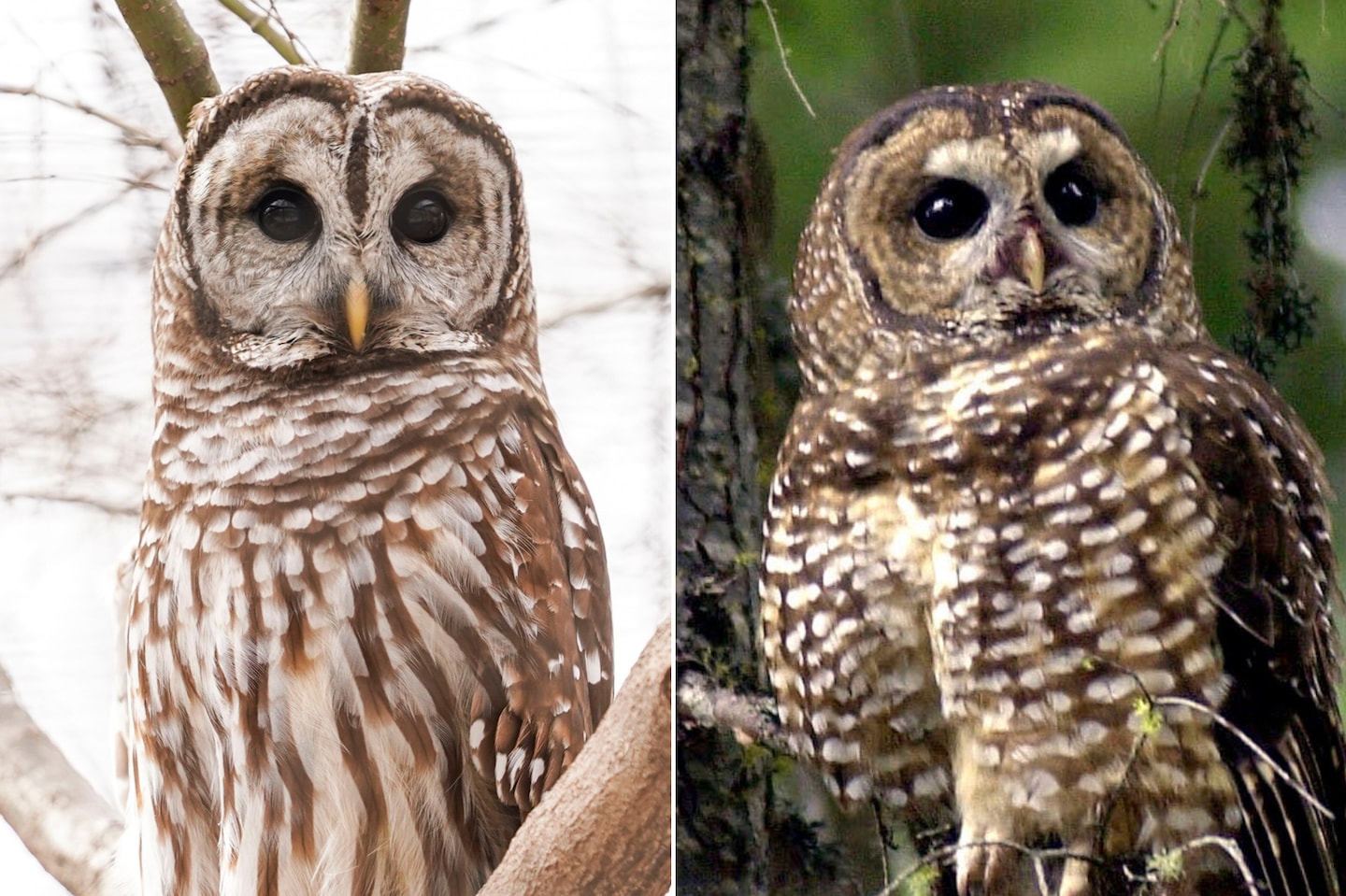
In the dense, shadowy cathedrals of the Pacific Northwest’s ancient forests, a silent battle unfolds. It is a contest as old as time itself—a struggle for survival played out beneath towering canopies and cloaked in twilight. Here, two owls engage in a duel not of claws and beaks alone, but of habitat, existence, and ecological dominance. The barred owl, a formidable interloper, has become an unyielding specter haunting the survival prospects of the spotted owl. To comprehend this avian rivalry is to enter a world where nature’s delicate balances teeter on the edge, and where the very essence of conservation is tested.
Warming Arctic Temperatures: How They’re Forcing Snowy Owls to Migrate South
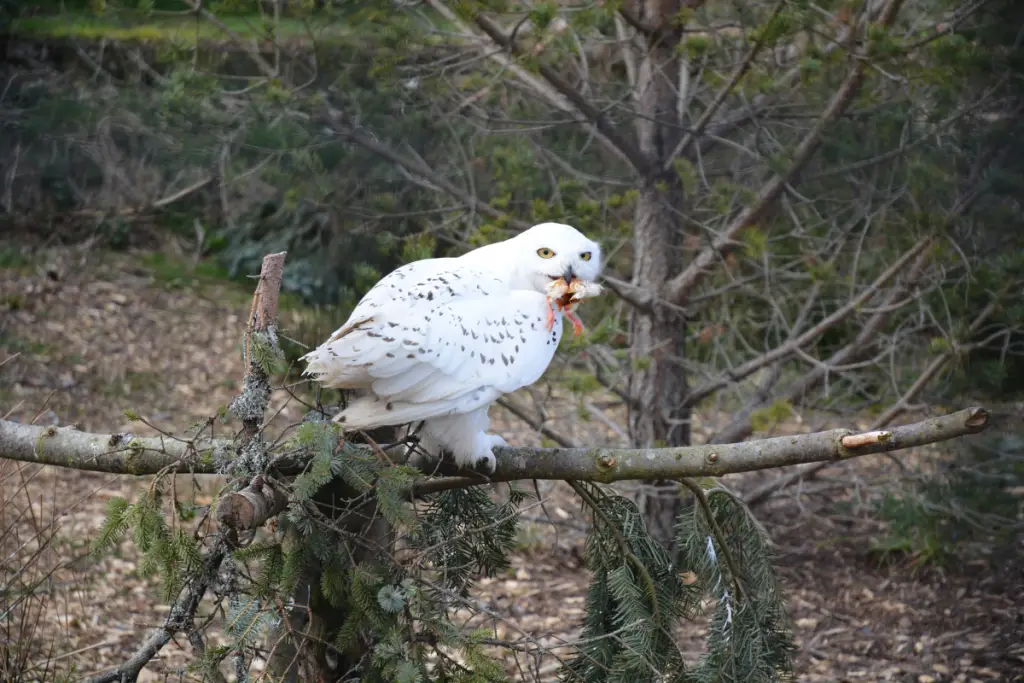
The Arctic, a realm of ice and silence, is screaming. Not with a voice we can hear, but with a shift so profound it’s rewriting the rules of survival for its most iconic inhabitants. The snowy owl, that ghostly sentinel of the tundra, is no longer a permanent fixture of its frozen kingdom. Instead, it’s becoming a reluctant wanderer, pushed southward by the relentless march of warming temperatures. This isn’t just a migration—it’s a desperate exodus, a sign that the Arctic’s heartbeat is faltering. And yet, in this crisis, there’s a strange allure, a fascination that lingers like the owl’s own silent flight.
How Climate Models Are Informing Snowy Owl Conservation Strategies
The Arctic tundra, that vast and mercurial canvas of ice and wind, is no longer the silent witness it once was. Beneath its frozen veneer, a symphony of ecological shifts hums—a crescendo of melting permafrost, retreating sea ice, and disrupted migration patterns. At the heart of this transformation lies the snowy owl, a regal predator whose fate is inextricably woven into the threads of climate change. But how do we decipher the whispers of this unfolding drama? The answer lies in the alchemy of climate models, those intricate crystal balls that translate raw data into actionable insight. These models are not mere abstractions; they are the lifelines of conservation, the compass guiding us through the labyrinth of ecological uncertainty.
How Social Media Is Tracking Snowy Owl Irruptions in Real Time
In the hushed expanse of the Arctic tundra, the snowy owl reigns as an ethereal sentinel—its ghostly white plumage blending into the pristine backdrop of snow and ice. These elusive raptors have long fascinated birdwatchers and scientists alike, especially during periods known as irruptions, when massive numbers suddenly descend far south of their Arctic breeding grounds. In recent years, the pulsating heart of social media has unlocked unprecedented avenues for tracking these irruptions in real time, weaving together sightings, data, and stories into a vibrant tapestry that captivates a worldwide audience.