
The Arctic is a realm of stark beauty and relentless extremes, where the snow whispers secrets to those who listen. Yet beneath its frozen veneer, a crisis unfurls—one that threatens the survival of its most iconic inhabitants. Among them, the snowy owl, a creature of paradox, thrives in the cold yet depends on the delicate balance of its habitat. As the Arctic warms at an alarming rate, these birds face a precarious future. But hope flickers in the form of habitat restoration, a beacon of resilience that could help them adapt to a changing world. This is not just a story of survival; it’s a testament to the interconnectedness of life and the power of human intervention.
 Amanda Graves
The Role of Protected Areas in Snowy Owl Conservation
Have you ever wondered how an ethereal creature, cloaked in snowy white feathers, navigates the vast and often unforgiving Arctic tundra? The majestic snowy owl, a sentinel of the northern skies, faces challenges that go beyond the bite of the cold winds. With shifting climates and human encroachments threatening its habitat, one might ask: can protected areas truly shield this enigmatic bird from the growing threats it encounters? Or do these sanctuaries pose hidden challenges of their own?
The Role of International Funding in Supporting Invasive Owl Research
What if the very instruments meant to protect our planet’s most enigmatic creatures were, in fact, unwittingly fueling their disruption? This is the paradox at the heart of international funding for owl research—a domain where noble intentions often collide with ecological unintended consequences. As we funnel millions into studying these nocturnal sentinels, we must ask: Are we nurturing knowledge or nurturing disruption? The answer lies not in the grandeur of research grants, but in the granular realities of invasive methodologies, cultural blind spots, and the silent erasure of indigenous wisdom.
The Top 10 Threats to Owl Survival in the 21st Century

In the grand theater of the natural world, where the night whispers secrets and the forest hums with unseen life, the owl stands as a silent sentinel. But what if I told you that this nocturnal monarch, with its piercing gaze and feathered grace, faces a gauntlet of threats in the 21st century? The 21st century is not kind to the wise old bird. From the encroaching shadows of urban sprawl to the silent creep of climate change, the owl’s survival is a delicate dance on the edge of a blade. So, let us embark on a journey through the top 10 threats to owl survival, where each challenge is a thread in the tapestry of their peril—and ours.
The Status of Owls in Australia: Unique Species and Threats
In the shadowed theaters of the Australian night, owls emerge as silent sentinels—enigmatic phantoms cloaked in feathers, guardians of the nocturnal realm. Their haunting calls echo through eucalyptus groves and moonlit marshes, weaving an ancient narrative of survival and mystique. Yet beneath their ethereal presence lies a fragile existence, challenged by a world in flux. The status of owls in Australia encompasses a tapestry of uniqueness woven with threads of peril and resilience, demanding both reverence and urgent attention.
The Impact of Owls on Insect Populations: A Top-Down Effect
The night unfurls like a velvet cloak, and in its dark embrace, a silent predator takes flight. Owls—those enigmatic sentinels of the twilight—are not merely creatures of folklore but architects of ecological balance. Their presence weaves a complex tapestry of life, where the flutter of moth wings and the scuttle of beetles are not random acts but carefully orchestrated movements in a grand, unseen symphony. The impact of owls on insect populations is not a footnote in nature’s ledger; it is a top-down effect, a cascading force that reshapes entire ecosystems from the apex downward. To understand this phenomenon is to peer into the hidden mechanics of survival, where every talon strike sends ripples through the underbrush, altering the very fabric of biodiversity.
How Noise Pollution Is Affecting Owl Communication in Cities
In the hushed corridors of urban nights, where steel and concrete rise like monoliths, a silent tragedy unfolds. The once-pristine symphony of owl calls—those haunting, melodic trills that once pierced the darkness like silver needles through velvet—has begun to fray at the edges. Cities, those relentless engines of progress, have become cacophonous battlegrounds, where the decibels of human activity drown out the whispers of the wild. Noise pollution, that insidious byproduct of modernity, is not merely an annoyance; it is a slow erasure of a language older than skyscrapers, a language that owls have honed over millennia to navigate the night.
How Water Pollution Is Affecting Spotted Owl Prey and Habitats
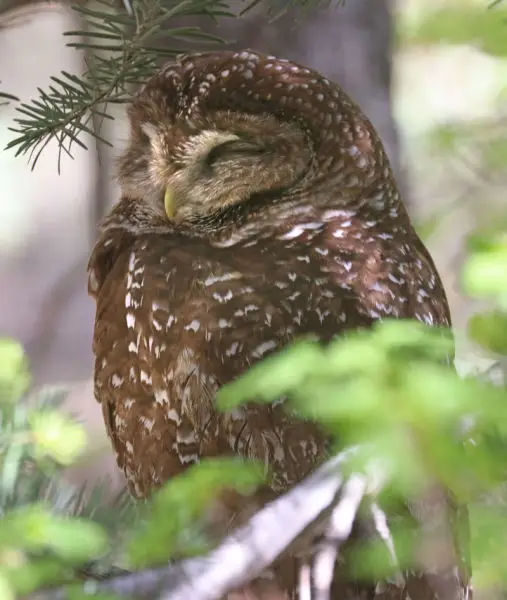
The spotted owl, a creature of quiet majesty, glides through the ancient forests of the Pacific Northwest, its dark eyes scanning the underbrush for prey. Yet beneath the canopy’s emerald glow, an insidious threat festers—one that doesn’t roar like a chainsaw or blaze like a wildfire, but slithers through streams and rivers, poisoning the very lifeblood of the ecosystem. Water pollution, often overshadowed by more visible environmental crises, is silently reshaping the habitats of this iconic bird and the creatures it depends on. The consequences are dire, not just for the spotted owl, but for the intricate web of life that sustains us all.
How Owls Contribute to Seed Dispersal: An Overlooked Ecological Function
In the silent ballet of the night, where the moon casts silver threads over the forest canopy, an unsung hero of biodiversity performs its nocturnal magic. Owls—those enigmatic, wide-eyed sentinels of the dark—are far more than mere predators of the night. They are, in ways both subtle and profound, the unwitting architects of ecological renewal. While their role in pest control has long been celebrated, a quieter revolution is unfolding: owls are seed dispersers, a function so overlooked that it challenges the very foundations of how we perceive these birds and the ecosystems they inhabit.
The U.S. Fish and Wildlife Service’s Barred Owl Plan: Does It Go Far Enough?
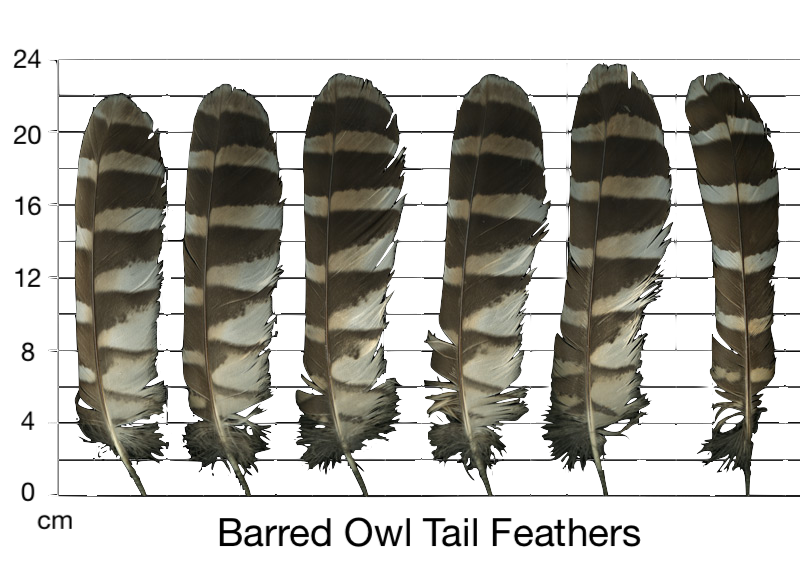
The barred owl, with its haunting, rhythmic call that echoes through the dense forests of the Pacific Northwest, has long been a symbol of wilderness and mystery. But lately, this enigmatic creature has found itself at the center of a heated debate—one that pits conservation against ethics, science against sentiment, and the survival of one species against the potential demise of another. The U.S. Fish and Wildlife Service’s recent plan to cull barred owls in an attempt to save the endangered spotted owl has sent ripples through the environmental community. Does this strategy go far enough? Or does it merely scratch the surface of a much deeper ecological dilemma?