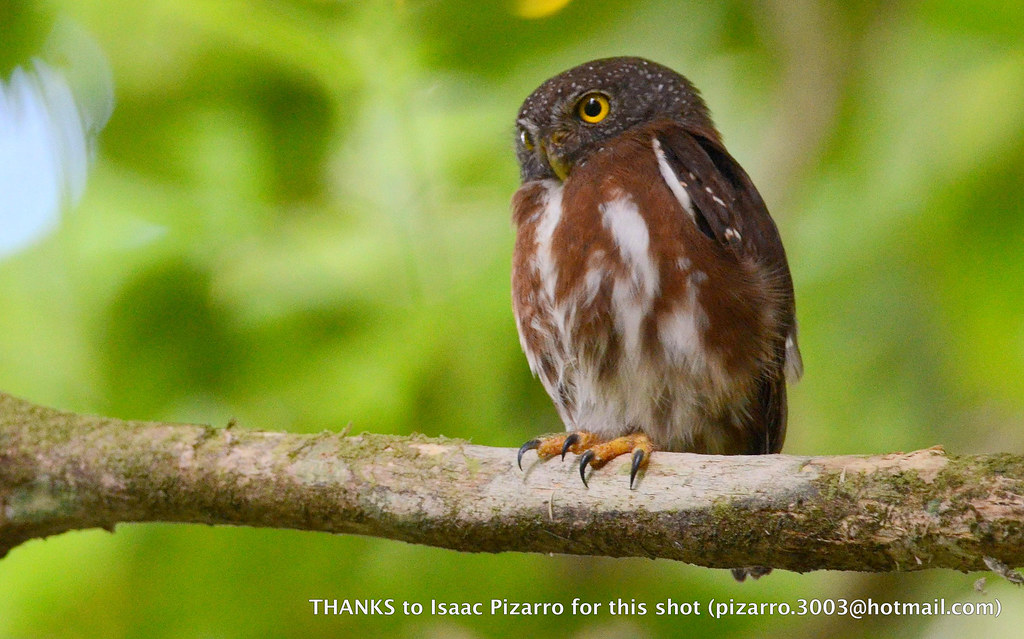
What if I told you that a tiny, feathered sentinel of the Mexican cloud forests—once teetering on the brink of silence—now flits through the emerald canopy with renewed vigor? The Central American pygmy owl, no larger than a sparrow yet brimming with fierce determination, has become an unlikely beneficiary of human intervention. Captive breeding programs, those meticulously orchestrated symphonies of conservation, have played a pivotal role in rewriting its fate. But how exactly did these initiatives transform a species on the edge? And what unexpected hurdles did they encounter along the way?
 Amanda Graves
The Snowy Owl’s Diet in a Warming Arctic: Are Lemmings Declining?
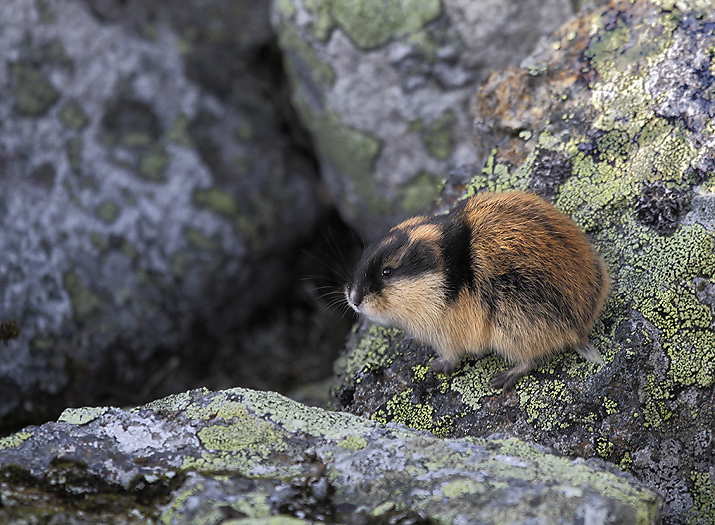
In the boundless white tapestry of the Arctic, one creature reigns with an enigmatic grace: the Snowy Owl. Cloaked in pristine feathers, these majestic raptors have long been emblematic of the tundra’s fierce beauty and rigorous challenges. Yet, as the Arctic warms at an unprecedented pace, the intricate dance between predator and prey begins to unravel, revealing mysteries that compel us to reconsider not only the steadfastness of the Snowy Owl’s diet but also the very resilience of Arctic ecosystems. Central to this unfolding ecological narrative is the fate of the lemming—once the ubiquitous cornerstone of the owl’s winter survival. Are lemmings truly declining? And if they are, what does this portend for the Snowy Owl and the Arctic food web at large? The revelations challenge entrenched assumptions and invite a profound exploration into a changing world.
How to Fundraise for Owl Protection: Events Campaigns and Donations

What if the silent guardians of the night—those feathered sentinels with eyes like molten gold—could use a little help from us? Owls, those enigmatic creatures of twilight, face threats from habitat loss, rodenticides, and shrinking forests. But what if we could turn the tide with something as simple as a fundraiser? Imagine hosting an event where the hoots of solidarity echo louder than the chainsaws of destruction. Fundraising for owl protection isn’t just about money; it’s about rallying a community around a cause that whispers to the soul. So, how do we transform compassion into action? Let’s dive into the art of fundraising for our nocturnal allies.
Owl Conservation 101: How to Protect These Iconic Birds
There’s something almost mystical about owls. Their silent flight, piercing gaze, and nocturnal habits have woven them into the fabric of human imagination for millennia. Yet, beyond their symbolic allure, these birds of prey face a precarious future. Habitat loss, pesticide exposure, and human encroachment threaten their survival. Understanding how to protect these enigmatic creatures isn’t just about preserving biodiversity—it’s about safeguarding a piece of the natural world that has captivated us for generations.
How to Use Birding Apps to Track and Identify Owl Sightings
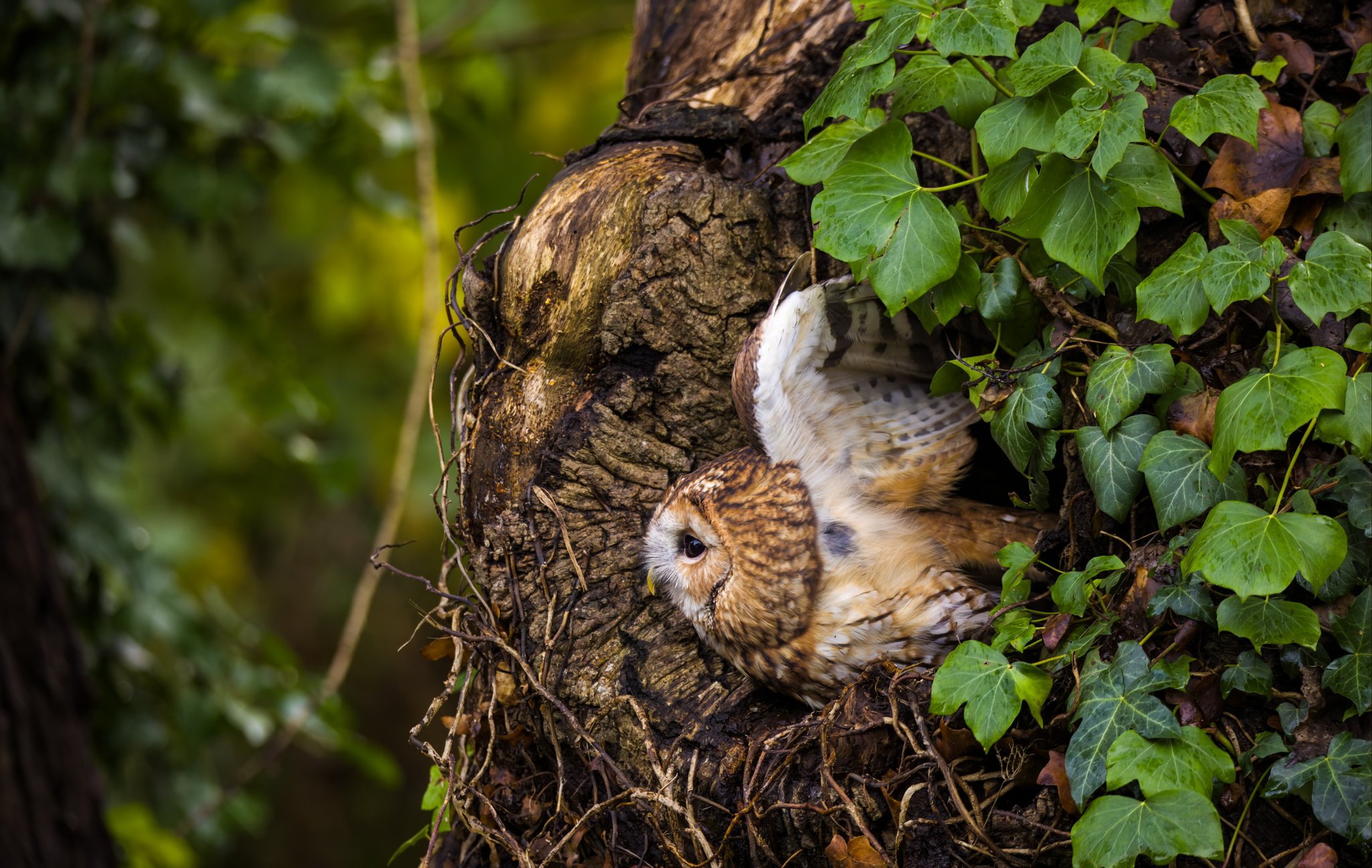
There is a secret world, hidden in the hush of twilight, where silent wings brush the air like whispers of forgotten lore. Owls, those enigmatic sentinels of the night, glide through the dark with a grace that feels almost supernatural. For those who seek their presence, birding apps have become the modern-day oracles—digital crystal balls that reveal the whereabouts of these feathered phantoms. But beyond mere tracking, these tools are gateways to a deeper communion with nature, a way to decode the cryptic language of the wild. Whether you’re a seasoned naturalist or a curious novice, the art of owl spotting has never been more accessible—or more thrilling.
Snowy Owls and Lead Poisoning: The Hidden Danger
The silent flight of the snowy owl, with its ghostly white plumage and piercing yellow eyes, evokes a majestic and almost mythical presence in the vast Arctic tundra. These enigmatic raptors, icons of wild resilience, have long captured human imagination. Yet, beneath their striking exterior lies a grim and largely unseen peril—lead poisoning. This hidden danger is threatening snowy owls in insidious ways, impacting not only their survival but the delicate ecosystems they inhabit. As these regal predators face mounting environmental stressors, understanding the nexus between lead contamination and their declining health becomes imperative. This exploration delves deeply into the multifaceted nature of lead poisoning among snowy owls, casting light on an urgent conservation dilemma.
The Science of Owl Vision: How They See in the Dark

There is something undeniably enchanting about the gaze of an owl piercing through the dark. Time and again, nocturnal wanderers have marveled at how these mysterious birds navigate the inky blackness of night with an unerring precision that seems almost supernatural. This common observation sparks a deeper curiosity, a yearning to understand the extraordinary mechanisms behind their legendary night vision. What secrets does the owl’s eye hold? What intricate adaptations enable them to command the night in ways that outstrip the capabilities of many creatures, including humans? To grasp the science of owl vision is to embark on a fascinating journey that intertwines biology, evolution, and the marvels of natural engineering.
How Technology Helped Track the Migration of the Short-Eared Owl
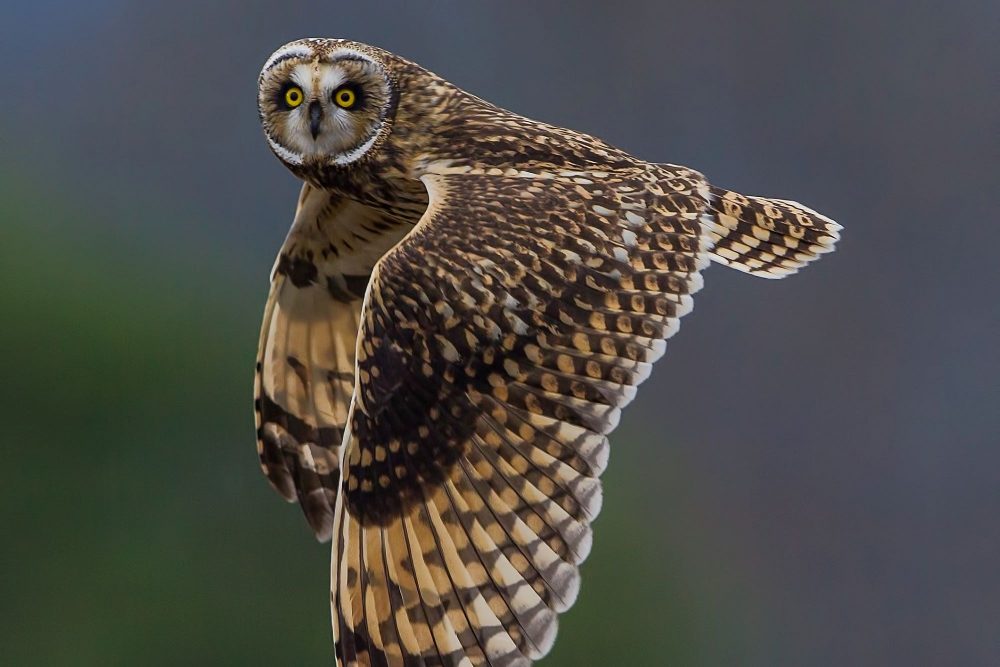
The Short-eared Owl, a nomadic wanderer of the twilight skies, has long been a creature of mystery. Its erratic migrations—dancing between the Arctic tundra and temperate grasslands—have baffled ornithologists for centuries. But in an era where technology reshapes the boundaries of human understanding, these enigmatic birds are finally revealing their secrets. No longer do we rely solely on chance sightings or fragmented anecdotes. Instead, we wield an arsenal of digital tools that illuminate the hidden pathways of their journeys. From satellite telemetry to AI-driven data crunching, technology has become the silent yet indispensable ally in unraveling the migratory symphony of the Short-eared Owl.
Spotted Owl Watching and Conservation: How Your Hobby Can Help Science
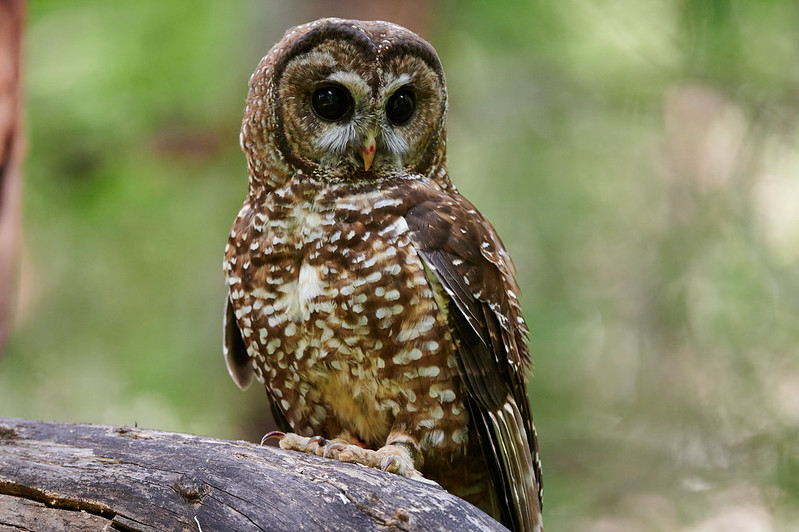
In the quiet hush of twilight, when the world slows its frenetic pace, a shadow glides through the ancient forests. The Northern Spotted Owl, a creature of mythic elegance and ecological significance, watches from the canopy with eyes like molten gold. For those who find solace in the whisper of wings and the mystery of the wild, spotted owl watching is more than a pastime—it is an act of devotion, a silent vow to protect the vanishing sanctuaries of biodiversity. But beyond the thrill of the sighting lies a deeper calling: your hobby can become a lifeline for science, a bridge between wonder and conservation. This is how the simple joy of observing these enigmatic birds can ripple outward, shaping policies, guiding research, and safeguarding ecosystems for generations to come.
The Spotted Owl in Film: Iconic Appearances on Screen

The spotted owl, with its distinctive speckled plumage and enigmatic gaze, has long captivated the imagination of filmmakers and audiences alike. This elusive bird, shrouded in mystery and steeped in symbolism, recurrently emerges in cinematic landscapes as more than just a creature of the wild. Its appearances often evoke a profound sense of wonder, a tender connection to nature, and an exploration of themes far deeper than its physical presence. What is it about the spotted owl that beckons storytellers to embed it within the narrative fabric of film? Beyond its aesthetic allure lies a complex interplay of cultural significance, environmental consciousness, and an archetypal resonance that continues to fascinate both creators and viewers alike.