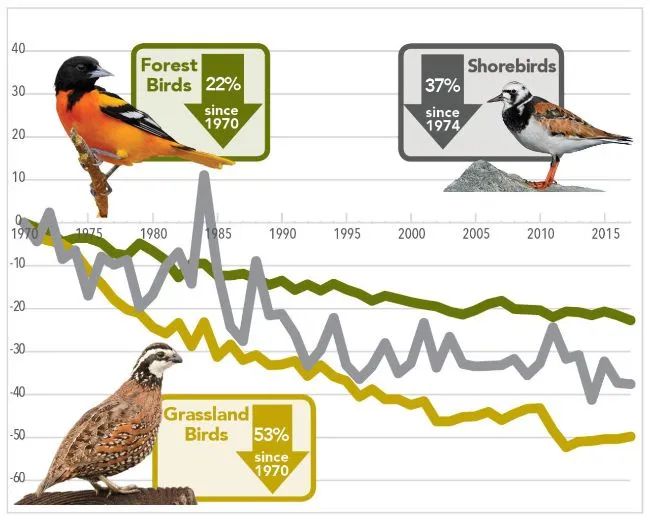
In the vast theater of the natural world, owls stand as enigmatic sentinels cloaked in mystery and silence. Their presence in grassland ecosystems is a testament to nature’s intricate design—a design now facing profound disruption. Grasslands, often overshadowed by more charismatic forests or wetlands, form an essential tapestry supporting an array of wildlife, including these nocturnal raptors. Yet, like whispered legends in a fading manuscript, the status of owls in these open plains reveals a sobering narrative marked by decline and uncertainty. This exploration delves into the precarious existence of grassland owls, unraveling the layers of habitat degradation, ecological importance, and the urgent need for stewardship.
 Amanda Graves
The Role of Technology in Spotted Owl Conservation
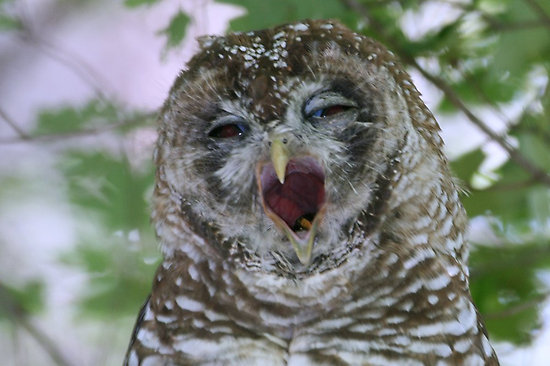
Can the humble spotted owl, cloaked in twilight and mystery, find salvation in the cold, calculated embrace of technology? At first glance, the idea seems almost paradoxical. How can silicon circuits and digital sensors possibly intertwine with the delicate rhythms of an ancient forest dweller whose very existence hinges on secrecy and solitude? Yet, this very conundrum propels conservationists into a realm where innovation dances with ecology, crafting solutions to challenges that once seemed insurmountable.
The Impact of Extreme Weather on Owl Survival Rates
The night descends like a velvet shroud, and somewhere in the tangled embrace of an ancient forest, a barn owl tilts its heart-shaped face toward the storm. Thunder growls in the distance, a basso profundo that rattles the hollow bones of the trees. Rain lashes the canopy, turning leaves into drumheads, each drop a tiny hammer striking the fragile rhythm of survival. What happens when the sky turns from provider to predator? How does a creature built for silent flight—whose very existence is a whisper in the dark—cope when the elements conspire against it?
The Snowy Owl in Literature: Symbolism and Representation

The snowy owl, with its ghostly white plumage and piercing yellow eyes, has long captivated the human imagination. Its austere beauty and enigmatic presence evoke a blend of awe, intrigue, and reverence that transcends simple appreciation for a creature of the wild. This fascination finds vivid expression in literature, where the snowy owl often emerges as a symbol rich with layered meanings. The common observation of this majestic bird’s serene yet powerful demeanor invites deeper contemplation on why it holds such a magnetic allure. Beyond its natural splendor, the snowy owl in literary contexts reflects profound themes of mystery, wisdom, and transformation, bridging the earthly and the ethereal in ways that resonate universally.
The Politics of Owl Conservation: How Governments Shape Protection Efforts

The night descends like a velvet shroud, and with it emerges a creature of paradox—neither wholly bird nor myth, but a silent sentinel of the twilight. The owl, with its golden gaze and feathered cloak, has long been cloaked in symbolism: wisdom in ancient Greece, omen in medieval Europe, and now, a fragile emblem of ecological fragility. Conservation efforts for these enigmatic birds are not merely scientific endeavors; they are political battlegrounds where ideology, economics, and ecology collide. Governments, wielding the blunt instruments of policy and regulation, shape the fate of owls in ways both profound and perplexing. To understand this dance of power and preservation, we must peer into the labyrinthine corridors of policymaking, where every clause and compromise echoes through the hollows of the natural world.
The Impact of Thermal Imaging on Studying Nocturnal Owl Behavior
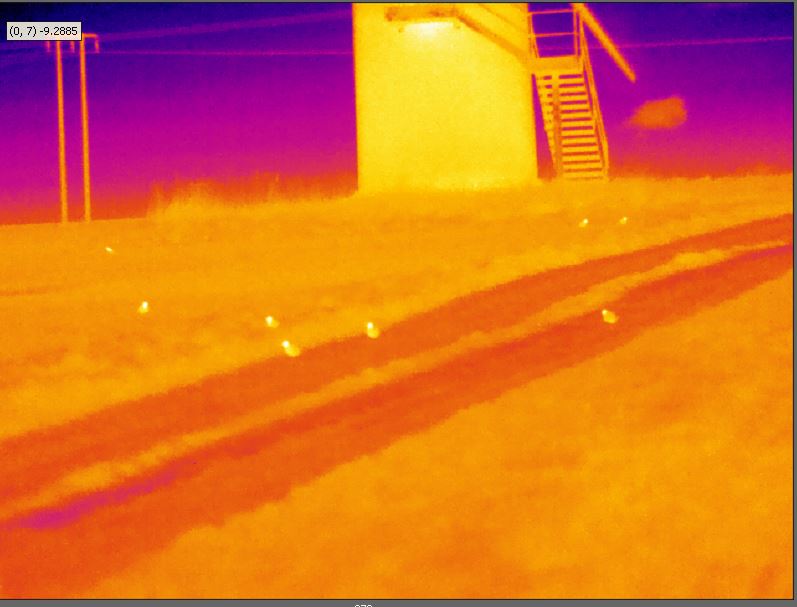
In the hushed cloak of night, where shadows stretch and secrets linger, the world of owls unfolds—a realm of silent wings and piercing gaze. For centuries, these nocturnal sentinels have evaded human understanding, their behaviors shrouded in mystery. But with the advent of thermal imaging, a revolutionary tool has pierced the darkness, revealing the hidden choreography of owl life. No longer confined to the whispers of folklore or the fleeting glimpses of field researchers, these enigmatic birds now stand illuminated under the gaze of science. The impact of thermal imaging on studying nocturnal owl behavior is nothing short of transformative, offering a window into their nocturnal symphony that was once deemed impossible to access.
Climate Data and Snowy Owls: Correlating Temperature Rises with Population Shifts
The Arctic’s sentinels, the snowy owls, are not merely creatures of the frozen tundra—they are living barometers of a planet in flux. Their stark white plumage against the endless snow has long captivated poets and scientists alike, but beneath that hypnotic beauty lies a story of survival, adaptation, and the unrelenting march of climate change. As temperatures rise and ecosystems tremble, these owls are being forced to rewrite the rules of their existence. The correlation between shifting climates and the dwindling or migrating populations of snowy owls is not just a footnote in ecological research—it is a clarion call, a warning etched into the very fabric of the natural world. To understand their plight is to peer into the future of biodiversity itself.
The Impact of the Northwest Forest Plan on Spotted Owl Conservation
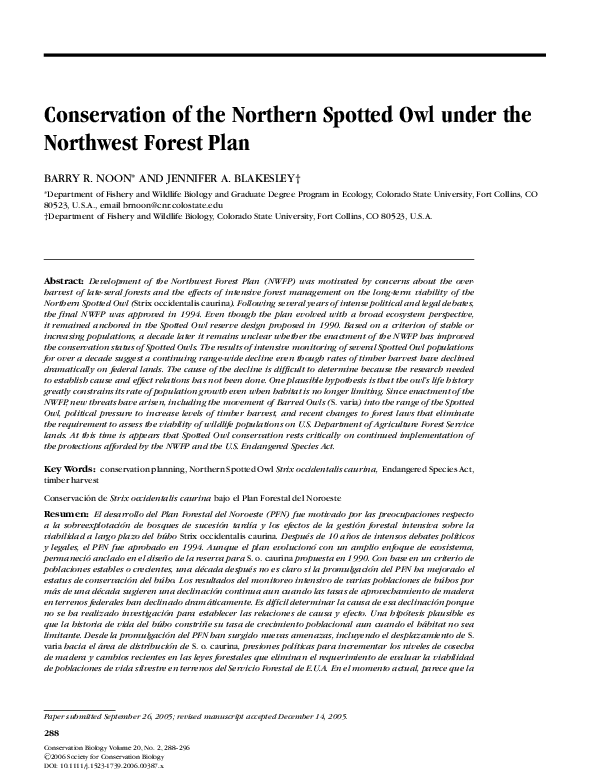
The Northern Spotted Owl, a creature of ancient forests and whispered secrets, has become an emblem of conservation battles waged in the shadowed cathedrals of the Pacific Northwest. Its haunting call echoes through centuries-old Douglas firs and redwood groves, a melody that once harmonized with the unbroken expanse of old-growth wilderness. But this symphony is now fractured, its notes disrupted by the relentless march of industry and policy. The Northwest Forest Plan, a sprawling tapestry of regulations born in the 1990s, was meant to stitch together the frayed edges of this ecological tapestry. Yet, like a quilt stitched with uneven threads, its impact on the Spotted Owl remains a subject of fierce debate—a dance between preservation and pragmatism, where the owl’s survival hangs in the balance.
How Lobbying Affects Owl Protection Policies
Imagine a world where the silent wings of owls glide through the night, unseen but ever-watchful—guardians of the dark. Now, picture a hidden battleground where policy decisions are shaped not just by science or public good, but by the quiet whispers of lobbyists in the corridors of power. This is the paradox of owl protection policies: a delicate dance between conservation and influence, where the fate of these nocturnal sentinels often hangs in the balance. How does lobbying, that shadowy art of persuasion, tilt the scales in favor of—or against—our feathered protectors? The answer isn’t just academic; it’s a story of power, persuasion, and the perilous fragility of nature’s balance.
The Role of Riparian Zones in Supporting Spotted Owl Populations
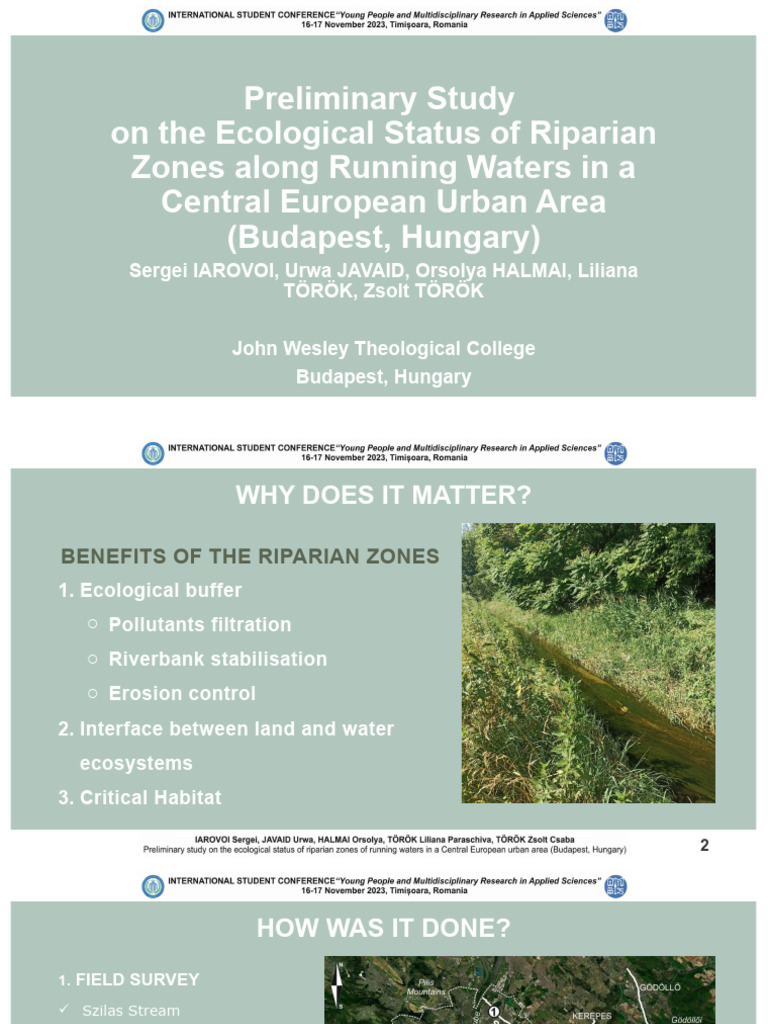
The spotted owl, a creature of dusk and dawn, glides silently through the ancient forests of the Pacific Northwest, its existence woven into the very fabric of riparian zones. These narrow strips of life, where land meets water, are not mere corridors but vital arteries pulsating with biodiversity. Yet, their role in sustaining the spotted owl remains one of nature’s most understated symphonies—a harmony of ecology, resilience, and survival that demands our attention.