The twilight descends upon a world where silent wings cut through the damp air, where the rustle of reeds whispers secrets older than memory itself. Owls, those enigmatic sentinels of the night, have long been woven into the fabric of human imagination—mystical, wise, and ever-watchful. Yet, beneath their hypnotic gaze lies a crisis unfolding in the wetlands, those vital yet vanishing ecosystems that cradle life in their waterlogged embrace. The loss of these habitats is not merely an ecological tragedy; it is a slow unraveling of the threads that bind owls to their ancient rhythms, threatening to silence their nocturnal songs forever.
The Silent Vanishing: Wetlands on the Brink
Wetlands are the Earth’s kidneys, filtering impurities, storing carbon, and regulating floods with a quiet efficiency that belies their fragility. Yet, these biodiverse crucibles are disappearing at an alarming rate—drained for agriculture, paved for urban sprawl, or choked by pollution. Satellite imagery reveals the scars of this loss: vast stretches of once-teeming marshes reduced to skeletal remains of their former selves, their hydrology disrupted, their soils compacted into submission. The consequences ripple outward, disrupting the delicate balance that sustains not just owls, but countless species that depend on these waterlogged realms.
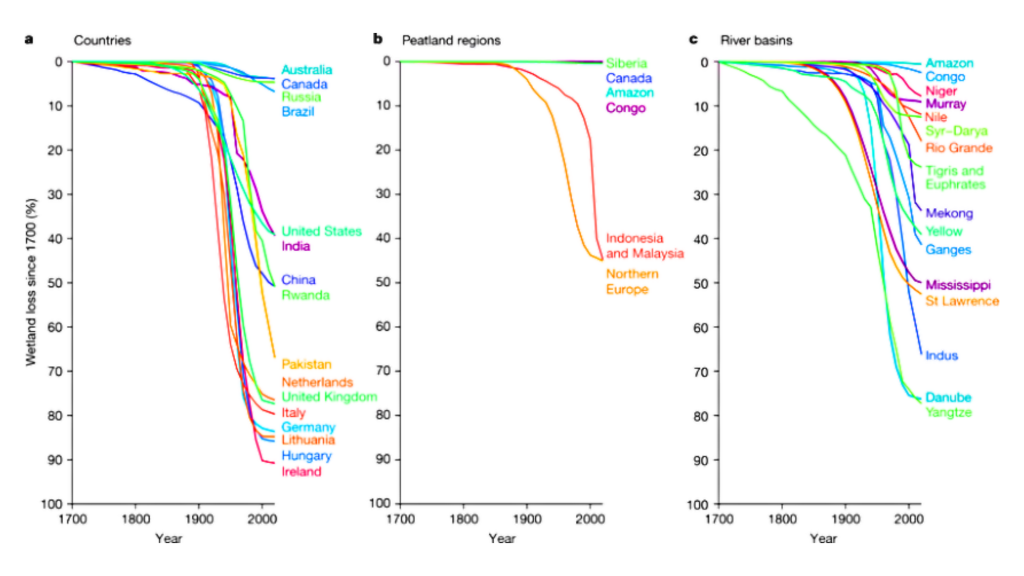
Consider the sheer scale of this attrition. Over half of the world’s wetlands have vanished since 1900, with some regions losing upwards of 90% of their original extent. The Mississippi River Delta, the Pantanal, and the Sundarbans—each a jewel in the wetland crown—now face existential threats from damming, deforestation, and climate change. For owls, these losses are catastrophic. Their hunting grounds dissolve into dust, their nesting sites collapse into oblivion, and their prey—rodents, insects, and amphibians—fade into scarcity. The night, once a symphony of life, grows quieter with each passing year.
Owls: The Nocturnal Architects of Wetland Ecosystems
Owls are not mere inhabitants of wetlands; they are keystone species, their presence shaping the very structure of these ecosystems. Take the barn owl, a ghostly specter of open marshes, whose silent flight and keen hearing make it an unparalleled predator of rodents. Its hunting prowess regulates prey populations, preventing overgrazing and maintaining the health of wetland vegetation. Similarly, the snowy owl, a denizen of Arctic peatlands, controls lemming numbers, preventing these small mammals from decimating the fragile tundra flora. Remove the owl, and the wetland unravels—vegetation overruns, soils erode, and the intricate web of life frays at the edges.
But owls are more than ecological engineers; they are cultural touchstones, their haunting calls echoing through folklore and art across civilizations. The Maori revere the morepork (ruru) as a guardian spirit, while European traditions cast the barn owl as an omen of both wisdom and doom. This duality—simultaneously revered and feared—hints at a deeper fascination. Owls embody the unknown, the unseen forces that govern the night. Their dependence on wetlands only deepens this mystique, for these birds are inextricably linked to the ebb and flow of water, to the cycles of life and death that play out in the shadows.
The Domino Effect: How Wetland Loss Cascades Through Ecosystems
The disappearance of wetlands doesn’t just affect owls; it triggers a cascade of ecological collapse. Without the sponge-like capacity of marshes, floodwaters surge unchecked, drowning downstream communities. The loss of peatlands, a type of wetland, releases vast stores of carbon, accelerating climate change. And as water tables plummet, invasive species—often more adaptable than native flora and fauna—muscle their way in, further destabilizing the ecosystem. The result is a world where the night grows darker, not just in the absence of light, but in the absence of sound.
For owls, the consequences are immediate and brutal. The great horned owl, a formidable predator, requires vast territories to sustain itself. As wetlands shrink, these territories fragment, forcing owls into smaller, less productive hunting grounds. Competition intensifies, and starvation becomes a looming specter. Even generalist species, like the eastern screech-owl, struggle as their prey—crayfish, frogs, and insects—disappear from degraded habitats. The once-familiar hoots and trills of owl courtship grow rarer, their voices drowned out by the cacophony of human industry.
Human Hands in the Soil: The Root of the Crisis
The destruction of wetlands is, at its core, a human-made tragedy. Agricultural expansion, particularly for rice and palm oil, has swallowed vast tracts of these ecosystems. Urbanization, with its relentless march of concrete and steel, has paved over floodplains and marshes alike. Even well-intentioned conservation efforts often fall short, as protected areas are fragmented by roads and development, leaving islands of habitat too small to sustain viable owl populations. The irony is stark: in our quest to tame nature, we have unleashed forces that threaten to erase the very creatures we once mythologized.
Climate change exacerbates these wounds. Rising temperatures dry out wetlands, while erratic rainfall patterns disrupt the seasonal rhythms that owls and their prey rely upon. Droughts turn marshes into dust bowls, and floods scour away the last remnants of these critical habitats. The snowy owl, already a species of concern, now faces a double threat: shrinking Arctic wetlands and a melting tundra that offers no respite. The once-endless horizons of its domain are shrinking, leaving it with nowhere to go.
Voices in the Dark: The Cultural and Spiritual Loss
Beyond the ecological, the loss of wetlands and their owl guardians carries a cultural cost. Indigenous communities, from the Cree of North America to the Aboriginal Australians, have long viewed wetlands as sacred spaces, where the veil between the physical and spiritual worlds grows thin. Owls, as messengers between these realms, are revered as guides and protectors. Their decline is not just a biological loss but a spiritual one, eroding the cultural narratives that have sustained human societies for millennia.
The silence that follows the disappearance of owls is not merely the absence of sound; it is the absence of meaning. In a world where technology and urbanization have distanced us from nature, the owl’s call is a reminder of our interconnectedness. To lose them is to lose a part of ourselves—a part that remembers the night, the wild, and the mysteries that lie beyond the edge of the known.
A Call to Action: Restoring the Night’s Symphony
Yet, all is not lost. Conservation efforts, though often underfunded, offer a glimmer of hope. Wetland restoration projects, such as those in the Florida Everglades or the Danube Delta, have begun to reverse decades of decline. Artificial nest boxes provide safe havens for owls in fragmented landscapes, while community-led initiatives educate local populations on the importance of these ecosystems. The key lies in recognizing that owls are not just survivors of the night but indicators of a world in balance—and their decline is a warning we ignore at our peril.
The path forward requires more than policy changes; it demands a shift in how we perceive wetlands. No longer should they be seen as wastelands to be drained or developed, but as vital organs of the planet, pumping life into the soil and air. For owls, this means reclaiming their hunting grounds, their nesting sites, and their right to exist in the quiet corners of the world. For humanity, it means rediscovering the awe that these creatures inspire—a reminder that even in the darkest hours, there is still magic to be found.
The night is not empty. It is alive with whispers, with rustles, with the soft beat of wings. To save the owls is to save the soul of the wetlands—and perhaps, in doing so, to save a part of ourselves that we have forgotten how to listen for.