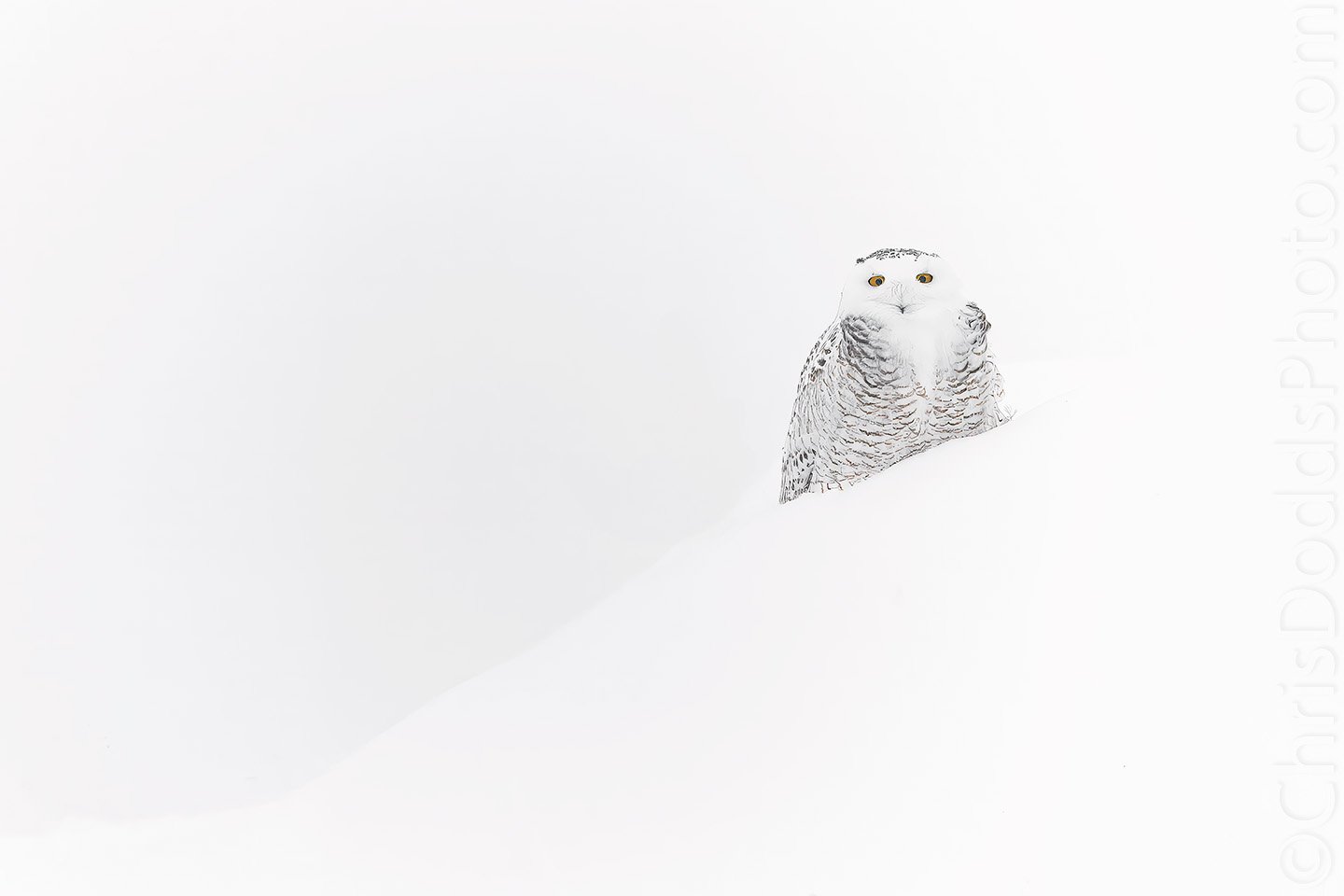
Capturing the ethereal beauty of a snowy owl in its natural habitat is a pursuit that melds patience with technical mastery. These majestic creatures, cloaked in their ghostly plumage, often inhabit cold, shadowed environments where light is scarce and shifting. For photographers enthralled by the challenge of immortalizing such elusive subjects, the interplay between camera technology and low-light performance becomes paramount. Snowy owl photography demands equipment capable of transcending mere image capture—it requires finesse, resilience, and uncompromising clarity when photons are sparse. In this exploration, we delve into the best cameras poised to elevate your snowy owl imagery through exceptional low-light capabilities.
Why Low-Light Performance is Crucial for Snowy Owl Photography
The snowy owl’s Arctic and sub-Arctic domains often present photographers with challenging lighting conditions. Early dawn, twilight, and overcast skies frequently dictate the photographer’s environment, rendering natural sunlight insufficient for crisp images. Moreover, these owls are predominantly crepuscular or nocturnal, increasing the necessity for cameras that perform superbly as the available light dwindles. A camera’s low-light aptitude is defined by several factors: sensor sensitivity measured by ISO range, noise control at high ISOs, lens compatibility with wide apertures, and autofocus precision in dim surroundings. These features collaboratively determine whether an image bursts with life or drowns in grain and blur. Without stellar low-light performance, snowy owls can become mere silhouettes instead of detailed portraits.
Full-Frame Sensors: The Pinnacle of Sensitivity and Detail
When seeking cameras with commanding low-light prowess, full-frame sensors reign supreme. Their larger surface area captures more light, granting enhanced dynamic range and reduced noise levels at elevated ISO settings. This sensitivity ushered in by full-frame technology means photographers can push their exposure parameters to levels unthinkable on smaller sensors without compromising image fidelity. For snowy owl photography, this translates to capturing intricate feather textures and piercing yellow eyes, even under dim skies. Cameras such as the Canon EOS R5 and the Nikon Z7 II exemplify this technology with their robust sensors and in-body image stabilization, which aids in steadiness during slower shutter speeds. The ability to maintain fine detail and vibrant color rendition amidst challenging light conditions is instrumental in rendering the snowy owl’s ethereal plumage accurately.
Mirrorless Systems: Compact Powerhouses with Silent Precision
Mirrorless cameras have transformed nature photography by marrying compact design with cutting-edge technological advancements. Their electronic viewfinders provide a real-time exposure preview, which is invaluable when working in unpredictable lighting. For snowy owl photography, this means instantaneous feedback on how adjustments affect the shot, facilitating quicker adaptation to environmental nuances. Models like the Sony A7S III have become legendary for their exceptional low-light performance, boasting impressive ISO expansiveness and minimal noise. Additionally, mirrorless autofocus systems excel in tracking moving subjects discreetly—a critical attribute since snowy owls can be skittish and quick to vanish. Silent shutter modes further ensure that the photographer’s presence remains undetectable, preserving the owl’s natural behavior without disturbance.
High ISO Performance: Balancing Sensitivity and Noise Reduction
ISO sensitivity determines a sensor’s ability to amplify light, allowing shutter speeds to remain fast despite dim settings. Yet, higher ISO settings historically introduced unsightly noise, corrupting image quality. Modern cameras, however, have achieved a remarkable equilibrium, balancing amplified sensitivity with sophisticated noise reduction algorithms. This breakthrough empowers photographers to shoot at ISO values exceeding 12,800 while retaining crucial clarity. This capacity is particularly beneficial during dawn or dusk excursions when natural light plummets swiftly. Cameras renowned for such prowess include the Nikon D6 and the Canon EOS-1D X Mark III, both tailored to professional applications demanding excellence in low luminosity. The delicate interplay between sensitivity and noise reduction facilitates capturing transient moments—like a snowy owl’s silent wingbeat through frosty air—with impeccable sharpness.
Lens Compatibility: Maximizing Light Collection
A camera’s sensor is only part of the equation; the lens is equally vital in optimizing low-light photography. Lenses with wide apertures (f/2.8 and larger) allow an abundant influx of light, reducing reliance on high ISO or slow shutter speeds that may induce motion blur. Telephoto lenses, often indispensable for wildlife photography, must balance focal length with brightness and sharpness. When photographing snowy owls at a distance, a 300mm or 400mm f/2.8 lens offers the advantage of detailed close-ups without disturbing the subject. Additionally, lenses featuring image stabilization complement camera bodies, countering hand shake and permitting longer exposures. Modern autofocus motors embedded within these lenses boast silent and swift focusing essential for snapping sudden owl movements in shadowed woodlands or snowy landscapes.
Durability and Weather-Sealing: Withstanding Arctic Conditions
Snowy owl habitats frequently expose photographers to extreme conditions—biting cold, wind, snow, and moisture. Cameras designed for such environments must offer robust weather-sealing and thermal resistance to function reliably outdoors. Bodies constructed with magnesium alloy and featuring sealed buttons reduce the risk of equipment failure during winter expeditions. Batteries also demand scrutiny, as cold temperatures drain power rapidly; some models accommodate dual battery systems or offer cold-resistant battery grips. Protecting delicate low-light sensors under these conditions ensures that photographic opportunities aren’t lost due to technical malfunctions. Brands like Fujifilm and Olympus have introduced rugged mirrorless systems that marry performance with durability, allowing photographers to brave remote locations with confidence.
Complementary Techniques for Enhancing Low-Light Snowy Owl Shots
Even the most sophisticated camera setups benefit from learned photographic techniques tailored to low-light scenarios. Utilizing tripods stabilizes the camera during extended exposures, mitigating blur from camera shake. Employing remote shutters or intervalometers further refines shutter release control, obviating direct contact with the camera. Photographers often harness the interplay of exposure bracketing and post-processing to create HDR images that reveal hidden details within shadows and highlights. Additionally, understanding ambient light reflection—such as snow’s brilliance reflecting scarce daylight—can influence positioning and timing. Harnessing these combined strategies enhances the potential of cutting-edge cameras, transforming difficult environments into canvases for vivid snowy owl storytelling.
Conclusion: Choosing Cameras that Illuminate the Nocturnal Majesty
Snowy owl photography at low light demands more than equipment—it seeks a symbiotic relationship between artist, technology, and environment. Selecting cameras with superior low-light capabilities transforms the daunting into the feasible, allowing the subtle beauty of these frozen tundra denizens to shine through every pixel. Full-frame sensors, mirrorless innovation, high ISO performance, and lens versatility coalesce into powerful tools that unveil snowy owls in all their ghostly grandeur. Paired with durable construction and refined techniques, these cameras do more than capture images—they narrate an intimate story of survival, silence, and snowy splendor under the dimmest of skies.