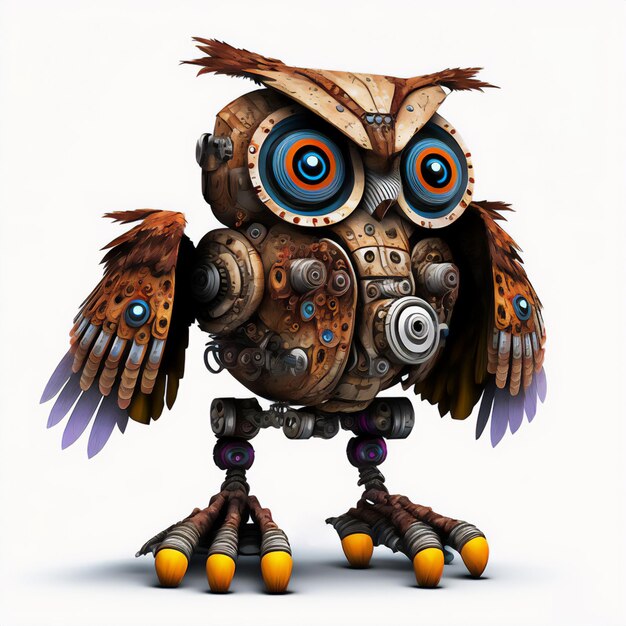
In the quiet, moonlit forests where the ancient call of the owl once echoed unchallenged, a new symphony is beginning to take shape. Robotics, those marvels of modern ingenuity, are stepping beyond the confines of factories and laboratories to lend a mechanical wing to the rehabilitation of these enigmatic birds. No longer confined to the realm of science fiction, robotic assistance is becoming a cornerstone in the recovery and reintroduction of owls injured by human encroachment, vehicular collisions, or the silent, creeping threats of habitat degradation. This transformation is not merely about restoring flight—it’s about restoring dignity, autonomy, and the very essence of what it means to be wild. From precision-engineered prosthetics to AI-driven behavioral training, robotics are rewriting the rehabilitation playbook for owls, offering hope where once there was only despair.
Conservation Efforts & Policies
The Owl in Jewelry: Symbolic Pieces and Their Stories

Have you ever paused to wonder why the owl, with its enigmatic gaze and silent flight, has pervaded the world of jewelry for centuries? What is it about this nocturnal creature that captivates our imagination, compelling artisans and enthusiasts alike to immortalize it in precious metals and stones? The challenge lies in unraveling the layers of symbolism and cultural tapestry woven into owl-themed adornments. Delve into this exploration, and you may find that an owl isn’t merely a decorative motif—but a talisman, a story, and a profound emblem of wisdom and transformation.
What If Owls Could Talk? The Messages They Might Share
Owls have long captivated human imagination, their silent wings and enigmatic eyes stirring a mix of awe and curiosity. From ancient mythologies to modern folklore, these nocturnal creatures have been woven into stories as symbols of wisdom, mystery, and even the supernatural. Yet, a common observation persists: although owls voice a hauntingly beautiful array of calls, they remain elusive and inscrutable, leaving us to wonder what secrets hide behind those unblinking eyes. But what if owls could talk? What messages would they share, and how might their revelations deepen our fascination, pulling back the curtain on their shadowed world?
How to Support Owl Conservation Organizations
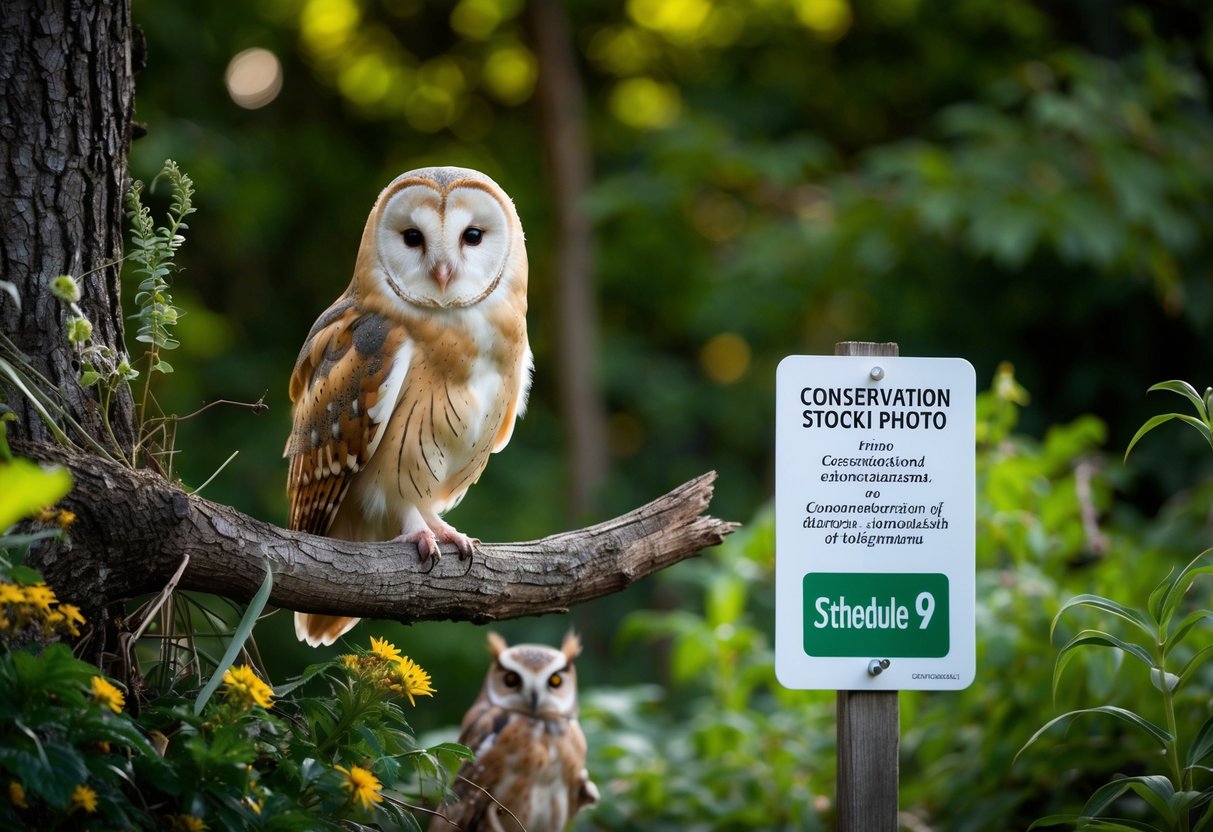
Have you ever paused mid-sip of your morning coffee to wonder why the barn owl, that ghostly specter of the night, isn’t just another feathered face in the avian crowd? Instead, it’s enshrined in legal protections across continents, a silent sentinel of biodiversity. But here’s the twist: while laws shield these nocturnal acrobats, their habitats are vanishing faster than a startled mouse in moonlight. So, how do we turn good intentions into tangible support for owl conservation? Let’s dive into the shadows of action, where every effort casts a ripple of hope.
The Role of Corporate Partnerships in Owl Conservation
The night descends like a velvet curtain, and in the hush of the wilderness, a silent sentinel takes flight. The owl, with its golden gaze and feathered cloak, is more than a mere bird—it is a living emblem of wisdom, mystery, and ecological balance. Yet, this nocturnal guardian faces mounting threats: habitat fragmentation, pesticide poisoning, and the relentless encroachment of human development. In this delicate dance between conservation and progress, corporate partnerships emerge not as mere financial backers, but as architects of hope, weaving threads of sustainability into the very fabric of owl conservation. Their role transcends dollars and cents; it is a symphony of collaboration where business acumen meets ecological stewardship, creating a harmonious crescendo for nature’s most enigmatic raptors.
The Owl in Fashion: How This Bird Has Inspired Designers
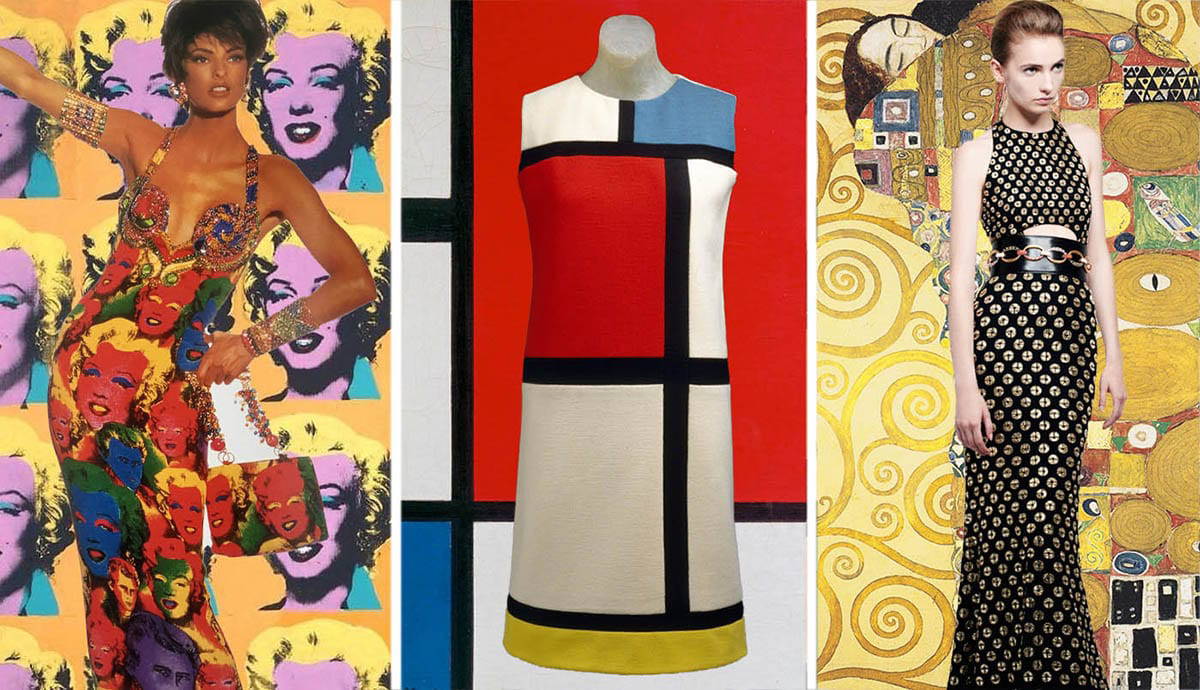
The owl, a creature cloaked in mystery and ancient symbolism, has long captivated the human imagination. Beyond its role as a harbinger of wisdom and a nocturnal enigma, this majestic bird has permeated the realm of fashion with a quiet yet powerful influence. The allure of the owl lies not only in its striking appearance—its wide, hypnotic eyes, feathered contours, and silent flight—but in the rich tapestry of meanings it carries across cultures and epochs. This enigmatic bird has served as muse and motif alike, inspiring designers to weave its essence into their creations. From haute couture runways to streetwear, the owl’s presence evokes a blend of sophistication, mysticism, and natural beauty, inviting fashion enthusiasts to explore themes of knowledge, transformation, and allure. This article delves into the multifaceted ways the owl has shaped fashion, revealing the diverse content that readers can expect when exploring this captivating subject.
Owl Conservation in North America: Challenges and Successes
Owls have long captivated the human imagination, their haunting calls weaving through the nocturnal tapestry of North American forests, fields, and deserts. These enigmatic raptors embody both mystery and mastery of the night, yet beneath their silent wings lies a tale marked by fragility and resilience. Owl conservation in North America promises not only a shift in how we perceive these elusive creatures but also beckons us toward a deeper understanding of ecosystem interdependence. This article delves into the formidable challenges they face, the remarkable successes achieved, and the evolving narrative of owl conservation that continues to inspire and ignite curiosity.
Case Study: The Recovery of the Northern Spotted Owl in Oregon
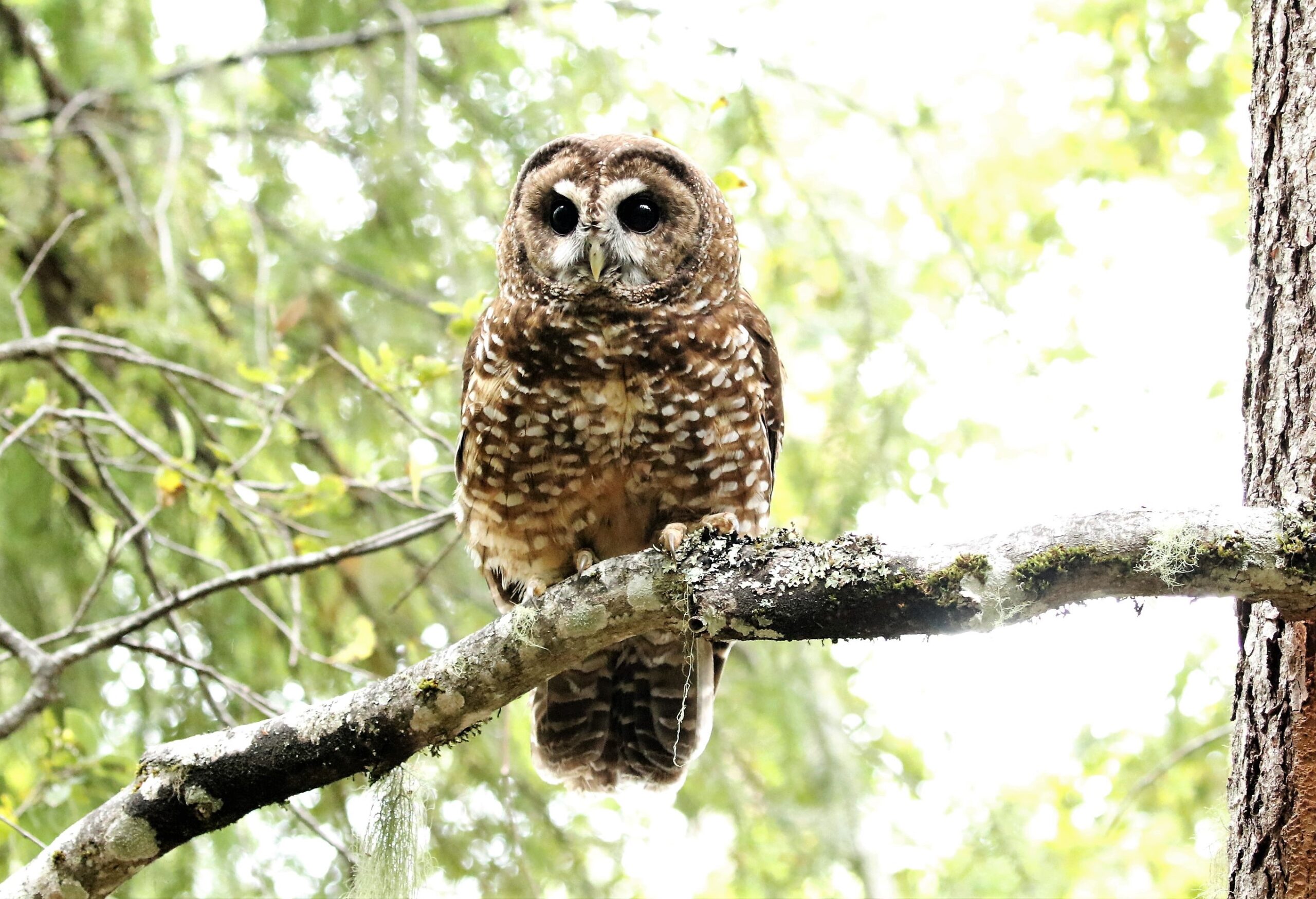
The Northern Spotted Owl, a denizen of the ancient forests of the Pacific Northwest, has long been a symbol of ecological fragility and conservation triumph. But what if this iconic bird, once teetering on the brink of extinction, could tell us a story of resilience? What if its recovery could teach us lessons about coexistence, adaptation, and the delicate balance between human progress and wilderness preservation? The tale of the Northern Spotted Owl in Oregon is not just a wildlife success story—it’s a testament to the power of dedicated conservation, the complexities of ecological management, and the enduring hope that nature can heal when given a chance.
How Climate Change Will Shape Owl Habitats in the Next 50 Years
What if the silent wings of the night, once a symbol of timeless wisdom, now fluttered over landscapes that no longer recognize their ancient rhythms? As the Earth’s thermostat ticks upward, the world’s owls—those enigmatic sentinels of the twilight—face a future as unpredictable as the weather itself. Over the next five decades, climate change won’t just tweak the rules of the game; it will redraw the entire playing field, leaving these feathered philosophers to adapt, migrate, or vanish in the shadows of a rapidly shifting world. But how exactly will the rising tides of temperature, the whims of erratic weather, and the creeping advance of human encroachment reshape the domains of these nocturnal hunters? Let’s embark on a journey through the tangled thickets of ecological upheaval to uncover the fate of owl habitats in a warming world.
How Technology Will Continue to Evolve in Owl Protection
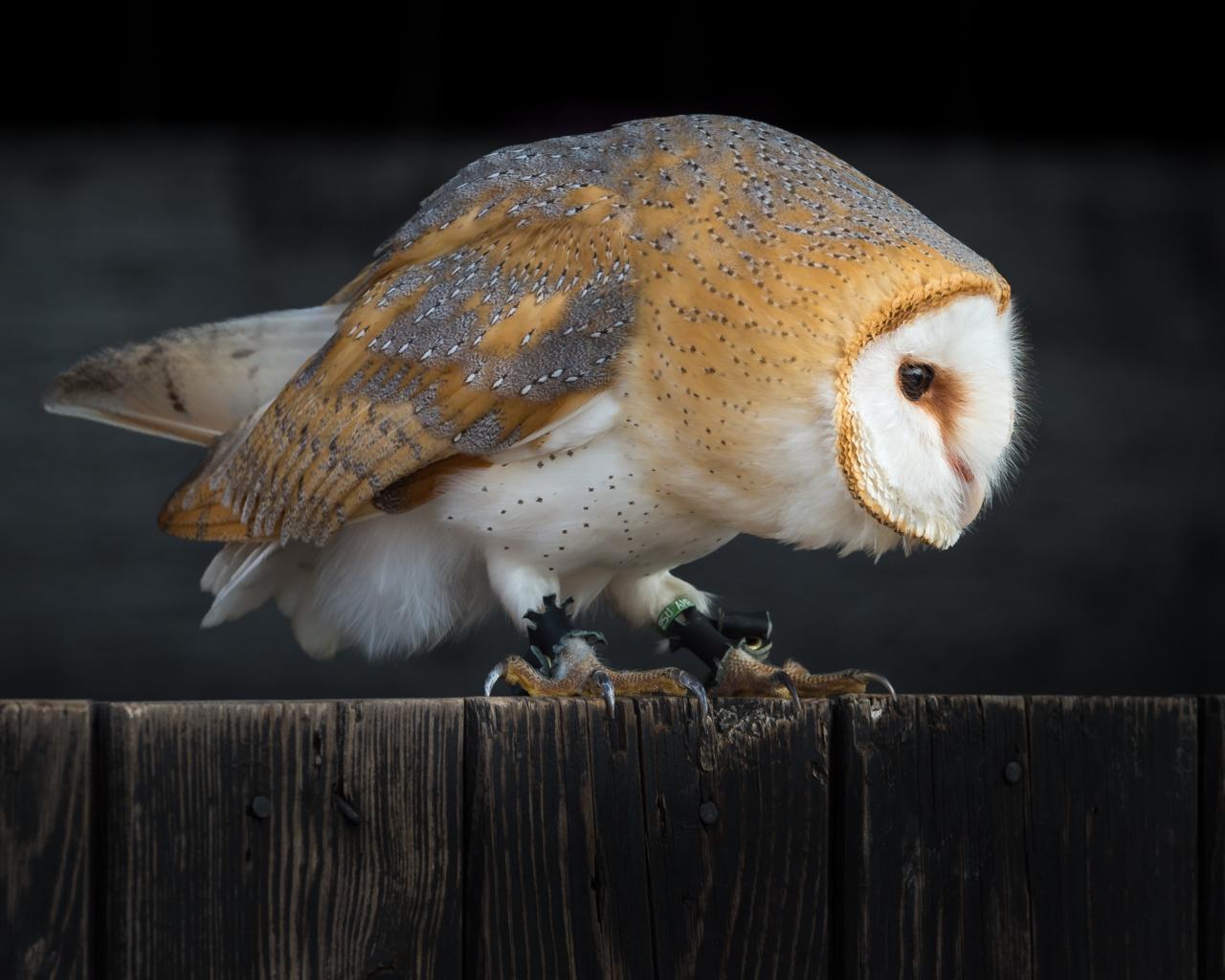
In the hushed embrace of twilight, where the world blurs into silhouettes and shadows dance upon the forest floor, a silent guardian takes flight. The owl, with its piercing gaze and feathered cloak, has long been a symbol of wisdom and mystery. Yet, beyond the folklore and fables, these nocturnal sentinels face a growing crisis—habitat loss, human encroachment, and environmental degradation threaten their existence. But hope is on the horizon, woven into the very fabric of innovation. Technology, that relentless architect of change, is stepping into the wings, poised to rewrite the story of owl conservation. From the whisper of drones in the night to the precision of AI-driven tracking, the future of owl protection is not just evolving—it’s undergoing a revolution.