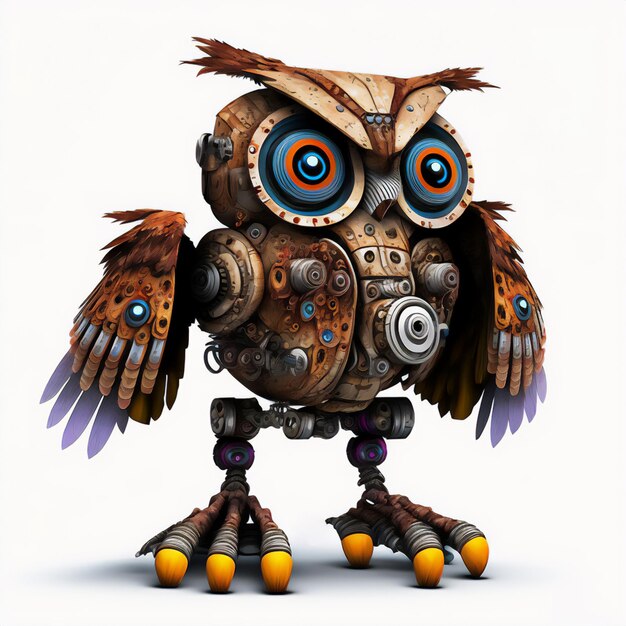
In the quiet, moonlit forests where the ancient call of the owl once echoed unchallenged, a new symphony is beginning to take shape. Robotics, those marvels of modern ingenuity, are stepping beyond the confines of factories and laboratories to lend a mechanical wing to the rehabilitation of these enigmatic birds. No longer confined to the realm of science fiction, robotic assistance is becoming a cornerstone in the recovery and reintroduction of owls injured by human encroachment, vehicular collisions, or the silent, creeping threats of habitat degradation. This transformation is not merely about restoring flight—it’s about restoring dignity, autonomy, and the very essence of what it means to be wild. From precision-engineered prosthetics to AI-driven behavioral training, robotics are rewriting the rehabilitation playbook for owls, offering hope where once there was only despair.
 Amanda Graves
The Owl in Egyptian Mythology: Associated with the Afterlife
The owl, with its nocturnal gaze and silent wings, has long been a creature of mystery and reverence. In the shadowed corridors of ancient Egyptian mythology, it transcends mere symbolism to become a guardian of thresholds, a silent witness to the unseen. Far from being a mere bird, the owl emerges as a celestial sentinel, its presence woven into the fabric of the afterlife. This is not a tale of mere superstition—it is a profound exploration of duality, wisdom, and the eternal dance between life and death. Prepare to see the owl not as a creature of the night, but as a bridge between worlds, a keeper of secrets that could redefine your understanding of existence itself.
Climate Models Predict: Where Will Snowy Owls Live in 2050?
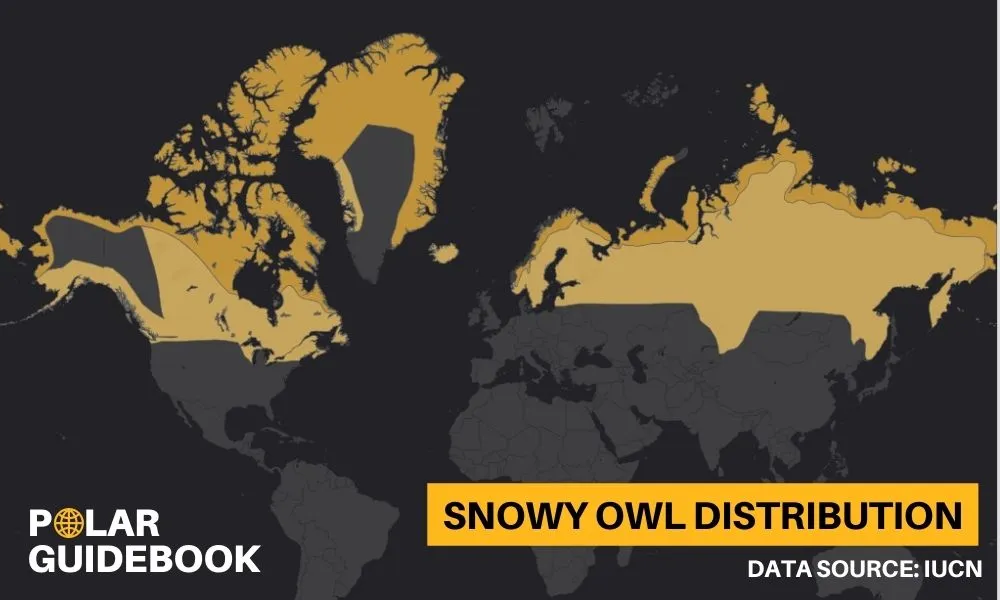
As the Arctic tundra teeters on the brink of profound transformation, the majestic snowy owl—an emblem of the frozen north—finds itself facing an uncertain future. Climate change is not just altering landscapes but is also subtly redrawing nature’s blueprint. The question that now echoes in the corridors of conservation biology and climatology is compelling: where will snowy owls inhabit come 2050? Emerging climate models promise more than mere projections; they unveil a complex narrative of survival, migration, and adaptation that invites us to rethink everything we assume about wildlife and the wild spaces they call home.
How Snowy Owls Handle Arctic Storms and Blizzards
In the unforgiving expanses of the Arctic, where relentless storms and blizzards reign with merciless fury, the Snowy Owl emerges as a beacon of resilience and adaptability. These magnificent creatures, draped in their ethereal white plumage, seem almost otherworldly as they navigate the tempestuous elements of their frozen domain. Observers often find themselves mesmerized not just by their striking appearance but by their uncanny ability to endure and even thrive amid some of the planet’s harshest weather conditions. This narrative unravels the intricate tapestry of how Snowy Owls confront Arctic storms and blizzards, revealing layers of survival strategies hidden beneath their serene exteriors.
The Role of Climate Change Petitions in Advocating for Snowy Owl Protection
The Arctic tundra, a vast and fragile expanse, is undergoing a silent transformation. Once a sanctuary for the ethereal Snowy Owl, this icy realm now faces an existential crisis. Climate change, the insidious architect of ecological upheaval, is reshaping habitats at an unprecedented pace. For these majestic birds, survival hinges on our collective action. Climate change petitions have emerged as a potent tool in the arsenal of conservationists, offering a voice to those who cannot speak for themselves—the voiceless inhabitants of our warming planet. This article delves into the multifaceted role of petitions in advocating for Snowy Owl protection, exploring their power to mobilize, educate, and drive systemic change.
How Nanotechnology Could Help in Snowy Owl Research
In the vast, frozen tundras where the elusive snowy owl reigns supreme, the mysteries surrounding its life and behavior have long captivated ornithologists and wildlife enthusiasts alike. These majestic birds, adorned in their ethereal white plumage, serve as sentinels of a fragile ecosystem, their survival intricately tied to the shifting landscapes of the Arctic. Yet, despite ongoing efforts, gaps remain in our knowledge of their intricate biology and environmental interactions. Enter nanotechnology—a cutting-edge frontier that promises to revolutionize snowy owl research by unlocking unprecedented avenues for observation, analysis, and conservation.
How to Attract Snowy Owls to Your Area: Nest Boxes and Habitats
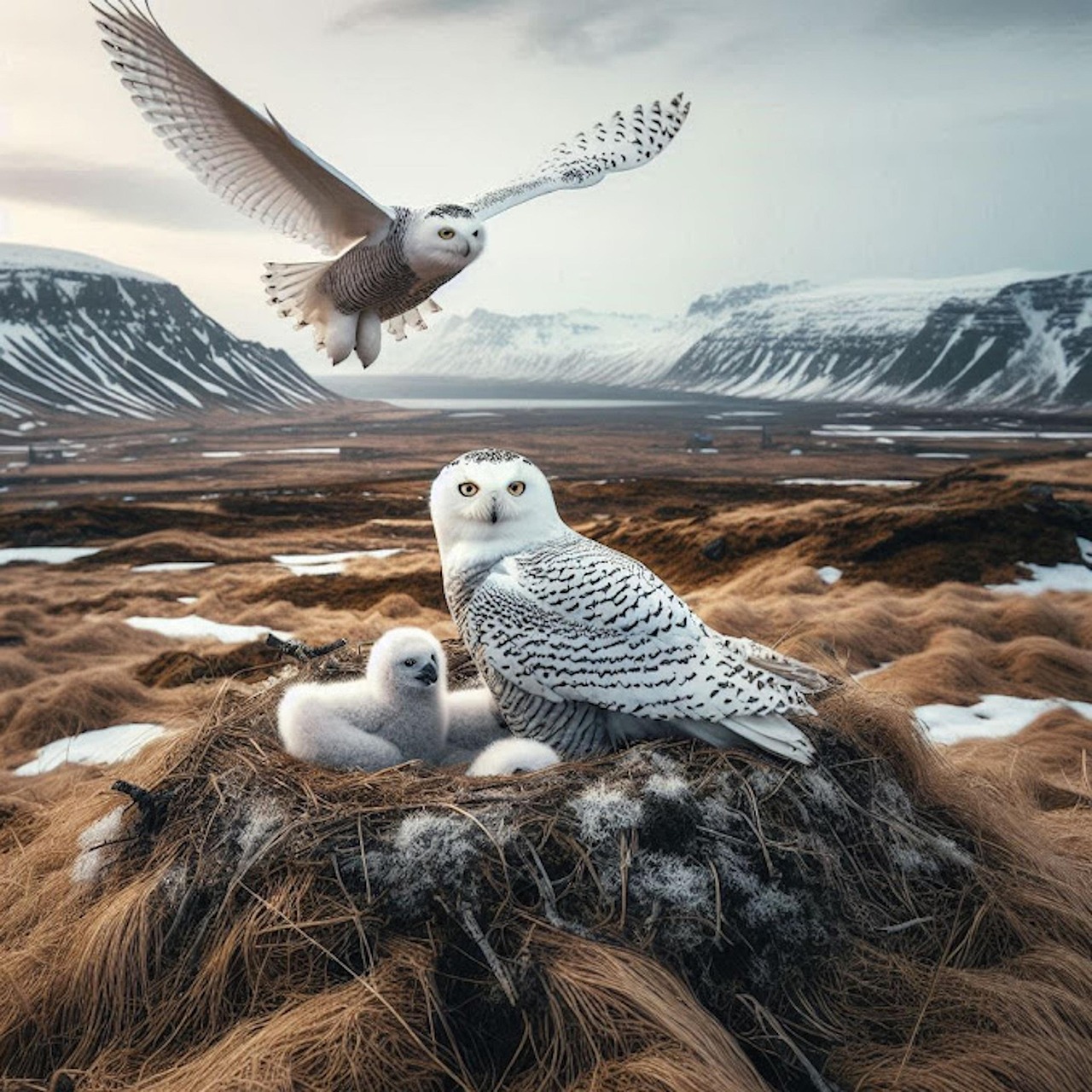
Imagine the ethereal presence of snowy owls gracing the skies above your property, their ghostly white feathers blending with the wintry horizon, a living testament to nature’s quiet grandeur. The allure of these majestic birds, with their piercing yellow eyes and silent flight, has captivated bird enthusiasts and nature lovers alike for centuries. Yet, attracting snowy owls to your area requires more than mere admiration—it demands an intimate understanding of their habitat desires and a heartfelt commitment to nurturing their sanctuary. This pursuit promises a profound shift in perspective, inviting you to become an active steward in the delicate dance between species and environment.
How Oil and Gas Drilling in the Arctic Is Threatening Snowy Owl Habitats
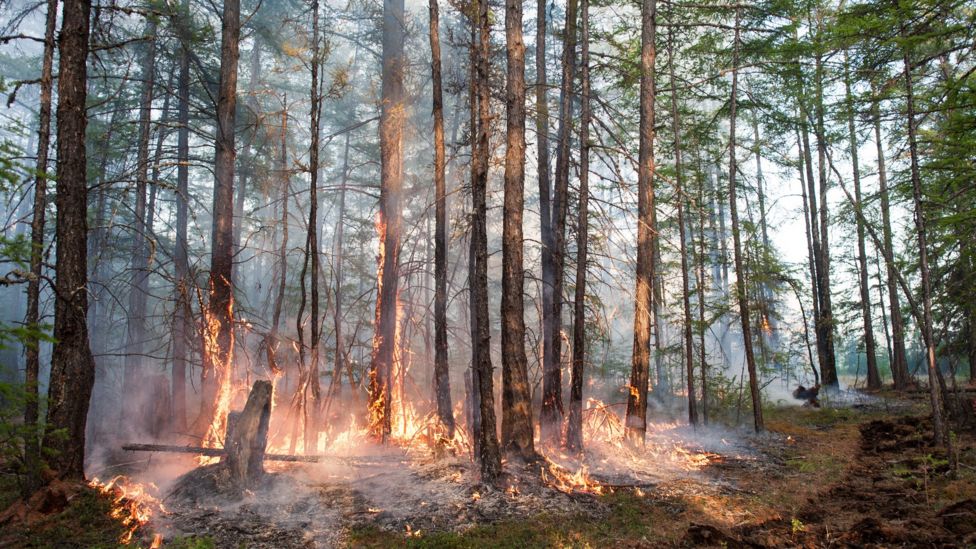
The Arctic is not just a place of ice and snow—it is a living tapestry of survival, where every creature, from the mighty polar bear to the delicate Arctic fox, has carved out a niche in one of Earth’s most unforgiving landscapes. Yet, beneath the shimmering auroras and the hushed whispers of the tundra, a silent crisis unfolds. The relentless march of oil and gas drilling is carving scars into this pristine wilderness, and among the most vulnerable casualties is the snowy owl, a creature of ethereal beauty and unyielding resilience. This is not merely a story of environmental degradation; it is a tale of displacement, of a species being pushed to the brink by humanity’s insatiable hunger for fossil fuels.
How Climate Change Is Exacerbating the Barred vs. Spotted Owl Conflict
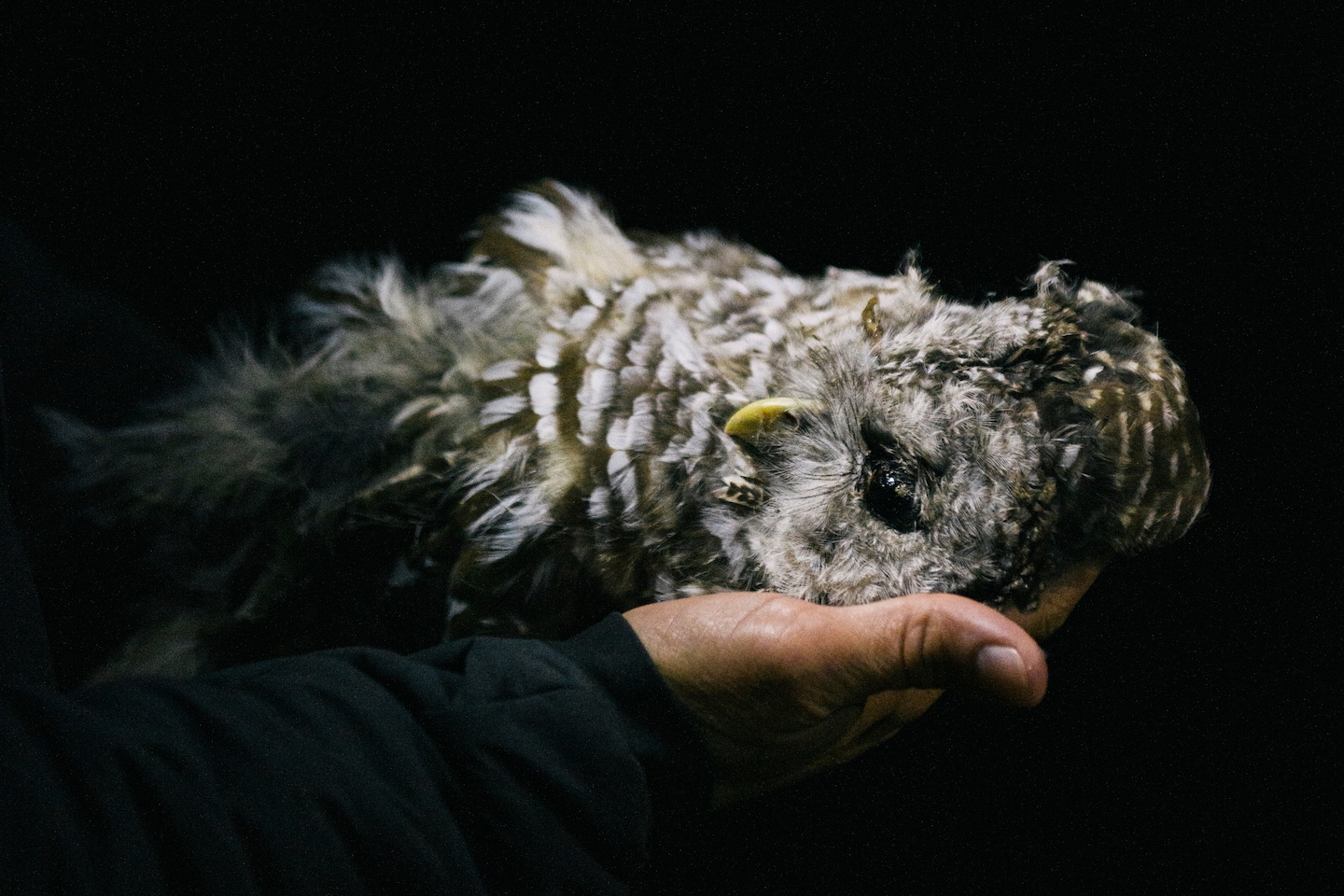
The barred owl, a native of the eastern United States, has become an unwelcome intruder in the ancient forests of the Pacific Northwest. Once a rare sight west of the Mississippi, this adaptable and aggressive species now thrives in ecosystems where the endangered spotted owl once reigned supreme. The conflict between these two owls is not merely a biological curiosity—it is a crisis exacerbated by the relentless march of climate change. As temperatures rise, habitats shift, and food sources dwindle, the competition between barred and spotted owls intensifies, threatening the survival of one of the most iconic species in North American conservation history.
Snowy Owl Conservation in the Age of Climate Change: New Strategies and Approaches
In the hushed expanse of the Arctic tundra, where the wind carves whispers into the ice and the sun dips below the horizon for months on end, a silent crisis unfolds. The snowy owl, a creature of stark beauty and unyielding resilience, faces a future more uncertain than the shifting permafrost beneath its talons. Climate change is not merely altering the landscape; it is rewriting the rules of survival for an entire species. Yet, where there is peril, there is also promise—a chance to reimagine conservation not as a desperate last stand, but as a dynamic, evolving dialogue between humanity and the natural world. This is the story of snowy owl conservation in the age of climate change: a tale of adaptation, innovation, and the unshakable belief that even the most fragile ecosystems can be shielded from the storm.