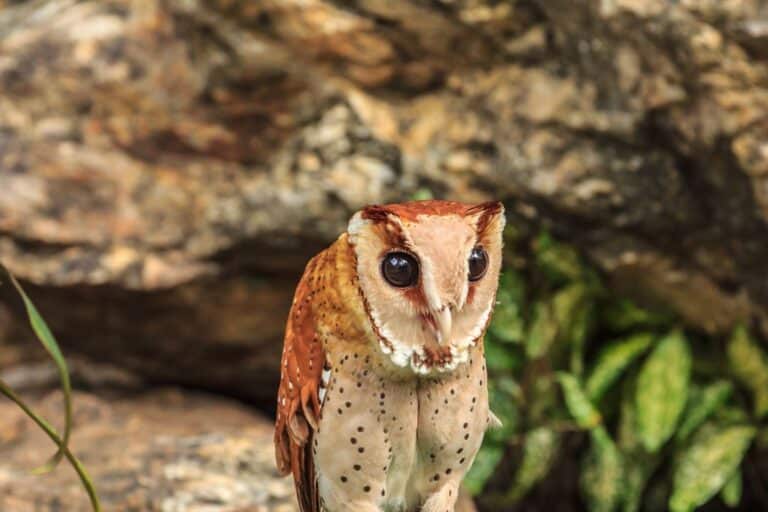
What if I told you that some of the most enigmatic creatures of the night—those feathered sentinels of the forest, the owls—are quietly slipping through an invisible genetic sieve? A sieve that doesn’t just strain out the weak, but reshapes entire lineages, leaving behind only a shadow of what once thrived. This isn’t the stuff of fantasy; it’s the stark reality of genetic bottlenecks, a silent crisis unfolding in the wings of endangered owl species worldwide. As their populations dwindle, so too does their genetic diversity—a fragile tapestry unraveling thread by thread. But why does this matter? And what happens when the last echoes of their ancestral voices fade into oblivion?
The Invisible Thread: What Is a Genetic Bottleneck?
A genetic bottleneck occurs when a population undergoes a drastic reduction in size, leaving only a handful of individuals to carry forward the genetic legacy of their species. Imagine a vast library, its shelves groaning under the weight of millions of books, each one a unique story. Now, picture a fire sweeping through, reducing the collection to a single shelf—just a fraction of the original. The surviving books, no matter how carefully preserved, can never fully capture the diversity of the original. This is the essence of a genetic bottleneck: a catastrophic pruning of genetic material, where the survivors become the sole architects of the future.
For endangered owls, these bottlenecks aren’t just theoretical—they’re happening in real time. Habitat destruction, climate change, and human encroachment have carved deep chasms in their populations. The result? A handful of owls, isolated and inbred, struggling to adapt to an ever-shifting world. Their genes, once a vibrant mosaic, now resemble a faded watercolor painting—beautiful, but lacking the depth and resilience of the original.
Why Owls? The Canaries in the Genetic Coal Mine
Owls aren’t just symbols of wisdom; they’re barometers of ecological health. Their position at the top of the food chain makes them particularly vulnerable to environmental upheaval. But here’s the twist: their very survival strategies—slow reproduction, territoriality, and specialized diets—make them sitting ducks for genetic bottlenecks. Unlike rodents or insects, which rebound quickly from population crashes, owls reproduce slowly. A pair of spotted owls might raise just one or two chicks a year. If those chicks are genetically similar, the consequences ripple across generations.
Consider the northern spotted owl, a species that once thrived in the ancient forests of the Pacific Northwest. As logging decimated its habitat, the population plummeted. Today, the remaining owls are a genetic echo of their ancestors, their once-diverse gene pool reduced to a handful of alleles. The irony? These owls, the very embodiment of adaptability in the wild, are now trapped in an evolutionary straitjacket, their fate dictated by the whims of a shrinking gene pool.
The Domino Effect: Inbreeding and the Loss of Adaptive Potential
Genetic bottlenecks don’t just shrink populations—they shrink futures. When closely related owls mate, the result is inbreeding, a genetic roulette wheel where deleterious traits become more likely to surface. Weak immune systems, reduced fertility, and increased susceptibility to disease are just a few of the cards dealt to inbred owls. But the real tragedy lies deeper: the loss of adaptive potential. A genetically diverse population can weather storms—literal and metaphorical—because somewhere in its ranks, there’s a variant that might just save the day. A cold-resistant gene, a resistance to a new pathogen, a behavioral quirk that allows survival in a changing climate.
Without that diversity, owls become prisoners of their own genomes. The snowy owl, once a wanderer of the Arctic tundra, now faces a world where its once-plentiful prey is vanishing. But if its gene pool has been stripped bare by bottlenecks, how can it evolve to meet these new challenges? The answer is simple: it can’t. Or at least, not without help. Conservationists are racing against time to introduce genetic material from other populations, but the clock is ticking, and the margins are razor-thin.
The Human Hand: How We’re Accelerating the Crisis
We like to think of ourselves as stewards of the natural world, but the truth is far more complicated. Our cities sprawl, our roads bisect forests, and our climate-warming emissions alter ecosystems at a pace that leaves even the hardiest species gasping. For owls, the human footprint is a multi-pronged assault. Deforestation fragments their habitats, leaving isolated pockets of wilderness where owls once roamed freely. Climate change shifts the ranges of their prey, leaving them stranded in landscapes that no longer suit their needs. And then there’s the silent killer: light pollution. Artificial lights disrupt their nocturnal rhythms, disorienting them during migration and reducing their hunting efficiency.
But perhaps the most insidious contribution is our role in amplifying genetic bottlenecks. By fragmenting habitats, we don’t just reduce owl populations—we create genetic islands, where owls in one forest are cut off from those in another. Without the occasional influx of new genes, these islands become evolutionary dead zones. It’s as if we’ve taken a once-vibrant river and dammed it, leaving only stagnant pools behind. The water still flows, but it’s no longer the same.
Conservation in the Genetic Age: Can We Reverse the Damage?
The fight to save endangered owls isn’t just about protecting trees or reducing carbon emissions—it’s about preserving the very fabric of their existence. Conservationists are turning to innovative strategies to combat genetic bottlenecks. One approach is genetic rescue, where individuals from one population are introduced to another to bolster diversity. It’s a high-stakes gamble, fraught with ethical dilemmas and logistical challenges, but the rewards could be immense. Imagine a future where the haunting call of the barn owl echoes through restored wetlands, its genes a vibrant tapestry once again.
Another frontier is assisted gene flow, where conservationists actively manage the movement of genes between populations to enhance resilience. It’s a delicate dance, balancing the need for genetic diversity with the risks of introducing maladaptive traits. But in a world where nature’s clock is running out, sometimes we have to take the lead. The key, however, lies in prevention. By safeguarding habitats before populations crash, we can avoid the worst of genetic bottlenecks altogether. It’s a message that echoes through the wings of every owl still soaring free: the time to act is now.
The Ripple Beyond the Forest: Why Owl Genetics Matter to Us All
At first glance, the genetic fate of an owl might seem like a distant concern, a problem confined to the shadows of the night. But the reality is far more interconnected. Owls are keystone species, their presence (or absence) rippling through entire ecosystems. A decline in owl populations can lead to an explosion of rodents, which in turn can devastate crops and spread disease. Their genes, too, are a reservoir of evolutionary potential—genes that might one day inspire medical breakthroughs or offer insights into resilience in the face of climate change.
There’s also the matter of our own humanity. What does it say about us that we’ve allowed such magnificent creatures to teeter on the brink of genetic oblivion? Owls have long been woven into the tapestry of human culture, from Athena’s wise companion in Greek mythology to the silent guardians of folklore. To lose them isn’t just an ecological tragedy—it’s a cultural one. Their genes are part of our shared heritage, a reminder of the wildness that still persists in a world increasingly tamed by our hands.
A Call to the Night: What Can Be Done?
The story of genetic bottlenecks in endangered owls isn’t just a cautionary tale—it’s a rallying cry. It’s a reminder that conservation isn’t just about saving species; it’s about preserving the invisible threads that bind life together. For policymakers, it means prioritizing habitat connectivity and climate action. For scientists, it means pushing the boundaries of genetic research and intervention. For communities, it means rethinking our relationship with the natural world and embracing a future where owls—and all endangered species—can thrive.
The night is vast, and the owls are still out there, their eyes gleaming in the darkness. But their future hangs by a thread, a thread woven from genes and time. Will we let it fray, or will we weave it anew?