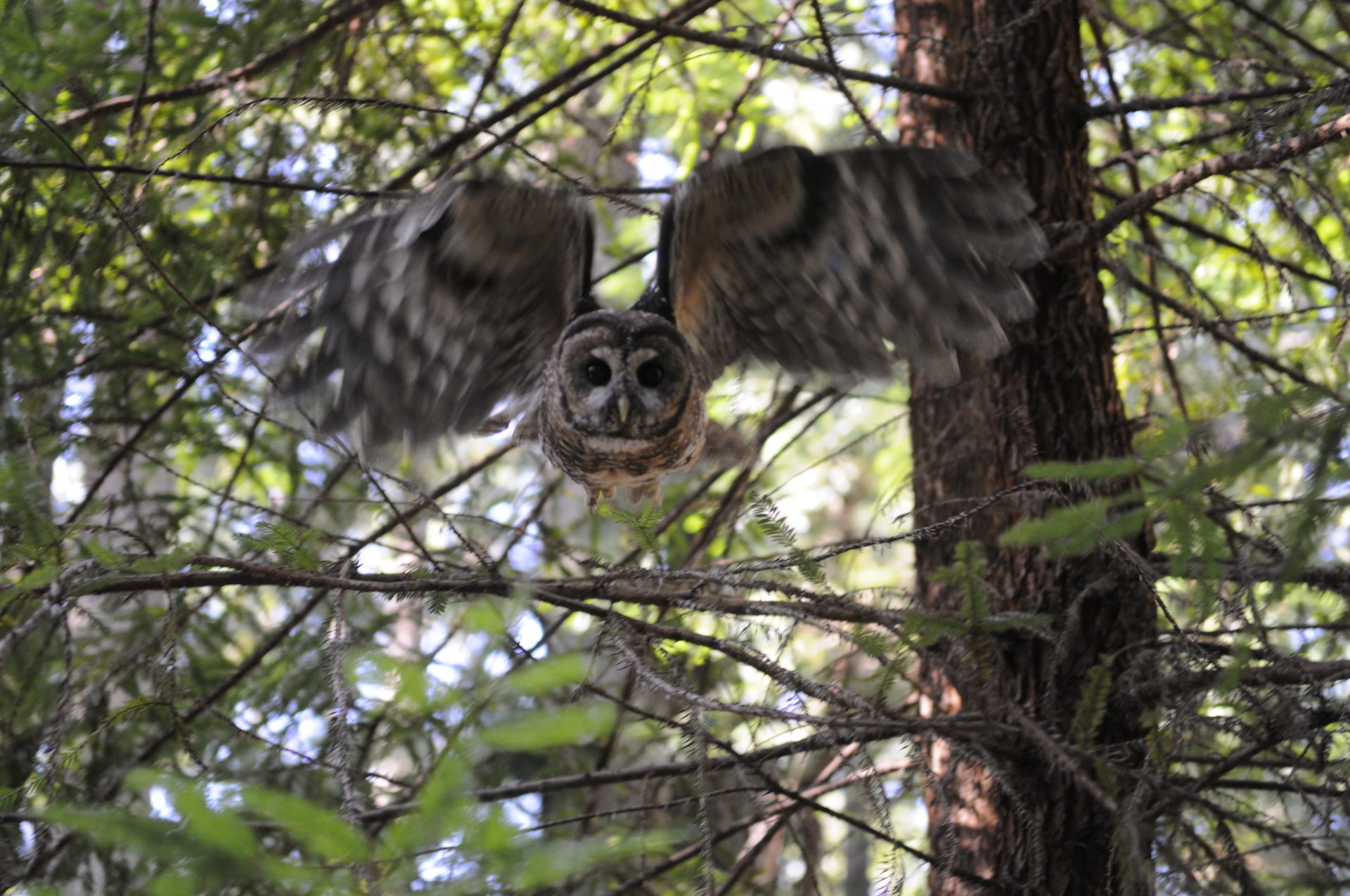
The spotted owl, a nocturnal sentinel of the ancient forests, has become an unwitting symbol of the delicate balance between human curiosity and ecological preservation. In the mist-laced canopies of the Pacific Northwest, where the air hums with the whispers of centuries-old conifers, this elusive bird faces a silent yet relentless threat—not from the claws of predators, but from the footsteps of tourists. The allure of these pristine landscapes, with their towering Douglas firs and emerald understories, draws millions each year, yet few pause to consider the cost of their wanderlust on the creatures that call these woods home.
The Lure of the Wild: Why the Pacific Northwest Beckons
The Pacific Northwest is a siren’s call to adventurers, a place where the land itself seems to breathe in rhythms as old as the earth. Its dense temperate rainforests, cradled by the Pacific’s ceaseless embrace, offer a sanctuary for those seeking solace in nature’s grandeur. The spotted owl, with its dark, soulful eyes and haunting four-note call, is a creature of mythic proportions here—a living emblem of wilderness untamed. Yet, the same forests that cradle this bird’s existence are also a playground for hikers, photographers, and eco-tourists, each drawn by the promise of untouched beauty. The irony is palpable: the more we seek to immerse ourselves in nature, the more we risk eroding the very habitats that make such immersion possible.
Footsteps in the Underbrush: The Unseen Toll of Human Presence
Every year, trails that once wound through the owl’s domain like veins of silence are trodden by thousands of boots, each step a potential disruption. The spotted owl, a creature of deep forest and shadowed retreats, is acutely sensitive to disturbance. Noise, even the muffled chatter of well-meaning visitors, can send these birds fleeing from their nests, leaving eggs vulnerable to predation or abandonment. The understory, a labyrinth of ferns and mosses where the owl hunts, is trampled underfoot, altering the microhabitats that sustain its prey. It is not the grand gestures of deforestation that threaten the owl most, but the cumulative erosion of its world—one quiet footfall at a time.
Photography’s Paradox: Capturing Beauty at a Cost
In the age of social media, the spotted owl has become an unwilling muse, its image plastered across screens as a symbol of untouched wilderness. Yet, the pursuit of the perfect shot often comes at a price. Flash photography, though well-intentioned, can disorient these nocturnal birds, disrupting their circadian rhythms and leaving them vulnerable to stress. Even the act of positioning oneself for a photograph can require invasive approaches, encroaching on nesting sites that are already under siege. The owl, a creature of twilight and secrecy, is thrust into the harsh glare of human fascination, its dignity traded for a fleeting moment of digital admiration.
The Illusion of Eco-Tourism: Sustainability or Exploitation?
Eco-tourism promises a harmonious coexistence between human exploration and environmental stewardship. Yet, in the Pacific Northwest, the line between conservation and consumption blurs dangerously. Guided tours, while marketed as educational, often lead visitors deep into owl territories under the guise of “wildlife viewing.” The presence of groups, even small ones, can trigger stress responses in these birds, whose survival depends on solitude. Worse still, the infrastructure required to support tourism—boardwalks, viewing platforms, and rest stops—fragments the forest, carving it into a patchwork of human convenience. The owl does not recognize the difference between a logging road and a hiking trail; to it, both are wounds in the flesh of its home.
The Silent Language of the Forest: How Owls Communicate—and How We Interfere
Spotted owls are not merely inhabitants of the forest; they are its poets, their calls a complex symphony of territory and courtship. Each hoot, each screech, is a verse in an ancient language that predates human language by millennia. Yet, human noise pollution—from distant ATVs to the chatter of tourists—drowns out these verses, forcing the owls to expend vital energy in communication. Studies have shown that in areas frequented by humans, owl populations exhibit higher stress hormone levels, a silent scream of distress that goes unheard by most. The forest, once a cathedral of sound, becomes a cacophony of interference, and the owl’s voice is the first to fade into the static.
Conservation in the Crosshairs: Balancing Access and Protection
The challenge of protecting the spotted owl while accommodating human desire for wilderness is a Gordian knot of modern conservation. Some argue for strict no-go zones, where the owl’s habitat is shielded from all but the most essential research. Others advocate for controlled access, where visitors are educated on the owl’s needs and restricted to designated paths. Yet, enforcement is a Sisyphean task—how does one regulate the wanderlust of thousands? The solution may lie in redefining our relationship with nature itself. Perhaps the most radical act of conservation is not building more trails, but learning to listen—to the owl’s hoots, to the rustle of leaves, to the unspoken plea of a forest under siege.
The Future of the Spotted Owl: A Canary in the Coal Mine
The spotted owl is more than a species at risk; it is a harbinger, a living testament to the fragility of ecosystems in the face of human ambition. Its decline is not an isolated tragedy but a symptom of a broader malaise—a world where the pursuit of leisure and the preservation of life are perpetually at odds. If we fail to protect the owl, we fail to protect the forests that sustain us all. The question is not whether we can afford to change, but whether we can afford not to. The Pacific Northwest’s ancient trees stand as silent witnesses, their rings etched with the passage of time—and the weight of our choices.