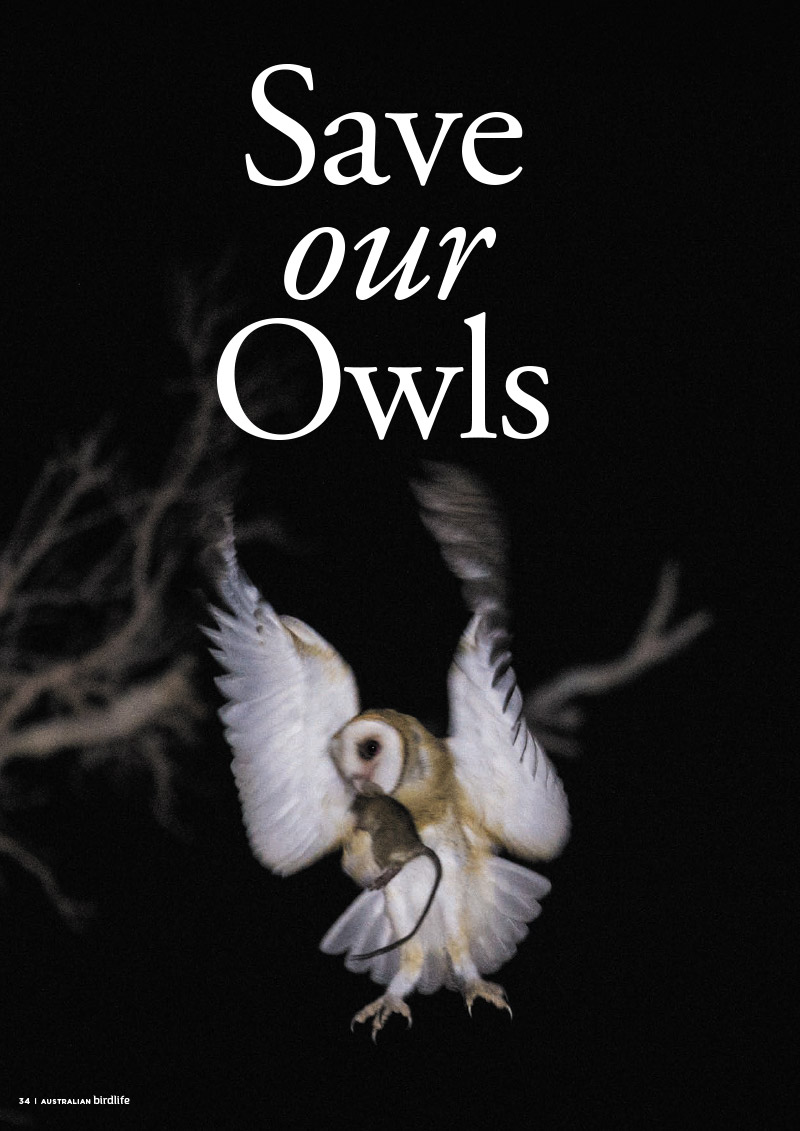
In the quiet hush of twilight, when the world slows to a whisper and the stars begin their celestial dance, an unseen symphony unfolds. Owls—those enigmatic guardians of the night—take flight, their silent wings cutting through the dark like blades of moonlight. Yet, beyond their haunting beauty lies a deeper truth: the survival of these nocturnal sentinels hinges on the choices we make in the daylight hours. Supporting owl-friendly businesses isn’t just an act of conservation; it’s a pledge to realign our values with the rhythms of the natural world. It’s a rebellion against the creeping silence of extinction, a defiant stand for ecosystems teetering on the edge. This is how you can become part of that revolution.
The Silent Extinction: Why Owls Need More Than Our Admiration
Owls are the canaries in the coal mine of our planet’s ecological health. Their decline isn’t a distant threat; it’s a present crisis, unfolding in the hollows of old-growth forests and the abandoned barns of rural landscapes. Habitat destruction, rodenticide poisoning, and the relentless march of urbanization have turned once-thriving owl populations into ghostly echoes of what they once were. But here’s the paradox: while we mourn their absence, we often overlook the role we play in their demise. Every dollar spent on products that contribute to deforestation or toxic agriculture is a vote for their silence. Owl-friendly businesses, however, offer a lifeline—a way to redirect that power toward their survival.
Consider the barn owl, a farmer’s ally in pest control, its presence a natural barometer of a healthy ecosystem. When we support businesses that prioritize sustainable farming, we’re not just buying organic eggs or shade-grown coffee; we’re ensuring that these silent hunters have a place to thrive. The shift begins with recognizing that our consumption isn’t neutral. It either fuels destruction or nurtures resilience. The choice is ours.
Decoding the Owl-Friendly Seal: What to Look For in a Business
Not all “green” labels are created equal. The term “owl-friendly” is more than a marketing ploy; it’s a commitment to practices that safeguard nocturnal habitats. But how do you separate the genuine from the greenwashed? Start by scrutinizing certifications. Look for third-party endorsements from conservation organizations, such as those that monitor pesticide use, habitat restoration, or sustainable forestry. A true owl-friendly business will transparently share its supply chain, from the sourcing of raw materials to the disposal of waste.
Pay attention to the details. Does the company invest in reforestation? Does it avoid monoculture farming, which strips the land of biodiversity? Does it use non-toxic alternatives to rodenticides, which inadvertently poison owls that prey on poisoned rodents? These aren’t just checkboxes; they’re lifelines. For instance, a furniture maker that sources wood from certified sustainable forests ensures that the owls nesting in those trees aren’t left homeless. A winery that plants native shrubs around its vineyards creates corridors for owls to hunt and nest. The devil, as they say, is in the details—and so is the salvation of these birds.
The Ripple Effect: How Your Choices Amplify Conservation Efforts
Every purchase is a ripple in the pond of global ecology. When you choose an owl-friendly business, you’re not just buying a product; you’re casting a vote for a future where owls still rule the night. But the impact goes deeper. Owl-friendly businesses often reinvest a portion of their profits into conservation initiatives, from funding research on owl migration patterns to restoring degraded habitats. By supporting them, you’re indirectly bankrolling these efforts. It’s a multiplier effect: your dollars become a chorus of support, amplifying the work of those on the frontlines of owl conservation.
Take, for example, a local bakery that sources its wheat from farms practicing regenerative agriculture. These farms don’t just avoid pesticides; they actively rebuild soil health, creating microhabitats for insects and small mammals—prey for owls. When you buy a loaf of bread from this bakery, you’re not just feeding yourself; you’re feeding an entire food web. The owls in the surrounding woods benefit. The soil microbes thrive. The cycle of life continues, unbroken. This is the power of conscious consumerism: it transforms individual actions into collective change.
Beyond the Cart: Advocacy as the Ultimate Act of Support
Supporting owl-friendly businesses isn’t limited to what you put in your shopping basket. It extends to the conversations you have, the policies you advocate for, and the communities you engage with. Start by educating others. Share the stories of owl-friendly brands on social media, highlighting their impact. Write to local representatives, urging them to prioritize conservation funding. Join or donate to organizations that protect owl habitats, from old-growth forests to urban green spaces. The more voices that champion these causes, the harder it becomes for policymakers to ignore them.
Consider the role of community-led initiatives, such as nest box programs that provide artificial homes for owls in areas where natural cavities are scarce. Businesses that sponsor these programs aren’t just selling products; they’re selling hope. They’re proving that humans and owls can coexist, that progress doesn’t have to come at the expense of the wild. When you support such businesses, you’re joining a movement—a quiet revolution of people who refuse to let the night fall silent.
The Psychological Shift: Reconnecting with the Night’s Guardians
There’s a profound psychological shift that occurs when you align your lifestyle with the well-being of owls. It’s a return to wonder, to the childlike awe of hearing an owl’s call on a still evening. It’s a rejection of the artificial glow of screens in favor of the natural world’s mysteries. Owl-friendly businesses often embody this ethos, crafting products that celebrate the night’s magic rather than exploiting it. A candle made from beeswax, scented with lavender and cedar, isn’t just a luxury; it’s a homage to the sensory world owls inhabit. A book printed on recycled paper, with illustrations of nocturnal creatures, isn’t just a gift; it’s an invitation to reconnect with the unseen.
This shift isn’t just about saving a species; it’s about reclaiming a part of ourselves. In a world that glorifies constant light and noise, owls remind us of the beauty in darkness, in stillness, in the unseen. Supporting owl-friendly businesses is a way to honor that beauty, to weave it into the fabric of our daily lives. It’s a promise to ourselves—and to the owls—that we will not let their world fade into the past.
A Call to Action: Your Nightly Duty
The night is not a void. It’s a living, breathing entity, teeming with life and secrets. Owls are its poets, its philosophers, its silent protectors. Supporting owl-friendly businesses is your way of tending to that world, of ensuring that when the sun sets, the owls still take flight. It’s a duty, yes, but also a privilege. A chance to be part of something greater than ourselves—to stand on the side of the wild, to champion the creatures that have watched over the earth long before we arrived.
So tonight, as you step into the dark, listen. Can you hear it? The whisper of wings cutting through the air. The hoot of an owl, calling out to the stars. That sound is a reminder. A promise. A challenge. Will you answer it?