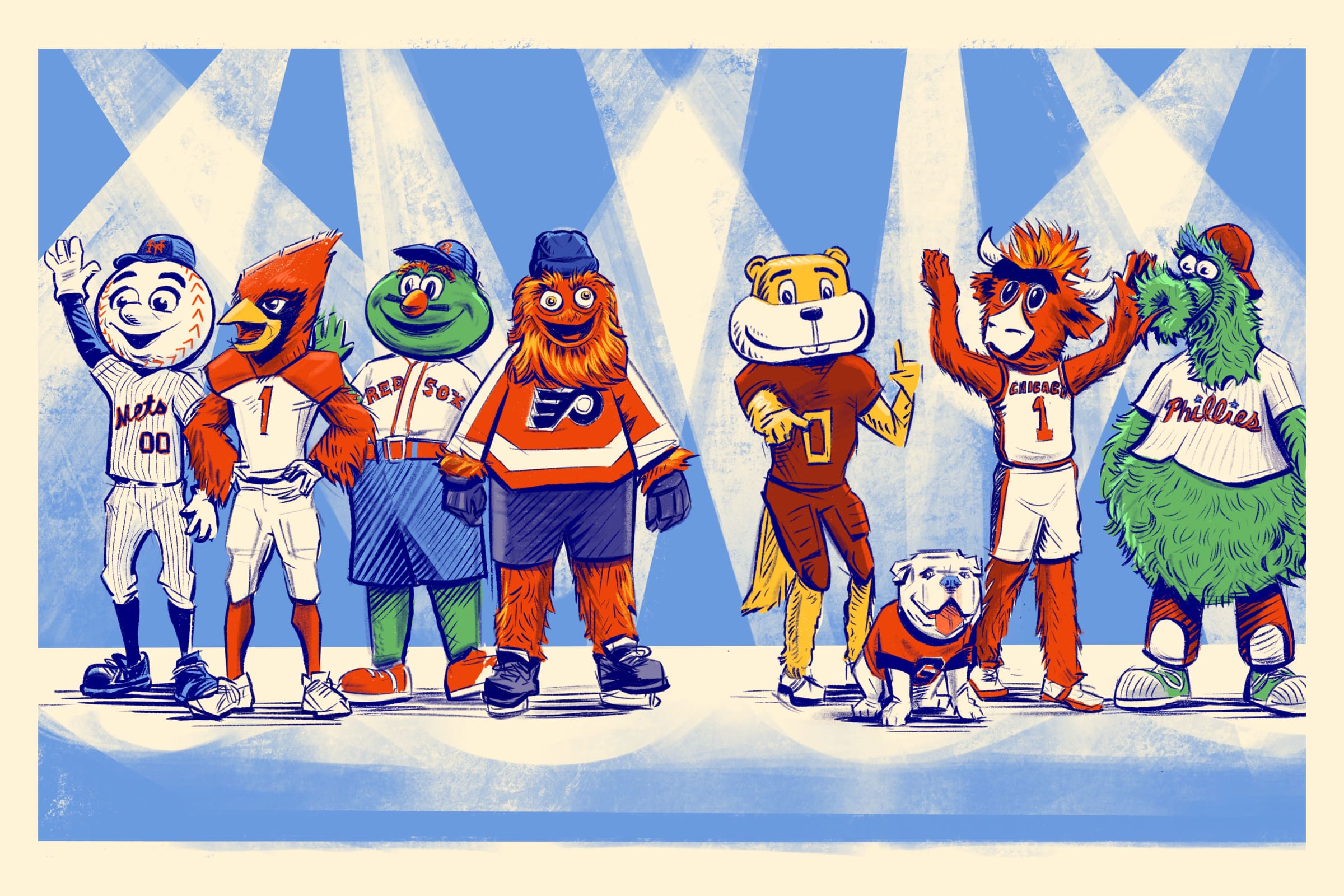
What if the enigmatic, wide-eyed Spotted Owl—the silent sentinel of old-growth forests—were to swoop into the raucous, adrenaline-charged world of sports? Could this elusive bird, steeped in mystique and symbolism, thrive as a mascot or team name, standing tall amongst the roaring lions, charging bulls, and formidable warriors that dominate sports culture? Delving into this playful ponderance opens up a fascinating exploration of identity, symbolism, and the unique narratives that mascots and team names weave into the fabric of athletics.
The Symbolic Richness of the Spotted Owl
Silent, swift, and hauntingly beautiful, the Spotted Owl carries with it more than just a feathered facade. It embodies wisdom, vigilance, and an ethereal connection to nature’s secrets. Unlike the overt aggression displayed by more traditional sports mascots, the Spotted Owl’s allure lies in subtlety and intellect. This nocturnal raptor is more than an animal; it’s a symbol of quiet power and measured precision—attributes that resonate deeply when channeled onto the field or court. In considering the Spotted Owl as a sports emblem, one grapples with a challenge: How can a creature whose strength lies in silence and stealth compete in a domain fueled by loudness and visibility?
Historical Context: The Owl’s Role in Sports
Owls have long been touched by cultural mysticism, often linked to wisdom and guardianship. In sports, a handful of teams have flirted with owl imagery, leveraging their nocturnal prowess and cerebral reputation. However, the Spotted Owl, in particular, is less commonly chosen, in part due to its specific habitat associations and conservation status. This rarity lends it an aura of exclusivity. It beckons teams and fans alike to step beyond conventional mascot tropes and embrace something more enigmatic. But therein lies a tension: can this uncommon and somewhat fragile figure hold its own amid mascots designed to intimidate and energize crowds?
The Spotted Owl vs. Traditional Mascot Archetypes
Sports mascots typically rely on a few central archetypes: the fierce predator, the indomitable warrior, or the plucky underdog. The Spotted Owl defies easy categorization. It is neither a brute nor a brawler, but a reconnaissance expert of the forest realms, a silent guardian who surveys with piercing eyes and swift reflexes. This uniqueness poses an intriguing challenge for teams considering the Spotted Owl as a mascot. How do you translate quiet cunning into a visceral, boisterous stadium atmosphere? Designing spirited cheers, dynamic logos, and engaging fan experiences around such a subdued identity requires inventive storytelling and imaginative branding.
Environmental Undertones and the Spotted Owl’s Conservation Story
Beyond wit and mystique, the Spotted Owl carries a poignant environmental narrative. As a species caught in the crosshairs of habitat loss and conservation efforts, it symbolizes resilience and the imperative of stewardship. A sports team adopting the Spotted Owl as its namesake or mascot could invoke these themes powerfully, aligning themselves with values of responsibility and sustainability. This alignment, however, calls for authenticity and a commitment to education and environmental advocacy. Fans and communities might challenge teams to honor the owl’s real-world plight—not just adopt its image superficially.
Visual and Performative Potential of the Spotted Owl Mascot
One might wonder: Could a Spotted Owl mascot leap, dart, and energize a crowd with the same zeal as more traditional mascots? The answer lies in creative interpretation. Its striking plumage and luminous eyes present vivid visual opportunities. Mascot costumes and branding can emphasize the bird’s keen gaze and distinctive spots, forging a memorable and unmistakable identity. Performance-wise, agility and stealth can be reimagined as quick, lively movements and clever antics, captivating audiences with unexpected vibrancy. Incorporating themed cheers or nighttime motifs could amplify the owl’s aura and bring a fresh dimension to game-day rituals.
Community Connection and the Cultural Resonance of the Spotted Owl
Teams thrive when their mascots resonate deeply with their communities. The Spotted Owl, often associated with the ecologies of the Pacific Northwest and similar regions, offers a potent means to root a team in a specific geographical and cultural milieu. This fosters local pride and an emotional tie that extends beyond sports. However, integration must go beyond mere symbolism, inviting partnerships with local conservation efforts, educational programs, and indigenous narratives that honor the bird’s place in local ecosystems and folklore. This holistic embrace enriches the mascot’s story and furthers community engagement.
Marketing Challenges and Opportunities
Does the Spotted Owl possess the marketing magnetism necessary to captivate modern sports audiences? While its mystique offers fresh canvas, it may lack the immediate visceral impact of more combative or mythical mascots. Yet this apparent obstacle births unique opportunities. Digital storytelling, nature-inspired merchandise, and immersive fan experiences can elevate the Spotted Owl’s profile. Tapping into the zeitgeist of ecological consciousness and intellectual valor, the owl can become a beacon of progressive identity. Clever campaigns could emphasize brain over brawn, strategy over sheer force, and environmental stewardship over mere spectacle.
Imagining the Future: The Spotted Owl as an Icon of Sportsmanship
What if the Spotted Owl became synonymous with sportsmanship and thoughtful competition? A team bearing its name or mascot could champion qualities of focus, patience, and respect—qualities often overshadowed by sheer dominance. This redefinition challenges conventional notions of what sporting success looks like. It invites fans and players alike to consider the game as a chess match rather than a gladiatorial contest. The owl’s ever-watchful eyes remind us: Sometimes, it is not the loudest roar but the quietest strategy that wins.
In the end, the Spotted Owl’s journey into the world of sports is a provocative invitation. It dares teams and fans to rethink mascots not just as symbols of brute force, but as carriers of stories, values, and visions that extend beyond the scoreboard. The real challenge lies not in the owl’s ability to soar across fields or courts, but in our willingness to listen to the silent wisdom that it embodies.