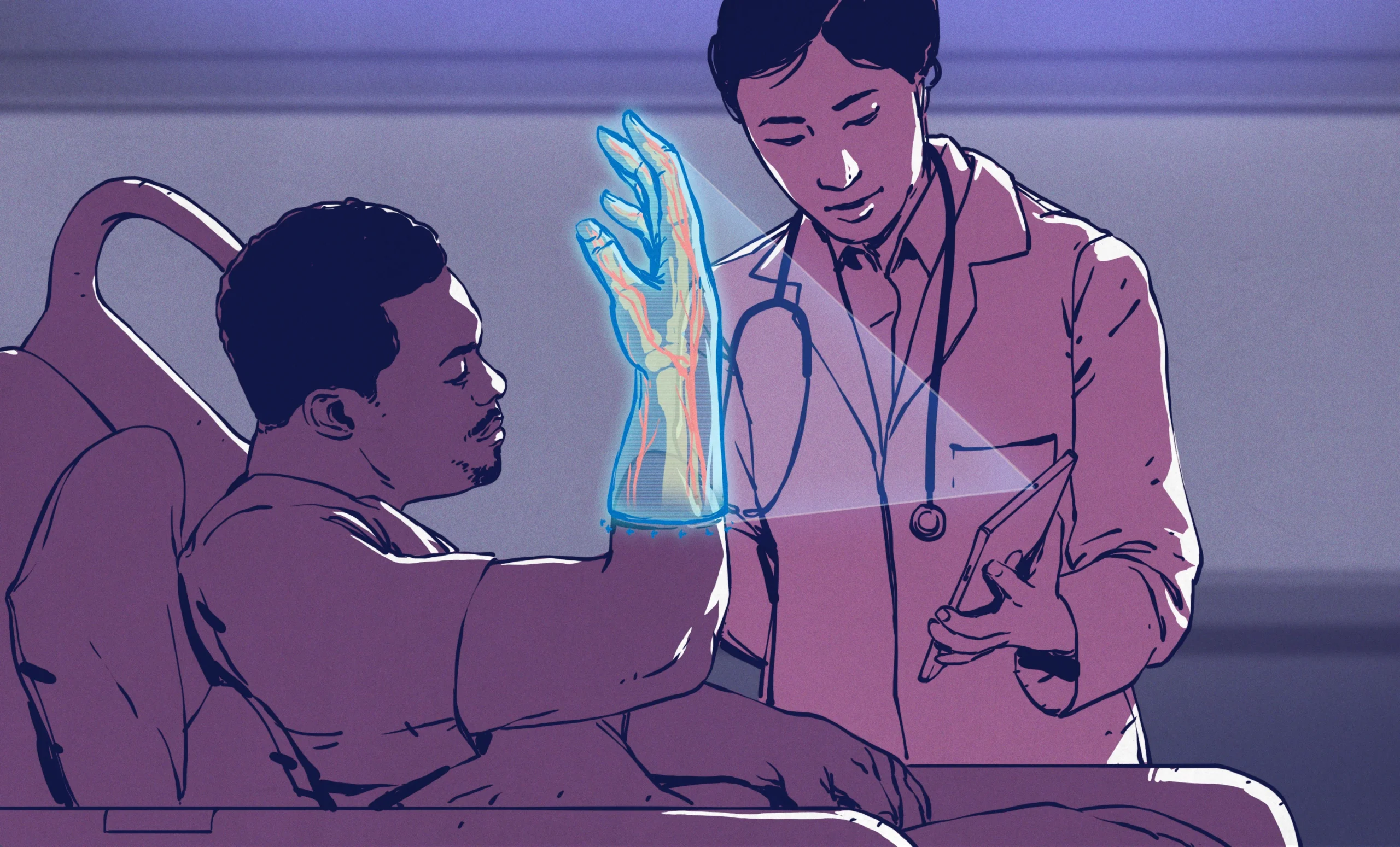
Imagine a world where an owl, with wings clipped by fate or injury, could once again take to the skies—not with the grace of its ancestors, but with the quiet determination of modern ingenuity. What if the key to unlocking this aerial rebirth wasn’t hidden in the dense foliage of a forest, but in the hum of a 3D printer? The intersection of wildlife rehabilitation and additive manufacturing is not just a scientific marvel; it’s a poetic resurrection of nature’s most enigmatic creatures. Welcome to the era where prosthetics meet feathers, and 3D printing becomes the silent savior of the avian realm.
The Feathered Paradox: When Nature Needs a Helping Hand
Owls, those nocturnal sentinels of the wild, are masterful hunters, their flight a ballet of precision and stealth. But what happens when an owl loses a limb—whether to a predator’s strike, a tragic collision, or the cruel whims of captivity? The answer, until recently, was a grim one: a life of terrestrial confinement, forever tethered to the ground. Traditional prosthetics, designed for humans and larger animals, are ill-suited for the delicate intricacies of an owl’s anatomy. Their lightweight bones, hollow and fragile, demand solutions that are as much art as they are science.
Enter 3D printing—a technology that thrives on customization, where every curve and contour can be meticulously crafted to fit the unique physiology of its recipient. No longer are we bound by the one-size-fits-all constraints of mass production. Instead, we enter an age where prosthetics are not just functional but feather-light, where the weight of a limb is measured in grams, not pounds. The challenge, however, is not just in the printing—it’s in the understanding. How do you design a prosthetic that doesn’t just replace a limb but restores the very essence of flight?
From Scan to Sky: The Alchemy of Digital Anatomy
The journey of crafting an owl prosthetic begins not with a sketch, but with a scan—a digital x-ray of the bird’s stump, a 3D model of its remaining limb, and a symphony of measurements that would make even the most meticulous ornithologist pause. This is where the magic of 3D printing truly shines. Using advanced imaging techniques like CT scans or photogrammetry, engineers can capture the owl’s anatomy with a precision that borders on the supernatural.
But here’s the twist: an owl’s limb isn’t just a limb. It’s a fulcrum for flight, a counterbalance to its massive wings, a tool for gripping prey mid-air. A prosthetic must account for the kinetic poetry of an owl’s movement—the way its talons curl around a branch, the way its wings fold like origami at rest. This isn’t just engineering; it’s biomechanical choreography. The challenge? Balancing durability with flexibility, ensuring the prosthetic doesn’t just hold up under pressure but moves with the fluidity of a natural limb. And what if the owl rejects it? What if the weight disrupts its center of gravity, turning a majestic hunter into a wobbling, earthbound creature?
The Materials Revolution: Beyond Plastic and Into the Wild
Traditional prosthetics rely on metals and rigid plastics, materials ill-suited for the delicate frame of an owl. Enter the world of bio-compatible polymers and lattice structures—materials that mimic the strength of bone while remaining feather-light. Some innovators are even experimenting with shape-memory alloys, metals that can “remember” their original shape, adapting to the owl’s movements like a second skin.
But the real game-changer? Biodegradable composites. Imagine a prosthetic that, over time, dissolves harmlessly into the environment, leaving no trace behind. Or one that can be printed on-site at wildlife rehabilitation centers, reducing the need for invasive surgeries and long-distance transport. The challenge, however, is ensuring these materials are strong enough to withstand the rigors of an owl’s life—perching, hunting, and, if we’re lucky, soaring once more.
The Human-Animal Bond: A Tale of Patience and Precision
No prosthetic, no matter how advanced, can succeed without the trust of its recipient. Owls are not dogs or cats; they are creatures of instinct, wary of anything that feels foreign. Training an owl to accept a prosthetic is a slow, delicate dance—one that requires not just engineering prowess but a deep understanding of avian psychology. Some birds may never adapt, their instincts overriding the benefits of the device. Others might take to it like a duck to water, their natural curiosity overcoming their initial hesitation.
The human element is just as critical. Wildlife rehabilitators, veterinarians, and engineers must work in tandem, their collaboration as intricate as the prosthetic itself. It’s a reminder that 3D printing isn’t just about machines and code—it’s about empathy, about seeing the world through the eyes of another creature. The challenge? Bridging the gap between human innovation and animal intuition, ensuring that the prosthetic doesn’t just fit the body but the soul.
The Ethical Horizon: Where Innovation Meets Conservation
As 3D-printed prosthetics for owls become more common, new questions arise. Is it ethical to give a wild animal a prosthetic that may never fully restore its natural abilities? What if the owl becomes dependent on humans, unable to survive in the wild? And what about the broader implications—could this technology be applied to other endangered species, from eagles to penguins?
These are not mere technical hurdles; they are moral crossroads. The challenge lies in using this technology responsibly, ensuring that it serves the animal first and foremost. It’s a delicate balance—one that requires not just innovation but wisdom. The goal isn’t just to give owls a second chance at flight; it’s to ensure they remain wild, free, and unshackled by the very tools meant to help them.
The Sky’s the Limit: A Future Written in Layers
We stand at the precipice of a revolution—one where 3D printing doesn’t just change how we build prosthetics, but how we perceive the boundaries between human and animal, between machine and nature. The owl, with its silent wings and piercing gaze, is the perfect ambassador for this new era. It challenges us to think beyond our own needs, to ask not just what we can create, but what we should.
So, the next time you hear the whisper of wings in the night, pause. Listen closely. You might just hear the hum of a 3D printer, weaving a future where no owl is left grounded—where every creature, no matter how broken, gets a chance to rise again.