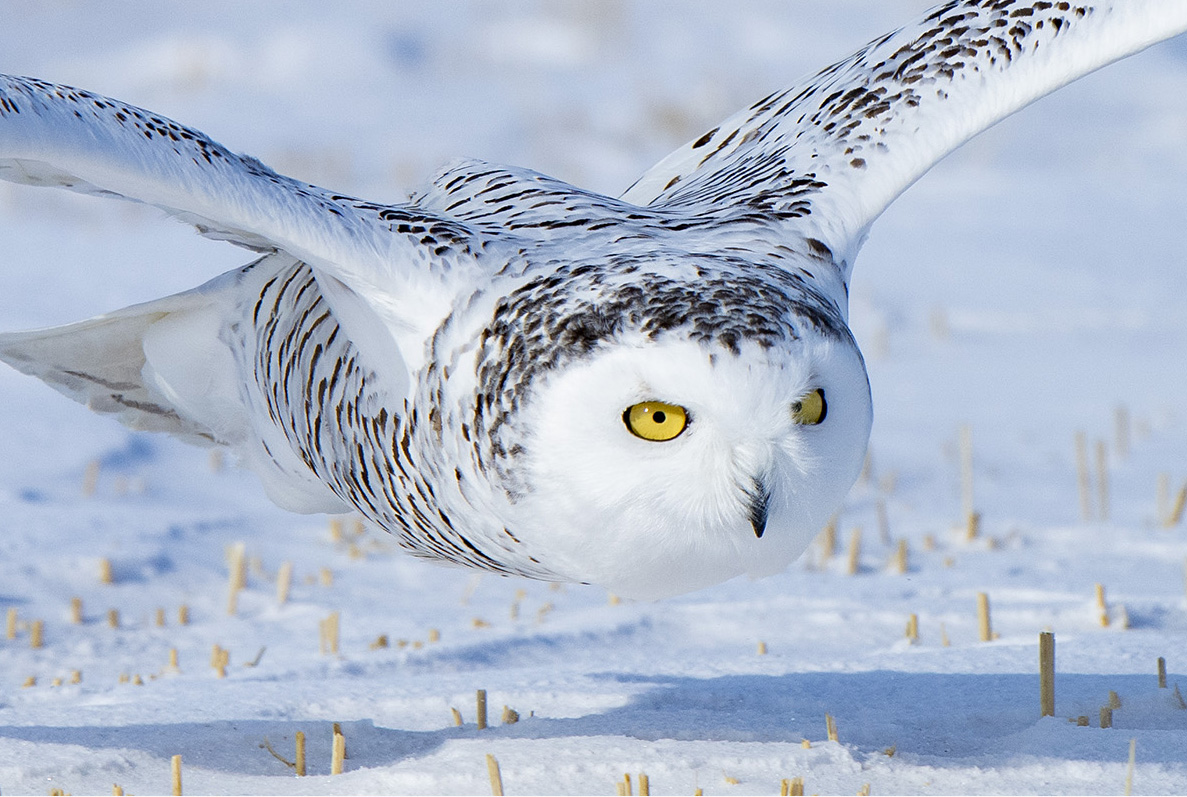
Few creatures command attention like the majestic Snowy Owl, with its ethereal white plumage and piercing yellow eyes that seem to glow with ancient wisdom. Sightings of this arctic wanderer have long sparked a blend of awe and curiosity, evoking a fascination that transcends casual birdwatching. These enigmatic birds captivate not just because of their visual splendor, but because they embody the wild’s untamed spirit and resilience against stark, relentless winters. For those ardent enough to chase glimpses of the Snowy Owl in its natural realm, certain locales offer a privileged passage into these raptors’ elusive world. Yet, beyond the surface thrill of spotting this luminous avian marvel lies a deeper narrative—one woven through migration patterns, habitat peculiarities, and the captivating interplay between environment and survival. This exploration delves into the best places to witness Snowy Owls thriving in the wild and unravels why these encounters feel almost otherworldly.
The Arctic Tundra: The Primal Heartland
The undisputed native domain of the Snowy Owl is the vast, untamed Arctic tundra stretching across the northernmost reaches of North America and Eurasia. Here, amidst rolling expanses of lichen, moss, and permafrost, Snowy Owls breed and nest during the brief yet vibrant summer. The sheer remoteness of this biome adds an aura of mystique to their presence. To witness Snowy Owls in the tundra is to glimpse a species perfectly attuned to a harsh and unforgiving landscape—where survival demands both stealth and strength. The stark whiteness of their feathers provides camouflage against snowy backdrops, a sublime adaptation that fascinates onlookers who recognize the intimate dance between predator and environment. This habitat’s isolation magnifies the owl’s symbolic role as an emissary of wilderness, a sentinel perched at the threshold of frost and life.
Canada’s Maritime Provinces: Seasonal Encounters
As winter encroaches, many Snowy Owls descend southward from their Arctic strongholds, often surprising observers in the maritime provinces of Canada—Nova Scotia, Newfoundland, and Prince Edward Island. These regions become seasonal theaters for remarkable owl migrations, transforming otherwise mundane seascapes into epic stages of avian prowess. Coastal marshlands, open fields, and even airport perimeters become favored hunting grounds where Snowy Owls assert dominance over winter prey such as lemmings and voles. Their unexpected presence here ignites a communal thrill among birders and photographers, a testament to the owl’s magnetic charisma. The Southward journey itself invites reflection on nature’s cyclical rhythms, showcasing how survival strategies manifest dynamically in fluctuating environments.
Great Lakes Region: A Surprising Winter Haven
Bordering the United States and Canada, the Great Lakes region emerges as another vital winter refuge for Snowy Owls seeking lush hunting territories away from the icy tundra. Parts of Michigan, Wisconsin, and Ontario witness seasonal influxes, where expansive snow-covered fields and frozen shorelines provide ample vantage points. The Great Lakes’ distinctive geography, with its mixing of vast water bodies and open land, affords these owls a rich prey base complemented by unobstructed visibility. The sight of a Snowy Owl perched stoically against a backdrop of frozen waves or snow-laden cornfields adds a touch of wild grandeur to the human footprint. Here, the owl’s presence reminds us of nature’s resilience even within proximity to human civilization, sparking a poetic tension between wildness and modernity.
Midwestern United States: The Unexpected Frontiers
Though less anticipated, parts of the American Midwest—including states like Minnesota and North Dakota—regularly host Snowy Owls during winter months. Agricultural landscapes dotted with open prairies, wetlands, and grasslands create dynamic hunting arenas for these raptors. What makes these sightings particularly thrilling are the unpredictable nature and rarity of occurrence. When Snowy Owls appear in these regions, their visitors often feel a surge of reverence, as if glimpsing a secret emissary from arctic realms. Birders trek tirelessly, cameras ready, to capture the rare moments when a Snowy Owl’s ghostly form materializes on a fence post or a snow-filled field. The owl’s presence here underscores the complex migratory puzzles and resource-driven dispersal that fuel their movements far beyond expected boundaries.
Eastern United Kingdom: A European Winter Refuge
Across the Atlantic, parts of the Eastern United Kingdom, such as the Norfolk Broads and the coastal fenlands of East Anglia, have garnered reputations as excellent wintering grounds for Snowy Owls. Here, the owls capitalize on the marshy wetlands and open farmland that mimic natural tundra habitats to a surprising degree. The juxtaposition of pastoral tranquility with flashes of wild, ghostlike avian brilliance enchants both casual nature lovers and dedicated ornithologists. This region’s history of weather fluctuations and varied habitat mosaic invites reflection on how Snowy Owls adapt to non-native environments. The owl’s ethereal visage against fog-shrouded marshes evokes a timeless connection to folklore and mythology, deepening the human fascination with its languid, mesmerizing presence.
Why Do We Yearn to See Snowy Owls? The Deeper Allure
At a glance, admiring Snowy Owls might seem like mere birdwatching, yet the fascination runs far deeper. These owls symbolize the exquisite balance between fragility and power—remarkably adapted creatures thriving under extreme conditions. Their ghostly white plumage invites contemplation on purity and survival, while their intense gaze carries an aura of enigmatic wisdom. Perhaps it is this combination that draws us irresistibly to seek them out: a yearning to connect with the untamed spirit of the wild and the silent stories carried by windswept snowscapes. Encountering a Snowy Owl in its habitat becomes more than observation; it is an intimate moment of communion with the raw poetry of nature. Each sighting stirs something elemental in the human soul—a reminder of mystery, endurance, and the enduring dance between predator and prey across the thresholds of ice and sky.
Ethical Considerations: Observing Without Disturbing
Given the Snowy Owl’s charm and rarity, it is essential to approach sightings with respect and care. These birds rely on precise ecological conditions, and human intrusion can disrupt breeding and hunting behaviors. Viewing from a distance using binoculars or telephoto lenses helps maintain the owls’ natural rhythms, ensuring that our fascination does not come at their expense. For those venturing into snowy fields or coastal marshes, patience and quietude become virtues that deepen the experience. Observing responsibly elevates the encounter, transforming it from mere spectacle into a genuine act of stewardship. Preserving their habitats guarantees future generations will continue to feel the same awe and connection that make witnessing Snowy Owls such a treasured experience.
Conclusion: The Timeless Call of the Snowy Owl
To journey in search of Snowy Owls is to follow the threads of nature’s most evocative tales—tales of survival against the cold, haunting beauty amidst desolation, and silent watches over endless white horizons. Whether standing on Arctic tundra, coastal shores, or snow-blanketed fields, encountering these magnificent birds invokes a profound sense of wonder. More than just a wildlife spectacle, Snowy Owls serve as reminders of the wildness that still lingers on our planet, beckoning us toward humility and reverence. Seeking them out is an invitation to witness a living embodiment of nature’s enduring mystery and elegance—an experience as luminous and fleeting as the snowy winds themselves.