Owls have always held a mysterious allure in the annals of European wildlife. These enigmatic birds, cloaked in nocturnal splendor, occupy a vital niche in the continent’s diverse ecosystems. From dense woodlands to open farmlands, Europe’s owl species exhibit remarkable adaptability and ecological significance. This comprehensive overview delves into their distribution, behaviors, conservation status, and cultural resonance, furnishing readers with a rich tableau of insight into the state of owls across Europe.
Owl Conservation in Island Nations: Unique Challenges and Solutions

Have you ever wondered what it’s like to be a silent sentinel of the night, watching the world from the shadows, yet facing existential threats that echo louder than your hoots? Owls in island nations—those isolated paradises where the sea whispers ancient secrets—are not just birds; they are living paradoxes. Masters of stealth and mystery, these raptors navigate a delicate balance between survival and extinction, their fate intertwined with the very ecosystems that cradle them. But what happens when the tides of change erode the shores they call home? What if the very isolation that once protected them now becomes their undoing? Let’s embark on a journey to uncover the unique challenges these feathered guardians face and the ingenious solutions that could save them from vanishing into the night.
Owls in Mythology: Symbols of Wisdom Death and Mystery Across Cultures
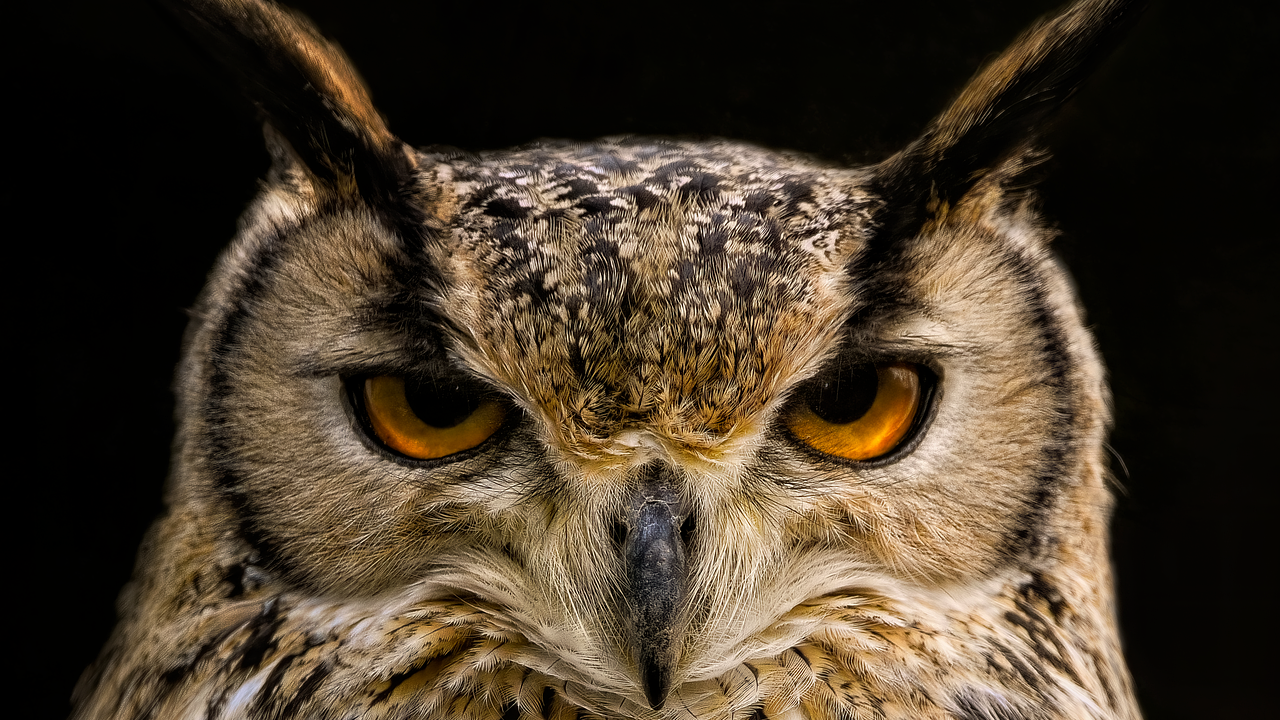
There is a creature that glides through the night, its golden eyes piercing the darkness like twin lanterns in a forgotten crypt. It does not hoot—it whispers. It does not flap—it levitates. The owl, with its silent wings and unblinking gaze, has long been more than a bird. It is a mirror. A mirror that reflects the deepest fears, the loftiest aspirations, and the most enigmatic truths of humanity across millennia. From the sun-drenched temples of ancient Egypt to the mist-laden forests of Celtic lore, the owl has been both revered and reviled, a paradox wrapped in feathers and mystery. This is not merely a tale of a nocturnal creature. It is a chronicle of how cultures have projected their own souls onto the silent sentinel of the night—and how, in doing so, they have redefined wisdom, death, and the very fabric of reality itself.
The Impact of the Internet of Things (IoT) on Owl Habitat Monitoring
The Internet of Things (IoT) has woven itself into the fabric of modern ecology, transforming how we perceive and protect the natural world. Among its most enchanting applications is the monitoring of owl habitats—a domain where technology meets the whispers of the night. Owls, those nocturnal sentinels of the wild, have long been shrouded in mystery, their behaviors and habitats studied through fragmented glimpses and fleeting observations. But with IoT, we are no longer limited to the shadows. Instead, we step into a realm where data becomes a silent observer, where sensors hum like the wings of an owl in flight, and where every rustle in the undergrowth is translated into a story waiting to be told.
How to Advocate for Snowy Owl Protection in Climate Policy Discussions
The Arctic tundra, a vast and fragile expanse, is undergoing a silent transformation. Once a sanctuary for the ethereal Snowy Owl, this icy realm now faces an existential threat—not from the talons of a predator, but from the invisible hand of climate change. As global temperatures rise, these majestic birds, adorned in their pristine white plumage, are being pushed to the brink of survival. Yet, their plight is not just a matter of ecological concern; it is a clarion call for justice, a reminder that the most vulnerable among us—both human and non-human—bear the heaviest burden of our collective inaction. Advocating for Snowy Owl protection in climate policy discussions is not merely an environmental imperative; it is a moral obligation, a feminist act of solidarity with the voiceless, and a testament to our commitment to intergenerational equity.
How the Barred vs. Spotted Owl Debate Is Influencing Conservation Ethics Globally

The clash between barred and spotted owls is not merely an ecological skirmish—it is a mirror reflecting the fractures in modern conservation ethics. As these two species vie for dominance in North America’s dwindling old-growth forests, the debate has transcended biology, morphing into a crucible where environmental justice, anthropocentric hubris, and the very definition of wilderness collide. This is not just about owls. It is about the soul of conservation itself.
Spotted Owl Hunting: How They Adapt to Their Forest Environment
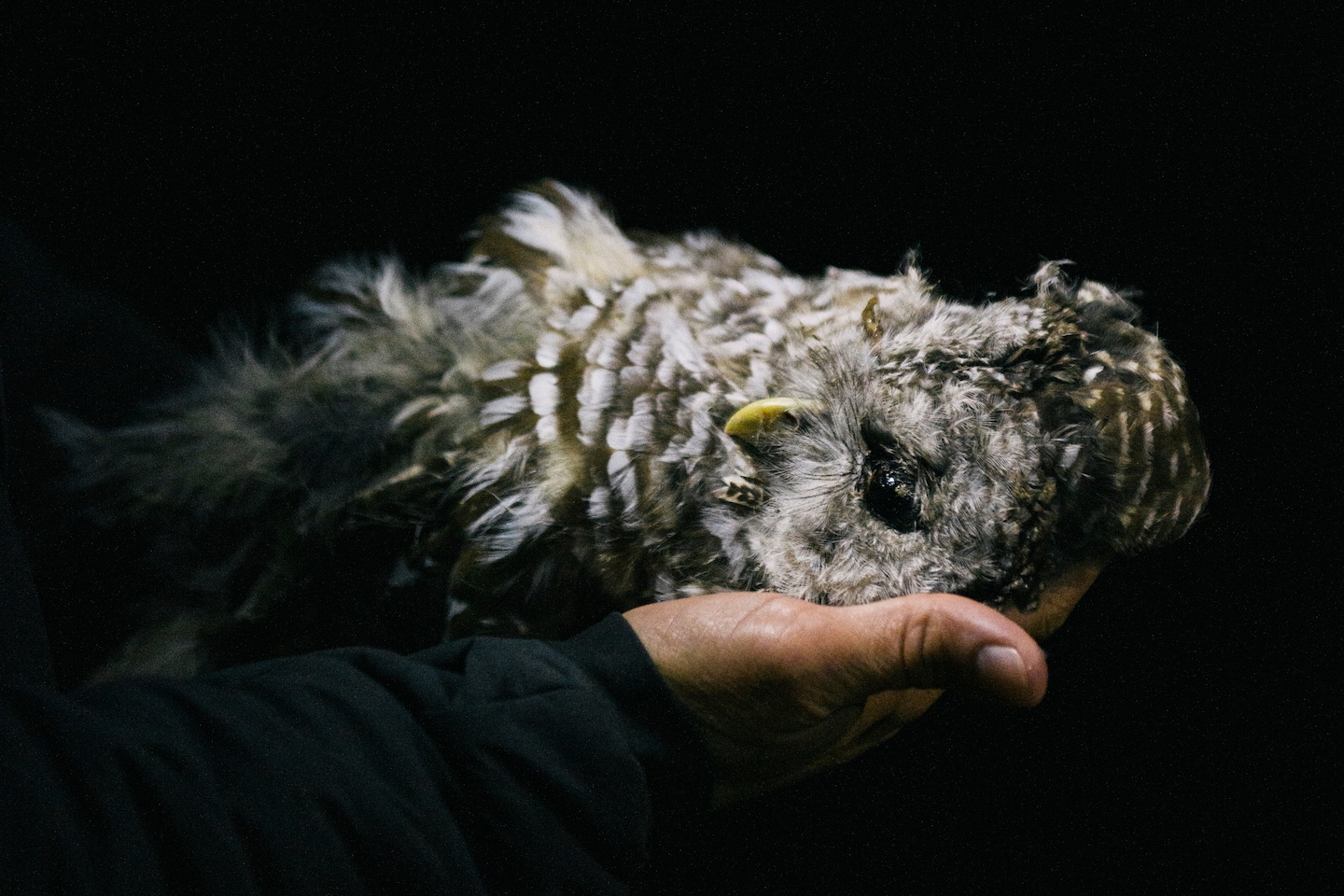
In the quiet depths of ancient forests, where sunlight filters through dense canopies and shadows dance among towering conifers, the spotted owl reigns as one of the most enigmatic raptors. Observers often find themselves captivated not just by the elusive silhouette of this nocturnal predator but by its uncanny adaptation to a world both vast and intimate—a world sculpted by trees, silence, and survival. The fascination with spotted owl hunting is more than a simple intrigue with a bird of prey; it is a gateway into understanding a finely tuned symbiosis between creature and environment, a testament to evolutionary artistry.
The Owl in Astrology: What Your Zodiac Owl Says About You
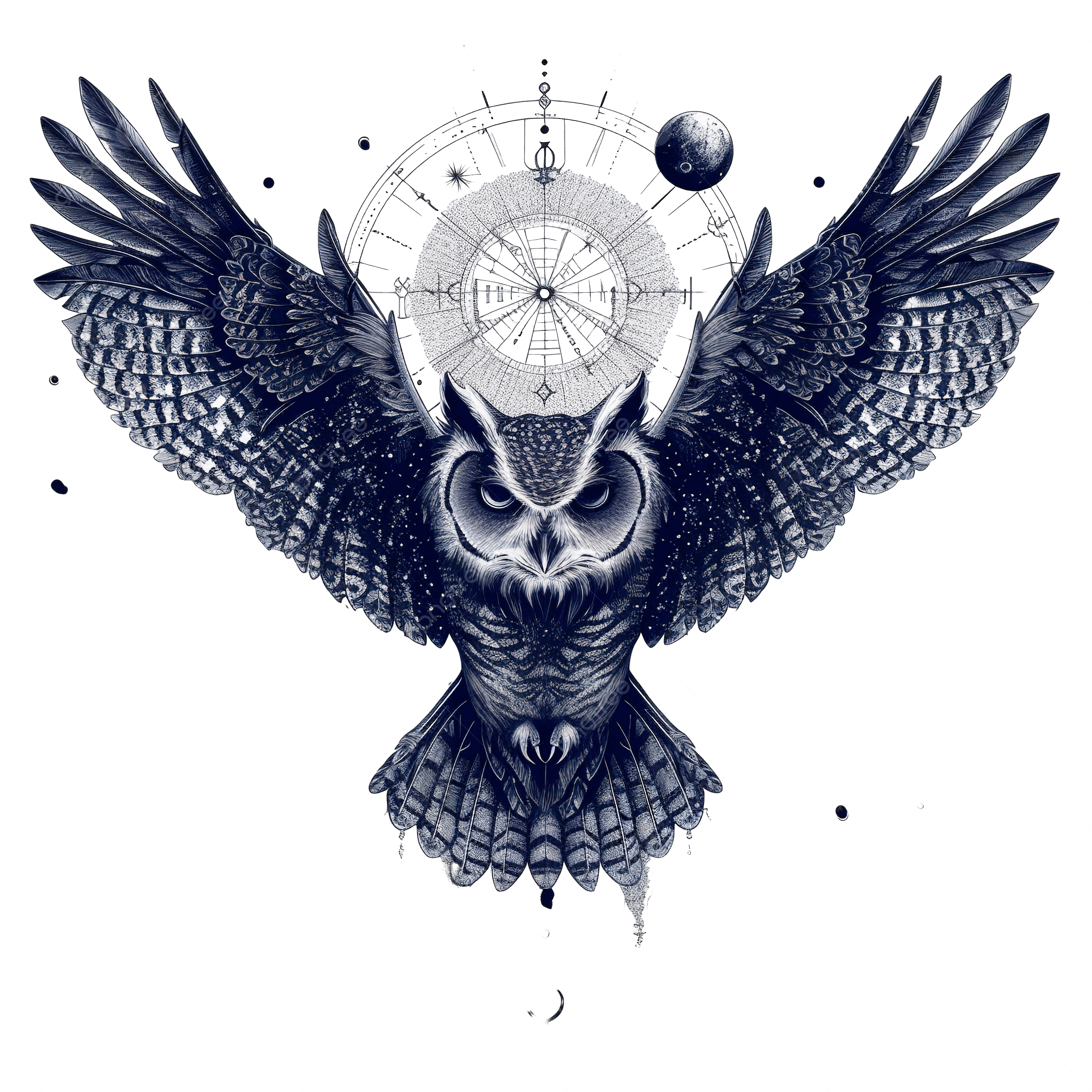
Have you ever wondered if a creature as enigmatic as the owl could reveal hidden truths about your astrological profile? The owl, with its penetrating gaze and silent wings, has been a symbol of mystery and wisdom across cultures for centuries. But what happens when this nocturnal marvel intersects with the ancient art of astrology? Could your zodiac owl unlock secrets about your personality, your challenges, and the unique cosmic dance you partake in? Let’s embark on this celestial journey where the twilight of the owl’s flight intertwines seamlessly with the zodiac’s shimmering constellations.
The Ecology of the Snowy Owl: A Comprehensive Guide
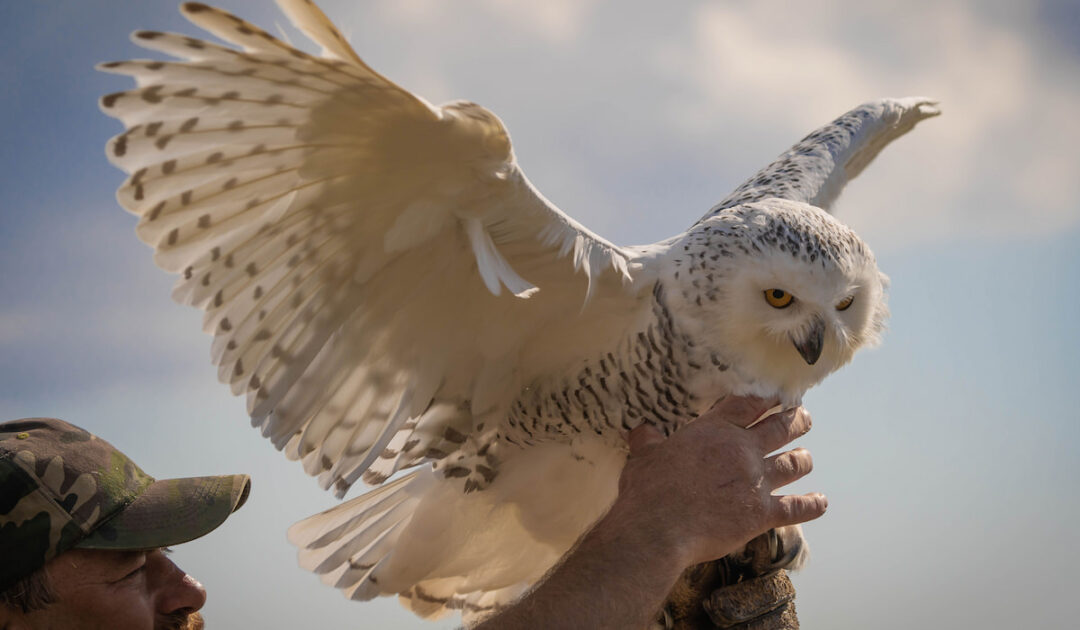
The snowy owl, a mesmerizing beacon of the Arctic tundra, captivates with its ghostly white plumage and piercing golden eyes. These majestic raptors are not only symbols of wilderness and desolation but also intricate threads within their frigid ecosystems. Their ecology, shaped by the harsh extremes of their environment, reveals fascinating adaptations, behaviors, and dependencies. This comprehensive guide delves into the multifaceted world of the snowy owl, offering insights into their habitat, diet, reproductive strategies, migratory patterns, and the ecological challenges they face.
The Role of Owls in Savanna Ecosystems: Predators of the Grasslands

Have you ever wondered what silent sentinels glide through the twilight of the vast savanna, wielding talons of precision and eyes that pierce the fading light? What happens when these nocturnal hunters encounter the sprawling grasslands, a landscape seemingly ruled by hoofed giants and roaring predators? The role of owls in savanna ecosystems is a fascinating, yet often overlooked chapter in the story of grassland dynamics. As elusive and enigmatic as their call, owls pose a unique challenge to the conventional understanding of predator-prey relationships across these sun-soaked plains.