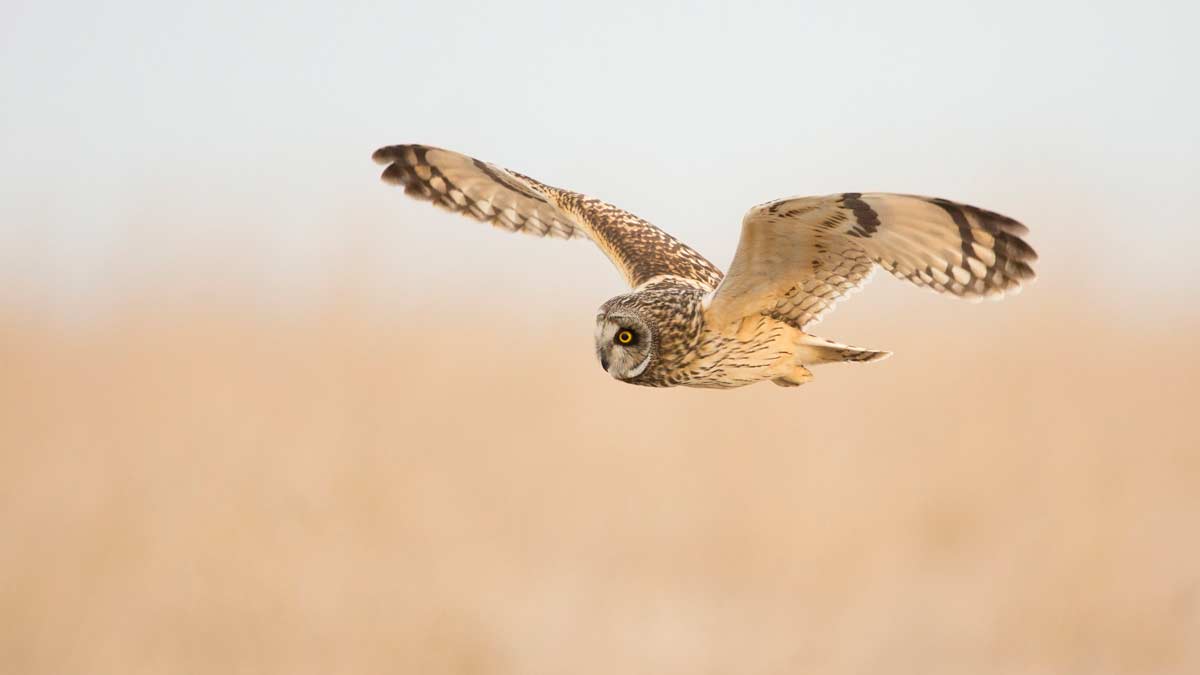
The sight of a short-eared owl gliding low over a marshy expanse at dusk is a spectacle that stirs the soul. Its silent wings carve arcs through the twilight, a fleeting silhouette against the fading light. Yet, this image—once common across vast wetland networks—has grown increasingly rare. The culprit? Habitat fragmentation, a silent architect of ecological upheaval, and at its heart, the unassuming yet transformative dam.
The Unseen Divide: How Dams Carve the Landscape
Dams are not mere concrete monoliths; they are geological disruptors, reconfiguring the flow of rivers and the rhythm of seasons. When a dam is erected, it doesn’t just hold back water—it holds back life. The once-continuous ribbon of a river is severed, splitting ecosystems into isolated fragments. For owls, whose territories span miles of undisturbed terrain, this division is catastrophic. Their hunting grounds, nesting sites, and migratory paths are abruptly truncated, leaving them marooned in shrinking pockets of habitat. The owl’s world, once a seamless tapestry of wetlands and grasslands, becomes a patchwork of isolated islands, each too small to sustain a population.
Wetland Loss: The Silent Extinction of Critical Zones
Wetlands are the lifeblood of owl habitats, teeming with prey and offering sanctuary from predators. Yet, dams disrupt the natural flooding cycles that sustain these ecosystems. By regulating water levels, dams prevent the seasonal inundation that nourishes wetlands, causing them to wither into arid wastelands. The short-eared owl, a species deeply tied to open, marshy landscapes, finds its hunting grounds reduced to skeletal remnants of their former selves. Without these critical zones, the owl’s survival hinges on adaptability—a luxury few species possess in the face of such abrupt change.
The Domino Effect: Ripples Through the Food Web
The impact of dams extends far beyond the immediate loss of habitat. As wetlands shrink, so too does the abundance of small mammals—voles, mice, and shrews—that owls rely on for sustenance. The disruption of water flow alters soil composition, reducing the diversity of plant life that supports these prey species. In turn, the owl’s reproductive success plummets, as fewer resources mean fewer fledglings survive to adulthood. This cascade of consequences illustrates how a single structure can unravel an entire food web, leaving behind a landscape that is biologically impoverished and ecologically fragile.
Migration Interrupted: The Plight of the Nomadic Hunter
Short-eared owls are wanderers, nomads of the night sky that traverse vast distances in search of food. Dams, however, act as impassable barriers, fragmenting their migratory routes. A river that once flowed freely becomes a series of stagnant pools, forcing owls to detour or perish in the attempt. The energy expended in navigating these artificial obstacles leaves little reserve for breeding or hunting, pushing populations to the brink. For a species that thrives on movement, the stillness imposed by dams is a death sentence in slow motion.
Adaptation or Extinction: The Owl’s Dilemma
Some owl populations may attempt to adapt, shifting their territories to the few remaining wetland fragments. Yet, this is a temporary reprieve at best. Isolated habitats are prone to inbreeding, genetic bottlenecks, and increased vulnerability to disease. The owl’s once-resilient adaptability becomes a liability in a fragmented world, where the boundaries between life and extinction blur with each passing season. Conservationists face a daunting task: can these birds be saved, or are they destined to become relics of a bygone era?
The Human Hand: Dams as a Mirror of Our Choices
Dams are not inherently evil; they are tools, wielded by human hands for human needs. They provide water for cities, power for industries, and flood control for communities. Yet, their construction often comes at the expense of the natural world, a trade-off that future generations may deem unacceptable. The fragmentation of owl habitats is not an isolated tragedy—it is a symptom of a larger imbalance, a reminder that our actions have consequences far beyond our immediate intentions. To restore balance, we must ask ourselves: are the benefits of these structures worth the cost to the wild things that call these landscapes home?
Restoration in Reverse: Can We Turn Back the Tide?
Hope is not lost. Restoration efforts, though challenging, offer a glimmer of redemption. By reintroducing natural water flow, reconnecting fragmented wetlands, and creating wildlife corridors, we can begin to heal the wounds inflicted by dams. The short-eared owl, with its resilient spirit, may yet reclaim the skies if given the chance. But time is of the essence. The window for intervention is narrow, and the stakes could not be higher. The question is not whether we can restore these habitats, but whether we are willing to try.
The owl’s flight, once a symbol of wild freedom, now serves as a poignant reminder of what we stand to lose. In the quiet between its wingbeats lies a challenge—one that demands we reconsider the legacy we leave behind. Will we continue to build walls that divide, or will we choose to mend the fractures we’ve created? The answer will echo through the marshes, the grasslands, and the hearts of those who still dare to dream of a world where owls glide unbroken across the twilight sky.