In the silent ballet of the night, where the moon casts silver threads over the forest canopy, an unsung hero of biodiversity performs its nocturnal magic. Owls—those enigmatic, wide-eyed sentinels of the dark—are far more than mere predators of the night. They are, in ways both subtle and profound, the unwitting architects of ecological renewal. While their role in pest control has long been celebrated, a quieter revolution is unfolding: owls are seed dispersers, a function so overlooked that it challenges the very foundations of how we perceive these birds and the ecosystems they inhabit.
The Nocturnal Couriers of Biodiversity
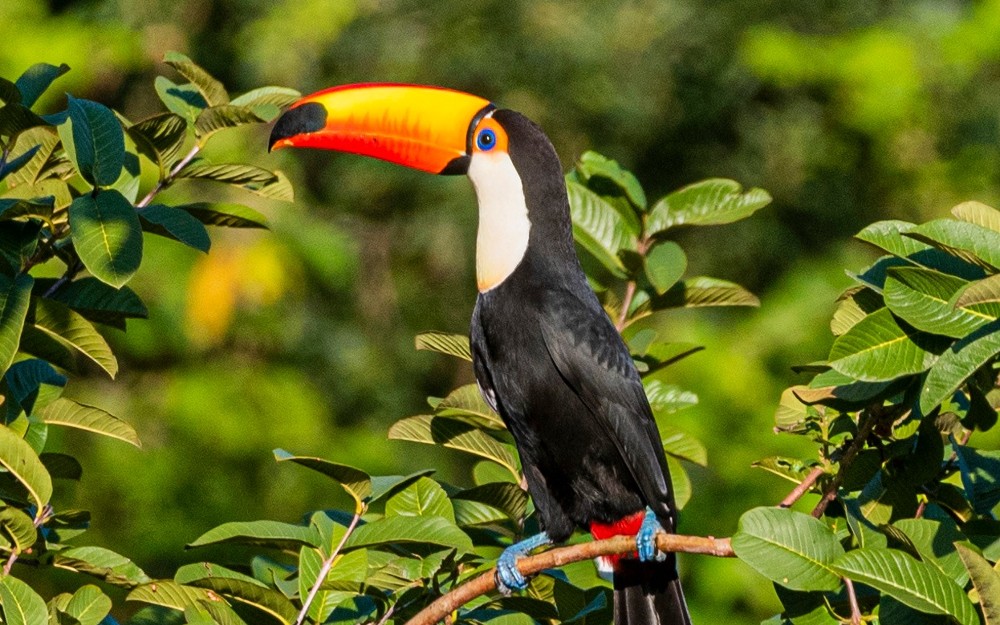
Imagine, if you will, a forest at dusk. The air hums with the whispers of wings cutting through the twilight. An owl, with its silent flight and razor-sharp talons, is not just hunting for its next meal—it is also carrying within its digestive tract the future of the forest itself. Seeds, ingested by the owl as it consumes fruit-eating prey or directly from berries, travel through its gut, undergoing a transformation that primes them for germination. This process, known as endozoochory, is a silent but mighty force in seed dispersal, one that has been largely overshadowed by the more conspicuous roles of birds like toucans or mammals like monkeys.
What makes this phenomenon particularly fascinating is its unintentional nature. Unlike frugivorous birds that actively seek out fruit, owls are not seed dispersers by design. Their primary diet consists of small mammals, insects, and other creatures that may have consumed seeds themselves. Yet, in the act of predation, they become inadvertent agents of forest regeneration. The seeds they ingest are not destroyed; they are enhanced. The abrasive journey through the owl’s digestive system can scarify the seed coat, making it more permeable to water and thus accelerating germination. This accidental symbiosis between predator and plant is a testament to the intricate, often invisible, threads that bind ecosystems together.
The Ecological Ripple Effect
To understand the full magnitude of owls’ role in seed dispersal, we must zoom out from the individual bird to the broader landscape. Forests are not static entities; they are dynamic, breathing organisms where every species plays a part in the grand symphony of life. When an owl disperses seeds, it is not merely dropping them at random. The seeds are deposited in locations far from their parent plants, often in nutrient-rich soils enriched by the owl’s prey. This spatial redistribution is critical for genetic diversity, as it reduces competition among seedlings and allows for the colonization of new habitats.
Consider the keystone species concept—a species whose presence is disproportionately impactful on its ecosystem. Owls, in their dual role as predators and seed dispersers, may well be keystone engineers. Their movements through fragmented landscapes can create regeneration hotspots, areas where seeds take root and thrive, fostering the growth of new vegetation. This is particularly vital in degraded or fragmented habitats, where natural seed dispersal mechanisms have been disrupted. In such environments, owls become the bridge between isolated patches of forest, knitting together the fabric of biodiversity.
Moreover, the seeds dispersed by owls are not limited to any single type. They can range from the tiny, hardy seeds of pioneer species to the larger, more robust seeds of climax forest trees. This diversity ensures that the forest does not become a monoculture of early-successional plants but evolves into a complex, multi-layered ecosystem. The owl’s role, therefore, is not just about quantity—it is about quality, about shaping the very architecture of the forest.
The Silent Guardians of Genetic Diversity
Genetic diversity is the lifeblood of any ecosystem. It is the raw material for adaptation, resilience, and evolution. Yet, in an era of rapid environmental change, many species are struggling to keep pace. Here, again, owls emerge as unsung heroes. By dispersing seeds over long distances, they facilitate gene flow between populations that would otherwise remain genetically isolated. This is particularly crucial for species with limited dispersal abilities, such as certain understory plants or slow-growing trees.
The implications of this genetic exchange are profound. In a warming climate, for instance, plants that are dispersed by owls may have a better chance of colonizing new, more suitable habitats as their original ranges shift. This natural movement of genes can enhance the adaptive potential of plant populations, allowing them to survive in changing conditions. Without owls, many of these plants might be confined to their current locations, unable to keep up with the pace of environmental change.
But the story does not end there. The seeds dispersed by owls are often deposited in microhabitats that provide ideal conditions for germination. These could be the shaded, moist soils of a forest floor or the disturbed soils of a recently abandoned agricultural field. In either case, the owl’s role in selecting these sites—albeit unconsciously—ensures that seeds are placed where they have the highest chance of survival. This is not mere chance; it is the result of millions of years of evolutionary fine-tuning.
Challenges and the Shadows of the Unknown
Despite their critical role, owls face an array of threats that could disrupt their seed-dispersal services. Habitat loss, driven by deforestation and urbanization, is perhaps the most pressing concern. As forests shrink and fragment, owl populations decline, and with them, the ecological services they provide. Pesticide use is another silent killer, accumulating in the food chain and reducing the diversity of prey available to owls. This, in turn, can lead to a decline in their populations and a reduction in their seed-dispersal activities.
There is also the matter of ecological illiteracy—the lack of awareness among conservationists and policymakers about the multifaceted roles of species like owls. Most conservation efforts focus on charismatic megafauna or flagship species, leaving behind the quieter, less glamorous contributors to ecosystem health. This oversight is not just a failure of imagination; it is a failure of action. Without recognizing the full spectrum of an owl’s ecological functions, we risk undermining the very systems we seek to protect.
Research into owl-mediated seed dispersal is still in its infancy. Many questions remain unanswered. How do different owl species vary in their seed-dispersal efficiency? What is the long-term impact of owl dispersal on forest composition? How do climate change and other anthropogenic pressures alter these dynamics? These gaps in knowledge are not trivial; they represent missed opportunities to harness the full potential of owls as allies in conservation.
A Call to Reimagine Conservation
The story of owls as seed dispersers is more than a scientific curiosity—it is a call to rethink our relationship with the natural world. It challenges us to look beyond the obvious, to recognize the hidden threads that connect species in ways we are only beginning to understand. Conservation, at its core, is about preserving relationships, not just individual species. Owls remind us that every creature, no matter how small or seemingly insignificant, plays a part in the grand tapestry of life.
So, the next time you hear the haunting hoot of an owl in the night, pause for a moment. Listen not just to the sound, but to the story it tells—a story of predation and renewal, of destruction and creation. In that moment, you are witnessing a silent revolution, one that has been unfolding for millennia, and one that we are only now beginning to appreciate. The owl is not just a hunter; it is a gardener of the night, a guardian of biodiversity, and an unsung hero of the forest.
It is time we gave it the recognition it deserves.