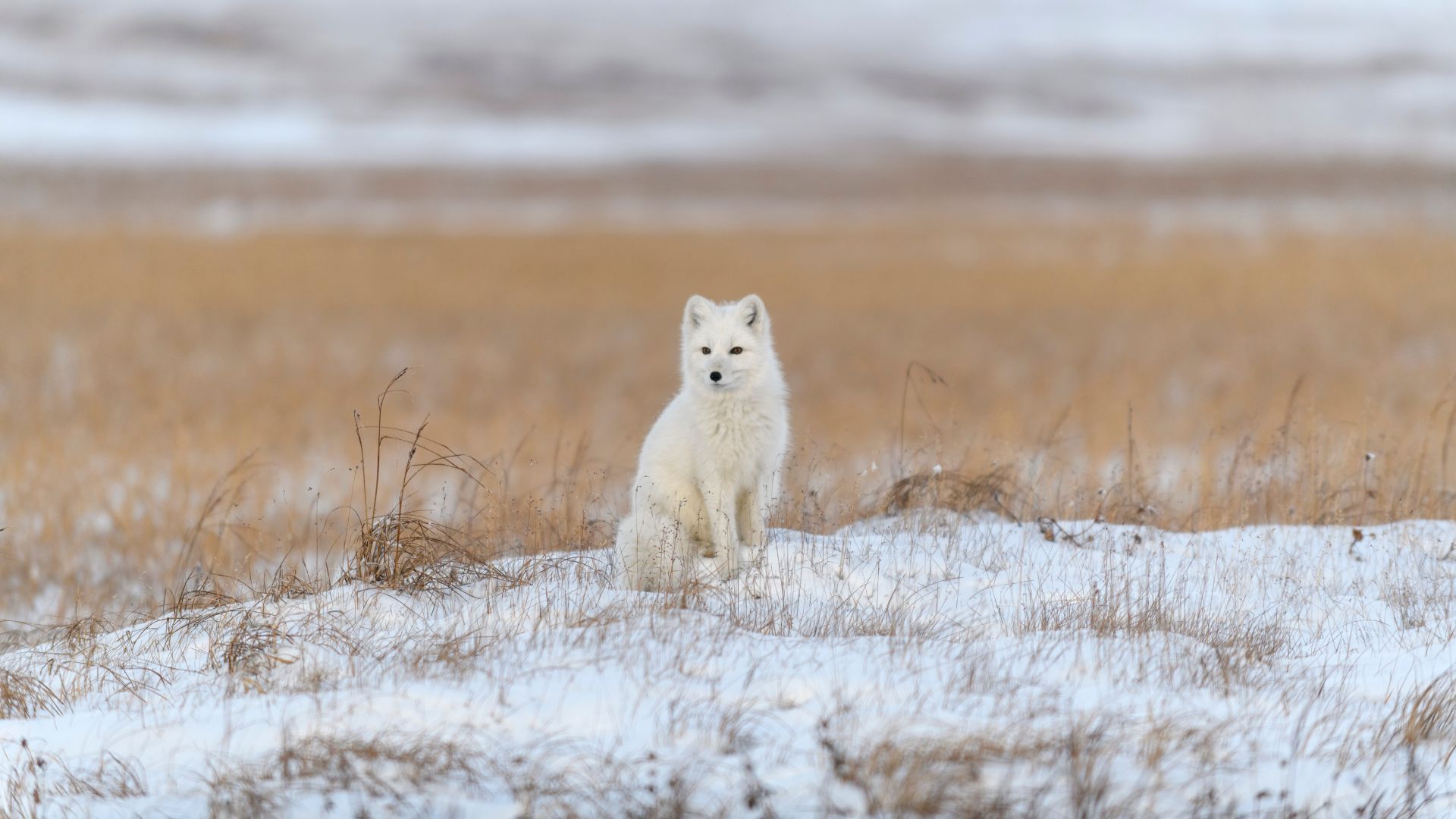
The Arctic, a vast and breathtaking expanse of ice and tundra, is home to one of nature’s most enigmatic creatures: the snowy owl. With its pristine white plumage and piercing golden eyes, this apex predator embodies the resilience and mystery of the polar wilderness. Yet, as climate change reshapes its habitat and human encroachment alters its domain, the snowy owl faces an uncertain future. Engaging Arctic communities in its conservation is not just a necessity—it is a moral imperative. These communities, deeply intertwined with the land and its rhythms, hold the key to sustainable coexistence. Their wisdom, traditions, and stewardship can illuminate pathways to protect the snowy owl while honoring their own cultural heritage. This article explores how to foster meaningful collaboration, blending indigenous knowledge with modern conservation strategies to ensure the survival of this magnificent species.
Understanding the Cultural Significance of the Snowy Owl in Arctic Traditions
The snowy owl is more than a predator in Arctic lore; it is a symbol of wisdom, adaptability, and the delicate balance between life and death. For generations, Inuit communities have revered the owl as a messenger between the human and spirit worlds, its silent flight and keen gaze embodying the mysteries of the tundra. Elders recount tales of the owl guiding lost hunters or foretelling harsh winters, weaving its presence into the very fabric of survival narratives. Recognizing this cultural tapestry is the first step in conservation—it transforms the owl from a distant creature into a kin, a being deserving of protection not just for ecological reasons, but for spiritual and communal ones. Workshops led by indigenous knowledge-keepers can bridge this gap, inviting elders to share stories and younger generations to listen, ensuring the owl’s legacy endures in both memory and practice.
Collaborative Research: Merging Indigenous Knowledge with Scientific Inquiry
Traditional ecological knowledge (TEK) offers insights that modern science often overlooks. Arctic communities possess an intimate understanding of the snowy owl’s behavior, migration patterns, and ecological roles, gleaned from centuries of observation. Collaborative research projects, where scientists and indigenous hunters work side by side, can yield data that neither group could obtain alone. For instance, tracking owl movements through TEK-informed narratives can reveal critical nesting sites or hunting grounds threatened by industrial expansion. Such partnerships must be built on mutual respect, with scientists acknowledging the validity of indigenous expertise and communities benefiting from shared findings. Funding for these initiatives should prioritize local leadership, ensuring that research serves the needs of Arctic peoples first and foremost.
Educational Initiatives: Fostering Youth Leadership in Conservation
The future of snowy owl conservation lies in the hands of Arctic youth, who will inherit both the challenges and the responsibilities of their homelands. Schools in remote communities can become hubs of environmental education, integrating owl conservation into curricula through storytelling, art, and hands-on fieldwork. Imagine a classroom where students track owl sightings using citizen science apps, then translate their findings into traditional songs or murals that celebrate the bird’s role in their culture. Such programs not only instill pride in local biodiversity but also empower young voices to advocate for policy changes. Partnerships with global conservation organizations can provide resources, but the curriculum must be co-created with community elders to ensure cultural relevance and accuracy.
Economic Incentives: Aligning Conservation with Livelihoods
For many Arctic communities, survival depends on activities like hunting, fishing, and tourism. Conservation efforts must therefore align with economic realities, offering alternatives that do not compromise traditional ways of life. Eco-tourism presents a promising avenue—imagine guided snowy owl expeditions where visitors learn about the bird’s ecological importance while supporting local guides. Alternatively, sustainable harvesting programs could be developed, where communities monitor owl populations and set quotas to ensure their long-term health. These initiatives require careful planning to avoid exploitation, with profits reinvested into community-led conservation projects. The goal is to demonstrate that protecting the snowy owl can also mean securing a stable, dignified future for those who call the Arctic home.
Policy Advocacy: Amplifying Indigenous Voices in Decision-Making
Conservation policies often emerge from distant offices, drafted by people who may never set foot in the Arctic. To change this, Arctic communities must be at the forefront of advocacy, shaping policies that affect their lands and the creatures that inhabit them. This means supporting indigenous-led campaigns to designate critical owl habitats as protected areas, or lobbying against industrial projects that fragment nesting grounds. International bodies like the Arctic Council must prioritize indigenous representation, ensuring that treaties and agreements reflect the lived realities of those most impacted. Allies in the global conservation movement can amplify these voices, using platforms to highlight the intersection of indigenous rights and biodiversity protection. The message is clear: no conservation effort in the Arctic can succeed without the consent and participation of its people.
Art and Storytelling: Weaving Conservation into Cultural Narratives
Art has the power to transcend language barriers and evoke deep emotional connections. In Arctic communities, where oral traditions are a cornerstone of identity, storytelling can become a tool for conservation. Local artists can collaborate with elders to create murals, songs, or digital media that celebrate the snowy owl’s role in their culture. These works can be shared in galleries, schools, and online platforms, reaching audiences far beyond the Arctic. Storytelling also serves as a bridge between generations, ensuring that the owl’s significance is passed down to children who may one day lead conservation efforts. By framing the owl as a cultural icon rather than just a species, communities can foster a collective sense of responsibility toward its survival.
Monitoring and Adaptation: Building Resilient Conservation Frameworks
The Arctic is a dynamic environment, where change is the only constant. Conservation strategies must therefore be flexible, capable of adapting to shifting conditions. Community-led monitoring programs can track owl populations, climate patterns, and human activities, providing real-time data to inform decisions. These programs should be supported by accessible technology, such as smartphone apps or low-cost sensors, so that even remote communities can participate. Regular gatherings to review data and adjust strategies ensure that conservation efforts remain relevant and effective. The key is to build systems that are as resilient as the ecosystems they aim to protect—systems that can evolve alongside the owls and the people who depend on them.