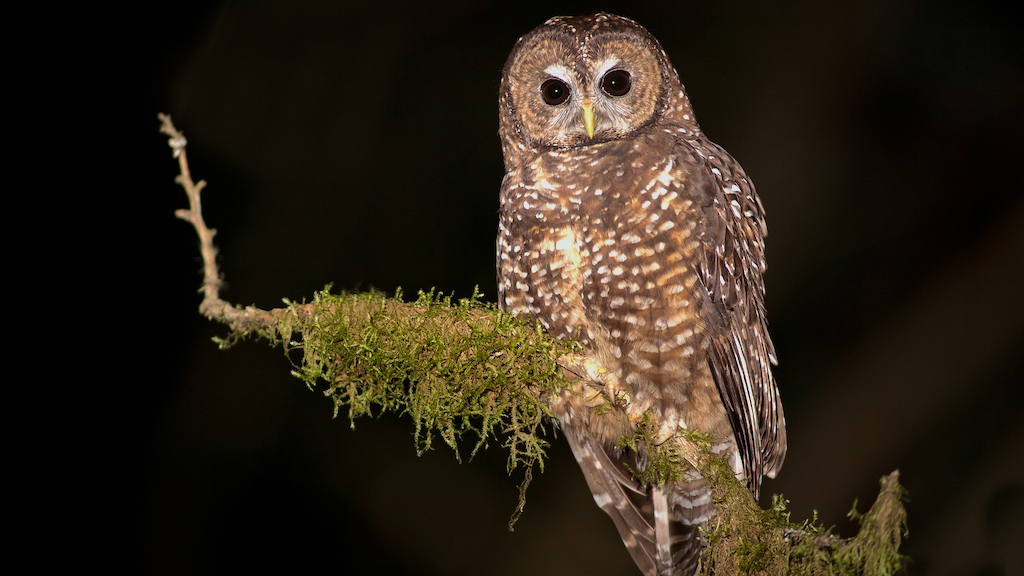
Ever attempted to capture the enigmatic beauty of a Spotted Owl and found your photographs drenched in murky shadows or riddled with noise? The Spotted Owl, with its elusive nature and preference for dimly lit old-growth forests, challenges even the most seasoned wildlife photographers. How does one overcome the low-light conundrum and immortalize the silent grace of this nocturnal sentinel? The answer lies not just in skill but in the camera choice—specifically, those with exceptional low-light prowess that can unlock the owl’s mystique without disturbance.
Understanding the Low-Light Challenge in Spotted Owl Photography
Photographing Spotted Owls entails more than just waiting patiently for the perfect moment. These birds thrive where light is a scarce commodity—dense canopies, twilight hours, or misty dawns. Insufficient lighting means your camera must perform at its apex to avoid blurry images or excessive digital noise. A camera’s low-light performance determines its sensitivity, clarity, and ability to capture fleeting expressions without the aid of intrusive flashes. The unpredictable illumination demands a sensor capable of gleaning detail in shadows, paired with lenses that can open wide to welcome every photon.
Sensor Size: Full-Frame vs. APS-C for Illuminate Mastery
When grappling with dim environments, sensor size takes center stage. Full-frame sensors, boasting dimensions equivalent to 35mm film, are heralded for their superior light-gathering capabilities. They produce cleaner images with less noise at higher ISO settings, a crucial factor when wattage is low. APS-C sensors, while smaller, offer a compelling balance by cropping the frame, effectively increasing focal length—a handy trait for distant subjects like owls perched high. However, in the arena of pure low-light virtuosity, full-frame champions hold a decisive edge.
ISO Performance: Dancing with Sensitivity
ISO, the numeric representation of a sensor’s sensitivity, can be both a photographer’s ally and adversary. High ISO settings amplify the sensor’s light sensitivity but risk unleashing grain and degradation in image quality. The best cameras for Spotted Owl photography manage this delicate dance by maintaining pristine clarity even at elevated ISOs. Models featuring back-illuminated CMOS sensors or stacked sensor designs optimize this balance, enabling sharp, atmospheric shots that preserve the owl’s feathered elegance against dusky backdrops.
Lens Compatibility: Marrying Aperture and Reach
Even the most advanced camera falters without the right glass. For Spotted Owls, telephoto lenses with wide apertures—think f/2.8 or wider—are invaluable. A generous aperture permits more light, facilitating faster shutter speeds and mitigating motion blur. Versatility also matters; lenses that can deliver both reach and sharpness afford photographers the freedom to approach without intrusion, capturing intimate poses or fleeting gestures. Cameras that support a wide array of high-quality lenses thus enhance the photographer’s arsenal, creating endless creative possibilities.
Autofocus and Image Stabilization: Matching Speed with Stillness
In the mysterious twilight where Spotted Owls dwell, autofocus systems must be swift yet silent. Cameras equipped with advanced autofocus points—especially those sensitive to low-contrast conditions—track subtle movements without startling their subjects. Complementing this is in-body image stabilization (IBIS), a technological marvel that compensates for hand tremors, allowing for slower shutter speeds without blur. This tandem is a game-changer, enabling crisp captures in near-darkness where tripods may be impractical or forbidden.
Mirrorless or DSLR: Which Reigns Supreme in the Shadows?
The debate between mirrorless and DSLR cameras takes on new dimensions under low-light scrutiny. Mirrorless models often boast more sophisticated electronic viewfinders and faster live-view capabilities, enhancing composition when natural light fades. Their typically smaller size provides stealth—an indispensable advantage when photographing skittish wildlife. Conversely, DSLRs have a longer history of robust sensor performance and lens ecosystems. The modern mirrorless camera, however, edges forward with innovations that elevate low-light functionality, making it an increasingly preferred choice among nocturnal nature photographers.
Battery Life and Durability: Battling the Elements
Low-light Spotted Owl photography is as much a test of endurance as technical ability. Cameras must possess not only stellar imaging capabilities but also robust battery life to endure long nocturnal sessions. Weather sealing and rugged construction become paramount when traversing damp, chilly woodland habitats. The best cameras thrive where moisture, dirt, and cold conspire to hinder lesser models, ensuring photographers remain focused on the hunt rather than hardware hiccups.
Top Camera Recommendations for Low-Light Spotted Owl Photography
Leading contenders designed to excel under dim conditions combine the attributes discussed above. Full-frame mirrorless cameras like the Sony A7S III captivate with their remarkable high ISO performance and rapid autofocus. Canon’s EOS R5 offers an exquisite blend of resolution and low-light sensitivity, while Nikon’s Z6 II provides a balanced choice for those seeking affordability and capability. Each model supports expansive lens systems and advanced image stabilization, key to unlocking the shadowy world of Spotted Owls.
Conclusion: Capturing the Soul of the Silent Night Hunter
In the end, the quest to photograph Spotted Owls under low light is a communion between technology and artistry. The right camera transforms formidable challenges into opportunities, revealing the nuances of an elusive nocturnal sentinel. Whether it’s a whisper of feathers in the twilight or an unblinking gaze through ancient branches, mastering low-light camera performance allows photographers not just to record images, but to tell stories woven in shadows. The interplay of sensor technology, lens quality, and stabilization paves the way to immortalize the haunting grace of the Spotted Owl—nature’s enigmatic ghost of the forest.