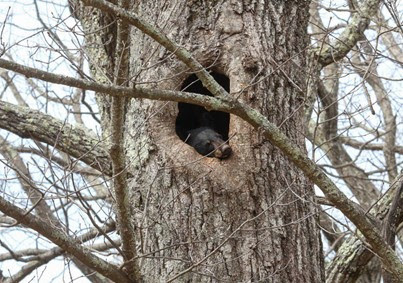
There is something undeniably enchanting about spotting a snowy owl in its winter stronghold. These ethereal birds, with their immaculate white plumage and piercing yellow eyes, transcend the mundane cold. Observers often find themselves captivated not just by the owl’s beauty but also by the silent narrative it weaves across frost-laden landscapes. This fascination is as much about the owl’s elusive nature as it is about the stark, serene environments they inhabit—places where winter’s grasp is absolute and life pulses quietly beneath the snow’s frozen veneer.
The Winter Realm of the Snowy Owl
Snowy owls are emblematic of the winter wilderness. They typically breed in the Arctic tundra, where the sun barely dips below the horizon during summer months. However, it is in winter that many descend southward, occasionally gracing open fields, icy shorelines, and snow-blanketed plains farther from their breeding grounds. These cold-weather habitats offer a canvas of monochromatic beauty where the owl’s white feathers provide both camouflage and a striking contrast, depending on the landscape and light. Understanding their winter range unveils the adaptability and resilience embedded in their genetics—a testament to survival amidst perpetual frost and biting winds.
Behavioral Patterns in Frigid Habitats
Observing a snowy owl is as much an exercise in patience as it is in understanding their behavior. These raptors are often seen perched prominently on elevated vantage points such as fence posts, snowbanks, or low brush. From here, they scan vast expanses for prey, predominantly lemmings and other small mammals. The scarcity of daylight in winter influences their diurnal hunting habits; unlike many owls, snowy owls exhibit activity during daylight hours, which adds to their allure for watchers seeking to catch a glimpse. Their silent, gliding flight contrasts the harsh sounds of winter winds, creating a fleeting apparition almost supernatural in its quietude.
Common Observations and the Pull of the White Owl
Across winter birdwatching circuits, novices and seasoned enthusiasts alike report the breathtaking moment of a snowy owl’s reveal against the stark backdrop of snow. What often surprises observers is the owl’s stoic composure and utter stillness, a sentinel in a frozen world. But the common observation goes deeper: it touches on a profound human fascination with creatures that thrive in extremes. There’s an implicit metaphor in the snowy owl’s existence—one of endurance, aloofness, and a silent mastery of a world too harsh for many others. This magnetism keeps watchers returning, eager to immerse themselves in the wintry silence and catch yet another glimpse of this rare jewel amidst the frost.
Techniques for Spotting Snowy Owls in Winter
Approach winter owl watching with a blend of knowledge and reverence. Knowing the terrain is crucial, as snowy owls favor open areas with minimal tree cover, allowing unimpeded views of their hunting grounds. Scouting locations at dawn or late afternoon, when light imbues the snow with a chill luminescence, increases chances of sighting. Using binoculars or spotting scopes enhances the experience, revealing fine details of plumage and eye color that photographs often miss. Patience and a quiet demeanor are indispensable; even the faintest noise can startle these watchful birds. Winter layers and preparedness for cold weather are equally important—after all, the environment is as much part of the encounter as the owl itself.
The Symbolism and Cultural Echoes of Snowy Owls
Snowy owls have long transcended their role as mere animals. Across cultures, they symbolize wisdom, mystery, and a bridge between the known and the unknown. Their ghostly appearance in snow-covered fields evokes mythic qualities, embodying the spirit of the Arctic wilderness. This symbolism intensifies the human connection to these birds, enriching the act of watching them with a spiritual dimension. It is no wonder that stories, legends, and art often feature snowy owls as harbingers or guardians of winter’s secrets. This cultural weight adds layers to their observation, making each sighting a moment not only of natural wonder but also of resonant meaning.
Conservation Concerns Amid Changing Winters
While snowy owls are resilient, their reliance on winter habitats exposes them to the vulnerabilities of climate change and habitat disturbance. Thawing permafrost, shifts in prey populations, and human encroachment all threaten the delicate balance these raptors depend upon. Conservation efforts increasingly emphasize the need to monitor wintering grounds and migration patterns, as understanding these factors is essential for safeguarding their future. Every winter sighting, therefore, becomes a reminder of the larger ecological narrative unfolding—a call to cherish and protect these sublime emissaries of the cold.
The Irresistible Allure of Winter Owl Watching
In the end, watching snowy owls in winter is more than a recreational pastime; it is an invitation into a rarefied world where silence, cold, and beauty coexist. It challenges us to slow down, heighten our senses, and appreciate the intricacies of a life finely tuned to extremes. It is this multidimensional allure—the interplay of natural history, ethereal beauty, and profound symbolism—that makes snowy owl watching an experience that lingers in the soul long after the cold wind has passed. For those who venture into snowy fields with hope and humility, this noble bird offers a glimpse of nature’s most poetic whispers on the snowy breeze.