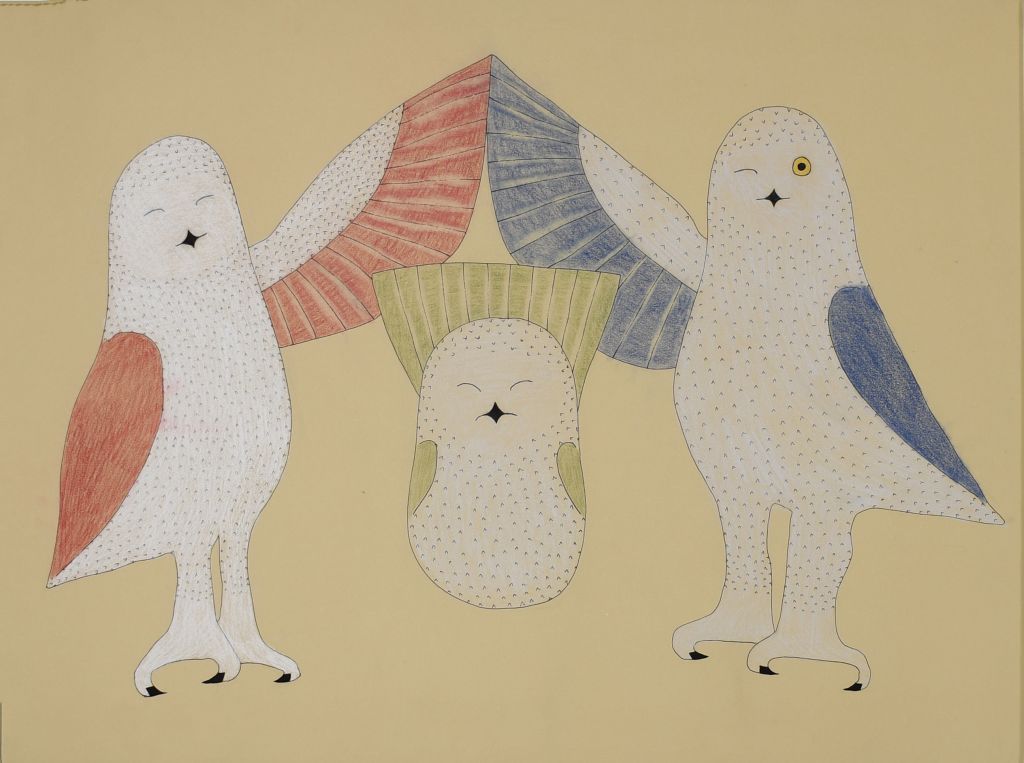
The snowy owl, resplendent in its stark white plumage and ghostly presence, is more than a mere creature of the Arctic tundra. In the vast, icy expanses inhabited by the Inuit peoples, this enigmatic bird resonates deeply within their mythology and cultural consciousness. More than just a symbol of the relentless cold, the snowy owl embodies profound wisdom, survival, and connection to the spirit world. Its role in Inuit lore is a tapestry woven with reverence, mystery, and a palpable sense of the environment’s demanding realities.
The Snowy Owl: An Arctic Emblem of Endurance
The snowy owl holds a unique position in the harsh Arctic landscape, an environment where survival is a daily conquest against the elements. To the Inuit, this bird exemplifies endurance and resilience. Its ability to thrive amid the relentless winds and snowstorms parallels the Inuit’s own connection to their land and lifestyle. This avian sentinel, with its piercing yellow eyes and silent flight, serves as a reminder of latent strength and vigilance. It is not merely an observer but an active participant in the natural cycles that sustain the Inuit way of life.
Symbolism of Wisdom and Spiritual Insight
Across Inuit communities, the snowy owl is revered as a sage figure, a harbinger of insight and knowledge. Its nocturnal nature and piercing gaze evoke a sense of mystical awareness beyond the ordinary. The owl’s ability to see clearly in the darkest of nights metaphorically suggests a capacity to illuminate unseen truths and to navigate spiritual darkness. This symbolism pervades many oral traditions where the snowy owl is associated with shamanic wisdom, often guiding shamans through visionary journeys or delivering messages from the spirit realm. It becomes a bridge between the physical and metaphysical, an emblem of profound understanding and perception.
Mythical Narratives Featuring Snowy Owls
In Inuit mythology, stories featuring snowy owls are abundant, each varying slightly across different regions but maintaining central themes. One recurring narrative is of the owl as a protector of the vulnerable, especially children. In these tales, the snowy owl watches over youngsters during the long Arctic nights, warding off malevolent spirits and ill fortune. Other stories depict the owl as a messenger between humans and the animal spirits, carrying prayers and warnings alike. These mythologies reflect the deep spiritual fabric that the Inuit weave, where every creature, particularly one as majestic as the snowy owl, plays a meaningful part in the universe’s balance.
The Role of Snowy Owls in Inuit Art and Cultural Expression
The symbolic potency of the snowy owl extends seamlessly into Inuit art. Artists, inspired by the bird’s ethereal presence, often render it in delicate carvings, prints, and sculptures. These artistic depictions are not mere representations but encapsulations of the owl’s mythic essence—stoic, wise, and transcendent. The snowy owl motif is employed to communicate narratives, spirituality, and cultural identity, serving both decorative and ritualistic purposes. Each brushstroke or carved line honors the legacy of the bird’s place within Inuit cosmology, making it a compelling emblem of heritage and resilience.
Snowy Owls as Messengers of Climate and Environmental Change
In modern interpretations, the snowy owl also assumes a new symbolic role as a sentinel of environmental health. The delicate balance of Arctic ecosystems is increasingly threatened by climate change. Within an Inuit worldview that considers animal behavior a barometer of environmental shifts, changes in the snowy owl’s presence or patterns echo deeper disturbances. The owl, thus, becomes a living symbol of both survival and vulnerability. Its plight calls attention to broader ecological questions and challenges that resonate not only with Inuit communities but with the global audience cognizant of climate imperatives.
Connection Between Snowy Owls and Inuit Survival Strategies
Survival in the Arctic hinges on intricate knowledge of nature and its patterns. The snowy owl, with its precise hunting skills and adaptability, mirrors many traditional Inuit survival strategies. Observing this bird provides insights into weather patterns, animal migrations, and the rhythm of the seasons. Inuit hunters and trackers have long read the signs given by snowy owls, interpreting behaviors to enhance their own practices. This symbiosis between human and bird emphasizes a relationship grounded in respect, observation, and shared existence within a precarious environment.
The Enduring Legacy of the Snowy Owl Symbol in Contemporary Inuit Identity
Today, the snowy owl remains a potent symbol for Inuit communities, a beacon of cultural continuity amid rapid modernization. It serves not only as a reminder of ancestral wisdom but also as an emblem of resilience in a world experiencing unprecedented change. The snowy owl encapsulates a narrative of perseverance—holding true to identity and tradition while adapting to new realities. Through storytelling, art, and community rituals, its image continues to inspire and affirm an enduring connection to the land, the spirit, and each other.