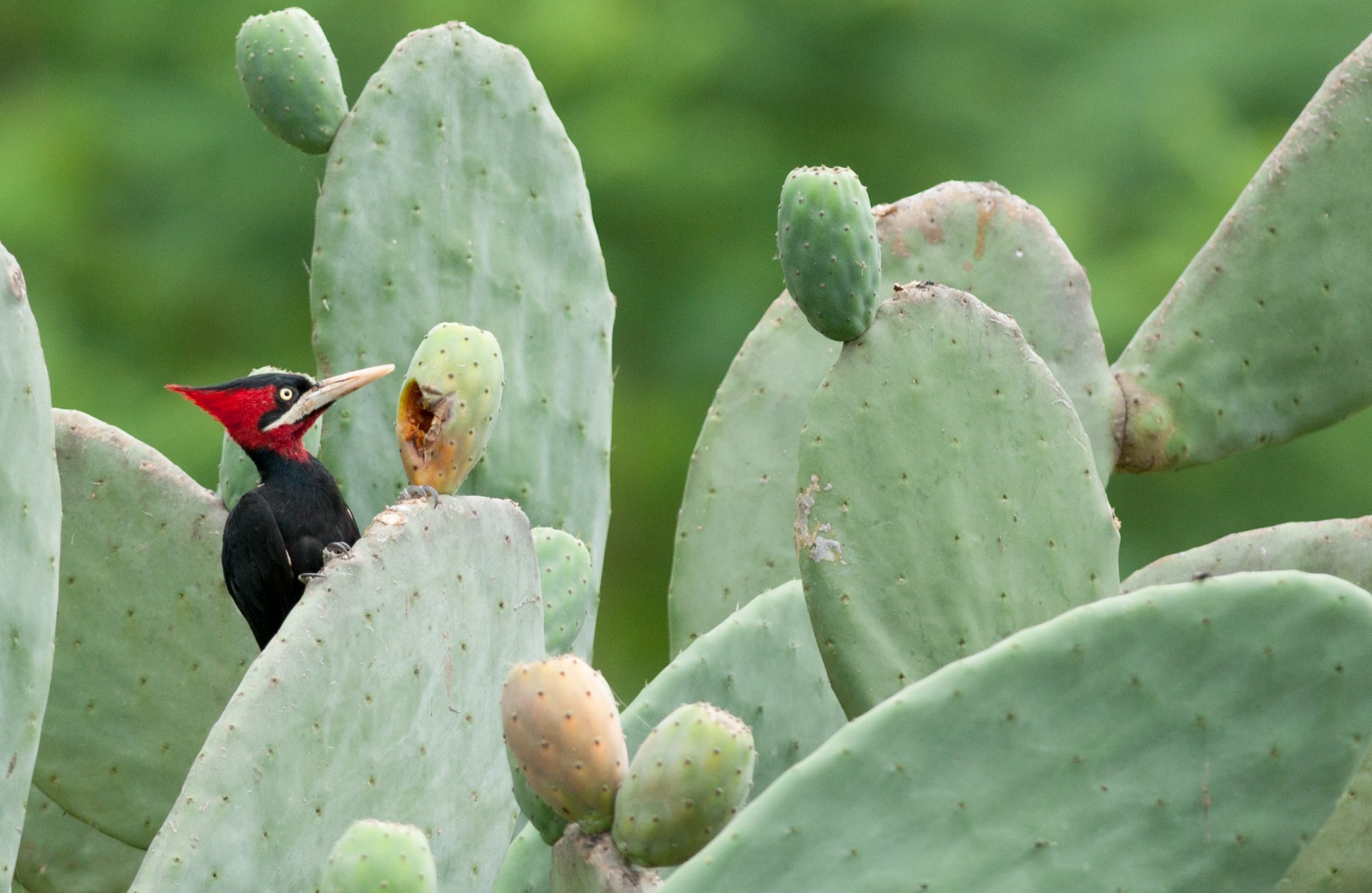
In the twilight hours, when shadows merge with muted whispers of the night, owls arise as silent sentinels of the forest. Cloaked in feathers and mystery, these nocturnal heralds are often celebrated for their prowess as hunters and symbols of wisdom. Yet, beneath this shadowed guise lies a clandestine ecological ballet—an often overlooked but profound role in seed dispersal. Like ethereal librarians of the woodlands, owls catalog and disperse botanical legacies through their nocturnal journeys, knitting together the fabric of ecosystems with every flight. This narrative unveils the fascinating, intricate tapestry of how owls contribute to seed dispersal and why their role emerges as a subtle cornerstone within ecological symphonies.
The Enigmatic Ecology of Owls: Beyond Predation
Owls have long been revered for their predatory acumen, silently slicing through darkness to capture rodents, insects, and other small creatures. However, this predation is not merely an endpoint but a pivotal node in wider ecological networks. When owls consume fruit-eating prey, they inadvertently become agents of seed movement. Seeds ingested by their prey may survive passage through digestive tracts and subsequently be deposited at new locations through owl pellet ejection or defecation. In this underappreciated process, owls become unwitting facilitators of plant propagation, transcending their role as hunters to become gardeners of the night.
Owls as Nocturnal Gardeners: Mechanisms of Seed Dispersal
Seed dispersal by owls operates through a variety of mechanisms intertwined with their feeding habits. Primarily, owls prey on frugivorous and granivorous small mammals and birds that consume and transport seeds. When owls consume these animals, undigested seeds within the prey’s digestive system can pass into owl pellets—regurgitated masses of indigestible matter such as bones and fur. These pellets, often deposited under roosting sites, enrich the substrate with viable seeds and nutrients, effectively creating microhabitats conducive to germination. Thus, in defiant contrast to their fierce predatory image, owls deposit the seeds of forest regeneration, acting as nocturnal dispersal vectors dispersing potential life in the form of dormant sprouts and saplings.
The Spatial Dimensions of Owl-Mediated Seed Dispersal
Unlike seed dispersal agents constrained by diurnal activity or territorial boundaries, owls traverse vast nocturnal landscapes with fluid grace. Their flight paths, often spanning kilometers, allow seeds to be transported far beyond the immediate vicinity of parent plants. This long-distance dispersal reduces seedling competition, promotes genetic diversity, and facilitates colonization of new habitats—key ecological advantages that bolster ecosystem resilience and adaptability. As aerial nomads of the night, owls act as conduits linking isolated patches of vegetation, knitting fragmented woodlands into cohesive green mosaics.
Implications for Ecosystem Services and Biodiversity Conservation
Recognizing owls as seed dispersers reshapes our understanding of their ecological significance. Their contributions underpin vital ecosystem services—regulating forest regeneration, maintaining biodiversity, and sustaining habitat complexity. In ecosystems ravaged by fragmentation, climate change, and human encroachment, the ecological threads woven by owl-mediated seed dispersal become ever more critical. Through their nocturnal stewardship, owls help preserve the intricate balance upon which countless species depend, enhancing the vibrancy and stability of natural communities. Their role underscores the interconnectedness of predation and propagation, reminding us that the forest’s fate often hinges on unseen acts performed in darkness.
Challenges and Research Horizons in Owl Seed Dispersal
Despite burgeoning interest, much about owls’ role in seed dispersal remains shrouded in scientific obscurity. The cryptic nature of their nocturnal behavior complicates direct observation, and seed viability following passage through owl pellets requires further investigation. Advances in molecular analysis and tracking technologies promise to illuminate these biological enigmas, unveiling the full spectrum of owl-mediated plant dispersal networks. Bridging these knowledge gaps will not only enrich ecological theory but also inform conservation strategies that harness the synergistic potential of predators as ecosystem engineers.
Cultivating Awe and Stewardship: The Unique Appeal of Owls in Natural Narratives
Owls, with their haunting calls and spectral presence, captivate human imagination and folklore alike. Their involvement in seed dispersal adds an unexpected layer to their mystique—transforming them from mere nocturnal hunters to vital architects of life’s renewal. This multifaceted role invites a deeper appreciation and reverence, fostering a sense of stewardship fueled by wonder. Owls, in their quiet efficacy, symbolize nature’s intricate choreography where even agents of death serve as harbingers of growth. Recognizing this paradox invites us to embrace the complexity of ecosystems, inspiring conservation narratives that celebrate the unheralded heroes of biodiversity.